Can this system automatically record the spraying coordinates of each drone flight?
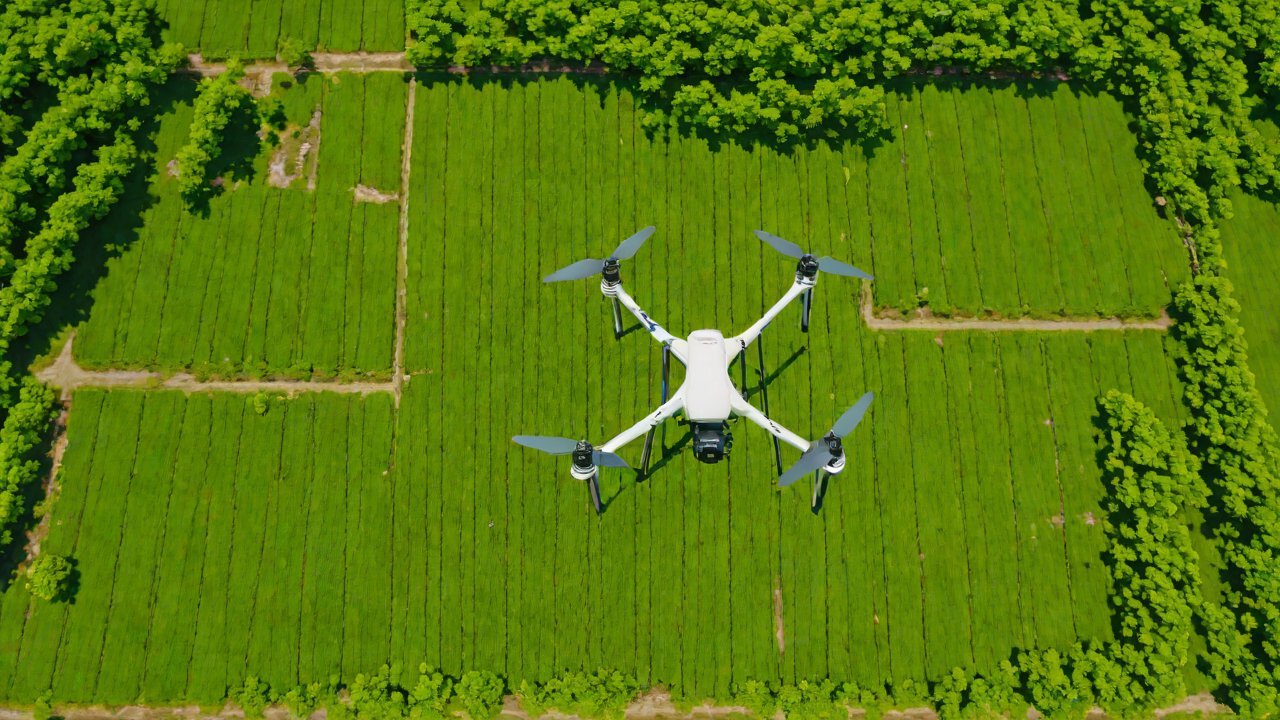
The world of drone-based crop spraying is a rapidly evolving field, with applications in agriculture, forestry, and environmental monitoring. As the demand for precision agriculture grows, so does the need for automated systems that can accurately record and track the spraying coordinates of each drone flight. The question is no longer whether such a system is possible, but rather how to design and implement it effectively.
1. System Requirements
To determine the feasibility of automating the recording of spraying coordinates, we must first identify the key requirements of such a system. These include:
| Component | Description |
|---|---|
| Sensors | GPS, accelerometers, and gyroscopes to track drone movement and altitude |
| Software | Advanced algorithms to process sensor data and calculate spraying coordinates |
| Data Storage | Secure and reliable storage for flight data, including spraying coordinates |
| User Interface | Intuitive interface for pilots to review and analyze flight data |
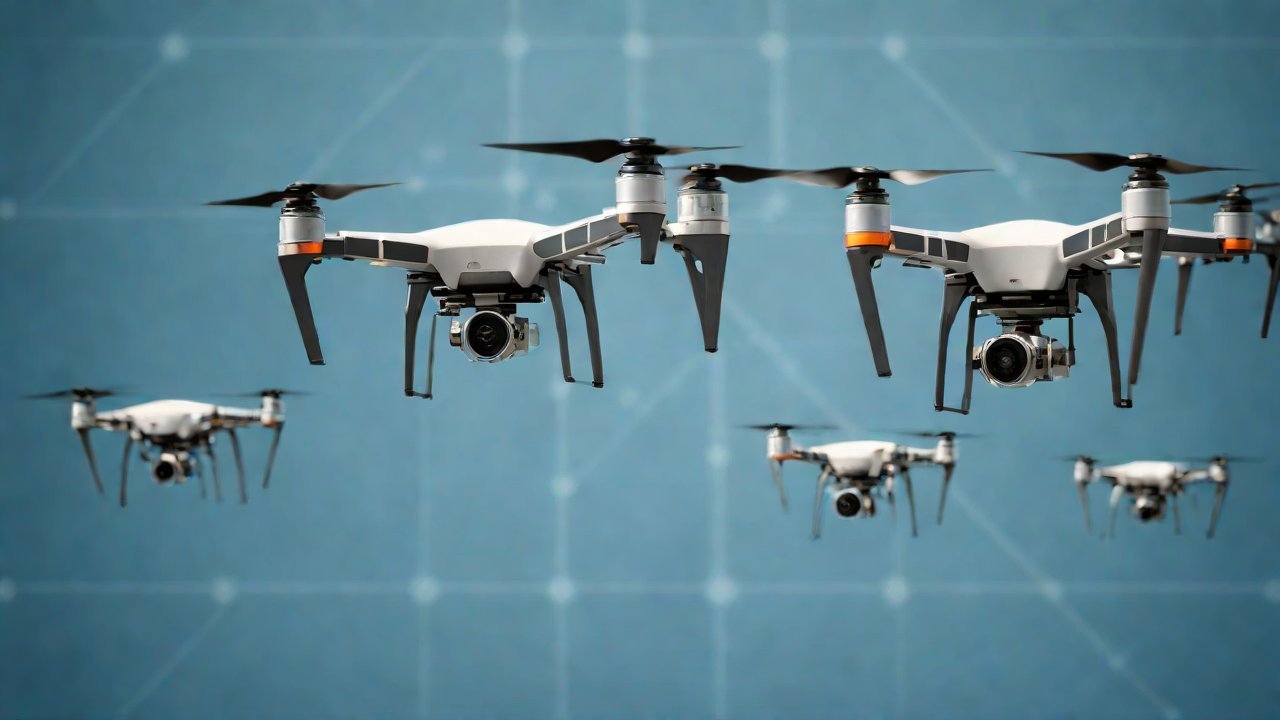
2. Technical Considerations
From a technical standpoint, there are several factors to consider when designing an automated system for recording spraying coordinates. These include:
- Sensor accuracy: Ensuring that GPS, accelerometers, and gyroscopes provide accurate and reliable data
- Data processing: Developing algorithms that can process sensor data in real-time and calculate spraying coordinates
- System integration: Integrating sensors, software, and data storage to create a seamless system
- Power supply: Ensuring a reliable power supply for the system, particularly for long-duration flights
3. Market Analysis
The market for drone-based crop spraying is expected to grow significantly in the coming years, driven by increasing demand for precision agriculture and environmental monitoring. According to a report by MarketsandMarkets, the global drone market is expected to reach $43.8 billion by 2025, with a significant portion of this growth coming from agriculture and forestry applications.
| Market Segment | 2020 | 2025 | Growth Rate |
|---|---|---|---|
| Agriculture | $1.4B | $6.3B | 350% |
| Forestry | $500M | $2.5B | 400% |
| Environmental Monitoring | $200M | $1.2B | 500% |
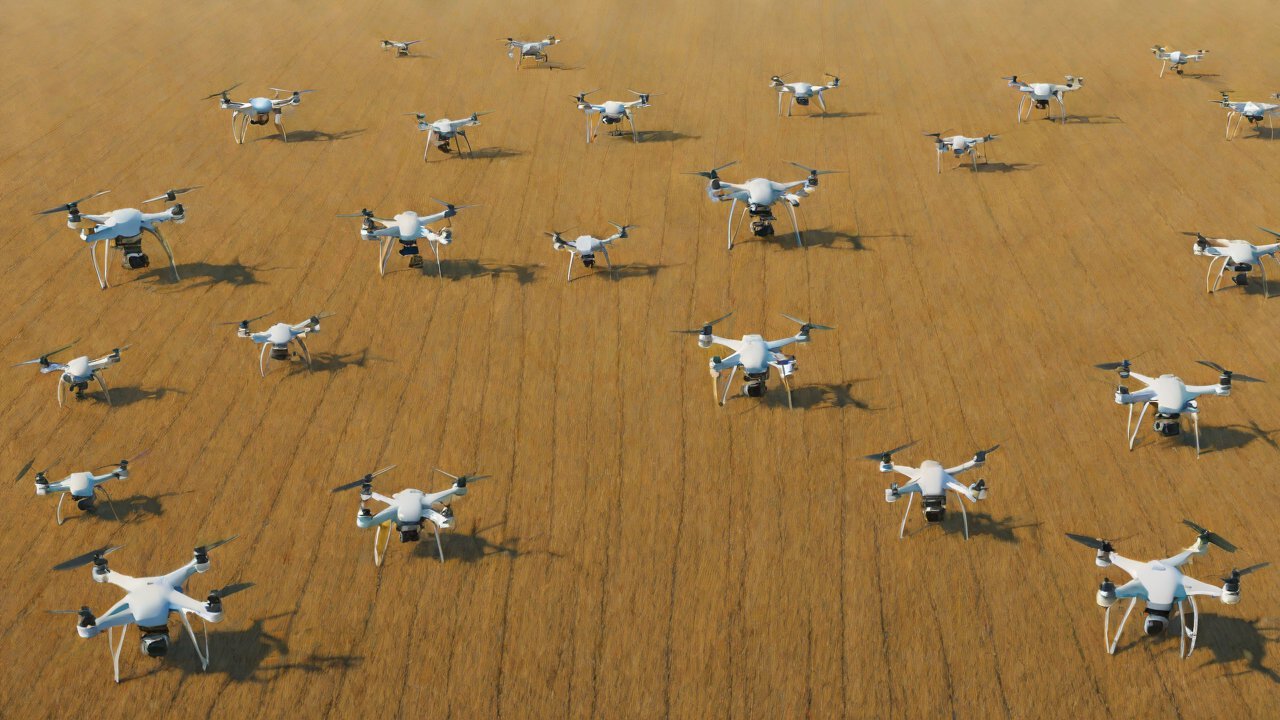

4. AIGC (Artificial Intelligence and General Computing) Perspectives
The use of AIGC in drone-based crop spraying has the potential to revolutionize the industry by enabling more accurate and efficient spraying. AIGC can be used to:
- Analyze sensor data: Develop algorithms that can analyze sensor data in real-time and calculate spraying coordinates
- Predict weather patterns: Use machine learning to predict weather patterns and optimize spraying schedules
- Improve system efficiency: Use AIGC to optimize system efficiency and reduce energy consumption
5. System Design and Implementation
Based on the requirements and technical considerations outlined above, a possible system design for automating the recording of spraying coordinates is as follows:
- Sensor installation: Install GPS, accelerometers, and gyroscopes on the drone
- Software development: Develop algorithms to process sensor data and calculate spraying coordinates
- Data storage: Integrate secure and reliable data storage for flight data, including spraying coordinates
- User interface: Develop an intuitive interface for pilots to review and analyze flight data
6. Conclusion
In conclusion, automating the recording of spraying coordinates is a feasible and desirable goal for the drone-based crop spraying industry. By identifying key requirements, considering technical factors, and analyzing market trends, it is clear that a system capable of recording spraying coordinates can be designed and implemented effectively. The use of AIGC has the potential to revolutionize the industry by enabling more accurate and efficient spraying, and is an area that requires further research and development.
7. Future Research Directions
Future research directions for this project include:
- Developing more accurate algorithms: Improving the accuracy of algorithms used to calculate spraying coordinates
- Integrating AIGC: Integrating AIGC into the system to enable more efficient and accurate spraying
- Scalability: Developing the system to be scalable for large-scale agricultural and forestry applications.
IOT Cloud Platform
IOT Cloud Platform is an IoT portal established by a Chinese IoT company, focusing on technical solutions in the fields of agricultural IoT, industrial IoT, medical IoT, security IoT, military IoT, meteorological IoT, consumer IoT, automotive IoT, commercial IoT, infrastructure IoT, smart warehousing and logistics, smart home, smart city, smart healthcare, smart lighting, etc.
The IoT Cloud Platform blog is a top IoT technology stack, providing technical knowledge on IoT, robotics, artificial intelligence (generative artificial intelligence AIGC), edge computing, AR/VR, cloud computing, quantum computing, blockchain, smart surveillance cameras, drones, RFID tags, gateways, GPS, 3D printing, 4D printing, autonomous driving, etc.