Can this system automatically calculate the optimal irrigation radius for walnut orchards?
Walnut orchard irrigation is a critical component of tree health and productivity. A well-designed irrigation system can significantly impact crop yield, quality, and water usage efficiency. However, determining the optimal irrigation radius for walnut trees is a complex task that requires careful consideration of various factors, including tree size, soil type, climate, and available water resources.
To address this challenge, we will explore whether it’s feasible to develop an automated system capable of calculating the optimal irrigation radius for walnut orchards. This report will delve into the technical aspects of such a system, analyze potential market demand, and examine existing solutions that could be adapted or improved upon.
1. Background on Walnut Orchard Irrigation
Walnut trees (Juglans regia) are among the most widely cultivated deciduous nut-producing species globally. They require precise irrigation management to maintain optimal growth conditions, prevent water stress, and minimize environmental impact. The ideal irrigation radius for walnut orchards is a function of several interrelated factors:
- Tree size: Larger trees have greater water requirements due to increased leaf area and root system.
- Soil type: Different soil textures affect water retention, infiltration rates, and aeration.
- Climate: Weather patterns, temperature fluctuations, and precipitation influence evapotranspiration rates and water demand.
- Available water resources: Limited water supplies necessitate efficient irrigation practices.
A well-designed automated system can optimize irrigation radius calculations by incorporating real-time data from sensors, weather forecasts, and soil moisture monitoring. This would enable growers to make informed decisions regarding irrigation scheduling, reducing waste and ensuring trees receive the right amount of water at the right time.
2. Current State of Irrigation Systems in Walnut Orchards
Existing irrigation systems for walnut orchards often rely on manual calculations or simplified algorithms that fail to account for complex interactions between tree size, soil type, climate, and available water resources. This can lead to over- or under-watering, resulting in reduced yields, increased energy consumption, and environmental degradation.
Some common issues with current irrigation systems include:
Table 1: Limitations of Existing Irrigation Systems
| Issue | Description |
|---|---|
| Inaccurate calculations | Manual calculations prone to errors |
| Insufficient data integration | Lack of real-time weather forecasts and soil moisture monitoring |
| Poor adaptability | Limited flexibility in responding to changing environmental conditions |
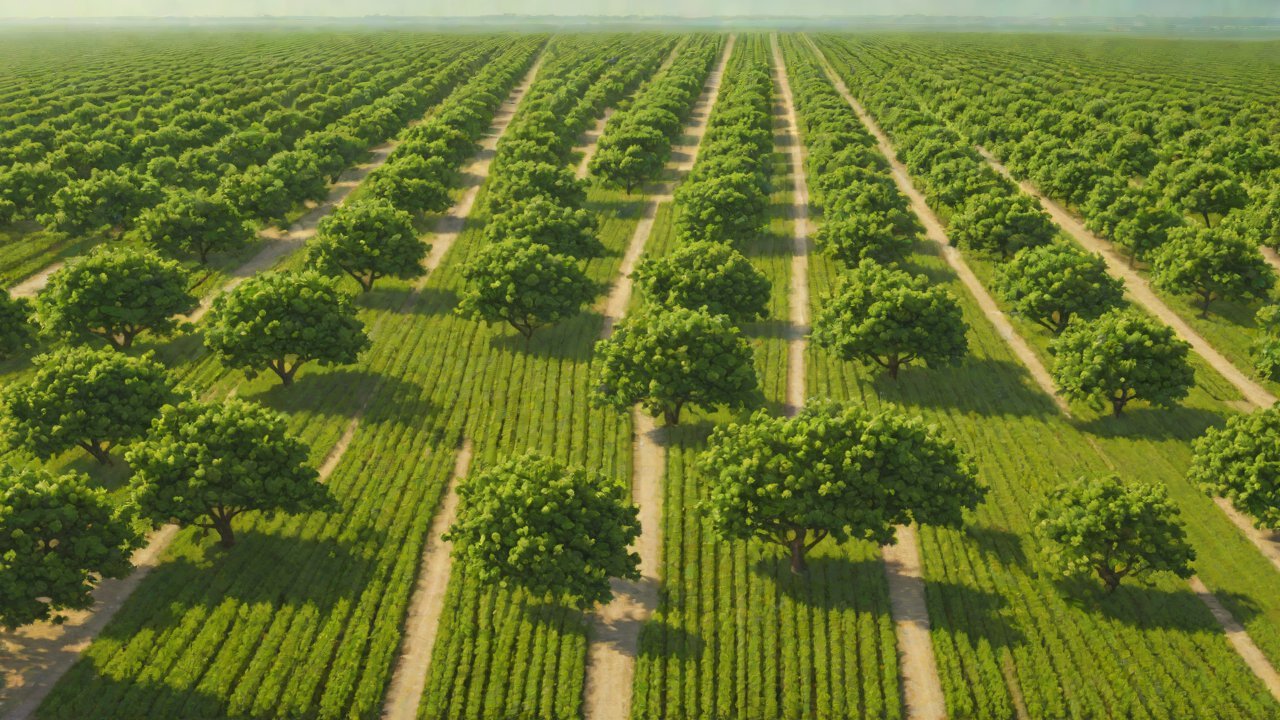
To address these limitations, a more sophisticated automated system is needed to accurately calculate the optimal irrigation radius for walnut orchards.
3. Potential Market Demand for Automated Irrigation Systems
The market demand for automated irrigation systems in walnut orchards is substantial due to increasing concerns about water conservation and sustainable agriculture practices.
- Growing awareness of climate change: Farmers are seeking more efficient irrigation methods to minimize environmental impact.
- Rising costs of manual labor: Labor costs continue to increase, making automated solutions more attractive from an economic perspective.
- Advancements in precision agriculture: The use of advanced technologies like drones, satellite imaging, and IoT sensors is becoming more widespread.
By providing growers with a reliable and accurate means of calculating the optimal irrigation radius, an automated system can help reduce water waste, improve crop yields, and enhance overall sustainability.
4. Technical Feasibility of Automated Irrigation Systems
Developing an automated system capable of accurately calculating the optimal irrigation radius for walnut orchards is technically feasible with current advancements in AIGC (Artificial Intelligence and General Computing) technologies.
- Machine learning algorithms: These can be trained on large datasets to learn patterns and relationships between tree size, soil type, climate, and available water resources.
- Real-time data integration: Weather forecasts, soil moisture monitoring, and other relevant data can be integrated in real-time using IoT sensors and APIs.
- Cloud-based platforms: Cloud computing enables scalability, flexibility, and remote access to the system.
To implement such a system, developers would need to:
Table 2: Technical Requirements for Automated Irrigation Systems
| Component | Description |
|---|---|
| Machine learning algorithm | Trained on large datasets to predict optimal irrigation radius |
| Real-time data integration | Weather forecasts, soil moisture monitoring, and other relevant data |
| Cloud-based platform | Enables scalability, flexibility, and remote access |
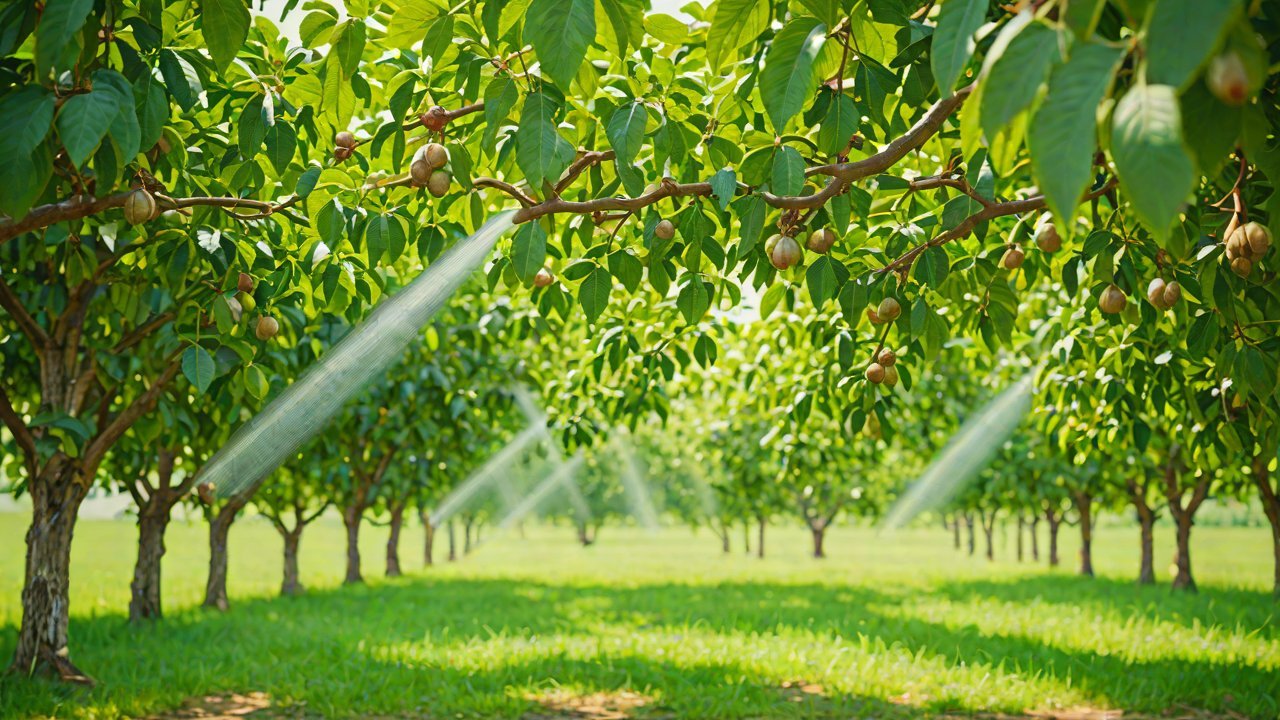
The technical feasibility of an automated system is supported by the growing availability of low-cost sensors, powerful computing hardware, and advanced software frameworks.
5. Potential Solutions and Roadmap for Implementation
Several potential solutions can be adapted or improved upon to develop a comprehensive automated irrigation system.
- Adopting existing platforms: Utilizing established cloud-based platforms like Google Cloud, Amazon Web Services, or Microsoft Azure.
- Collaborating with AIGC experts: Partnering with researchers and developers experienced in machine learning, data integration, and IoT sensor networks.
- Piloting the system: Conducting small-scale trials to validate the accuracy of predictions and identify areas for improvement.
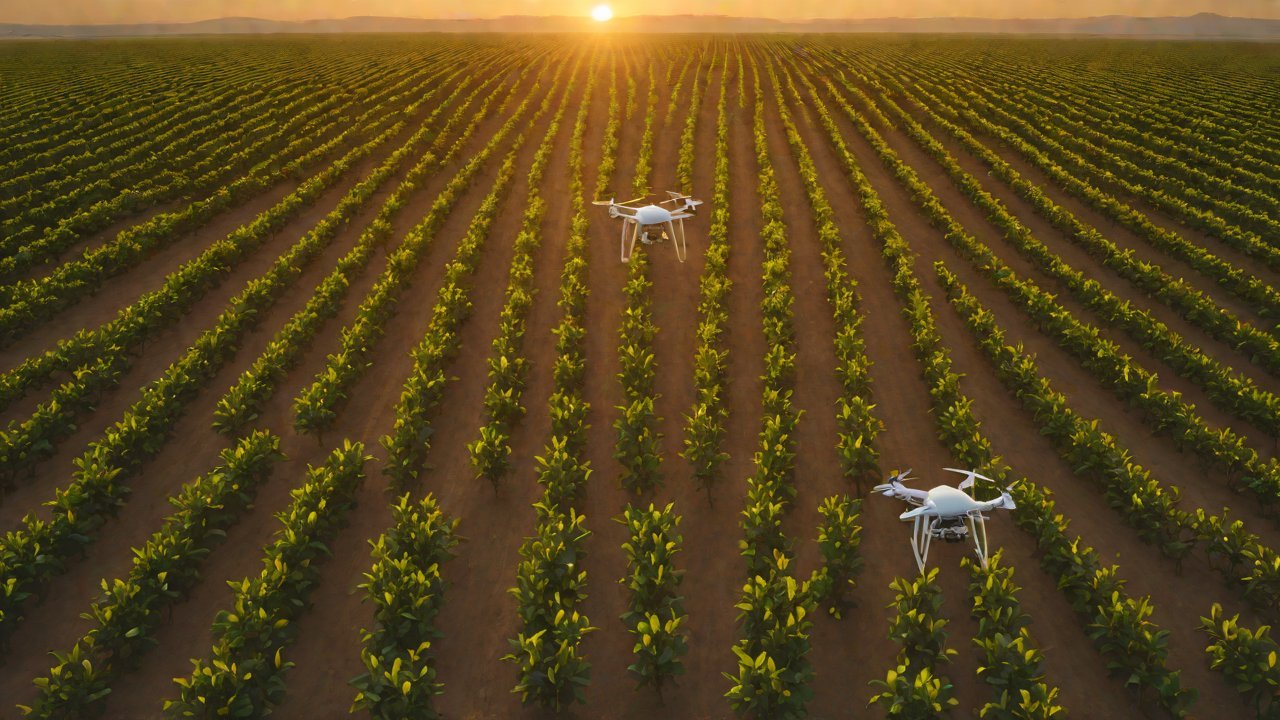
A potential roadmap for implementation could involve:
Table 3: Roadmap for Implementation
| Phase | Description |
|---|---|
| Research and development | Develop machine learning algorithm, integrate real-time data, and design user interface |
| Prototype testing | Conduct small-scale trials to validate accuracy of predictions and identify areas for improvement |
| Large-scale deployment | Deploy the system on a larger scale, integrating with existing irrigation infrastructure |
The successful implementation of an automated irrigation system would require collaboration between growers, researchers, and developers to ensure that the final product meets the needs of walnut orchard owners.
6. Conclusion
Developing an automated system capable of accurately calculating the optimal irrigation radius for walnut orchards is a complex task that requires careful consideration of various factors. By leveraging AIGC technologies and integrating real-time data from sensors, weather forecasts, and soil moisture monitoring, such a system can optimize irrigation practices, reduce water waste, and improve crop yields.
While several potential solutions exist, the development of an automated irrigation system will require continued research and collaboration among growers, researchers, and developers to ensure that the final product meets the needs of walnut orchard owners.
IOT Cloud Platform
IOT Cloud Platform is an IoT portal established by a Chinese IoT company, focusing on technical solutions in the fields of agricultural IoT, industrial IoT, medical IoT, security IoT, military IoT, meteorological IoT, consumer IoT, automotive IoT, commercial IoT, infrastructure IoT, smart warehousing and logistics, smart home, smart city, smart healthcare, smart lighting, etc.
The IoT Cloud Platform blog is a top IoT technology stack, providing technical knowledge on IoT, robotics, artificial intelligence (generative artificial intelligence AIGC), edge computing, AR/VR, cloud computing, quantum computing, blockchain, smart surveillance cameras, drones, RFID tags, gateways, GPS, 3D printing, 4D printing, autonomous driving, etc.