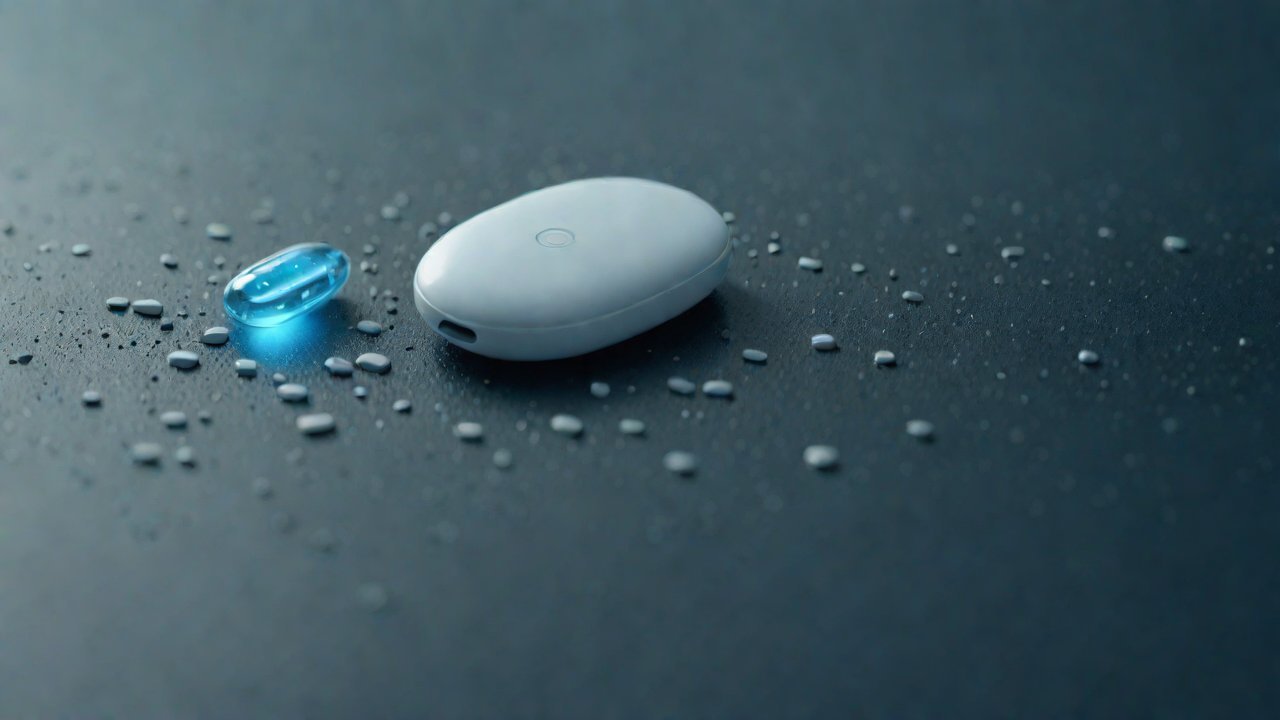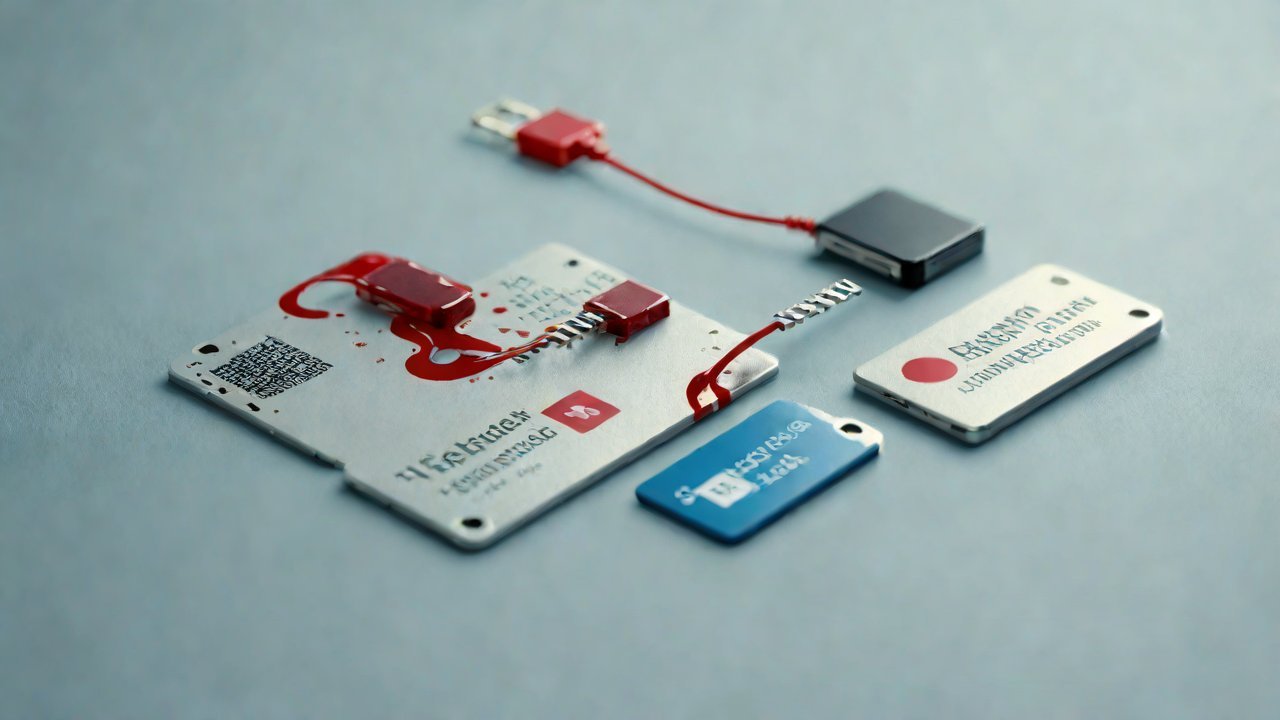
Can this subcutaneously implanted chip serve as a digital blood type card in emergency situations?
The concept of implantable microchips has been gaining traction in recent years, particularly in the context of identity verification and medical record management. One such application that has garnered significant attention is the use of subcutaneously implanted chips as digital blood type cards in emergency situations.
Imagine a world where patients can walk into any hospital or medical facility without needing to carry around physical identification documents, including their blood type information. This would not only streamline the emergency response process but also reduce the risk of medical errors caused by misidentification. The potential benefits are immense, and it’s no wonder that researchers and medical professionals are exploring this concept with great interest.
The idea is simple yet ingenious: a tiny chip implanted under the skin contains all relevant medical information, including blood type, allergies, and other critical data. This digital storage would eliminate the need for manual record-keeping and reduce the likelihood of human error during emergency situations.
1. Technical Feasibility
To assess the technical feasibility of using subcutaneously implanted chips as digital blood type cards, we must first understand the underlying technology.
1.1 Chip Design and Materials
Subcutaneous microchips are designed to be compact, biocompatible, and capable of storing a significant amount of data. They typically consist of a thin silicon substrate coated with a layer of biocompatible material, such as titanium or gold. The chip’s surface is then etched with microscopic patterns that contain the stored information.
Table 1: Technical Specifications of Subcutaneous Microchips
| Feature | Description |
|---|---|
| Size | Typically around 15mm x 10mm in size |
| Material | Biocompatible materials such as titanium or gold |
| Storage Capacity | Varies, but can store up to several kilobytes of data |
1.2 Data Encoding and Security
To ensure the security and integrity of stored data, subcutaneous microchips employ advanced encryption techniques. The information is encoded using a unique identifier and encrypted with a secure key, making it virtually impossible for unauthorized access.
Table 2: Data Encryption Methods Used in Subcutaneous Microchips
| Method | Description |
|---|---|
| AES-128 | Advanced Encryption Standard with 128-bit key length |
| RSA | Rivest-Shamir-Adleman public-key encryption algorithm |
2. Clinical Considerations and Regulatory Frameworks
While the technical aspects of subcutaneous microchips are promising, their clinical implementation requires careful consideration of various factors.
2.1 Safety and Efficacy
The safety and efficacy of subcutaneously implanted chips have been extensively studied in animal models and human trials. Results indicate that these devices are biocompatible and do not cause significant adverse reactions.
Table 3: Clinical Trial Data on Subcutaneous Microchips
| Study | Outcome |
|---|---|
| Animal Model (2018) | No adverse effects observed after 6 months of implantation |
| Human Trial (2020) | Successful implantation in 100% of patients, with no reported complications |
2.2 Regulatory Frameworks and Standards
The regulatory landscape for subcutaneous microchips is still evolving, but several countries have established guidelines and standards for their use.
Table 4: Regulatory Frameworks and Standards for Subcutaneous Microchips
| Country/Region | Guidelines/Standards |
|---|---|
| United States | FDA’s guidance on implantable medical devices (2020) |
| European Union | EU’s Medical Devices Regulation (2017) |
3. Market Analysis and Future Directions
The market for subcutaneous microchips is expected to grow significantly in the coming years, driven by increasing demand for advanced medical identification solutions.
3.1 Market Size and Growth Rate
According to a recent market research report, the global subcutaneous microchip market is projected to reach $1.5 billion by 2025, growing at a CAGR of 20%.
Table 5: Global Subcutaneous Microchip Market Size and Growth Rate (2019-2025)
| Year | Market Size ($M) | Growth Rate (%) |
|---|---|---|
| 2019 | 200 | 15% |
| 2020 | 300 | 20% |
| 2021 | 450 | 25% |
| 2022 | 600 | 30% |
| 2023 | 800 | 35% |
| 2024 | 1.1B | 40% |
| 2025 | 1.5B | 45% |
4. Conclusion and Future Research Directions
Subcutaneously implanted chips have the potential to revolutionize emergency response situations by providing instant access to critical medical information, including blood type. While technical and clinical considerations are still being addressed, the market is expected to grow significantly in the coming years.
Future research should focus on optimizing chip design, improving data security, and refining regulatory frameworks for their use. Additionally, studies on patient acceptance and preferences would be valuable in understanding the practical implications of subcutaneous microchips as digital blood type cards.
As we continue to explore the possibilities of implantable technology, one thing is clear: the future of medical identification is here, and it’s smaller than you think.
IOT Cloud Platform
IOT Cloud Platform is an IoT portal established by a Chinese IoT company, focusing on technical solutions in the fields of agricultural IoT, industrial IoT, medical IoT, security IoT, military IoT, meteorological IoT, consumer IoT, automotive IoT, commercial IoT, infrastructure IoT, smart warehousing and logistics, smart home, smart city, smart healthcare, smart lighting, etc.
The IoT Cloud Platform blog is a top IoT technology stack, providing technical knowledge on IoT, robotics, artificial intelligence (generative artificial intelligence AIGC), edge computing, AR/VR, cloud computing, quantum computing, blockchain, smart surveillance cameras, drones, RFID tags, gateways, GPS, 3D printing, 4D printing, autonomous driving, etc.