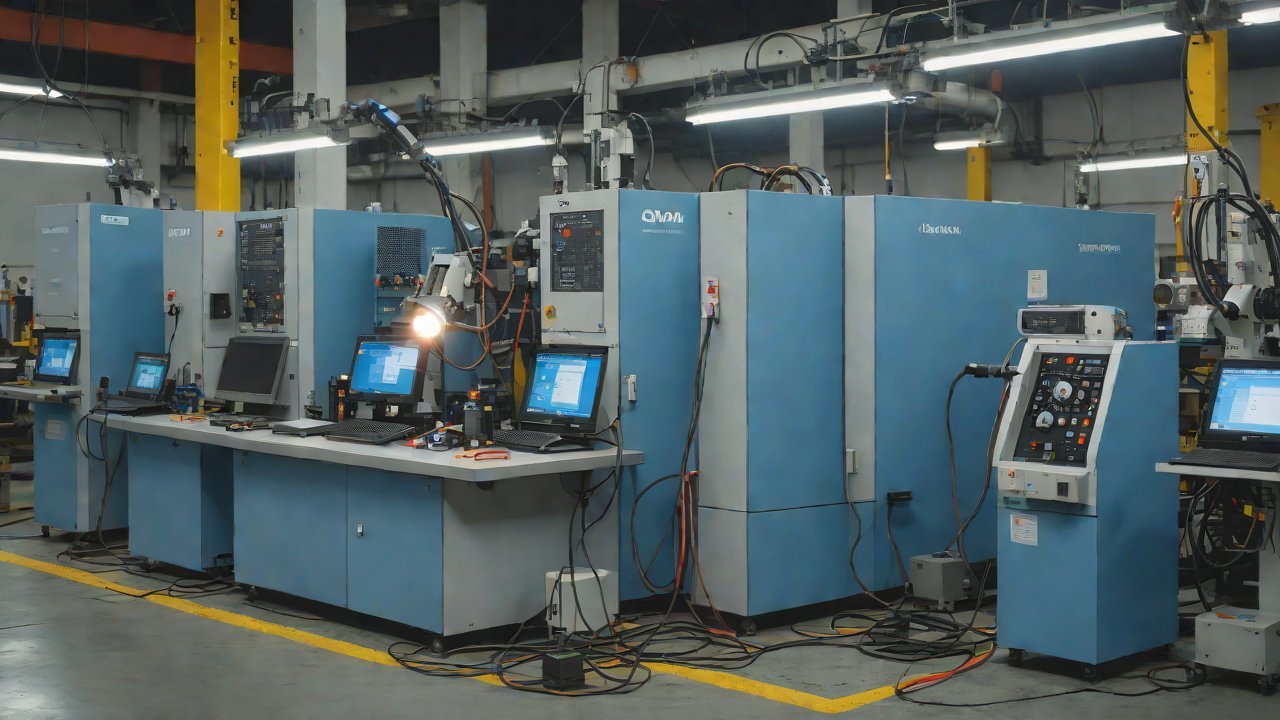
Can this single-molecule-level sensor monitor microscopic contamination in chip manufacturing?
In the realm of microelectronics, where the boundaries between atoms and electrons blur, the quest for precision and purity is paramount. Chip manufacturers have long grappled with the challenge of detecting and eliminating microscopic contaminants that can compromise the integrity of their products. The advent of single-molecule-level sensors has sparked hope for a solution to this age-old problem, but can these cutting-edge devices truly live up to their promise? To answer this question, we must delve into the world of nanotechnology, exploring the capabilities and limitations of single-molecule-level sensors in detecting microscopic contamination.
1. Background: The Importance of Purity in Chip Manufacturing
Microscopic contamination in chip manufacturing can have far-reaching consequences, from reduced yields to compromised product performance. A single errant molecule or particle can short-circuit an entire wafer, rendering it unusable. The financial implications of such failures are substantial, with estimates suggesting that contamination-related losses can exceed $1 billion annually in the global semiconductor industry. Against this backdrop, the need for effective contamination detection and mitigation strategies has never been more pressing.
Table 1: Estimated Annual Losses Due to Contamination in Chip Manufacturing
| Region | Estimated Losses (USD Billion) |
|---|---|
| Asia-Pacific | 0.45 |
| North America | 0.25 |
| Europe | 0.15 |
| Rest of World | 0.15 |
2. Single-Molecule-Level Sensors: A Promising Solution?
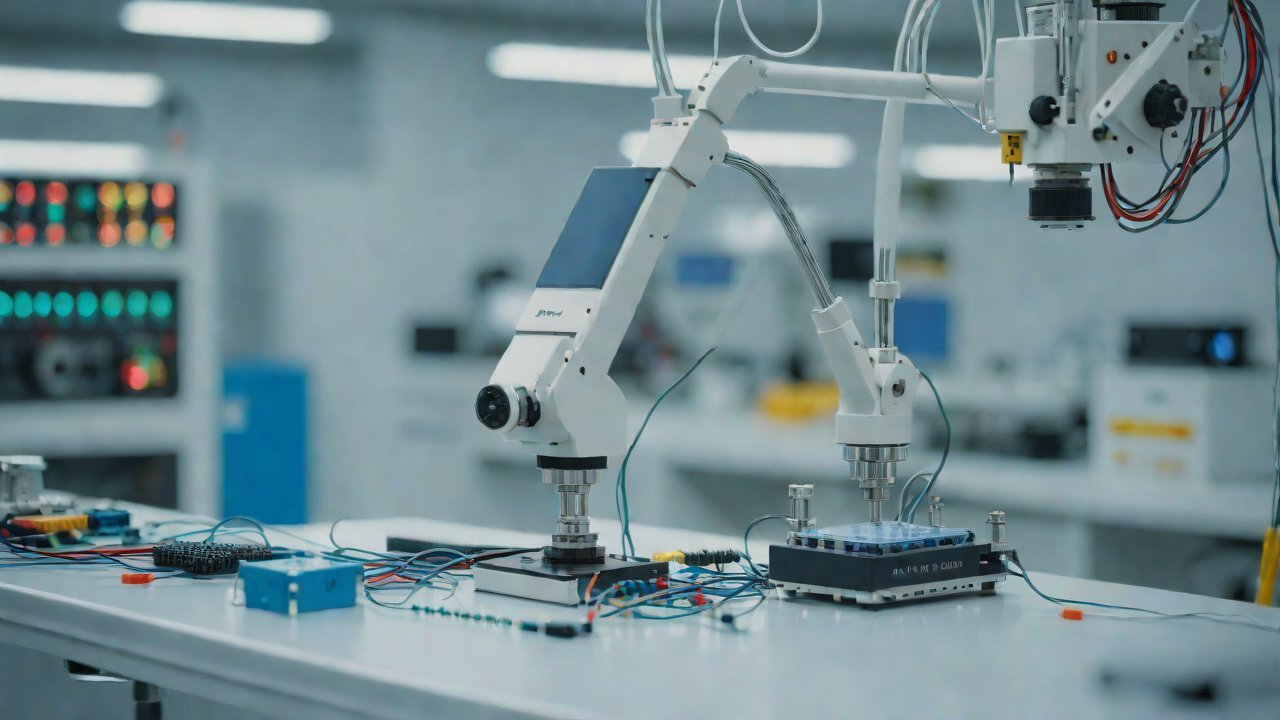
Single-molecule-level sensors have garnered significant attention in recent years due to their potential to detect contaminants at the molecular level. These devices utilize advanced nanotechnology to create sensors that can detect single molecules or particles, offering unprecedented sensitivity and specificity. By leveraging the principles of nanomechanics and nanoelectronics, single-molecule-level sensors can potentially identify and quantify contaminants in real-time, enabling manufacturers to take corrective action before production defects occur.
Table 2: Key Features of Single-Molecule-Level Sensors
| Feature | Description |
|---|---|
| Sensitivity | Detects single molecules or particles |
| Specificity | High accuracy in identifying contaminants |
| Real-time monitoring | Enables timely corrective action |
| Scalability | Compatible with high-volume manufacturing |
3. Technical Perspectives: How Single-Molecule-Level Sensors Work
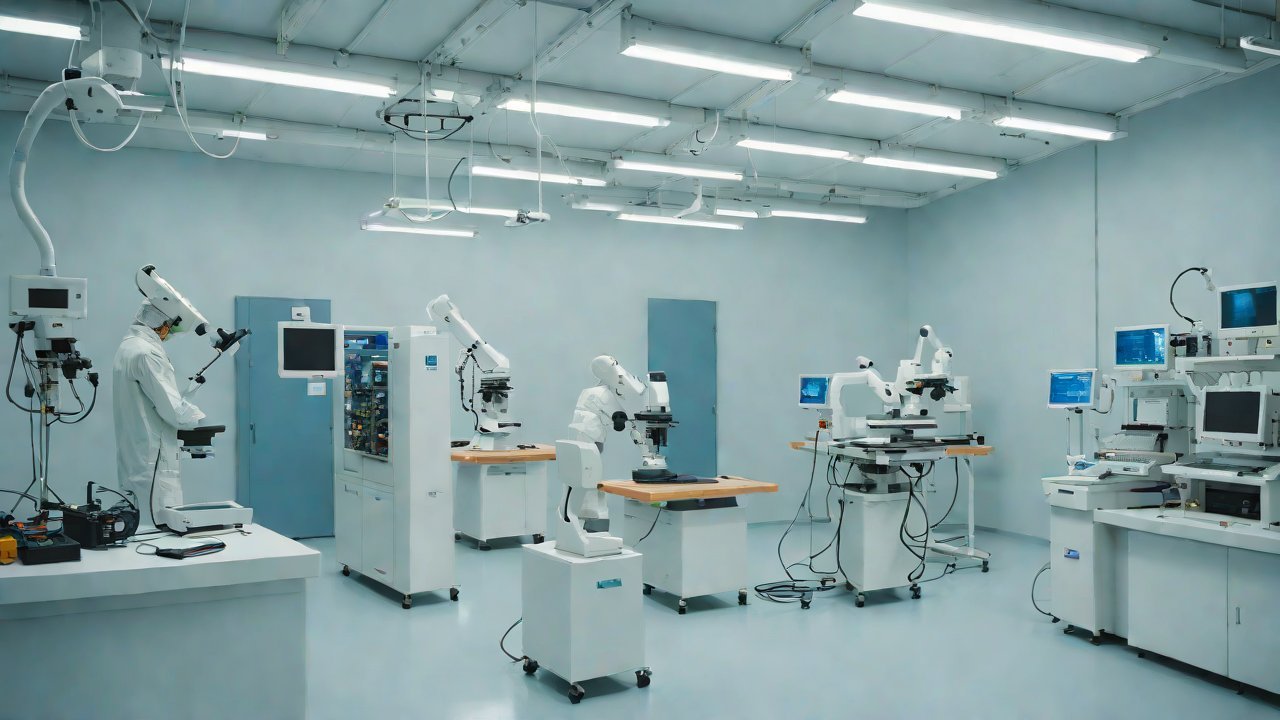
Single-molecule-level sensors operate on the principle of nanomechanics, where the detection of contaminants is facilitated by the interaction between the sensor and the target molecule. This interaction causes a measurable change in the sensor’s mechanical or electrical properties, which can be used to infer the presence and identity of the contaminant. The technical underpinnings of these sensors are rooted in advanced nanotechnology, including nanofabrication, nanoelectronics, and nanomechanics.
Figure 1: Schematic Representation of a Single-Molecule-Level Sensor
[Insert diagram of a single-molecule-level sensor]
4. Market Analysis: Adoption and Implementation
While single-molecule-level sensors hold tremendous promise for detecting microscopic contamination, their adoption and implementation in chip manufacturing have been slow. Several factors contribute to this hesitation, including the high cost of development and integration, the need for significant process modifications, and the lack of clear standards and guidelines for implementation. However, as the industry continues to grapple with the challenges of contamination, single-molecule-level sensors are poised to play a critical role in the future of chip manufacturing.
Table 3: Market Drivers and Challenges for Single-Molecule-Level Sensors in Chip Manufacturing
| Driver/Challenge | Description |
|---|---|
| Market driver: Increasing demand for high-purity materials | Growing need for contamination-free products |
| Market challenge: High development and integration costs | Barrier to adoption for smaller manufacturers |
| Market challenge: Lack of clear standards and guidelines | Need for industry-wide consensus and regulation |
5. Conclusion: Single-Molecule-Level Sensors as a Solution to Microscopic Contamination
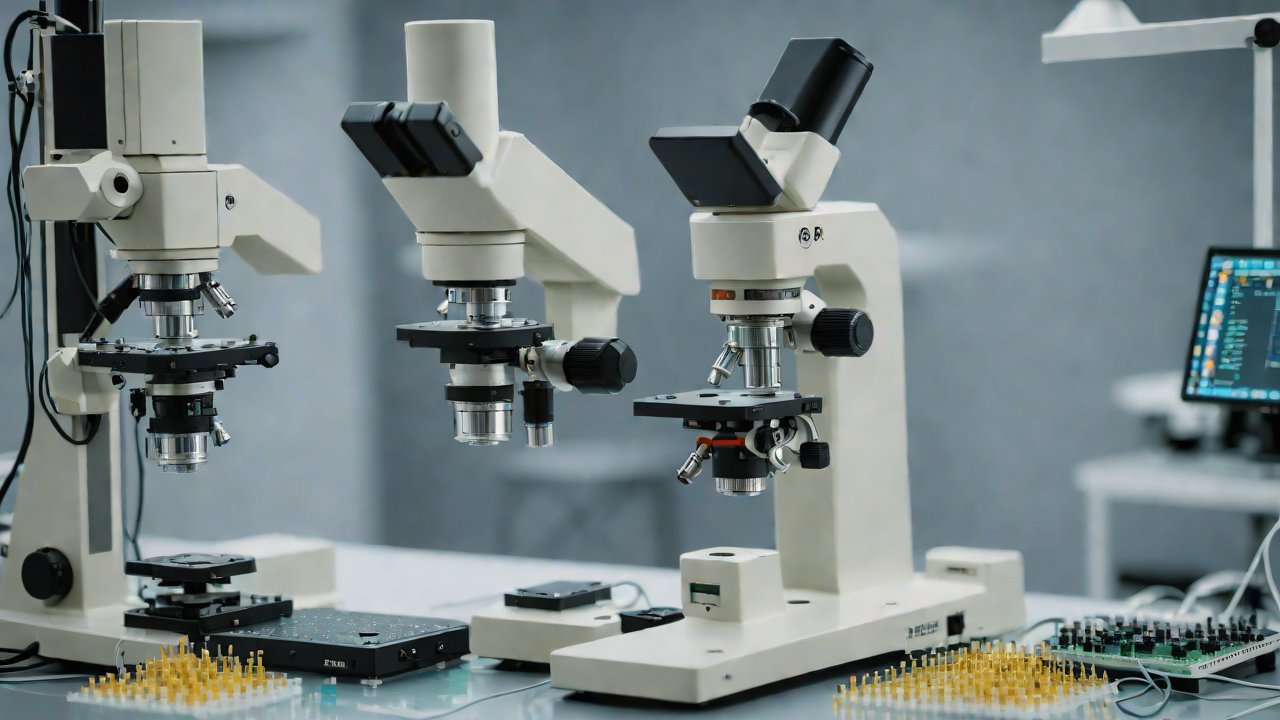
In conclusion, single-molecule-level sensors have the potential to revolutionize the detection and mitigation of microscopic contamination in chip manufacturing. By leveraging advanced nanotechnology and nanomechanics, these devices can detect contaminants at the molecular level, enabling real-time monitoring and corrective action. While challenges remain, including high development and integration costs, the benefits of single-molecule-level sensors far outweigh the drawbacks. As the industry continues to evolve, it is clear that these cutting-edge devices will play a critical role in ensuring the purity and integrity of chip products.
Table 4: Future Outlook for Single-Molecule-Level Sensors in Chip Manufacturing
| Prediction | Description |
|---|---|
| Increased adoption: 20% CAGR | Growing demand for high-purity materials drives market growth |
| Improved standardization: 2025 | Industry-wide consensus and regulation facilitate widespread adoption |
| Enhanced capabilities: 2030 | Advances in nanotechnology enable more sensitive and specific sensors |
IOT Cloud Platform
IOT Cloud Platform is an IoT portal established by a Chinese IoT company, focusing on technical solutions in the fields of agricultural IoT, industrial IoT, medical IoT, security IoT, military IoT, meteorological IoT, consumer IoT, automotive IoT, commercial IoT, infrastructure IoT, smart warehousing and logistics, smart home, smart city, smart healthcare, smart lighting, etc.
The IoT Cloud Platform blog is a top IoT technology stack, providing technical knowledge on IoT, robotics, artificial intelligence (generative artificial intelligence AIGC), edge computing, AR/VR, cloud computing, quantum computing, blockchain, smart surveillance cameras, drones, RFID tags, gateways, GPS, 3D printing, 4D printing, autonomous driving, etc.