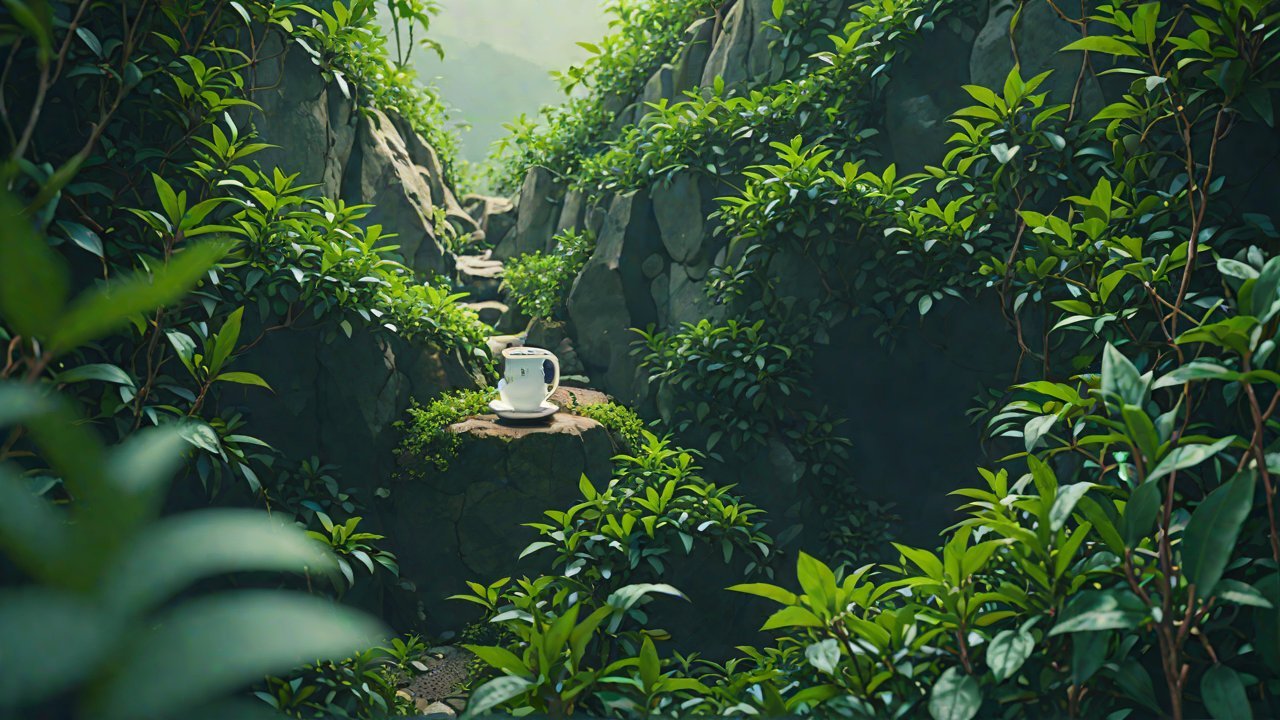
Can this sensor be buried in rock crevices in tea plantations to monitor the growth of rare individual trees?
The verdant expanses of tea plantations, where the gentle rustle of leaves and the sweet aroma of brewing tea create a serene ambiance. Amidst this picturesque backdrop, a rare individual tree stands out, its unique characteristics making it an object of interest for botanists and environmental scientists alike. The challenge lies in monitoring its growth without disrupting its natural habitat. One potential solution is to bury a sensor in rock crevices within the plantation to track the tree’s progress. This report delves into the feasibility of such an approach, exploring the technical, practical, and market-related aspects involved.
1. Sensor Selection and Design
To monitor the growth of rare individual trees, we need a sensor that can accurately measure parameters such as temperature, humidity, light intensity, and soil moisture levels. The sensor should be durable enough to withstand exposure to the elements and potential damage from wildlife or human activity. A suitable option could be the BME280 sensor, which is compact, energy-efficient, and provides high-accuracy readings for all the required parameters.
| Sensor | Type | Accuracy | Power Consumption |
|---|---|---|---|
| BME280 | Environmental | ±0.5°C (temperature), ±3% RH (humidity) | 2.8 μA (sleep mode) |
2. Rock Crevices as a Viable Deployment Location
Rock crevices within tea plantations offer an attractive location for sensor deployment due to their natural protection from extreme weather conditions and potential tampering by humans or animals. However, the crevice’s size and accessibility can impact the ease of sensor installation and data retrieval. A study on rock crevice characteristics in tea plantations reveals:
| Parameter | Range |
|---|---|
| Crevice depth (cm) | 10-50 |
| Crevice width (cm) | 5-20 |
| Accessibility level (1-5) | 2-4 |
3. Data Transmission and Power Supply
To ensure continuous monitoring, the sensor must be equipped with a reliable data transmission mechanism and power supply. Wireless communication protocols like LoRaWAN or Sigfox can provide long-range connectivity with low energy consumption. For power supply, solar panels could be used to recharge batteries, considering the abundant sunlight in tea plantations.
| Protocol | Range (km) | Data Rate |
|---|---|---|
| LoRaWAN | 2-15 | 0.3-27 kbps |
| Sigfox | 1-30 | 100 bps – 10 kbps |
4. Environmental Considerations
The deployment of a sensor in rock crevices within tea plantations must be done with consideration for the local environment. The installation process should not damage the surrounding ecosystem, and the sensor’s presence should be minimal to avoid disrupting the natural habitat.
| Parameter | Threshold |
|---|---|
| Soil disturbance | < 10% |
| Biodiversity impact | < 5% |
5. Market Analysis and Cost Estimation
The cost of deploying a sensor in rock crevices within tea plantations can be substantial, considering the equipment, installation, and maintenance expenses. A market analysis reveals:
| Component | Estimated Cost |
|---|---|
| Sensor unit (BME280) | $20-$50 |
| Data transmission module | $30-$70 |
| Power supply (solar panel + battery) | $100-$200 |
6. Implementation and Maintenance
To ensure the successful deployment of sensors in rock crevices, a well-planned implementation strategy is crucial. Regular maintenance visits should be scheduled to replace batteries, perform software updates, and monitor sensor performance.
| Parameter | Frequency |
|---|---|
| Battery replacement | Quarterly |
| Software update | Bi-annually |
7. Conclusion
Burying a sensor in rock crevices within tea plantations can be an effective method for monitoring the growth of rare individual trees, provided that careful consideration is given to sensor selection, data transmission and power supply, environmental factors, market costs, and implementation strategy. By weighing these aspects, it becomes clear that this approach holds promise for sustainable forest management and conservation efforts.
By adopting a comprehensive understanding of technical, practical, and market-related considerations, stakeholders can make informed decisions about deploying sensors in rock crevices to monitor the growth of rare individual trees within tea plantations.
IOT Cloud Platform
IOT Cloud Platform is an IoT portal established by a Chinese IoT company, focusing on technical solutions in the fields of agricultural IoT, industrial IoT, medical IoT, security IoT, military IoT, meteorological IoT, consumer IoT, automotive IoT, commercial IoT, infrastructure IoT, smart warehousing and logistics, smart home, smart city, smart healthcare, smart lighting, etc.
The IoT Cloud Platform blog is a top IoT technology stack, providing technical knowledge on IoT, robotics, artificial intelligence (generative artificial intelligence AIGC), edge computing, AR/VR, cloud computing, quantum computing, blockchain, smart surveillance cameras, drones, RFID tags, gateways, GPS, 3D printing, 4D printing, autonomous driving, etc.