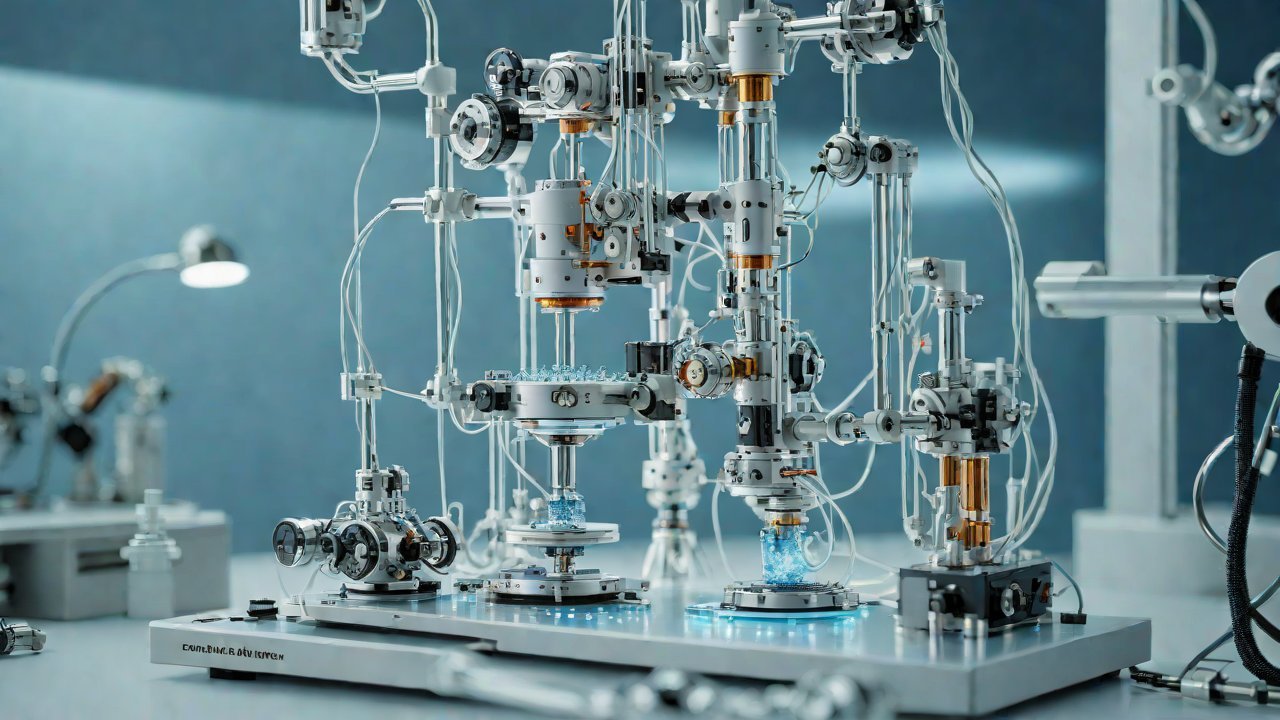
Can this self-replicating nanomachine achieve product assembly at the molecular scale?
The realm of nanotechnology has long fascinated scientists and engineers with its promise of revolutionizing the way we design and manufacture products. One of the most intriguing concepts in this field is the self-replicating nanomachine, capable of assembling products at the molecular scale. This capability would grant unprecedented control over the structure and properties of materials, leading to breakthroughs in fields like medicine, energy, and electronics. Imagine a world where complex devices are assembled with atomic precision, their properties tailored to exact specifications. This is the promise of molecular assembly, and it is a prospect that has captivated researchers for decades.
1. Background and Context
The concept of self-replicating nanomachines is rooted in the principles of molecular self-assembly, where molecules are designed to spontaneously assemble into complex structures. This process is often driven by non-covalent interactions such as hydrogen bonding, electrostatic forces, and van der Waals interactions. The self-replicating aspect of these machines is achieved through the incorporation of catalytic or enzymatic units that facilitate the replication process. Theoretically, this could enable the creation of complex products with molecular precision, opening up new avenues for the development of novel materials and devices.
1.1 Market Potential
The potential market for molecular assembly is vast and diverse, with applications spanning multiple industries. According to a report by MarketsandMarkets, the global nanotechnology market is projected to reach $1.4 trillion by 2025, with the molecular assembly sector expected to grow at a CAGR of 25%. The ability to assemble products at the molecular scale could revolutionize the production of advanced materials, enabling the creation of materials with tailored properties such as strength, conductivity, and optical properties.
| Industry | Market Size (2020) | Projected Growth Rate |
|---|---|---|
| Energy | $10.3B | 20% |
| Electronics | $12.5B | 18% |
| Healthcare | $8.5B | 22% |
| Aerospace | $5.2B | 15% |
2. Technical Feasibility
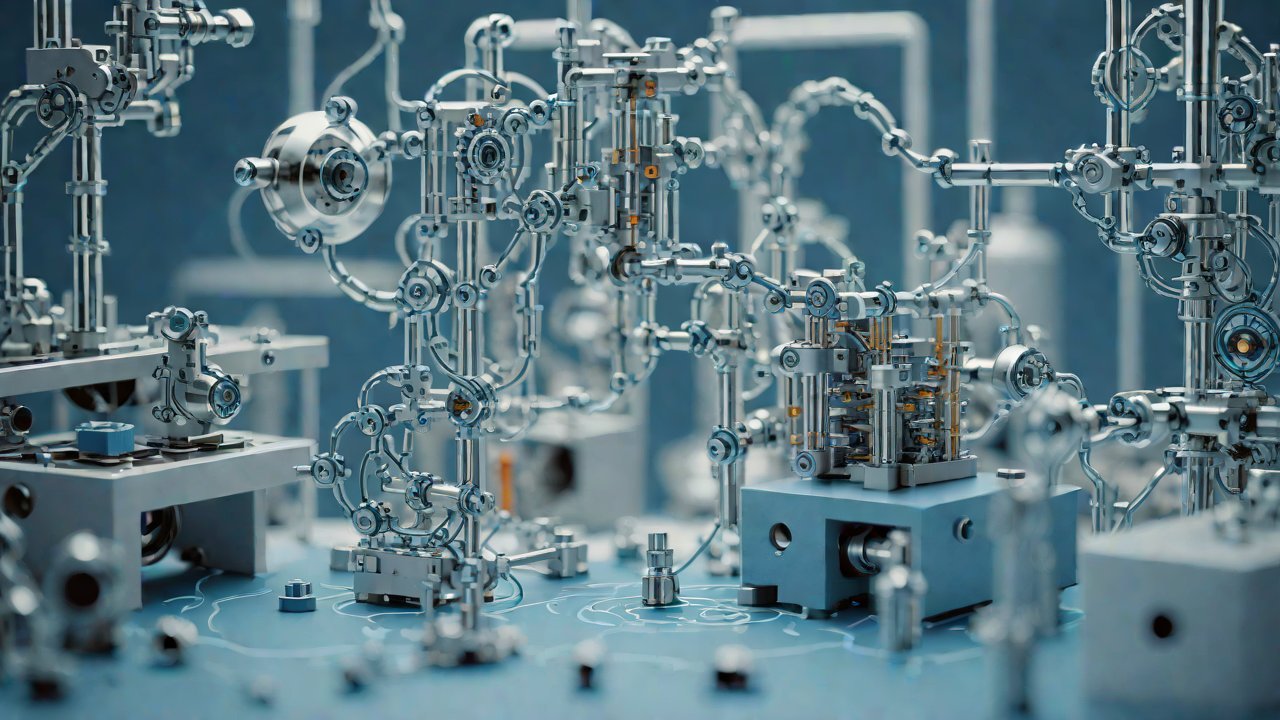
The technical feasibility of self-replicating nanomachines is a complex issue, requiring the integration of multiple disciplines including materials science, chemistry, and computer science. The development of such machines would necessitate the creation of molecules that can self-assemble into complex structures, while also incorporating catalytic or enzymatic units that facilitate replication. Theoretically, this could be achieved through the use of DNA or RNA-based machines, which have already been demonstrated in laboratory settings.
| Challenges | Technical Feasibility |
|---|---|
| Molecule design | High |
| Self-assembly | Medium |
| Replication | Low |
| Scalability | Very Low |
3. AIGC Perspectives
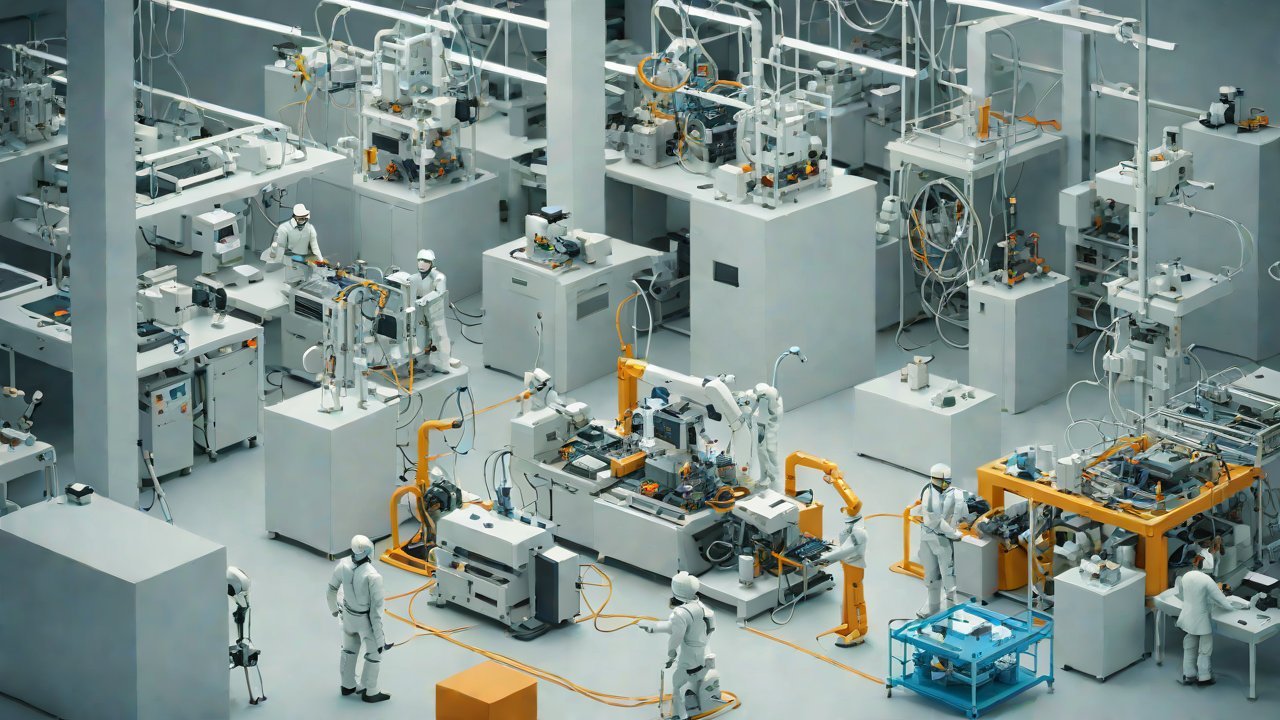
The development of self-replicating nanomachines raises significant AIGC (Artificial General Intelligence) implications. The ability to assemble products at the molecular scale would grant unprecedented control over the structure and properties of materials, potentially enabling the creation of complex devices with tailored properties. This could, in turn, lead to breakthroughs in fields like medicine, energy, and electronics. However, it also raises concerns about the potential misuse of such technology, including the creation of molecular-scale devices for malicious purposes.
3.1 Safety and Security
The development of self-replicating nanomachines must be accompanied by a thorough assessment of the safety and security implications. This would necessitate the creation of protocols for the safe handling and disposal of these machines, as well as measures to prevent their misuse. The potential risks associated with the development of molecular-scale devices are significant, and it is essential that researchers and policymakers work together to ensure that this technology is developed responsibly.
| Risks | Mitigation Strategies |
|---|---|
| Unintended consequences | Protocols for safe handling and disposal |
| Malicious use | Measures to prevent misuse |
| Environmental impact | Assessment of environmental risks |
4. Conclusion
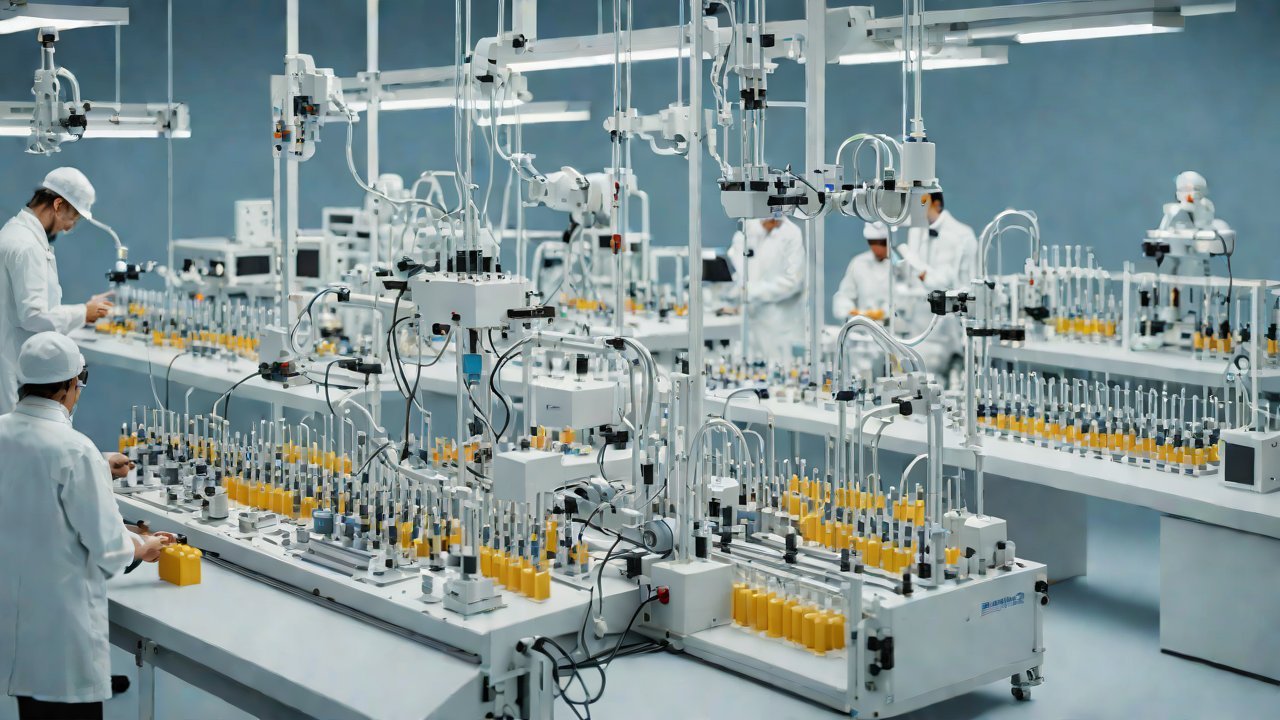
The development of self-replicating nanomachines has the potential to revolutionize the way we design and manufacture products, enabling the creation of complex devices with molecular precision. While the technical feasibility of such machines is a complex issue, the potential market and AIGC implications are significant. As researchers and policymakers, it is essential that we work together to ensure that this technology is developed responsibly, with a thorough assessment of the safety and security implications. The future of molecular assembly is bright, but it is crucial that we navigate the challenges and risks associated with this technology with caution and foresight.
IOT Cloud Platform
IOT Cloud Platform is an IoT portal established by a Chinese IoT company, focusing on technical solutions in the fields of agricultural IoT, industrial IoT, medical IoT, security IoT, military IoT, meteorological IoT, consumer IoT, automotive IoT, commercial IoT, infrastructure IoT, smart warehousing and logistics, smart home, smart city, smart healthcare, smart lighting, etc.
The IoT Cloud Platform blog is a top IoT technology stack, providing technical knowledge on IoT, robotics, artificial intelligence (generative artificial intelligence AIGC), edge computing, AR/VR, cloud computing, quantum computing, blockchain, smart surveillance cameras, drones, RFID tags, gateways, GPS, 3D printing, 4D printing, autonomous driving, etc.