Can this self-powered nanopaper sensor be scattered across deserts like leaflets?
The self-powered nanopaper sensor is a marvel of modern technology, a testament to human ingenuity in the pursuit of innovation. This tiny, yet powerful, device has the potential to revolutionize the way we monitor and analyze environmental conditions, from detecting pollutants in waterways to tracking the health of crops in vast agricultural expanses. But can it be scattered across deserts like leaflets, a feat that would require not only the sensor’s ability to withstand the harsh conditions of the desert environment but also the logistical challenges of deployment on a large scale?
1. Background and Technical Overview
The self-powered nanopaper sensor is a type of flexible, transparent, and ultra-thin sensor made from a paper-like material infused with nanoparticles. These nanoparticles are typically made from materials such as silver or gold, which have high electrical conductivity. When exposed to environmental stimuli, such as temperature, humidity, or gas concentrations, the nanoparticles undergo changes in their electrical properties, allowing the sensor to detect and respond to its surroundings.
The sensor’s self-powered nature is due to its ability to harness energy from its environment, such as solar radiation or thermal gradients, to generate electrical signals. This eliminates the need for external power sources, making the sensor ideal for use in remote or hard-to-reach areas.
| Sensor Properties | Description |
|---|---|
| Thickness | Ultra-thin, < 100 μm |
| Flexibility | High, can be bent and folded without damage |
| Transparency | High, can be used in optically transparent applications |
| Power Source | Self-powered, harnesses energy from environment |
2. Desert Environment and Deployment Challenges
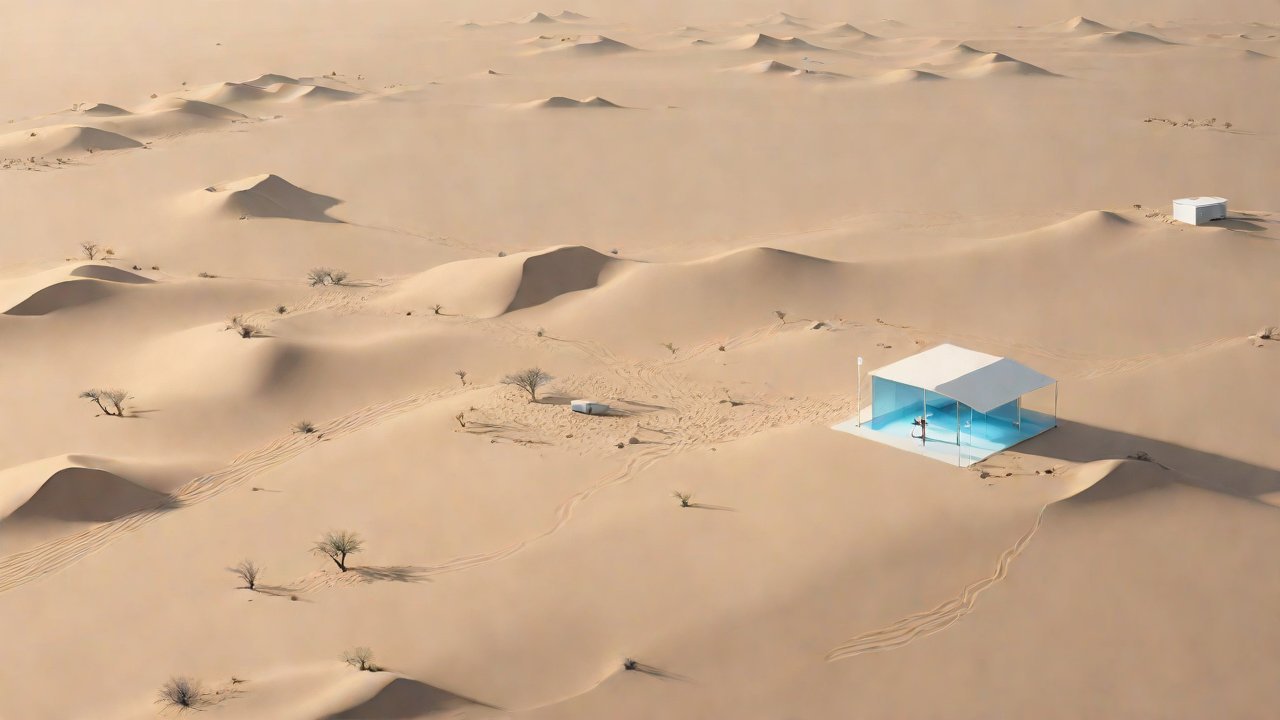
Scattering self-powered nanopaper sensors across deserts like leaflets poses several challenges:

- Temperature Extremes: Deserts can reach temperatures of up to 120°C (248°F) during the day and drop to -20°C (-4°F) at night, which can damage the sensor’s electronics and nanoparticles.
- Humidity: Deserts are typically arid environments, but sudden sandstorms or rain showers can expose the sensors to high humidity, which can affect their performance.
- Wind and Sand: Strong winds can dislodge or damage the sensors, while sand can accumulate on their surface, reducing their sensitivity and accuracy.
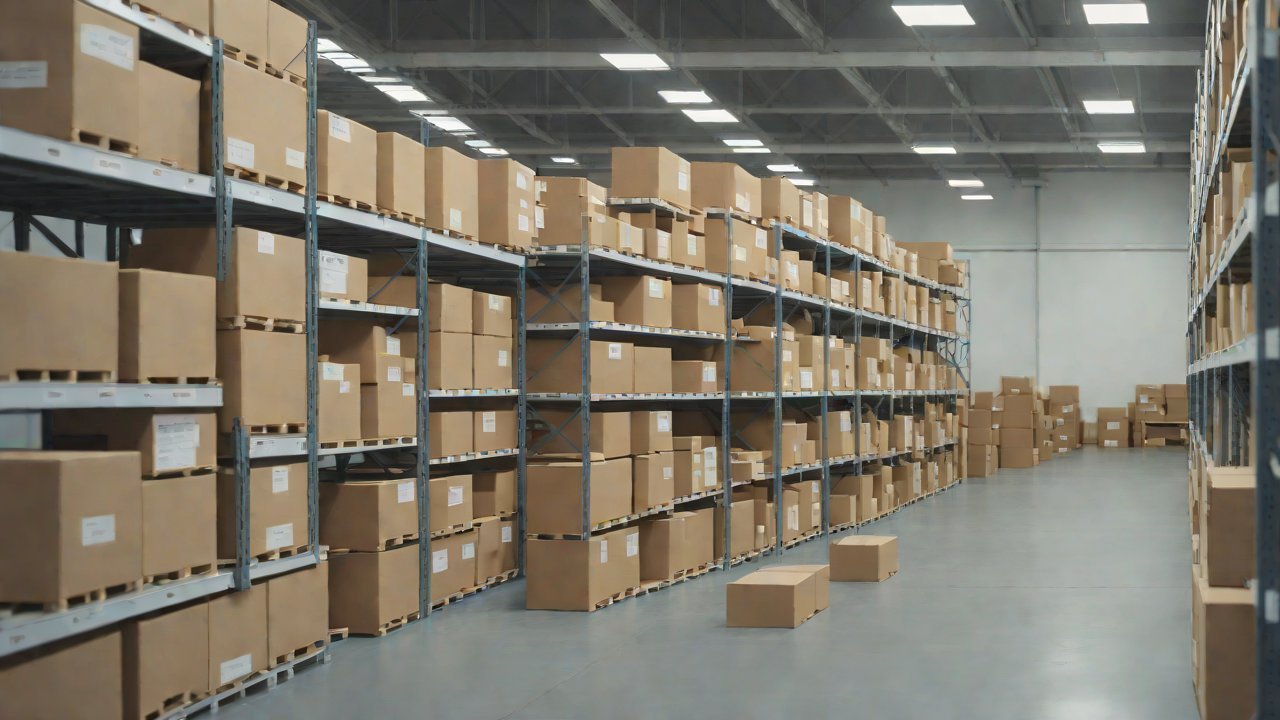
- Logistics: Deploying sensors across vast desert expanses requires a sophisticated logistics system, including transportation, storage, and maintenance.
| Desert Environment Parameters | Typical Values |
|---|---|
| Temperature | 120°C (248°F) (day), -20°C (-4°F) (night) |
| Humidity | 10% – 20% (arid) |
| Wind Speed | 50 km/h – 100 km/h (31 mph – 62 mph) |
| Sand Accumulation | 1 mm – 10 mm (0.04 in – 0.4 in) per year |
3. Market Analysis and Potential Applications
The self-powered nanopaper sensor has several potential applications in various markets:
- Environmental Monitoring: Detecting pollutants in waterways, tracking air quality, and monitoring soil health.
- Agriculture: Tracking crop health, detecting pests and diseases, and monitoring soil moisture.
- Industrial: Monitoring temperature, humidity, and gas concentrations in industrial settings.
- Military: Detecting chemical and biological agents, tracking troop movements, and monitoring environmental conditions.
| Market | Potential Applications |
|---|---|
| Environmental Monitoring | Pollutant detection, air quality monitoring, soil health tracking |
| Agriculture | Crop health monitoring, pest and disease detection, soil moisture tracking |
| Industrial | Temperature, humidity, and gas concentration monitoring |
| Military | Chemical and biological agent detection, troop movement tracking, environmental condition monitoring |

4. Technical Feasibility and Challenges
While the self-powered nanopaper sensor has shown promise in various applications, its deployment in desert environments poses several technical challenges:
- Sensor Design: Developing sensors that can withstand temperature extremes, humidity fluctuations, and wind and sand exposure.
- Power Harvesting: Optimizing power harvesting mechanisms to generate sufficient energy from environmental sources.
- Communication: Developing wireless communication systems to transmit data from sensors to a central hub.
| Technical Challenges | Description |
|---|---|
| Sensor Design | Developing sensors that can withstand desert environment extremes |
| Power Harvesting | Optimizing power harvesting mechanisms to generate sufficient energy |
| Communication | Developing wireless communication systems to transmit data |
5. Conclusion
The self-powered nanopaper sensor has the potential to revolutionize the way we monitor and analyze environmental conditions. However, its deployment in desert environments poses several technical and logistical challenges. Further research and development are needed to overcome these challenges and make the sensor suitable for widespread use in desert environments.
IOT Cloud Platform
IOT Cloud Platform is an IoT portal established by a Chinese IoT company, focusing on technical solutions in the fields of agricultural IoT, industrial IoT, medical IoT, security IoT, military IoT, meteorological IoT, consumer IoT, automotive IoT, commercial IoT, infrastructure IoT, smart warehousing and logistics, smart home, smart city, smart healthcare, smart lighting, etc.
The IoT Cloud Platform blog is a top IoT technology stack, providing technical knowledge on IoT, robotics, artificial intelligence (generative artificial intelligence AIGC), edge computing, AR/VR, cloud computing, quantum computing, blockchain, smart surveillance cameras, drones, RFID tags, gateways, GPS, 3D printing, 4D printing, autonomous driving, etc.