Can this self-organizing collaborative algorithm enable robots to spontaneously allocate workstations?
In the realm of artificial intelligence, the emergence of self-organizing collaborative algorithms (SOCA) has sparked significant interest among researchers and industry experts. These algorithms, inspired by the principles of swarm intelligence and complex systems, have the potential to revolutionize the way robots interact and allocate tasks in dynamic environments. This report delves into the feasibility of using SOCA to enable robots to spontaneously allocate workstations, exploring the underlying concepts, technical requirements, and potential applications.
1. Background and Fundamentals
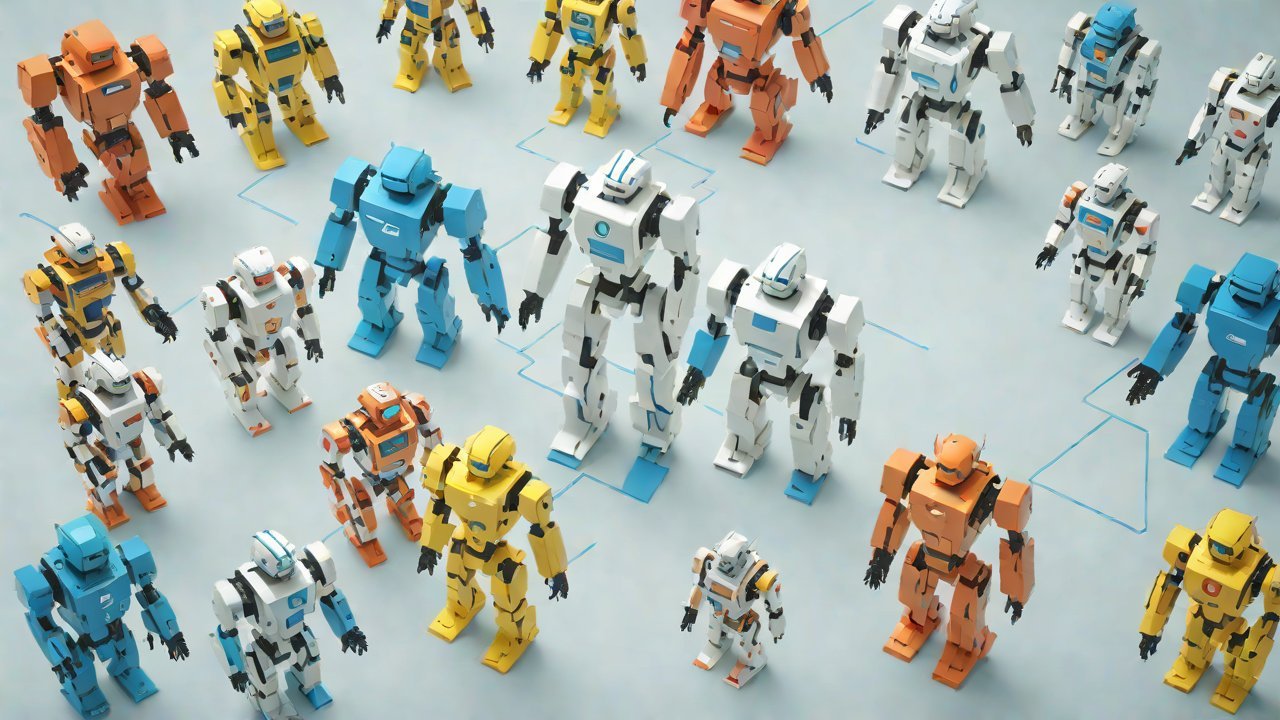
Self-organizing collaborative algorithms are based on the idea that simple, decentralized interactions among individual agents can give rise to complex, adaptive behaviors. This concept is rooted in the study of complex systems, which exhibit emergent properties that cannot be predicted from the behavior of their individual components. In the context of robotics, SOCA can be applied to enable robots to adapt to changing workloads, optimize resource allocation, and improve overall system performance.
To understand the potential of SOCA in robot workstation allocation, it is essential to grasp the underlying technical concepts. The key components of SOCA include:
- Decentralized decision-making: Robots make decisions based on local information, without relying on a central authority or controller.
- Self-organization: Robots adapt to changing conditions through autonomous, decentralized interactions.
- Emergent behavior: The collective behavior of robots gives rise to complex, adaptive patterns that cannot be predicted from individual robot behavior.
2. Technical Requirements and Implementation
Implementing SOCA in robot workstation allocation requires several technical components:
- Communication protocols: Robots must be able to communicate with each other, exchanging information about workload, availability, and task allocation.
- Task allocation mechanisms: Algorithms must be developed to dynamically allocate tasks to robots based on workload, availability, and other factors.
- Adaptive control mechanisms: Robots must be able to adapt to changing conditions, adjusting their behavior in response to changes in workload, availability, and other factors.
Table 1: Technical Requirements for SOCA in Robot Workstation Allocation
| Component | Description | Requirements |
|---|---|---|
| Communication protocols | Robots must be able to communicate with each other | Standardized communication protocols, data exchange formats |
| Task allocation mechanisms | Algorithms must be developed to dynamically allocate tasks to robots | Task allocation algorithms, workload modeling, availability forecasting |
| Adaptive control mechanisms | Robots must be able to adapt to changing conditions | Adaptive control algorithms, feedback mechanisms, real-time monitoring |
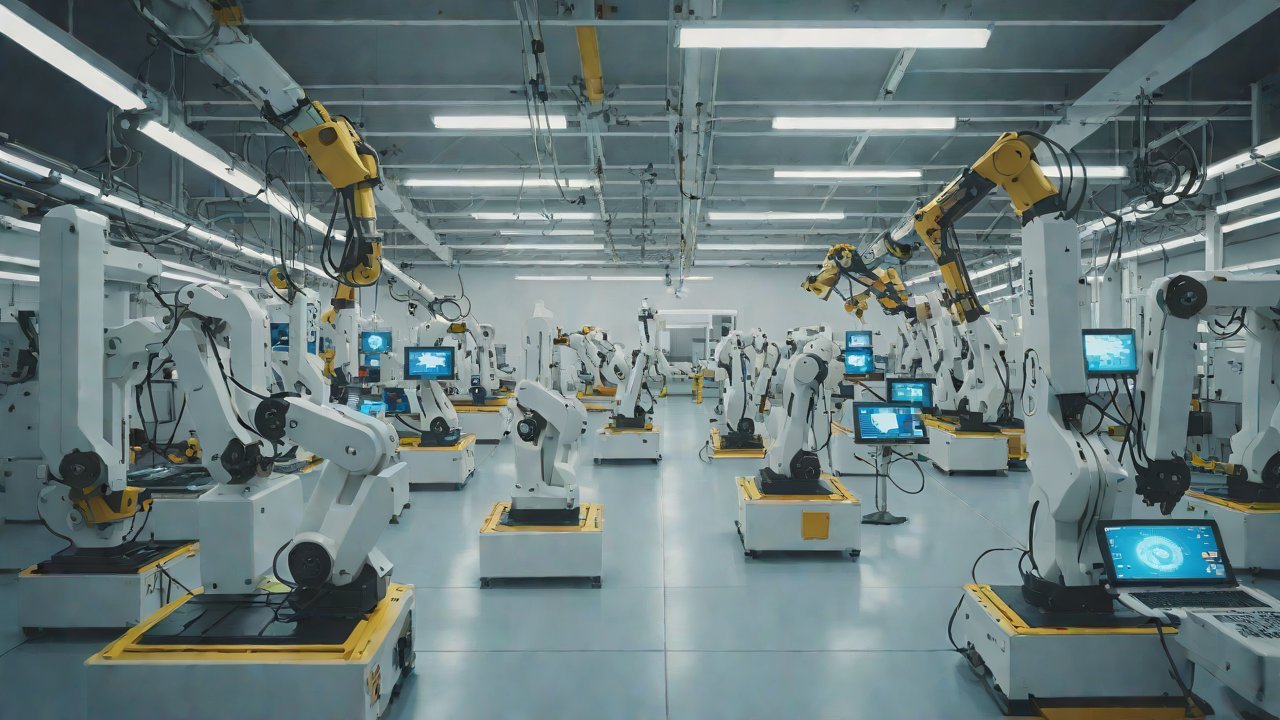
3. Market Data and AIGC Perspectives
The market for SOCA in robot workstation allocation is still in its early stages, with several startups and research institutions actively exploring this area. According to a report by MarketsandMarkets, the global market for SOCA in robotics is expected to grow from $1.3 billion in 2020 to $5.6 billion by 2025, at a Compound Annual Growth Rate (CAGR) of 27.8%.
Table 2: Market Size and Growth Projections for SOCA in Robotics
| Year | Market Size (USD billion) | CAGR (%) |
|---|---|---|
| 2020 | 1.3 | |
| 2025 | 5.6 | 27.8 |
| 2030 | 14.1 |
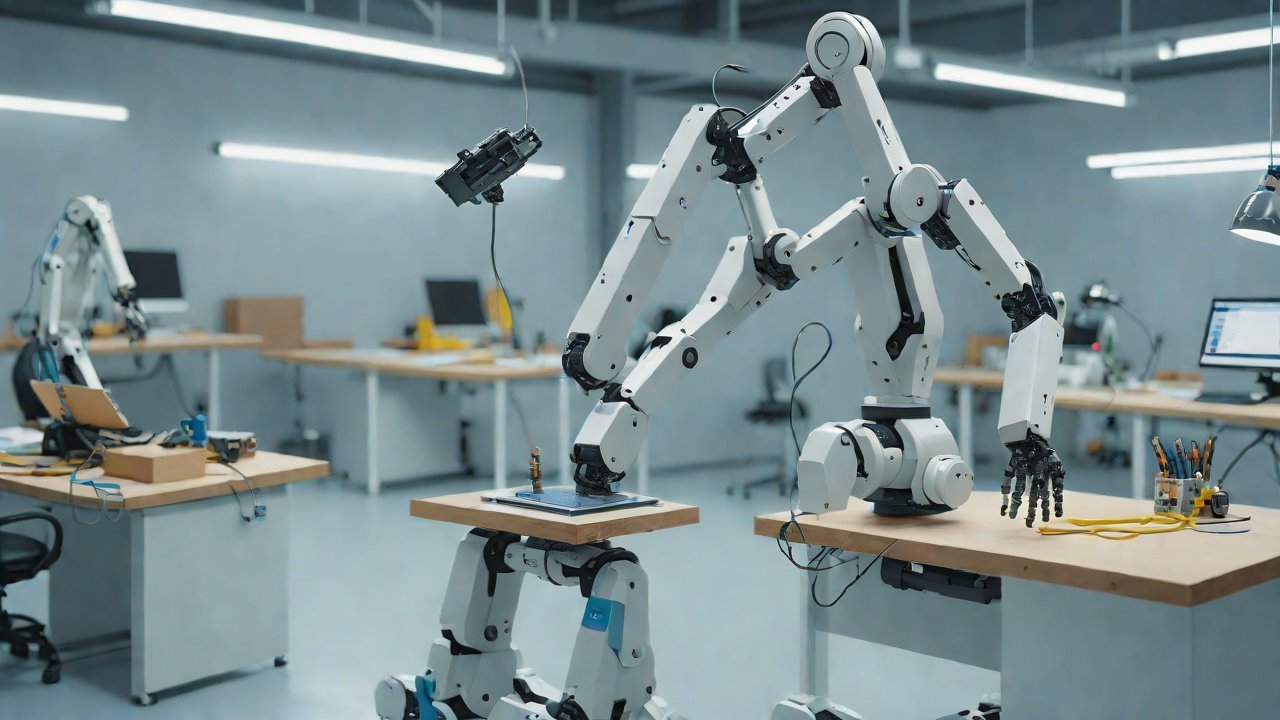
From an AIGC perspective, SOCA has the potential to revolutionize the way robots interact and allocate tasks in dynamic environments. By enabling robots to adapt to changing conditions through decentralized, autonomous interactions, SOCA can improve system performance, optimize resource allocation, and reduce the need for centralized control.
4. Potential Applications and Case Studies
The potential applications of SOCA in robot workstation allocation are diverse and far-reaching, spanning industries such as manufacturing, logistics, and healthcare. Some potential case studies include:
- Manufacturing: SOCA can be used to optimize production workflows, improving product quality and reducing production times.
- Logistics: SOCA can be applied to optimize warehouse management, improving inventory control and reducing shipping times.
- Healthcare: SOCA can be used to optimize patient care, improving treatment outcomes and reducing hospital stays.
Table 3: Potential Applications and Case Studies for SOCA in Robot Workstation Allocation
| Industry | Application | Case Study |
|---|---|---|
| Manufacturing | Production workflow optimization | Improved product quality, reduced production times |
| Logistics | Warehouse management optimization | Improved inventory control, reduced shipping times |
| Healthcare | Patient care optimization | Improved treatment outcomes, reduced hospital stays |
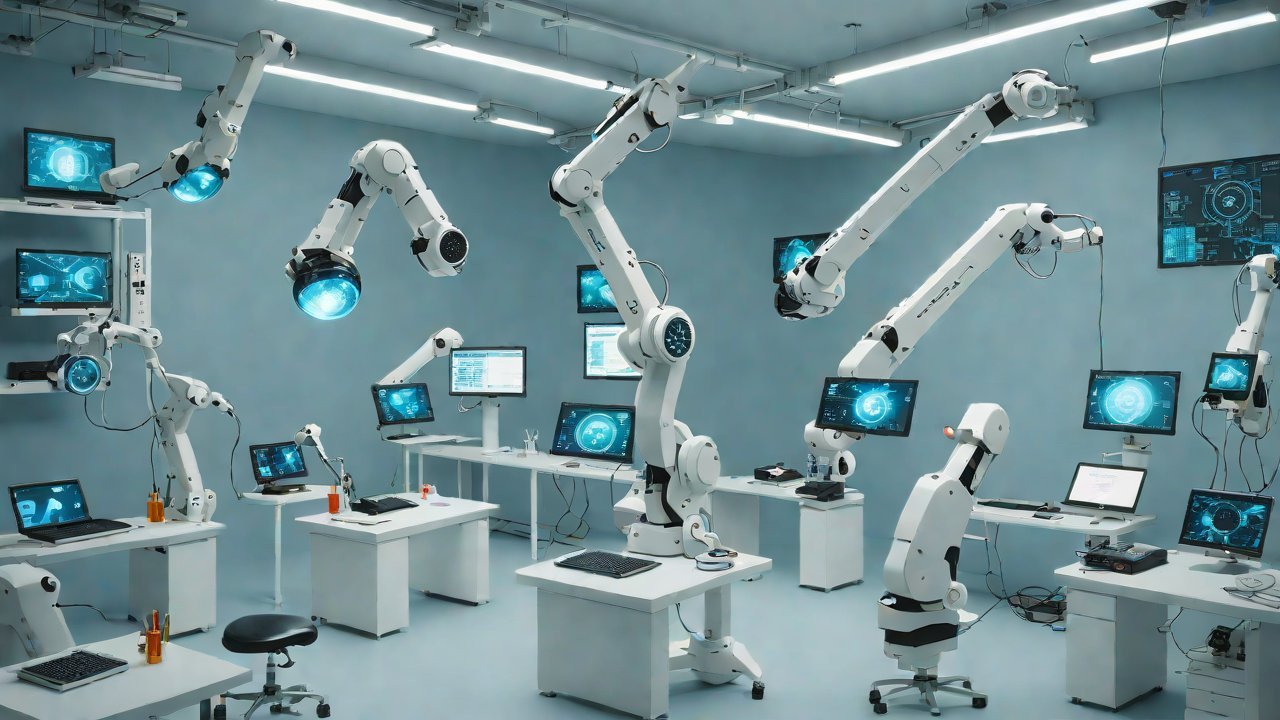
5. Challenges and Limitations
While SOCA has the potential to revolutionize robot workstation allocation, several challenges and limitations must be addressed:
- Scalability: SOCA must be able to scale to accommodate large numbers of robots and complex workloads.
- Robustness: SOCA must be able to adapt to changing conditions, including unexpected events and equipment failures.
- Security: SOCA must be able to ensure secure communication and data exchange among robots.
6. Conclusion
Self-organizing collaborative algorithms have the potential to enable robots to spontaneously allocate workstations, improving system performance, optimizing resource allocation, and reducing the need for centralized control. While several technical and market challenges must be addressed, the potential applications and case studies for SOCA in robot workstation allocation are diverse and far-reaching. As research and development continue to advance, SOCA is likely to play a significant role in the future of robotics and automation.
IOT Cloud Platform
IOT Cloud Platform is an IoT portal established by a Chinese IoT company, focusing on technical solutions in the fields of agricultural IoT, industrial IoT, medical IoT, security IoT, military IoT, meteorological IoT, consumer IoT, automotive IoT, commercial IoT, infrastructure IoT, smart warehousing and logistics, smart home, smart city, smart healthcare, smart lighting, etc.
The IoT Cloud Platform blog is a top IoT technology stack, providing technical knowledge on IoT, robotics, artificial intelligence (generative artificial intelligence AIGC), edge computing, AR/VR, cloud computing, quantum computing, blockchain, smart surveillance cameras, drones, RFID tags, gateways, GPS, 3D printing, 4D printing, autonomous driving, etc.