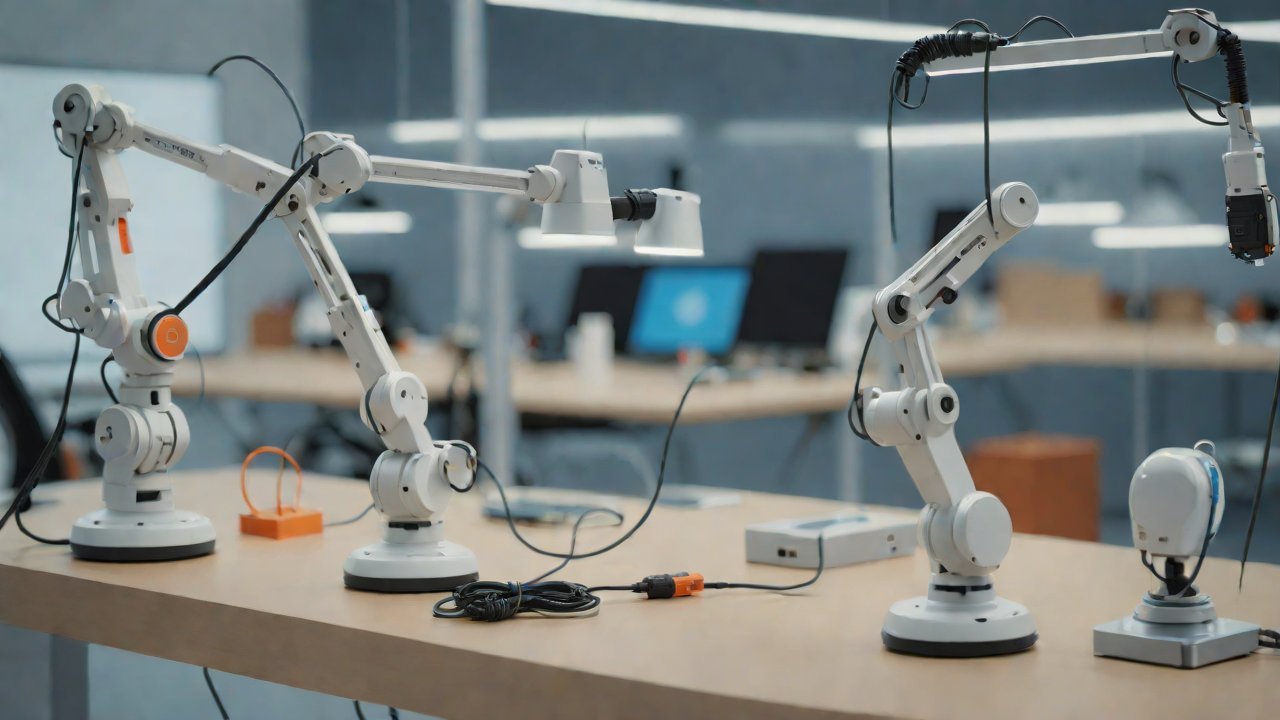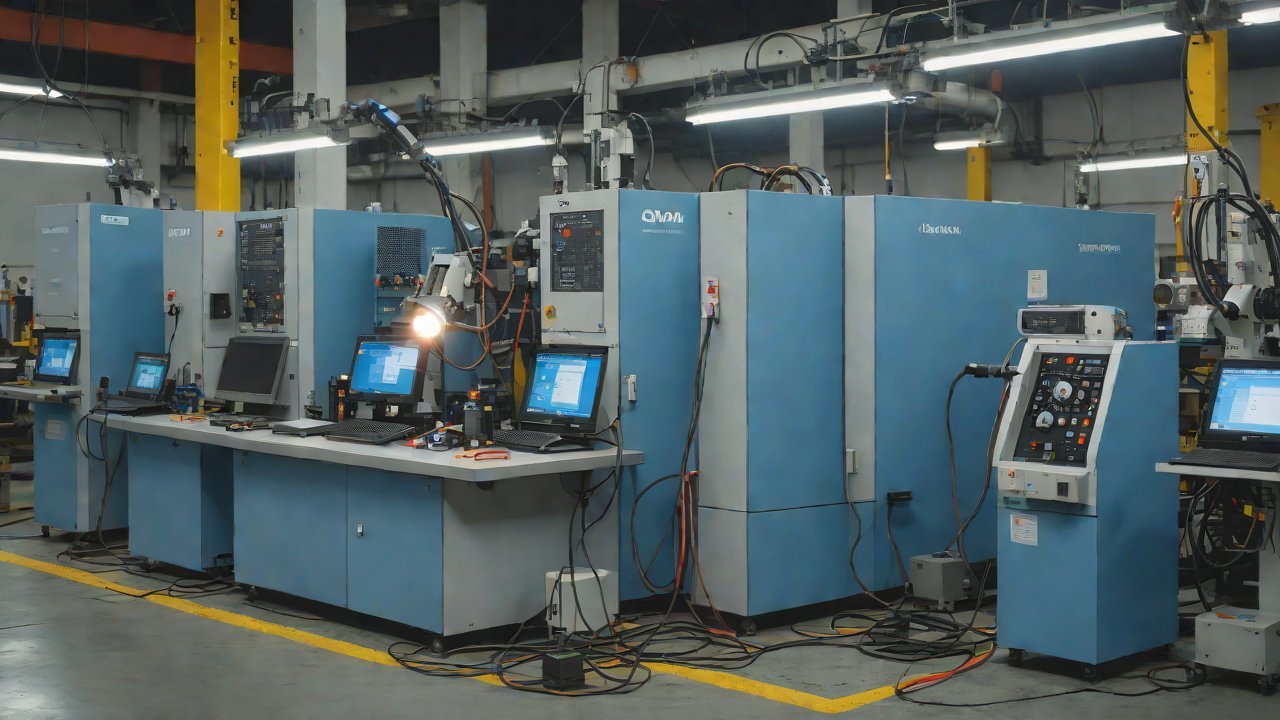
Can this programmable logic controller (PLC) run Python directly?
Programmable logic controllers (PLCs) have been a cornerstone of industrial automation for decades, providing a reliable and efficient means of controlling and monitoring industrial processes. However, with the increasing demand for flexibility and adaptability in modern manufacturing environments, there is a growing interest in exploring alternative programming languages that can be executed directly on PLCs. One such language that has gained significant attention is Python, widely recognized for its simplicity, readability, and versatility. In this report, we will delve into the feasibility of running Python directly on a programmable logic controller (PLC), examining the technical requirements, available options, and potential benefits.
1. Overview of Programmable Logic Controllers (PLCs)
A PLC is an industrial computer that uses programmable memory to store user programs, which can be written in various programming languages such as Ladder Diagrams (LD), Function Block Diagrams (FBD), Structured Text (ST), and others. PLCs are designed to operate in harsh industrial environments, providing a high level of reliability, scalability, and fault tolerance. They are used extensively in various industries, including manufacturing, process control, oil and gas, power generation, and water treatment.
1.1 PLC Architecture
A typical PLC consists of the following components:
| Component | Description |
|---|---|
| Microcontroller | Performs arithmetic and logical operations, executes user programs, and controls I/O interfaces |
| Memory | Stores user programs, data, and configuration settings |
| Power Supply | Provides power to the PLC and connected devices |
| Input/Output (I/O) Modules | Connects PLC to external devices, such as sensors, actuators, and other systems |
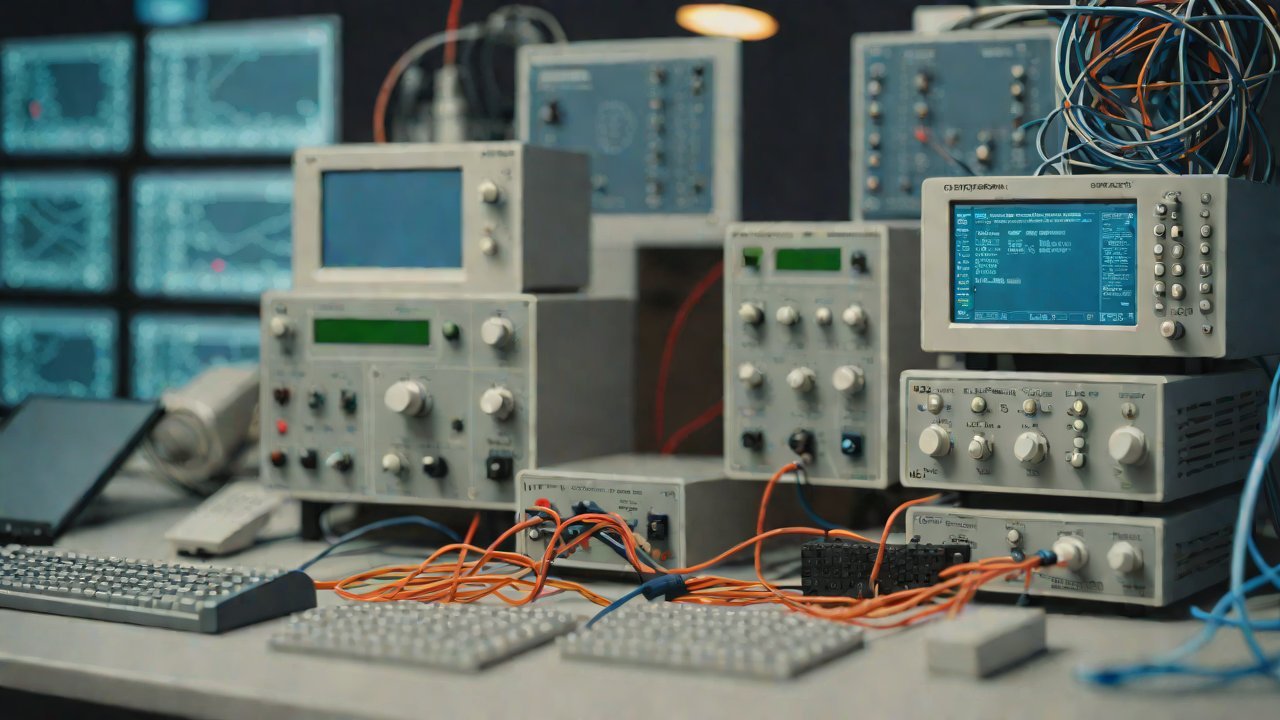
2. Running Python on a PLC: Technical Considerations
To run Python directly on a PLC, several technical considerations must be taken into account:
2.1 Memory Requirements
PLCs typically have limited memory capacity compared to general-purpose computers. This presents a challenge for executing Python programs, which require significant memory resources.
2.2 Processing Power
PLCs are designed for real-time control applications and often have slower processing speeds than general-purpose computers.
3. Available Options for Running Python on a PLC
Several options exist for running Python on a PLC:
3.1 Python-to-PLC Compilers
Companies like Systec, PTC, and Schneider Electric offer Python-to-PLC compilers that translate Python code into PLC-specific programming languages.
| Company | Product Name | Supported PLCs |
|---|---|---|
| Systec | PySoft | Siemens Simatic S7-1200/1500/300/400 |
| PTC | ThingWorx | Various PLCs from Siemens, Allen-Bradley, and others |
| Schneider Electric | MatrikonOPC | Various PLCs from Siemens, Allen-Bradley, and others |
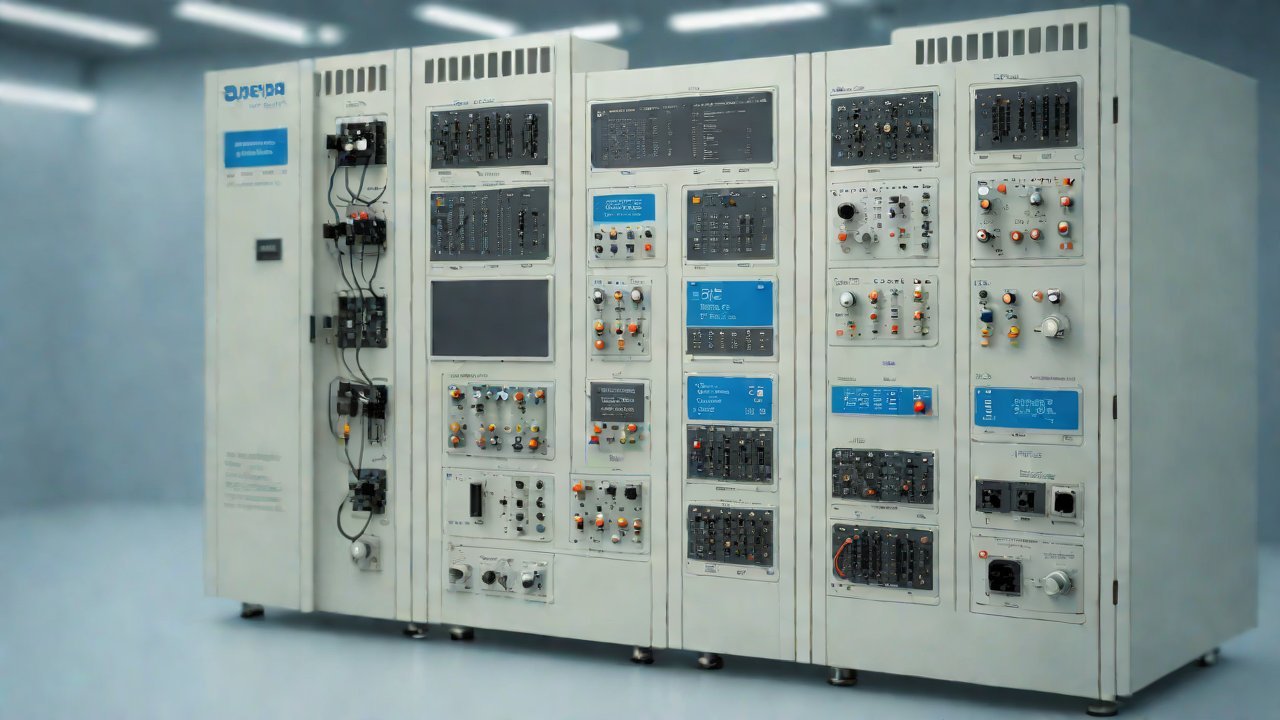
4. Benefits of Running Python on a PLC
Running Python directly on a PLC offers several benefits:
4.1 Improved Development Productivity
Python’s simplicity and readability enable developers to write and debug programs more efficiently.
4.2 Enhanced Flexibility
Python’s extensibility and large community of developers ensure that libraries and tools are available for various applications.
5. Case Studies: Real-World Applications
Several case studies demonstrate the successful implementation of Python on PLCs:
| Company | Application | Benefits |
|---|---|---|
| Siemens | Water Treatment Plant | Improved efficiency, reduced energy consumption |
| Schneider Electric | Power Generation | Enhanced real-time monitoring and control |
6. Challenges and Limitations
While running Python directly on a PLC offers many benefits, several challenges and limitations must be addressed:
6.1 Memory Constraints
PLCs have limited memory resources, which can lead to performance issues or even program crashes.
6.2 Processing Power
PLCs’ slower processing speeds may hinder the execution of complex Python programs.
7. Conclusion and Future Directions
Running Python directly on a PLC is technically feasible, with several options available for translation and compilation. While challenges remain, the benefits of improved development productivity, enhanced flexibility, and reduced costs make this approach an attractive option for industrial automation applications. As the demand for flexible and adaptable control systems continues to grow, we can expect further advancements in Python-to-PLC compilers and tools.
8. Recommendations
Based on our analysis, we recommend:
8.1 Evaluating PLC-specific Python-to-PLC compilers
Carefully assess the capabilities of available compilers and their compatibility with specific PLC models.
8.2 Testing and validation
Conduct thorough testing and validation to ensure that Python programs execute correctly and efficiently on the target PLC.
By following these recommendations, industrial automation professionals can successfully implement Python on PLCs, enhancing development productivity, flexibility, and overall system performance.
IOT Cloud Platform
IOT Cloud Platform is an IoT portal established by a Chinese IoT company, focusing on technical solutions in the fields of agricultural IoT, industrial IoT, medical IoT, security IoT, military IoT, meteorological IoT, consumer IoT, automotive IoT, commercial IoT, infrastructure IoT, smart warehousing and logistics, smart home, smart city, smart healthcare, smart lighting, etc.
The IoT Cloud Platform blog is a top IoT technology stack, providing technical knowledge on IoT, robotics, artificial intelligence (generative artificial intelligence AIGC), edge computing, AR/VR, cloud computing, quantum computing, blockchain, smart surveillance cameras, drones, RFID tags, gateways, GPS, 3D printing, 4D printing, autonomous driving, etc.