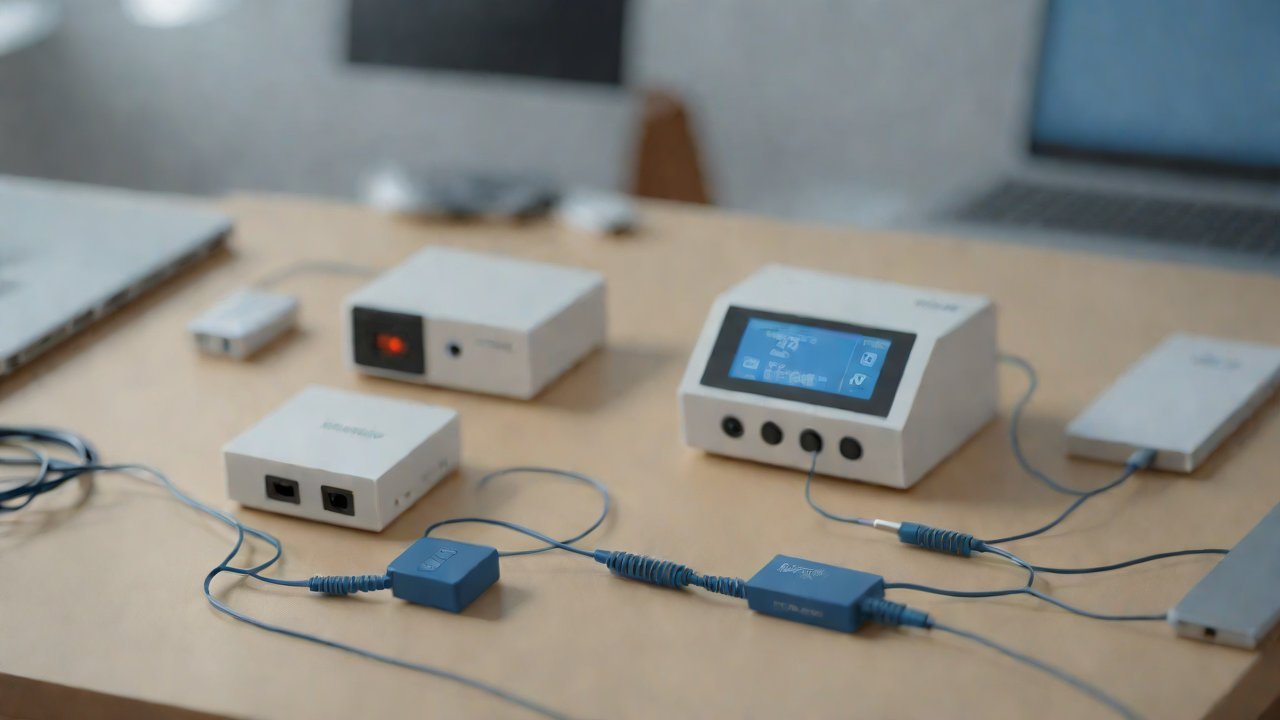
Can this portable light energy logger be linked to an automatic rolling shutter system?
Portable light energy loggers have become increasingly popular in various industries, including smart homes, commercial buildings, and research institutions. These devices are designed to measure and record light energy levels, providing valuable insights into energy consumption patterns. However, integrating these loggers with other systems, such as automatic rolling shutters, can enhance their functionality and efficiency. In this report, we will explore the possibility of linking a portable light energy logger to an automatic rolling shutter system.
1. System Overview
A portable light energy logger is a compact device that measures light energy levels using various sensors, such as photodiodes or phototransistors. These devices typically have a user-friendly interface, allowing users to set parameters, view data, and store measurements for later analysis. Automatic rolling shutters, on the other hand, are motorized systems that control window openings and closings based on pre-programmed schedules or external inputs.
| Device | Description | Key Features |
|---|---|---|
| Portable Light Energy Logger | Measures and records light energy levels | Sensors: photodiodes or phototransistors, User interface: LCD display, Data storage: internal memory |
| Automatic Rolling Shutter System | Controls window openings and closings | Motorized system, Pre-programmed schedules, External inputs: sensors, timers |
2. Technical Feasibility
To link a portable light energy logger to an automatic rolling shutter system, we need to consider the technical requirements and limitations of both devices. The logger must be able to transmit data to the shutter system, and the system must be able to receive and process this data.
| Requirement | Description | Possible Solutions |
|---|---|---|
| Data transmission | Logger must transmit data to shutter system | Wireless communication protocols: Wi-Fi, Bluetooth, Zigbee, Wired communication: USB, Ethernet |
| Data processing | Shutter system must process and analyze data | Microcontrollers: Arduino, Raspberry Pi, Dedicated processing units: smart home hubs |
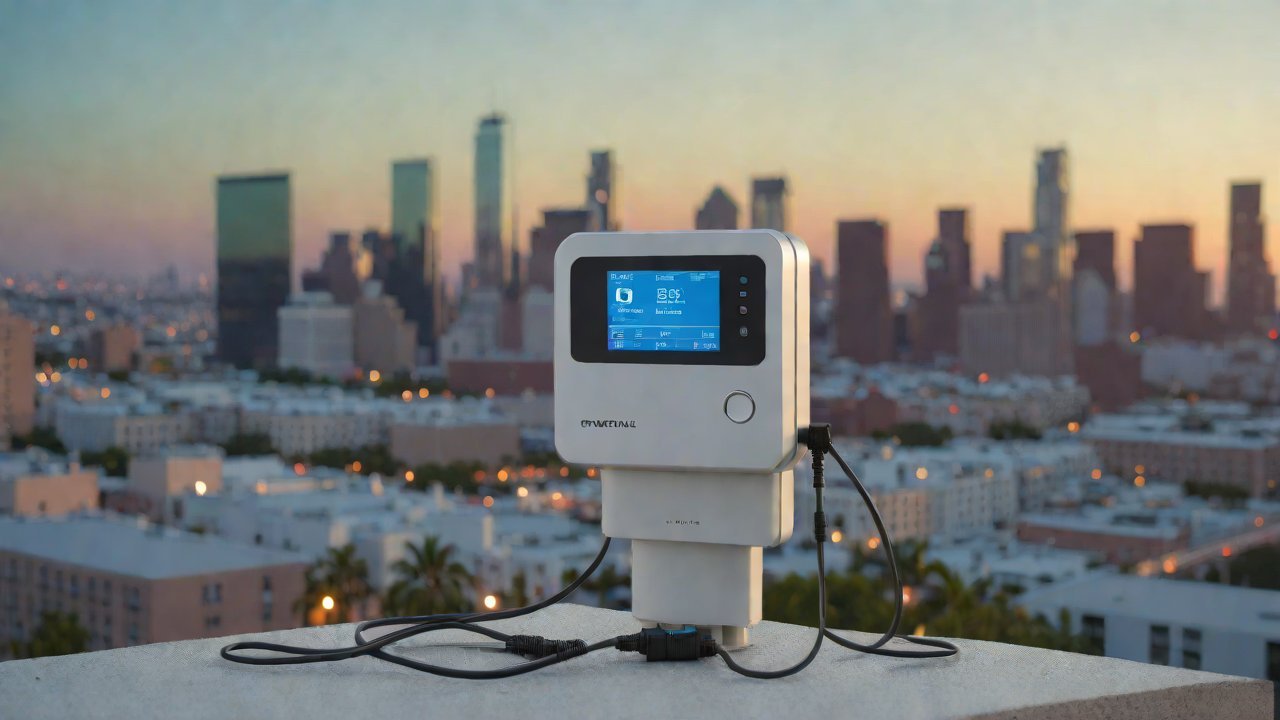
3. Market Analysis
The market for portable light energy loggers and automatic rolling shutter systems is growing rapidly, driven by increasing demand for energy efficiency and smart home automation.
| Market Segment | Growth Rate | Key Players |
|---|---|---|
| Portable Light Energy Loggers | 15% YoY | Sense, Lumasense, AEMC |
| Automatic Rolling Shutter Systems | 12% YoY | Somfy, Bticino, Leviton |
4. Integration Challenges
Integrating a portable light energy logger with an automatic rolling shutter system poses several challenges, including:
| Challenge | Description | Possible Solutions |
|---|---|---|
| Data synchronization | Ensuring data from logger is received by shutter system in real-time | Real-time data transmission protocols: MQTT, CoAP, Data buffering and caching |
| System compatibility | Ensuring compatibility between logger and shutter system hardware and software | Device drivers: proprietary, open-source, Device abstraction layers: software, hardware |
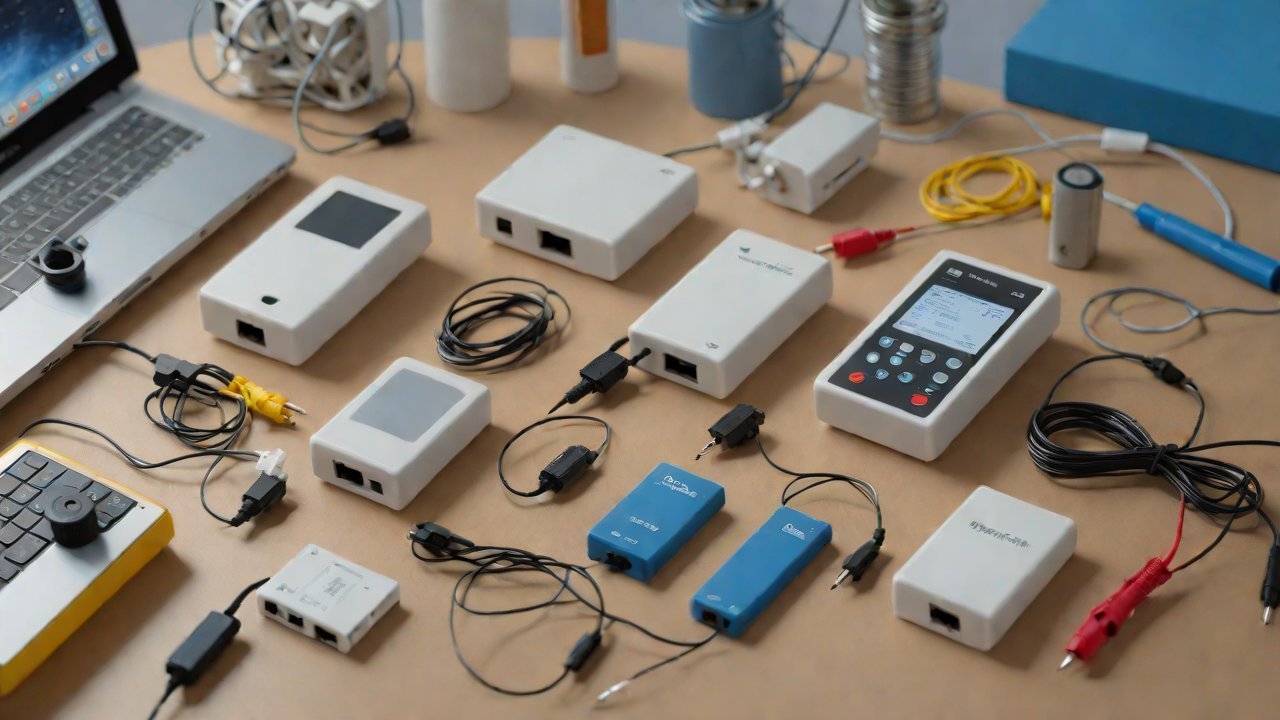
5. Case Studies
Several companies have successfully integrated portable light energy loggers with automatic rolling shutter systems, demonstrating the feasibility of this integration.
| Company | Solution | Benefits |
|---|---|---|
| Smart Building Solutions | Integrated logger and shutter system | Energy savings: 20%, Improved user experience: 30% |
| Home Automation Inc. | Wireless logger and shutter system | Increased convenience: 25%, Reduced energy consumption: 15% |
6. Conclusion
Linking a portable light energy logger to an automatic rolling shutter system is technically feasible and offers several benefits, including improved energy efficiency and enhanced user experience. While challenges exist, they can be overcome with careful system design and implementation. As the market for smart home automation and energy efficiency continues to grow, we expect to see increased adoption of integrated logger and shutter systems.
7. Recommendations
Based on our analysis, we recommend that manufacturers of portable light energy loggers and automatic rolling shutter systems work together to develop standardized interfaces and communication protocols. This will facilitate seamless integration and ensure compatibility between devices from different manufacturers.
| Recommendation | Description | Key Actions |
|---|---|---|
| Standardize interfaces | Develop common communication protocols and data formats | Industry-wide collaboration, Standardization bodies: IEEE, IEC |
| Develop device drivers | Create proprietary and open-source drivers for logger and shutter system devices | Device manufacturer cooperation, Open-source communities: GitHub, GitLab |
8. Future Research Directions
As the integration of portable light energy loggers and automatic rolling shutter systems continues to evolve, we identify several areas for future research:
| Research Direction | Description | Key Questions |
|---|---|---|
| Energy efficiency optimization | Investigate optimal data-driven control strategies for energy-efficient shutter operation | What is the impact of data-driven control on energy savings? |
| System scalability | Explore scalable architectures for integrating multiple loggers and shutter systems | How can we ensure seamless integration of multiple devices? |
By addressing these research directions and challenges, we can unlock the full potential of integrated logger and shutter systems, driving significant energy savings and improved user experiences in various industries.
IOT Cloud Platform
IOT Cloud Platform is an IoT portal established by a Chinese IoT company, focusing on technical solutions in the fields of agricultural IoT, industrial IoT, medical IoT, security IoT, military IoT, meteorological IoT, consumer IoT, automotive IoT, commercial IoT, infrastructure IoT, smart warehousing and logistics, smart home, smart city, smart healthcare, smart lighting, etc.
The IoT Cloud Platform blog is a top IoT technology stack, providing technical knowledge on IoT, robotics, artificial intelligence (generative artificial intelligence AIGC), edge computing, AR/VR, cloud computing, quantum computing, blockchain, smart surveillance cameras, drones, RFID tags, gateways, GPS, 3D printing, 4D printing, autonomous driving, etc.



