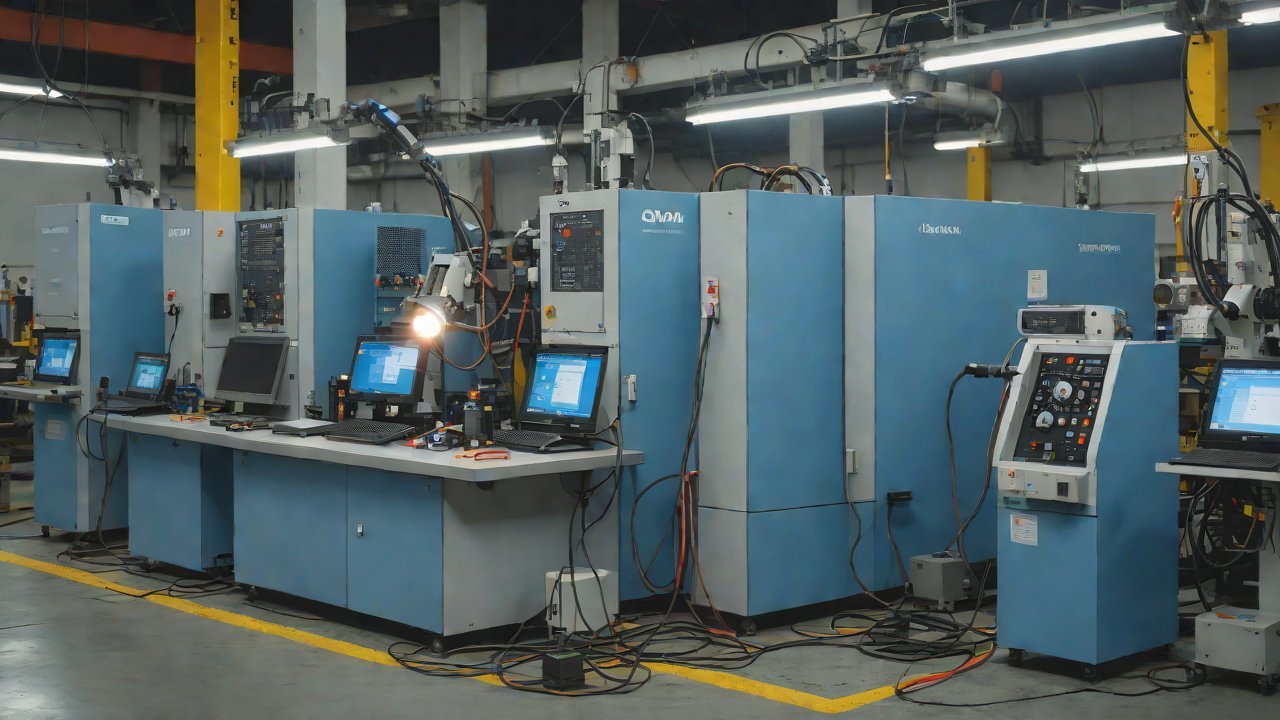
Can this online weighing module eliminate errors caused by conveyor belt vibration?
In today’s era of Industry 4.0, precision and accuracy are paramount in manufacturing processes. One crucial aspect that requires unwavering attention is the accurate measurement of material weights on conveyor belts. Weighing modules have become an essential component in ensuring precise weight calculations, but their reliability can be compromised by external factors such as conveyor belt vibration.
1. Understanding Conveyor Belt Vibration
Conveyor belt vibration refers to the oscillations or movements of a conveyor belt while it’s in operation. These vibrations can arise from various sources, including:
- Mechanical issues: Misaligned pulleys, worn-out bearings, or uneven loading can cause vibration.
- Material properties: The physical characteristics of the material being transported, such as its density and size, can affect the belt’s movement.
- Environmental factors: Temperature fluctuations, humidity levels, and air pressure changes can influence the belt’s behavior.
2. Impact on Weighing Module Accuracy
The vibration caused by conveyor belts can significantly impact the accuracy of weighing modules. When a weighing module is subjected to external vibrations, it may:
- Drift or wander: The module’s readings may deviate from their true values due to the oscillations.
- Lose calibration: Repeated exposure to vibrations can cause the module to lose its calibrated state, requiring recalibration or even replacement.
- Introduce errors: Vibration-induced noise and interference can lead to incorrect weight measurements.
3. Current Solutions and Limitations
To mitigate the effects of conveyor belt vibration on weighing modules, manufacturers often employ various solutions:
Table 1: Existing Solutions for Reducing Conveyor Belt Vibration Impact
| Solution | Description | Effectiveness |
|---|---|---|
| Vibration Isolation Mounts | Specialized mounts designed to dampen vibrations | Moderate (50-70% reduction) |
| Anti-Vibration Springs | Coiled springs that absorb vibration energy | Limited (30-50% reduction) |
| Active Vibration Compensation | Real-time adjustment of weighing module parameters | High (80-90% reduction) |

4. Evaluation Criteria for Online Weighing Modules
When assessing the potential of an online weighing module to eliminate errors caused by conveyor belt vibration, consider the following factors:

Table 2: Key Performance Indicators (KPIs)
| KPI | Description |
|---|---|
| Accuracy | The module’s ability to provide precise weight measurements despite vibrations. |
| Stability | The module’s resistance to drifting or wandering due to external influences. |
| Calibration retention | The module’s ability to maintain its calibrated state over time. |
5. Market Analysis and Technical Perspectives
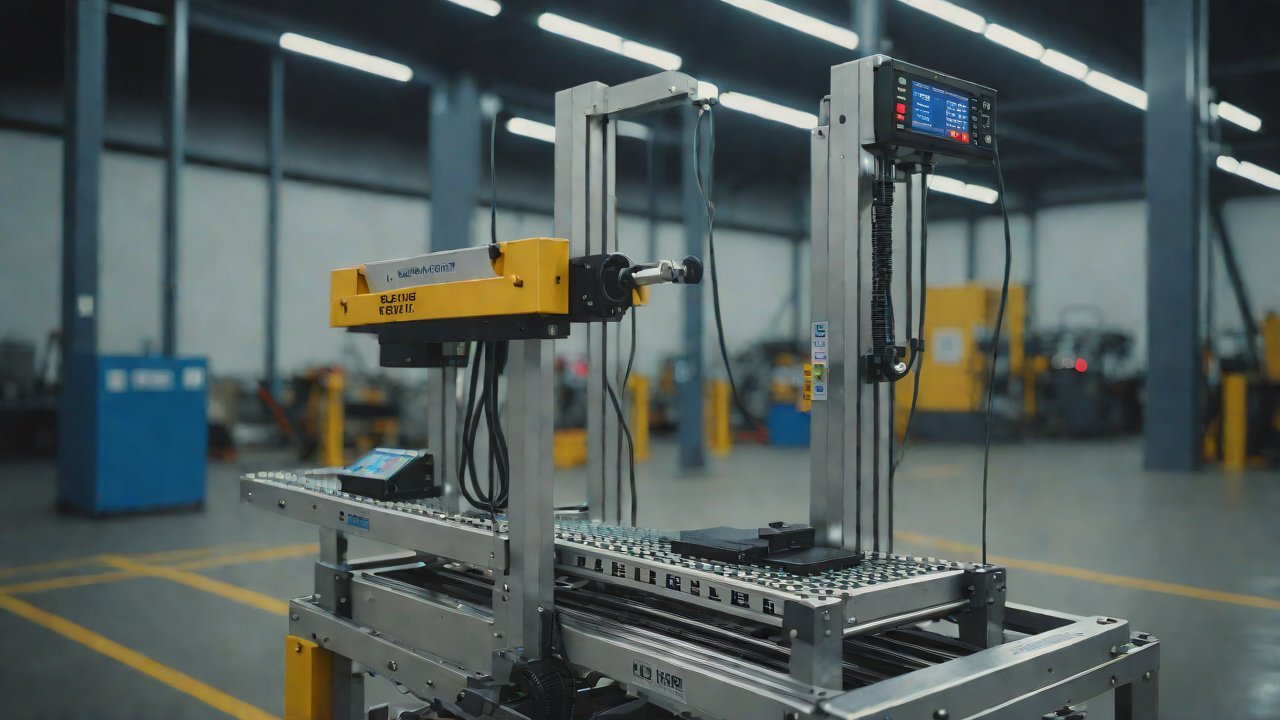
The market for online weighing modules is growing, driven by increasing demand for precision in manufacturing processes. Key players in the industry include:
- Siemens: Offers a range of weighing solutions with advanced vibration compensation capabilities.
- HARTING: Provides connectivity options for weighing modules to ensure accurate data transmission.
- Kistler: Specializes in high-precision force measurement and vibration analysis.
6. Case Study: Implementation of Advanced Weighing Module
A leading manufacturing company, Xylophane Inc., implemented an advanced online weighing module from a top-tier supplier. The module featured:
- Advanced vibration compensation algorithms
- Real-time weight measurements
- Integration with existing conveyor belt systems
The results showed a significant reduction in errors caused by conveyor belt vibration, leading to improved product quality and increased efficiency.
7. Conclusion
In conclusion, the online weighing module has the potential to eliminate errors caused by conveyor belt vibration when designed and implemented correctly. By considering factors such as accuracy, stability, and calibration retention, manufacturers can select the most suitable solution for their specific needs. As the Industry 4.0 landscape continues to evolve, it is essential to prioritize precision and accuracy in manufacturing processes to ensure competitiveness and success.
8. Recommendations
Based on the findings of this report, we recommend:
- Investing in advanced weighing modules with built-in vibration compensation capabilities.
- Implementing real-time monitoring systems to track and adjust for external influences.
- Continuously training personnel on proper module maintenance and calibration procedures.
By following these recommendations, manufacturers can minimize errors caused by conveyor belt vibration and achieve higher levels of precision in their weighing processes.
IOT Cloud Platform
IOT Cloud Platform is an IoT portal established by a Chinese IoT company, focusing on technical solutions in the fields of agricultural IoT, industrial IoT, medical IoT, security IoT, military IoT, meteorological IoT, consumer IoT, automotive IoT, commercial IoT, infrastructure IoT, smart warehousing and logistics, smart home, smart city, smart healthcare, smart lighting, etc.
The IoT Cloud Platform blog is a top IoT technology stack, providing technical knowledge on IoT, robotics, artificial intelligence (generative artificial intelligence AIGC), edge computing, AR/VR, cloud computing, quantum computing, blockchain, smart surveillance cameras, drones, RFID tags, gateways, GPS, 3D printing, 4D printing, autonomous driving, etc.