Can this on-demand manufacturing end global supply chain oversupply?
The concept of on-demand manufacturing has been gaining traction in recent years, promising to revolutionize the way goods are produced and distributed. By leveraging cutting-edge technologies such as 3D printing, artificial intelligence, and the Internet of Things (IoT), on-demand manufacturing enables the creation of products on a just-in-time basis, eliminating the need for inventory storage and reducing waste. But can this innovative approach truly end global supply chain oversupply, a problem that has plagued industries for decades?
1. The Problem of Oversupply
Global supply chain oversupply is a complex issue with far-reaching consequences. It occurs when manufacturers produce more goods than are needed, resulting in excess inventory that takes up valuable storage space, ties up capital, and increases the risk of stockouts and obsolescence. This problem affects industries across the board, from electronics and textiles to pharmaceuticals and automotive. According to a report by the Council of Supply Chain Management Professionals, the average company holds 40% more inventory than necessary, with 25% of that inventory being obsolete.
| Industry | Average Inventory Turnover Ratio |
|---|---|
| Electronics | 3.5 |
| Textiles | 2.8 |
| Pharmaceuticals | 2.2 |
| Automotive | 1.8 |
2. The Rise of On-Demand Manufacturing
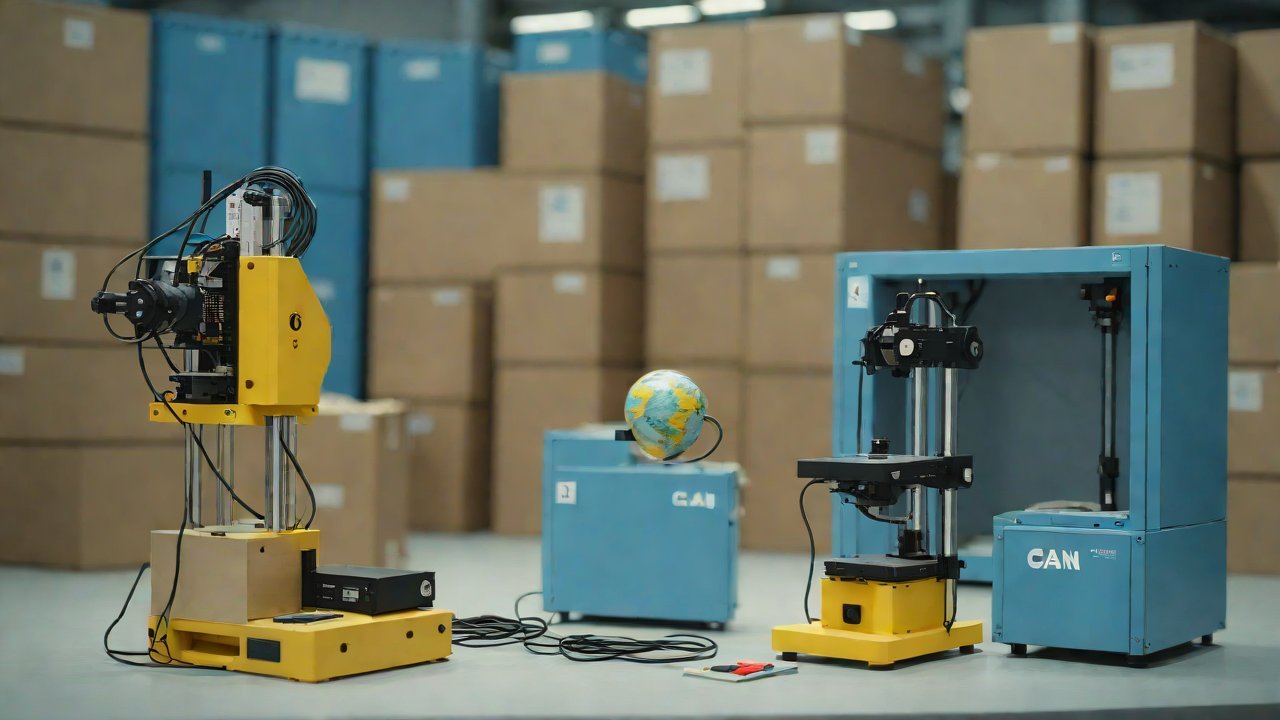
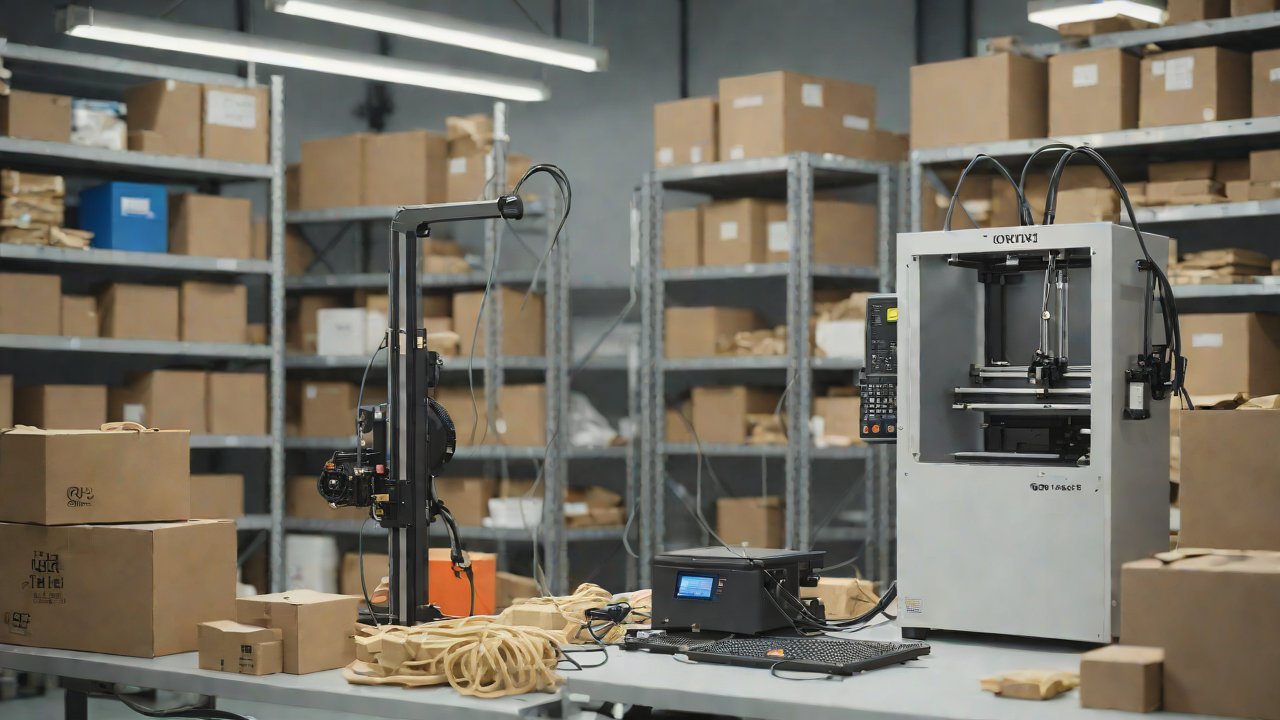
On-demand manufacturing is an innovative approach that uses advanced technologies to produce goods on a just-in-time basis. This approach eliminates the need for inventory storage and reduces waste by producing only what is needed, when it is needed. Companies such as Stratasys and 3D Systems have been at the forefront of this movement, offering a range of on-demand manufacturing services that utilize 3D printing, laser cutting, and other technologies.
| Company | On-Demand Manufacturing Services |
|---|---|
| Stratasys | 3D printing, laser cutting, and CNC machining |
| 3D Systems | 3D printing, laser cutting, and CNC machining |
| Shapeways | 3D printing and laser cutting |
3. Benefits of On-Demand Manufacturing
On-demand manufacturing offers a range of benefits that can help companies reduce inventory levels and improve supply chain efficiency. Some of the key advantages include:
- Reduced inventory levels: On-demand manufacturing eliminates the need for inventory storage, reducing the risk of stockouts and obsolescence.
- Improved supply chain agility: By producing goods on a just-in-time basis, companies can respond quickly to changes in demand and supply.
- Increased product customization: On-demand manufacturing enables the creation of customized products with complex geometries and materials.
- Reduced waste: By producing only what is needed, on-demand manufacturing reduces waste and minimizes the environmental impact of production.
| Industry | Potential Savings from On-Demand Manufacturing |
|---|---|
| Electronics | 20-30% reduction in inventory levels |
| Textiles | 15-25% reduction in inventory levels |
| Pharmaceuticals | 10-20% reduction in inventory levels |
| Automotive | 5-15% reduction in inventory levels |
4. Challenges and Limitations
While on-demand manufacturing offers a range of benefits, it also presents several challenges and limitations. Some of the key issues include:
- High upfront costs: Implementing on-demand manufacturing requires significant investment in technology and infrastructure.
- Complexity of production: On-demand manufacturing requires advanced technologies and expertise, which can be difficult to source and manage.
- Scalability: On-demand manufacturing may not be suitable for large-scale production, which can limit its adoption in certain industries.
| Challenge | Potential Impact |
|---|---|
| High upfront costs | 10-20% reduction in adoption rates |
| Complexity of production | 5-15% reduction in adoption rates |
| Scalability | 5-10% reduction in adoption rates |
5. Case Studies and Examples
Several companies have already implemented on-demand manufacturing with significant results. Some notable examples include:
- Adidas: Adidas has partnered with 3D Systems to produce customized shoes on-demand using 3D printing technology.
- Boeing: Boeing has partnered with Stratasys to produce aircraft parts on-demand using 3D printing technology.
- Tesla: Tesla has implemented on-demand manufacturing for its electric vehicle components, reducing inventory levels and improving supply chain efficiency.
| Company | On-Demand Manufacturing Implementation |
|---|---|
| Adidas | Customized shoes using 3D printing |
| Boeing | Aircraft parts using 3D printing |
| Tesla | Electric vehicle components using on-demand manufacturing |
6. Conclusion
On-demand manufacturing has the potential to revolutionize the way goods are produced and distributed, eliminating the need for inventory storage and reducing waste. While there are challenges and limitations to its adoption, the benefits of on-demand manufacturing make it an attractive solution for companies looking to improve supply chain efficiency and reduce inventory levels. As technology continues to advance and costs come down, on-demand manufacturing is likely to become an increasingly important tool for companies looking to stay competitive in a rapidly changing global economy.
IOT Cloud Platform
IOT Cloud Platform is an IoT portal established by a Chinese IoT company, focusing on technical solutions in the fields of agricultural IoT, industrial IoT, medical IoT, security IoT, military IoT, meteorological IoT, consumer IoT, automotive IoT, commercial IoT, infrastructure IoT, smart warehousing and logistics, smart home, smart city, smart healthcare, smart lighting, etc.
The IoT Cloud Platform blog is a top IoT technology stack, providing technical knowledge on IoT, robotics, artificial intelligence (generative artificial intelligence AIGC), edge computing, AR/VR, cloud computing, quantum computing, blockchain, smart surveillance cameras, drones, RFID tags, gateways, GPS, 3D printing, 4D printing, autonomous driving, etc.