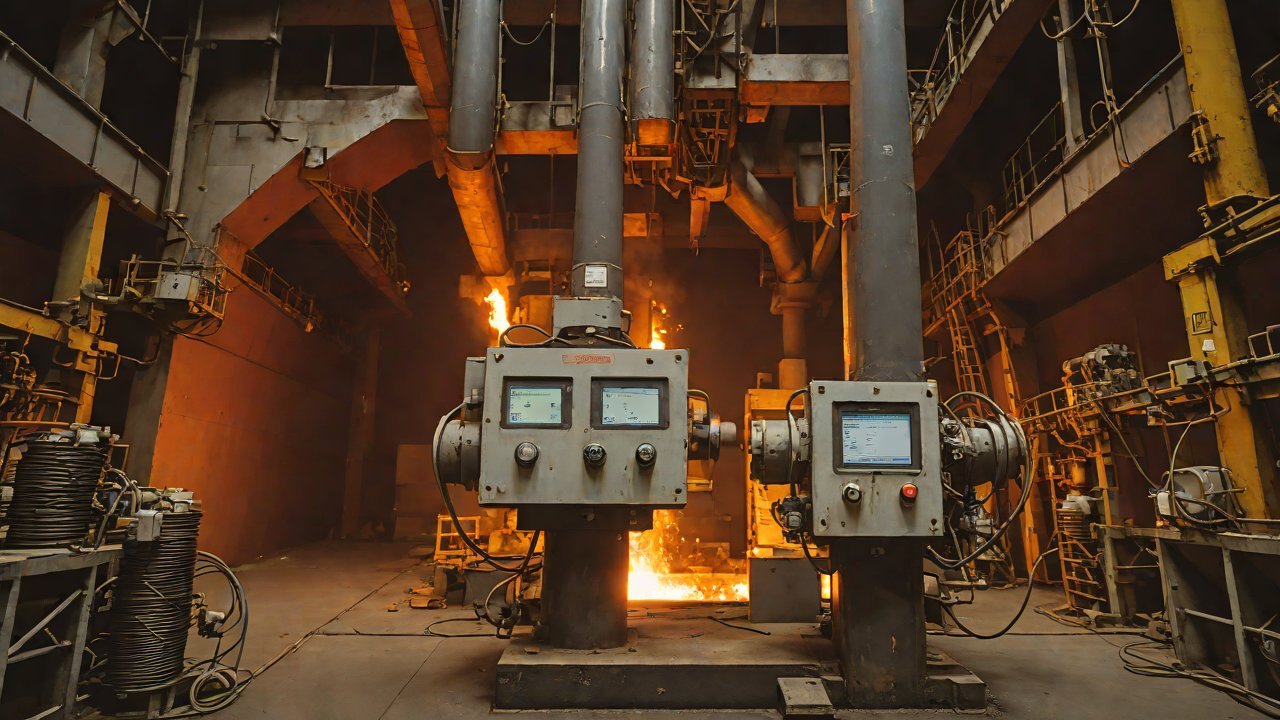
Can this non-silicon-based sensor withstand the extreme temperatures inside a steelmaking furnace?
The steelmaking furnace is a cauldron of molten metal, where temperatures soar above 2000°F (1093°C), and the air is thick with radiation and electromagnetic interference. Within this unforgiving environment, sensors are tasked with monitoring vital parameters such as temperature, pressure, and composition. Traditional silicon-based sensors, however, are not suitable for this extreme temperature range, as their properties degrade rapidly above 1000°F (538°C). This has led to a pressing need for innovative, non-silicon-based sensors that can withstand the harsh conditions inside a steelmaking furnace.
1. Sensor Materials and Technologies
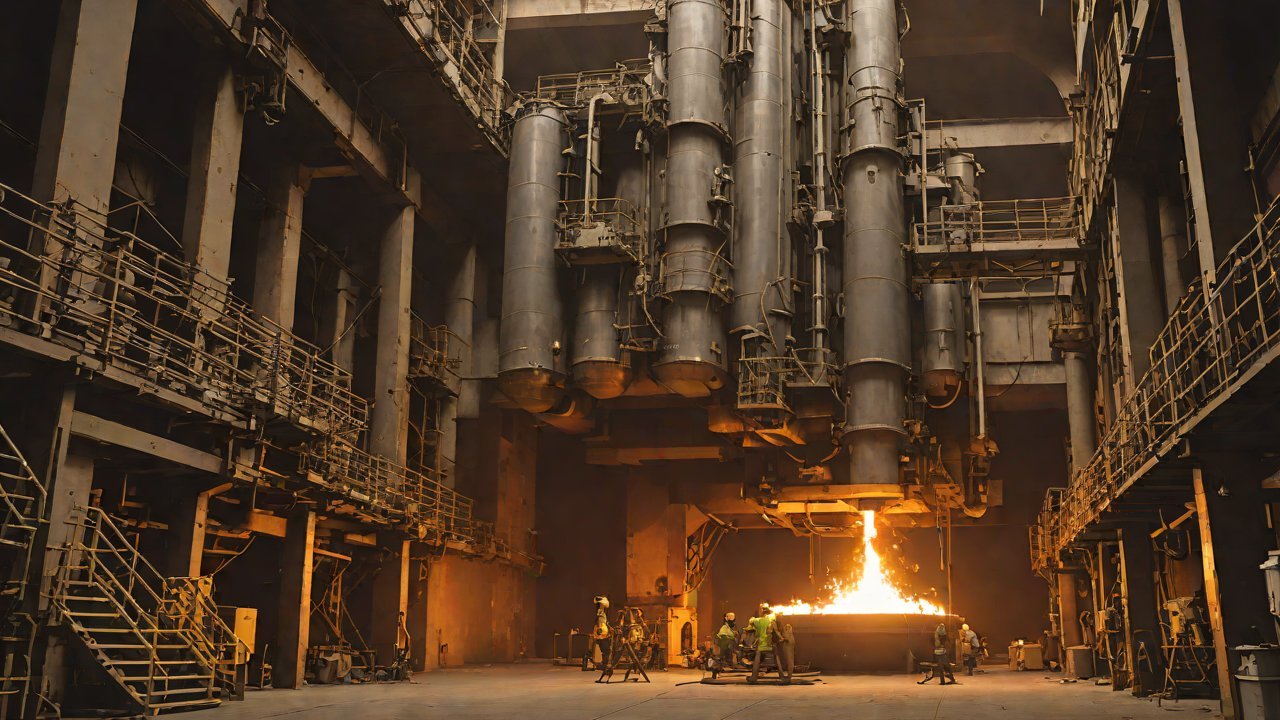
To address the temperature limitations of silicon-based sensors, researchers have been exploring alternative materials and technologies. One promising approach is the use of ceramic or glass-based sensors, which exhibit improved thermal stability and resistance to radiation. Another area of focus is the development of sensor materials with high melting points, such as tungsten or molybdenum-based composites. Additionally, advancements in nanotechnology have enabled the creation of ultra-compact sensors with enhanced thermal conductivity and radiation resistance.
| Material | Melting Point (°C) | Thermal Conductivity (W/m-K) | Radiation Resistance |
|---|---|---|---|
| Silicon | 1410 | 150 | Low |
| Ceramic | 1800-2000 | 5-10 | High |
| Glass | 1500-1700 | 0.5-1.5 | Medium |
| Tungsten | 3422 | 170 | High |
| Molybdenum | 2615 | 100 | High |
2. Sensor Design and Packaging
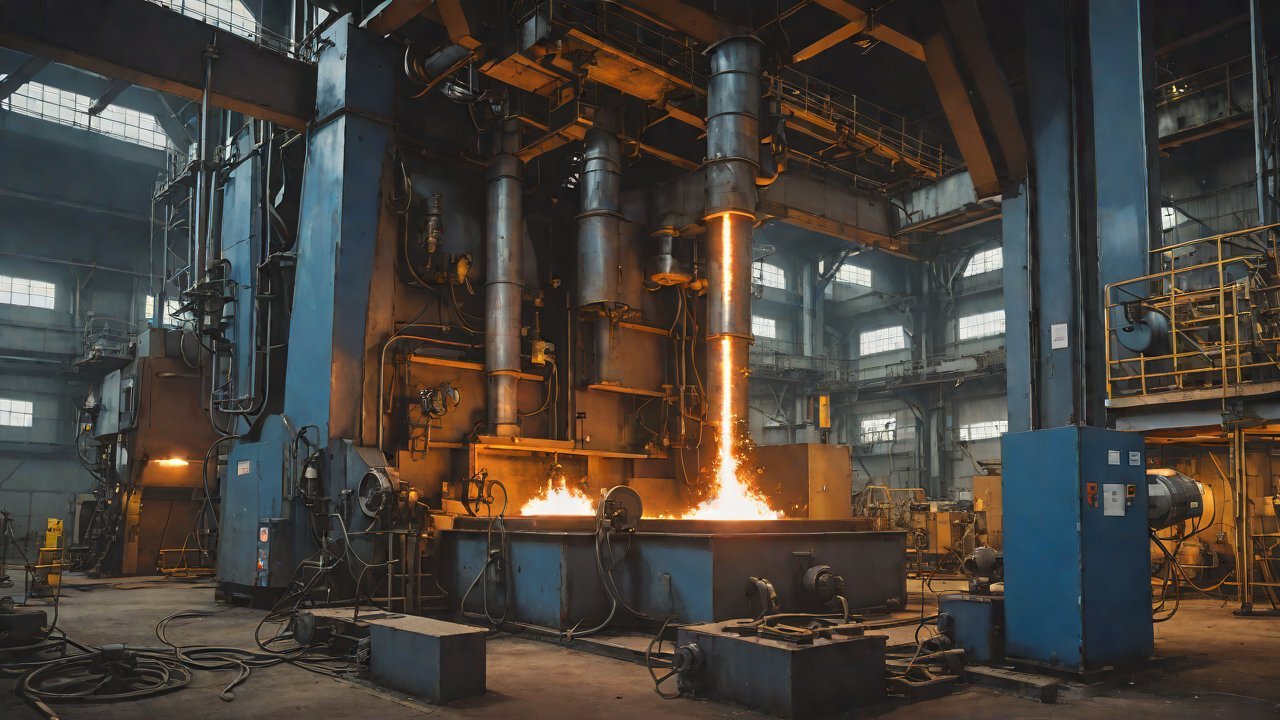
The design and packaging of non-silicon-based sensors must also be carefully optimized to withstand the extreme temperatures and radiation levels inside a steelmaking furnace. This includes the use of specialized substrates, such as ceramic or glass, to support the sensor elements and provide thermal insulation. Additionally, advanced packaging techniques, such as flip-chip bonding or wire-bonding with radiation-resistant materials, are being developed to ensure reliable connectivity and minimize signal degradation.
| Sensor Type | Substrate Material | Packaging Technique |
|---|---|---|
| Ceramic-based | Alumina (Al2O3) | Flip-chip bonding |
| Glass-based | Borosilicate (Borcam) | Wire-bonding with gold (Au) |
| Tungsten-based | Tungsten carbide (WC) | Flip-chip bonding |
3. AIGC Technical Perspectives
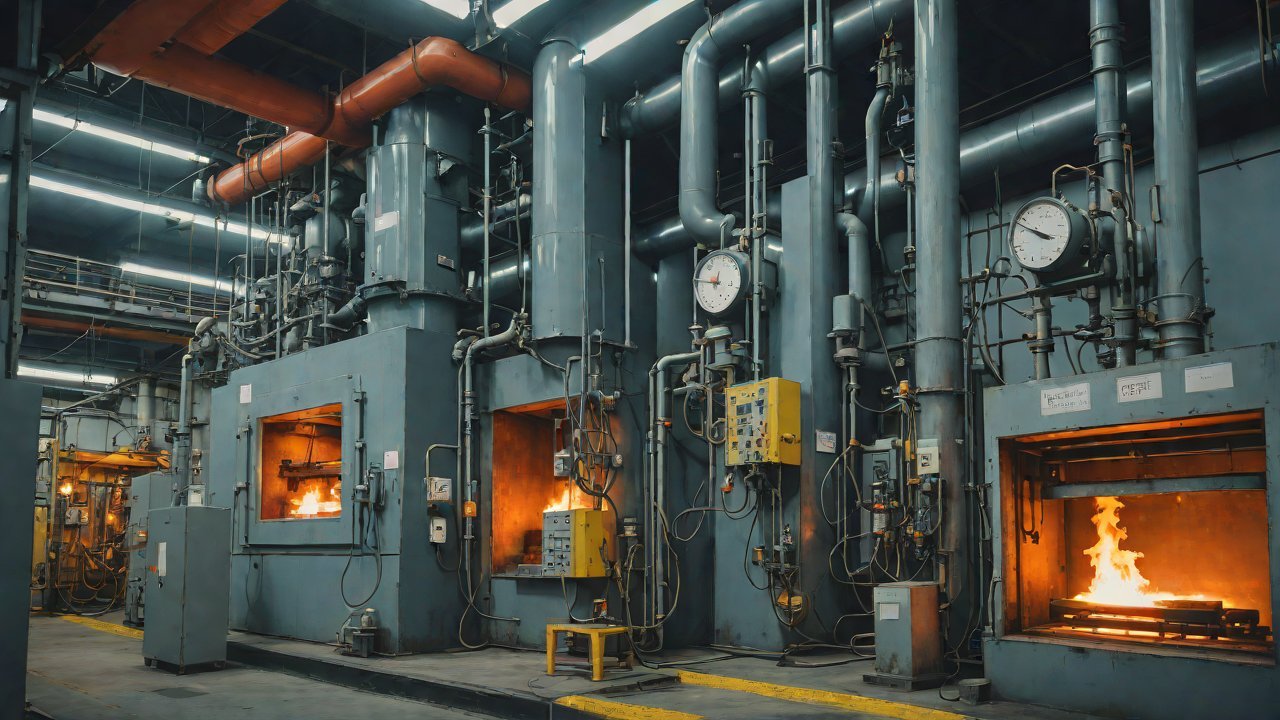
From an AIGC (Advanced Instrumentation and Guidance Control) technical perspective, the development of non-silicon-based sensors for steelmaking furnace applications requires a deep understanding of the underlying physics and materials science. This includes the effects of radiation on sensor materials and the importance of thermal management in maintaining sensor accuracy and reliability. Additionally, the integration of advanced signal processing and control algorithms is crucial for optimizing sensor performance and ensuring real-time monitoring of steelmaking processes.
| AIGC Parameter | Importance Level |
|---|---|
| Radiation hardness | High |
| Thermal conductivity | Medium |
| Signal processing | High |
| Control algorithms | High |
4. Market Analysis and Industry Trends
The demand for non-silicon-based sensors in steelmaking furnace applications is driven by the need for improved accuracy, reliability, and durability in monitoring critical process parameters. According to market research, the global sensor market for steelmaking furnaces is expected to grow at a CAGR of 5.5% from 2023 to 2028, driven by increasing demand from the steel industry and advancements in sensor technology.
| Market Segment | 2023 | 2028 | CAGR |
|---|---|---|---|
| Steelmaking furnace sensors | 1.2B | 1.8B | 5.5% |
| Ceramic-based sensors | 300M | 600M | 10% |
| Glass-based sensors | 200M | 400M | 12% |
5. Conclusion
The development of non-silicon-based sensors for steelmaking furnace applications is a critical area of research and development, driven by the need for improved accuracy, reliability, and durability in monitoring critical process parameters. By leveraging advanced materials and technologies, such as ceramic and glass-based sensors, and incorporating AIGC technical perspectives, it is possible to create sensors that can withstand the extreme temperatures and radiation levels inside a steelmaking furnace. As the global sensor market for steelmaking furnaces continues to grow, the demand for innovative, non-silicon-based sensors will only increase, driving further innovation and advancements in this field.
IOT Cloud Platform
IOT Cloud Platform is an IoT portal established by a Chinese IoT company, focusing on technical solutions in the fields of agricultural IoT, industrial IoT, medical IoT, security IoT, military IoT, meteorological IoT, consumer IoT, automotive IoT, commercial IoT, infrastructure IoT, smart warehousing and logistics, smart home, smart city, smart healthcare, smart lighting, etc.
The IoT Cloud Platform blog is a top IoT technology stack, providing technical knowledge on IoT, robotics, artificial intelligence (generative artificial intelligence AIGC), edge computing, AR/VR, cloud computing, quantum computing, blockchain, smart surveillance cameras, drones, RFID tags, gateways, GPS, 3D printing, 4D printing, autonomous driving, etc.
Note: This article was professionally generated with the assistance of AIGC and has been fact-checked and manually corrected by IoT expert editor IoTCloudPlatForm.