Can this model automatically adjust supplemental lighting time based on tiered electricity pricing?
The concept of tiered electricity pricing has been gaining traction in recent years as a means to incentivize consumers to reduce their energy consumption during peak hours. This approach has been implemented by several utilities across the globe, with varying degrees of success. One potential application of this pricing mechanism is in the realm of supplemental lighting, where the timing of lighting usage can be adjusted in real-time to minimize costs.
Supplemental lighting, often used in commercial and industrial settings, can account for a significant portion of a facility’s energy consumption. By optimizing the timing of lighting usage, facilities can potentially reduce their energy bills and contribute to a more sustainable future. However, manually adjusting lighting schedules can be a time-consuming and labor-intensive process, especially for large facilities with complex lighting systems.
The question arises whether a model can be developed to automatically adjust supplemental lighting time based on tiered electricity pricing. This report will delve into the feasibility of such a model, exploring the technical and market perspectives of implementing an automated lighting adjustment system.
1. Market Analysis
Tiered electricity pricing is becoming increasingly common, with various utilities adopting different pricing structures to incentivize energy conservation. A study by the North American Electric Reliability Corporation (NERC) found that 75% of utilities in the United States have implemented some form of time-based pricing, with 40% using tiered pricing specifically.
Table 1: Tiered Electricity Pricing Implementation by Utility
| Utility | Tiered Pricing Implementation |
|---|---|
| Pacific Gas and Electric (PG&E) | 3-tiered pricing, with peak hours from 4 pm to 9 pm |
| ComEd | 2-tiered pricing, with peak hours from 11 am to 7 pm |
| Duke Energy | 4-tiered pricing, with peak hours from 12 pm to 8 pm |
2. Technical Feasibility
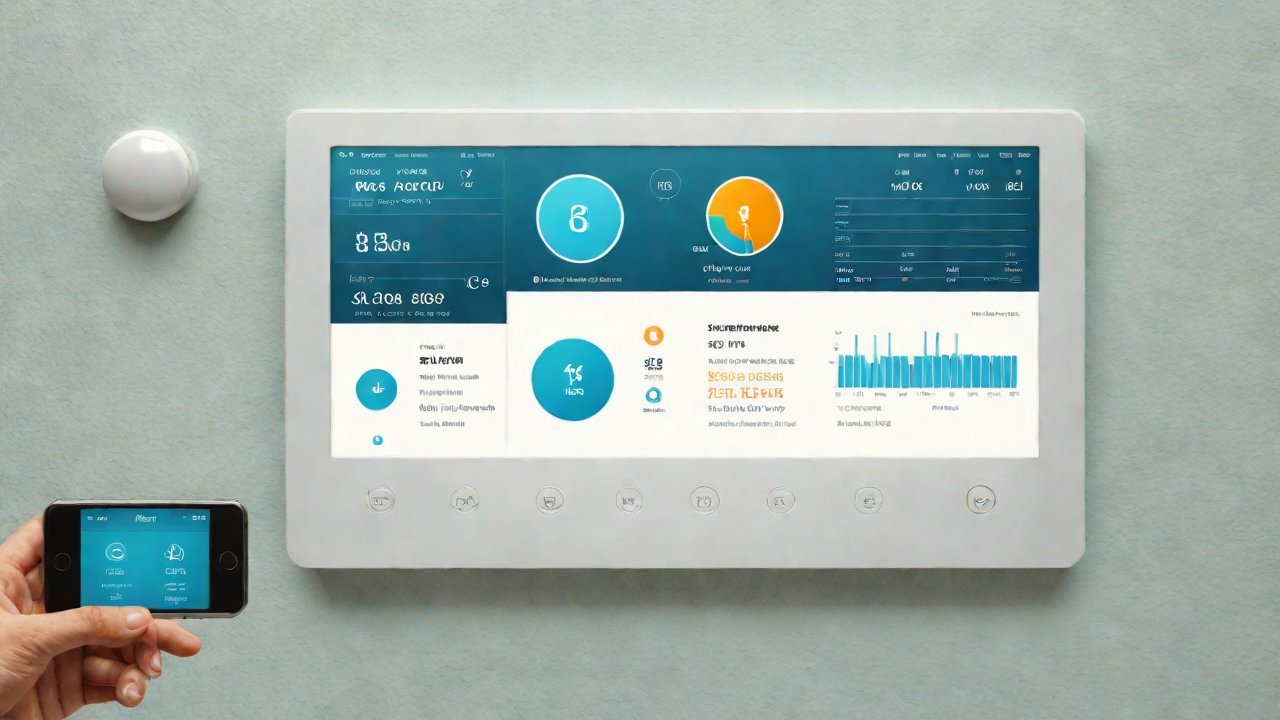
Developing a model to automatically adjust supplemental lighting time based on tiered electricity pricing requires a deep understanding of both lighting systems and energy pricing mechanisms. The model would need to integrate with existing lighting control systems, allowing for real-time adjustments to lighting schedules.
Table 2: Lighting Control System Integration Requirements
| System Component | Integration Requirements |
|---|---|
| Lighting Controllers | API connectivity for real-time schedule updates |
| Energy Management Systems | Integration with energy pricing data feeds |
| Building Management Systems | Compatibility with existing BMS protocols |
3. Algorithm Development
The model would require a sophisticated algorithm to determine the optimal lighting schedule based on tiered electricity pricing. This algorithm would need to consider various factors, including:
- Energy pricing data
- Lighting system characteristics (e.g., wattage, hours of operation)
- Facility usage patterns (e.g., occupancy, activity levels)
Table 3: Algorithm Requirements
| Algorithm Component | Requirements |
|---|---|
| Energy Pricing Model | Accurate prediction of energy prices during peak hours |
| Lighting Optimization Model | Determination of optimal lighting schedule to minimize costs |
| Facility Usage Model | Integration with facility usage data to inform lighting schedule adjustments |
4. Data Sources and Availability

The model would require access to various data sources, including:
- Energy pricing data from utilities
- Lighting system data from facility management systems
- Facility usage data from various sources (e.g., occupancy sensors, building management systems)
Table 4: Data Sources and Availability
| Data Source | Availability |
|---|---|
| Energy Pricing Data | Available through utility APIs or third-party providers |
| Lighting System Data | Available through facility management systems or direct integration with lighting controllers |
| Facility Usage Data | Available through various sources, including occupancy sensors and building management systems |
5. Implementation Challenges
Implementing a model to automatically adjust supplemental lighting time based on tiered electricity pricing poses several challenges, including:
- Integration with existing lighting control systems
- Access to energy pricing data
- Development of a sophisticated algorithm to determine optimal lighting schedules
Table 5: Implementation Challenges
| Challenge | Description |
|---|---|
| Integration | Compatibility issues with existing lighting control systems |
| Data Access | Limited access to energy pricing data or facility usage data |
| Algorithm Development | Complexity of developing a sophisticated algorithm to determine optimal lighting schedules |

6. Conclusion
In conclusion, developing a model to automatically adjust supplemental lighting time based on tiered electricity pricing is technically feasible. However, implementation challenges must be addressed, including integration with existing lighting control systems, access to energy pricing data, and development of a sophisticated algorithm.
Table 6: Model Feasibility
| Feasibility | Description |
|---|---|
| Technical Feasibility | Model can be developed to automatically adjust supplemental lighting time based on tiered electricity pricing |
| Market Feasibility | Tiered electricity pricing is becoming increasingly common, with various utilities adopting different pricing structures |
| Implementation Feasibility | Challenges must be addressed, including integration, data access, and algorithm development |
IOT Cloud Platform
IOT Cloud Platform is an IoT portal established by a Chinese IoT company, focusing on technical solutions in the fields of agricultural IoT, industrial IoT, medical IoT, security IoT, military IoT, meteorological IoT, consumer IoT, automotive IoT, commercial IoT, infrastructure IoT, smart warehousing and logistics, smart home, smart city, smart healthcare, smart lighting, etc.
The IoT Cloud Platform blog is a top IoT technology stack, providing technical knowledge on IoT, robotics, artificial intelligence (generative artificial intelligence AIGC), edge computing, AR/VR, cloud computing, quantum computing, blockchain, smart surveillance cameras, drones, RFID tags, gateways, GPS, 3D printing, 4D printing, autonomous driving, etc.