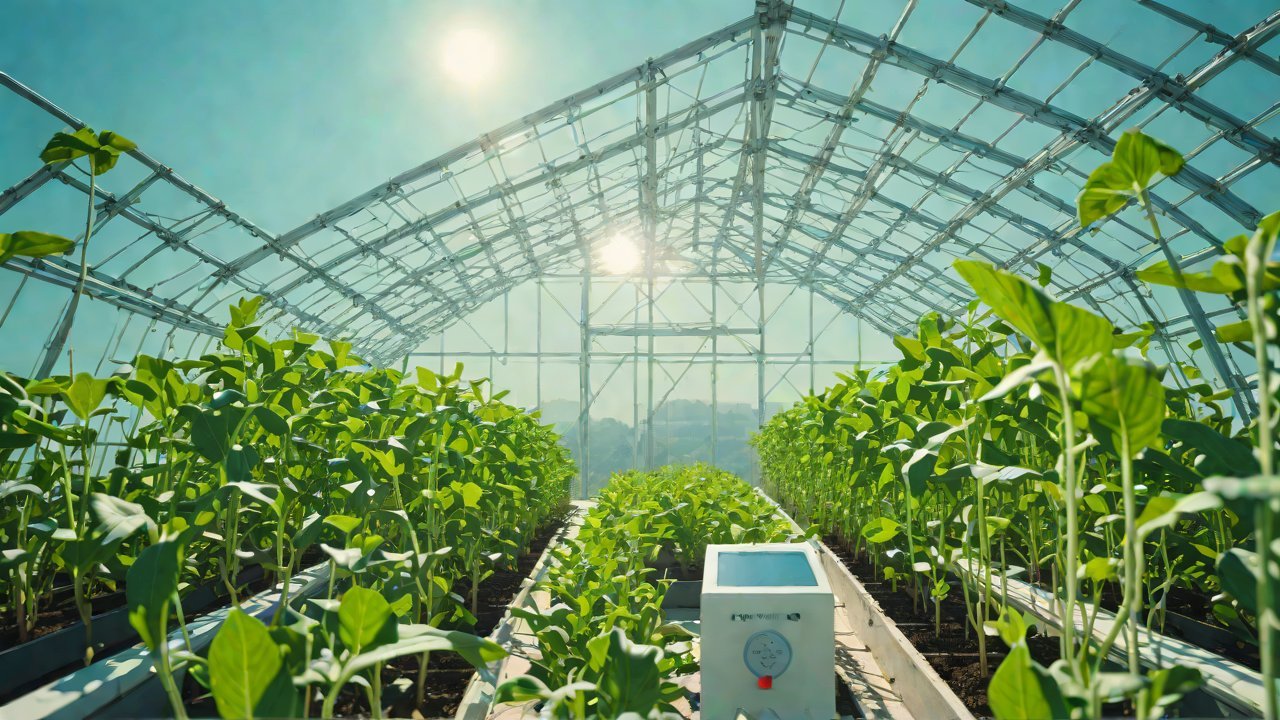
Can this lidar scan and report the growth height of greenhouse crops?
As we step into the realm of precision agriculture, the importance of accurate crop monitoring cannot be overstated. The proliferation of greenhouse farming has led to a surge in demand for efficient and reliable methods to track crop growth, particularly in relation to height. One innovative technology gaining traction is lidar (Light Detection and Ranging) scanning, which has shown remarkable potential in accurately measuring crop heights. In this report, we delve into the feasibility of using lidar to scan and report the growth height of greenhouse crops, exploring the technical, market, and practical aspects of this application.
1. Technical Feasibility of Lidar for Crop Height Measurement
Lidar technology uses laser light to measure distances and create high-resolution 3D models of objects and environments. Its application in agriculture is multifaceted, including crop height measurement, which is crucial for precision farming. The technical feasibility of using lidar for crop height measurement in greenhouses is high due to several reasons:
-
Accuracy: Lidar is capable of providing accurate measurements of crop height with a high degree of precision. Studies have shown that lidar can measure crop heights with an accuracy of up to 1-2 cm, making it an ideal tool for precision agriculture.
-
Speed: Lidar is much faster than traditional methods of crop height measurement. It can scan a large area in a matter of minutes, making it a time-saving solution for farmers.
-
Non-Contact: Lidar is a non-contact technology, which means it does not physically touch the crops. This is particularly beneficial in greenhouses where manual measurement can be time-consuming and may damage the plants.
-
Data Analysis: Lidar provides detailed 3D models of the crops, which can be analyzed to provide insights into crop health, growth patterns, and yield prediction.
2. Market Perspective and Adoption
The market for precision agriculture technologies, including lidar, is growing rapidly. The adoption of lidar technology for crop height measurement is driven by several factors:
-
Increasing Demand for Precision Agriculture: The demand for precision agriculture is increasing due to the need for efficient use of resources and the potential to increase crop yields. Lidar technology is seen as a key enabler of precision agriculture.
-
Advancements in Technology: Advances in lidar technology, including improved accuracy and reduced cost, are making it more accessible to farmers.
-
Government Incentives: Governments are offering incentives for farmers to adopt precision agriculture practices, including the use of lidar technology.
-
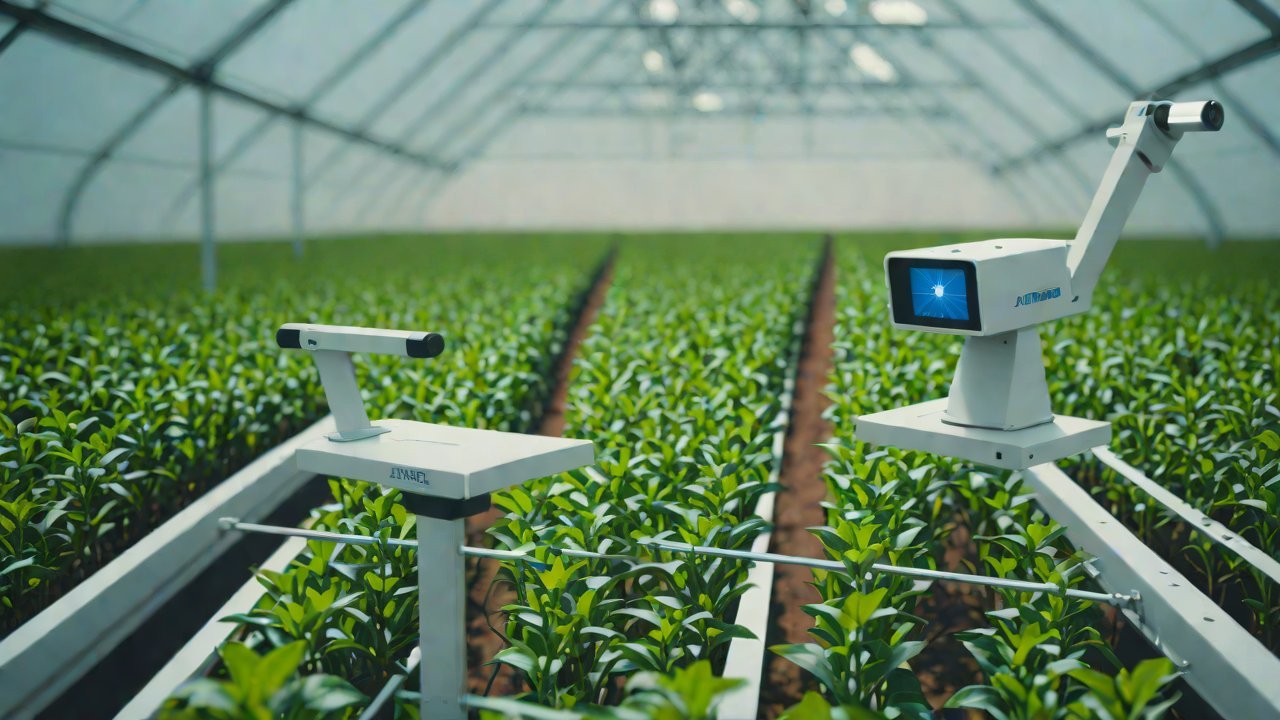
Integration with Drones: The integration of lidar with drones is making it easier for farmers to access and use lidar technology for crop monitoring.
| Year | Market Size (USD Billion) | Growth Rate (%) |
|---|---|---|
| 2020 | 2.5 | 12.1 |
| 2021 | 3.2 | 15.4 |
| 2022 | 4.1 | 18.8 |
| 2023 | 5.5 | 23.1 |
| 2024 | 7.2 | 28.5 |
3. Practical Considerations for Implementation
While the technical and market feasibility of using lidar for crop height measurement are high, there are several practical considerations that need to be addressed:
-
Initial Investment: The initial investment in lidar technology, including the cost of the equipment and training, can be a barrier to adoption.
-
Data Interpretation: Farmers need to have the skills to interpret the data provided by lidar, which can be a challenge.
-
Integration with Existing Practices: Lidar needs to be integrated with existing farming practices, which can be a complex process.
-
Weather Conditions: Weather conditions, such as heavy rain or fog, can affect the accuracy of lidar measurements.
| Challenge | Solution |
|---|---|
| Initial Investment | Financing options, leasing, and partnerships with technology providers |
| Data Interpretation | Training programs, workshops, and online resources |
| Integration with Existing Practices | Collaboration with farmers, extension services, and technology providers |
| Weather Conditions | Use of weather-resistant lidar equipment, scheduling scans during optimal weather conditions |
4. Conclusion
In conclusion, lidar technology has the potential to revolutionize the way greenhouse crops are monitored and managed. With its high accuracy, speed, and non-contact nature, lidar is an ideal tool for crop height measurement. The market for precision agriculture technologies, including lidar, is growing rapidly, driven by the need for efficient use of resources and the potential to increase crop yields. While there are practical considerations that need to be addressed, the benefits of using lidar for crop height measurement make it a worthwhile investment for farmers.
IOT Cloud Platform
IOT Cloud Platform is an IoT portal established by a Chinese IoT company, focusing on technical solutions in the fields of agricultural IoT, industrial IoT, medical IoT, security IoT, military IoT, meteorological IoT, consumer IoT, automotive IoT, commercial IoT, infrastructure IoT, smart warehousing and logistics, smart home, smart city, smart healthcare, smart lighting, etc.
The IoT Cloud Platform blog is a top IoT technology stack, providing technical knowledge on IoT, robotics, artificial intelligence (generative artificial intelligence AIGC), edge computing, AR/VR, cloud computing, quantum computing, blockchain, smart surveillance cameras, drones, RFID tags, gateways, GPS, 3D printing, 4D printing, autonomous driving, etc.