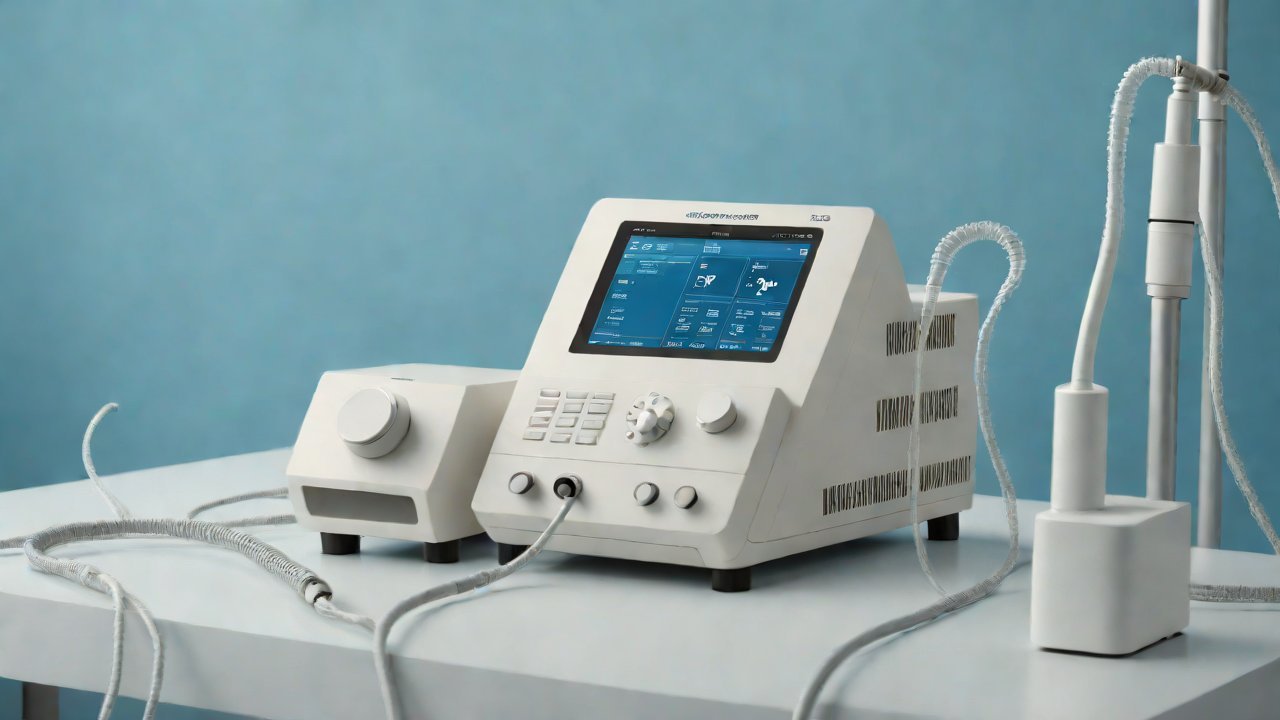
Can this IoT-enabled ventilator automatically adjust pressure based on the patient’s blood oxygen level?
The integration of Internet of Things (IoT) technology into medical devices, such as ventilators, has revolutionized the way healthcare providers manage patients’ respiratory needs. One of the most significant advancements is the ability for IoT-enabled ventilators to monitor and adjust pressure settings in real-time based on a patient’s vital signs. This report delves into the technical feasibility of an IoT-enabled ventilator automatically adjusting pressure based on a patient’s blood oxygen level, exploring the underlying mechanisms, market trends, and potential benefits.
1. Technical Feasibility
IoT-enabled ventilators utilize advanced algorithms and sensors to monitor patients’ vital signs, including blood oxygen levels (SpO2), respiratory rate, and airway pressures. These devices can connect to a network or cloud platform, enabling remote monitoring and real-time adjustments of treatment parameters.
The process of automatically adjusting pressure based on a patient’s SpO2 involves the following steps:
- Sensor Integration: The ventilator is equipped with sensors that continuously monitor the patient’s vital signs, including SpO2.
- Data Processing: The sensor data is processed using advanced algorithms to determine the optimal pressure settings for the patient.
- Automated Adjustment: The ventilator adjusts its pressure settings based on the calculated values.
Several factors influence the technical feasibility of this process:
- Sensor accuracy: The accuracy and reliability of the sensors used to monitor SpO2 are critical in ensuring that the ventilator’s adjustments are precise and effective.
- Algorithm complexity: The algorithms used to process sensor data must be sophisticated enough to accurately predict optimal pressure settings based on a patient’s SpO2 levels.
- Real-time processing capabilities: The ventilator must have sufficient computational power to process data in real-time, enabling timely adjustments of pressure settings.
2. Market Trends and Adoption
The demand for IoT-enabled ventilators is driven by the need for more efficient and effective respiratory care. According to a report by MarketsandMarkets, the global ventilator market size is expected to grow from $1.4 billion in 2020 to $3.5 billion by 2025.
Several key players in the industry are already incorporating IoT technology into their ventilators:
- Philips Respironics: Their latest ventilator model features advanced sensors and algorithms that enable real-time monitoring and adjustment of pressure settings.
- ResMed: Their AirSense 10 device includes built-in sensors for SpO2 monitoring, allowing for automated adjustments based on a patient’s vital signs.
3. Clinical Benefits
The ability of IoT-enabled ventilators to automatically adjust pressure based on a patient’s SpO2 levels offers several clinical benefits:
- Improved patient outcomes: By optimizing ventilation settings in real-time, healthcare providers can reduce the risk of complications and improve patient outcomes.
- Enhanced efficiency: Automated adjustments enable clinicians to focus on other aspects of patient care, improving overall workflow and productivity.
- Reduced hospital-acquired conditions: By minimizing the need for manual interventions, IoT-enabled ventilators can help reduce the incidence of hospital-acquired conditions, such as ventilator-associated pneumonia.
4. Regulatory Considerations
The development and deployment of IoT-enabled ventilators must comply with regulatory requirements:
- FDA guidelines: The FDA has established guidelines for the development and clearance of medical devices incorporating IoT technology.
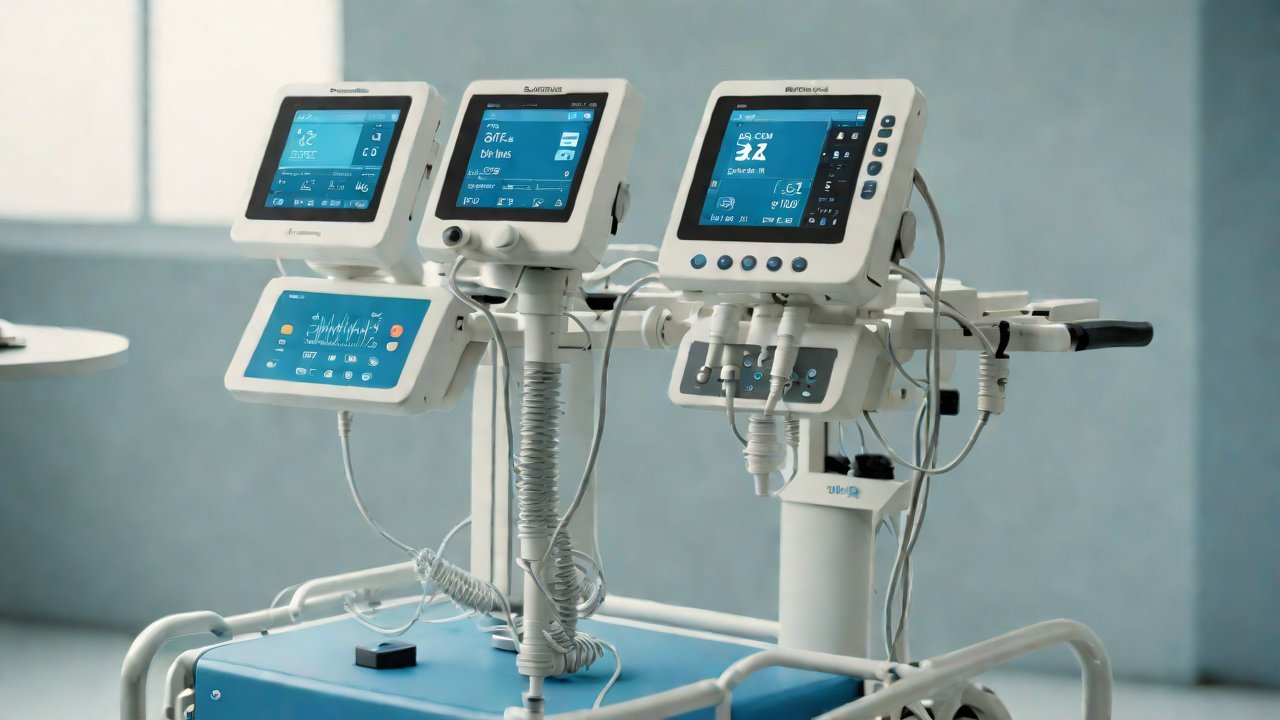
- CE marking: Ventilators intended for sale in the European Union must meet CE marking requirements, which cover aspects such as safety and performance.
5. Future Directions
The integration of IoT technology into ventilators is a rapidly evolving field with significant potential for innovation:
- Advancements in sensor technology: Improved sensor accuracy and reliability will enable more precise monitoring and adjustment of pressure settings.
- Artificial intelligence (AI) and machine learning (ML): The application of AI and ML algorithms can further enhance the accuracy and effectiveness of automated adjustments.
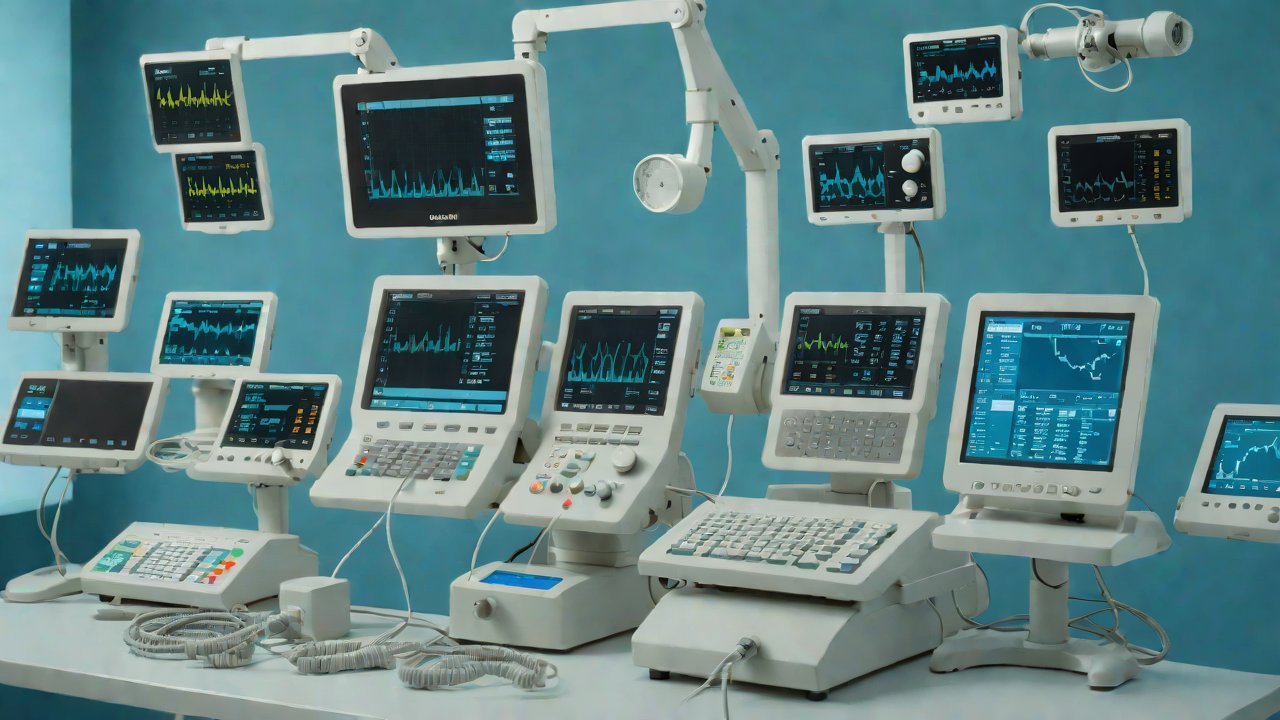
The integration of IoT technology into ventilators has transformed the way healthcare providers manage patients’ respiratory needs. By automatically adjusting pressure based on a patient’s blood oxygen level, these devices can improve patient outcomes, enhance efficiency, and reduce hospital-acquired conditions. As the industry continues to evolve, we can expect further advancements in sensor technology, AI, and ML applications, solidifying the role of IoT-enabled ventilators as a cornerstone of modern respiratory care.
| Ventilator Model | Sensor Integration | Data Processing Algorithm | Automated Adjustment |
|---|---|---|---|
| Philips Respironics | Advanced sensors for SpO2 monitoring | Sophisticated algorithms for real-time processing | Automated adjustments based on calculated values |
| Market Size (2020) | CAGR (2020-2025) | Projected Market Size (2025) |
|---|---|---|
| $1.4 billion | 12.3% | $3.5 billion |
| Company | Product Model | Key Features |
|---|---|---|
| Philips Respironics | Latest ventilator model | Advanced sensors and algorithms for real-time monitoring and adjustment of pressure settings |
| ResMed | AirSense 10 | Built-in sensors for SpO2 monitoring, enabling automated adjustments based on patient’s vital signs |
| Regulatory Body | Guidelines/Standards | Requirements for IoT-enabled Ventilators |
|---|---|---|
| FDA | Guidance for the Development and Clearance of Medical Devices Incorporating IoT Technology | Compliance with guidelines for development, testing, and clearance of medical devices incorporating IoT technology |
| CE marking | Safety and Performance Requirements | Compliance with safety and performance requirements for ventilators intended for sale in the European Union |
IOT Cloud Platform
IOT Cloud Platform is an IoT portal established by a Chinese IoT company, focusing on technical solutions in the fields of agricultural IoT, industrial IoT, medical IoT, security IoT, military IoT, meteorological IoT, consumer IoT, automotive IoT, commercial IoT, infrastructure IoT, smart warehousing and logistics, smart home, smart city, smart healthcare, smart lighting, etc.
The IoT Cloud Platform blog is a top IoT technology stack, providing technical knowledge on IoT, robotics, artificial intelligence (generative artificial intelligence AIGC), edge computing, AR/VR, cloud computing, quantum computing, blockchain, smart surveillance cameras, drones, RFID tags, gateways, GPS, 3D printing, 4D printing, autonomous driving, etc.