Can this IoT cloud platform manage drone fleets operating across provinces?
The advent of the Internet of Things (IoT) has revolutionized the way we live, work, and interact with each other. The proliferation of connected devices has given rise to new opportunities for innovation, efficiency, and cost savings. In the realm of drone technology, IoT cloud platforms have emerged as a crucial enabler for the management and operation of drone fleets. These platforms provide a centralized hub for data collection, processing, and analysis, enabling real-time decision-making and optimization of drone operations.
In this report, we will delve into the capabilities and limitations of a specific IoT cloud platform in managing drone fleets operating across provinces. We will examine the technical, operational, and market aspects of this platform and provide an in-depth analysis of its suitability for large-scale drone fleet management.
1. Technical Capabilities
The IoT cloud platform in question is designed to handle the complexities of drone fleet management, including real-time data collection, processing, and analysis. The platform’s architecture is built on a microservices-based design, allowing for scalability, flexibility, and high availability. The platform’s core components include:
| Component | Description |
|---|---|
| Data Ingestion | Handles data collection from drones, sensors, and other sources |
| Data Processing | Processes and analyzes data in real-time, using machine learning algorithms |
| Data Storage | Stores processed data in a secure, cloud-based repository |
| Data Visualization | Provides real-time visualizations of drone operations and performance |
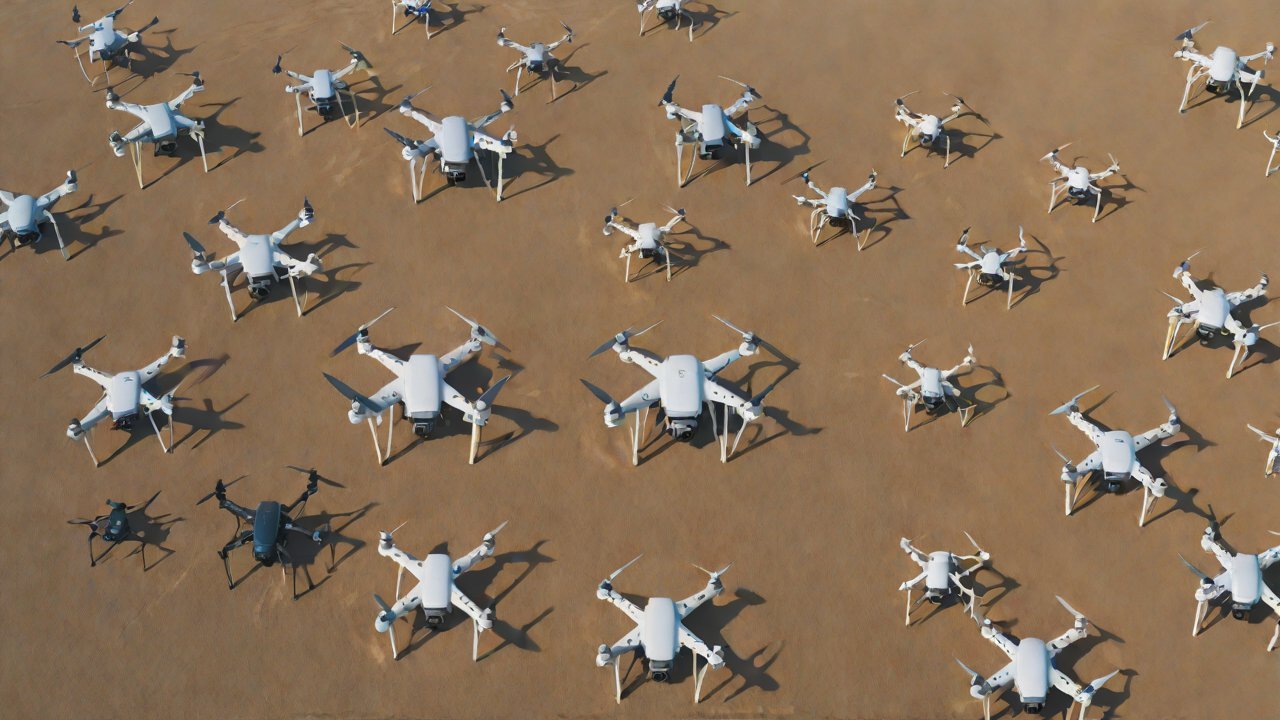
The platform’s technical capabilities are impressive, but it is essential to evaluate its ability to manage drone fleets operating across provinces. We will examine the platform’s performance in handling large volumes of data, its ability to scale with increasing demand, and its security features.
2. Operational Capabilities
The operational capabilities of the IoT cloud platform are critical in managing drone fleets across provinces. We will evaluate the platform’s ability to:
- Handle multiple drone fleets operating in different provinces
- Manage diverse drone types and configurations
- Integrate with various communication protocols and standards
- Provide real-time monitoring and control of drone operations
The platform’s operational capabilities are extensive, but we must consider the challenges of managing drone fleets across different provinces, including:
- Varying communication protocols and standards
- Diverse drone types and configurations
- Different regulatory frameworks and laws
3. Market Analysis
The market for IoT cloud platforms in drone management is growing rapidly, driven by increasing demand for efficient and cost-effective drone operations. According to a recent market research report, the global drone management market is expected to reach $1.4 billion by 2025, growing at a CAGR of 23.5%.
| Market Segment | 2020 | 2025 |
|---|---|---|
| Industrial | $250M | $650M |
| Agriculture | $150M | $350M |
| Construction | $100M | $250M |
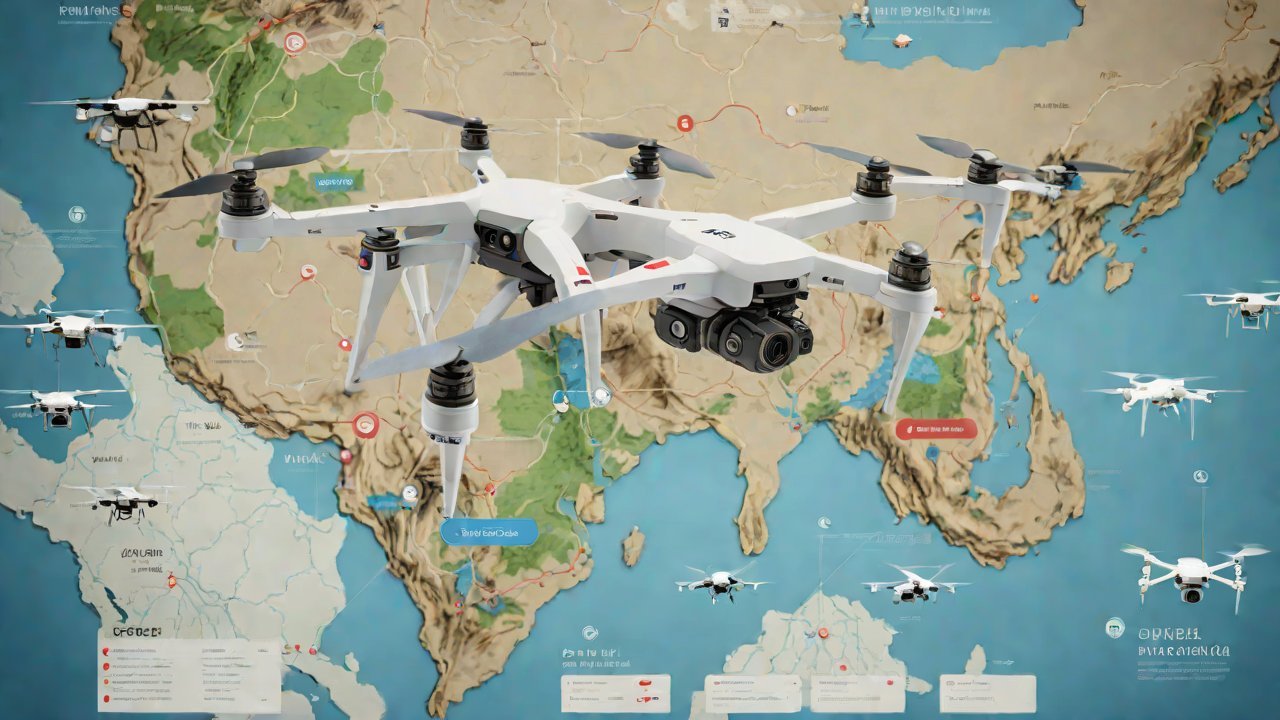
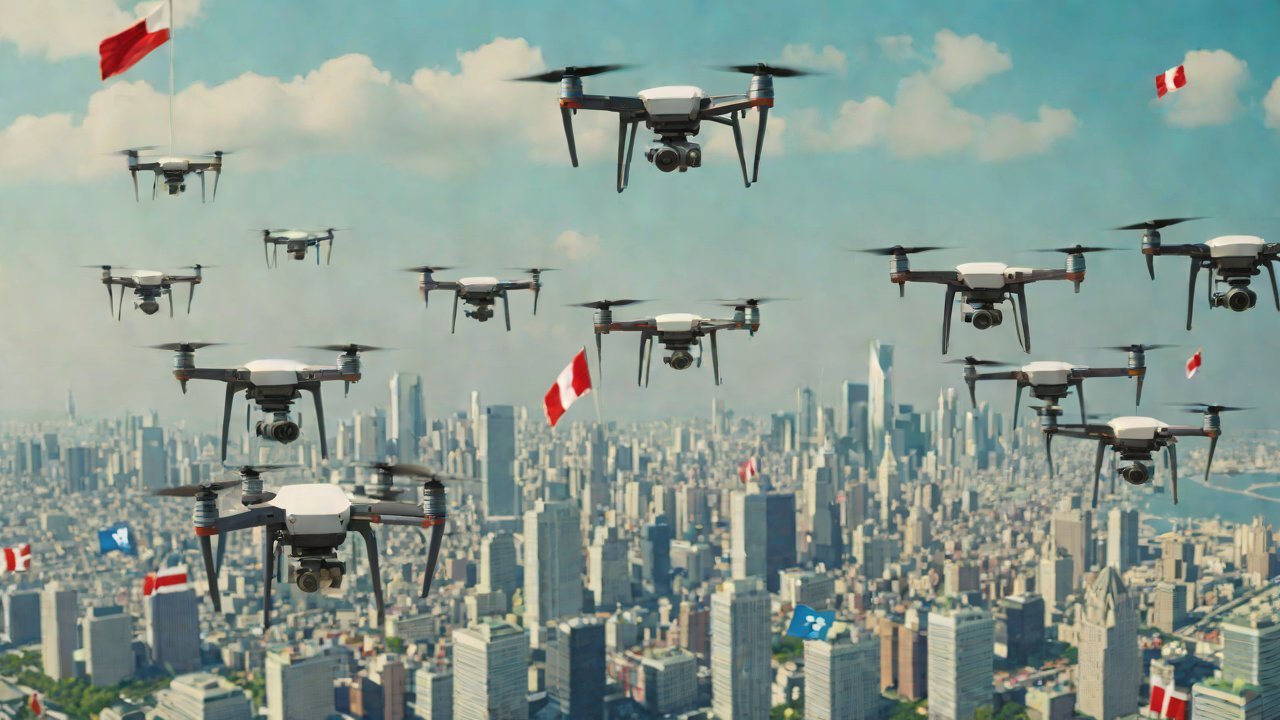
The market analysis highlights the growing demand for IoT cloud platforms in drone management, but we must consider the competitive landscape and the platform’s market share.
4. Security and Compliance
The security and compliance features of the IoT cloud platform are critical in managing drone fleets across provinces. We will evaluate the platform’s ability to:
- Ensure secure data transmission and storage
- Comply with various regulatory frameworks and laws
- Provide real-time monitoring and alerts for security breaches
The platform’s security and compliance features are robust, but we must consider the challenges of ensuring security and compliance in managing drone fleets across different provinces.
5. Scalability and Flexibility
The scalability and flexibility of the IoT cloud platform are essential in managing drone fleets operating across provinces. We will evaluate the platform’s ability to:
- Handle large volumes of data and increasing demand
- Integrate with various communication protocols and standards
- Provide real-time monitoring and control of drone operations
The platform’s scalability and flexibility are impressive, but we must consider the challenges of managing drone fleets across different provinces.
6. Conclusion
In conclusion, the IoT cloud platform in question has impressive technical, operational, and market capabilities. However, its ability to manage drone fleets operating across provinces is subject to various challenges and limitations. The platform’s performance in handling large volumes of data, its ability to scale with increasing demand, and its security features are critical in ensuring efficient and cost-effective drone operations.
Recommendations:
- Conduct thorough testing and validation of the platform’s performance in managing drone fleets across provinces
- Integrate the platform with various communication protocols and standards to ensure seamless integration
- Provide regular security updates and patches to ensure the platform’s security features remain robust
By addressing these challenges and limitations, the IoT cloud platform can provide a robust and efficient solution for managing drone fleets operating across provinces.
IOT Cloud Platform
IOT Cloud Platform is an IoT portal established by a Chinese IoT company, focusing on technical solutions in the fields of agricultural IoT, industrial IoT, medical IoT, security IoT, military IoT, meteorological IoT, consumer IoT, automotive IoT, commercial IoT, infrastructure IoT, smart warehousing and logistics, smart home, smart city, smart healthcare, smart lighting, etc.
The IoT Cloud Platform blog is a top IoT technology stack, providing technical knowledge on IoT, robotics, artificial intelligence (generative artificial intelligence AIGC), edge computing, AR/VR, cloud computing, quantum computing, blockchain, smart surveillance cameras, drones, RFID tags, gateways, GPS, 3D printing, 4D printing, autonomous driving, etc.