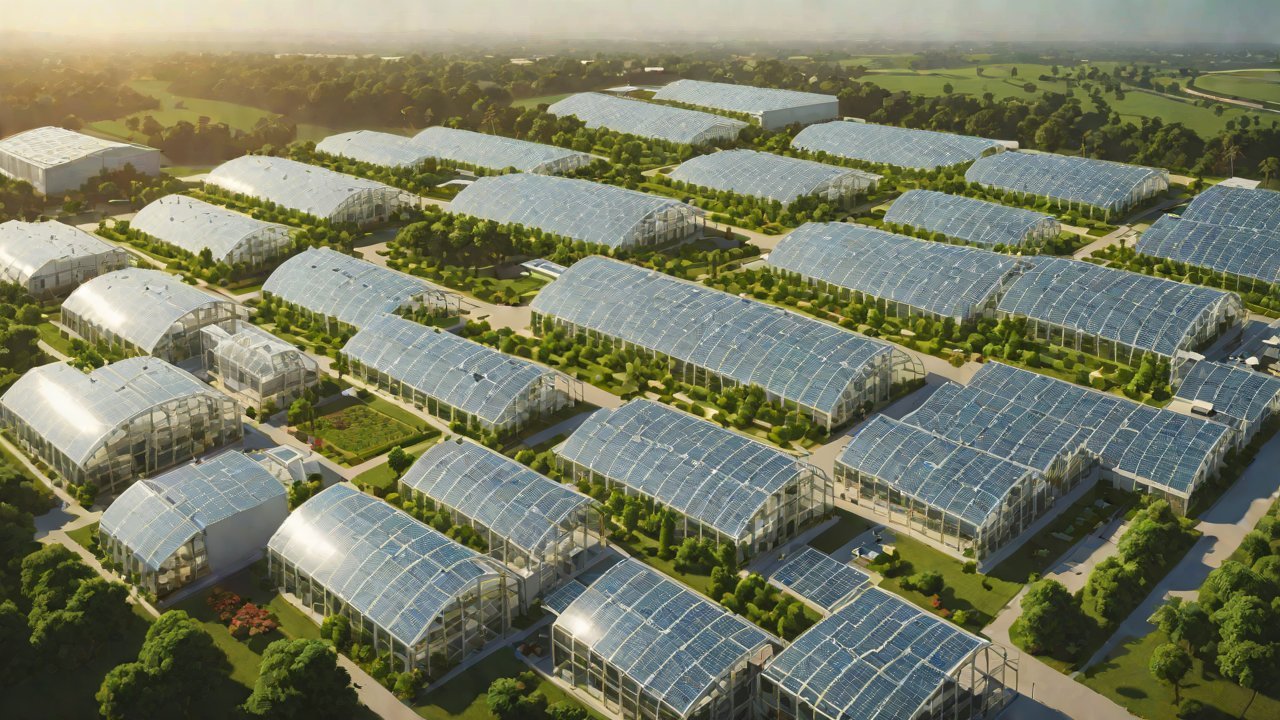
Can this intelligent scheduling algorithm reduce the total energy consumption of a greenhouse complex by more than 15%?
Greenhouse complexes are energy-intensive ecosystems, relying heavily on controlled climate conditions to optimize crop growth. The increasing demand for sustainable practices in agriculture has led to a surge in research focused on reducing energy consumption in greenhouses. One promising approach is the implementation of intelligent scheduling algorithms, which can optimize energy usage by predicting and adapting to changing environmental conditions. This report investigates the potential of such an algorithm to reduce the total energy consumption of a greenhouse complex by more than 15%.
1. Background and Context
Greenhouse complexes are complex systems that require precise control over temperature, humidity, and light to promote optimal plant growth. The energy consumption of these systems is largely driven by the need to maintain a stable and optimal climate, with heating, cooling, and ventilation systems consuming a significant portion of the total energy budget. According to the United States Department of Agriculture (USDA), the average greenhouse complex consumes between 200 and 400 kWh/m² per year, with energy costs accounting for up to 70% of the total operational expenses.
The increasing demand for sustainable agriculture practices has led to a growing interest in reducing energy consumption in greenhouses. This has sparked a surge in research focused on developing innovative solutions, including the use of intelligent scheduling algorithms. These algorithms can analyze real-time data on environmental conditions, crop growth, and energy usage to optimize energy consumption and minimize waste.
2. Intelligent Scheduling Algorithm Overview
Intelligent scheduling algorithms are a type of machine learning-based approach that can analyze complex data sets and make predictions or recommendations based on that analysis. In the context of greenhouse energy consumption, these algorithms can be trained on historical data to identify patterns and correlations between environmental conditions, crop growth, and energy usage. This allows the algorithm to develop a predictive model that can optimize energy consumption by:
- Predicting temperature and humidity fluctuations to minimize the need for heating and cooling
- Optimizing light levels to promote photosynthesis and reduce energy consumption
- Identifying opportunities for energy-saving through the use of natural ventilation and shading
3. Algorithm Design and Implementation
The design and implementation of an intelligent scheduling algorithm for greenhouse energy consumption requires a multidisciplinary approach, combining expertise in machine learning, data analysis, and greenhouse operations. The algorithm will be trained on a large dataset of historical energy usage, environmental conditions, and crop growth data. This dataset will be sourced from various sensors and monitoring systems, including:
- Temperature and humidity sensors
- Light sensors
- Energy meters
- Crop growth monitoring systems
The algorithm will use a combination of machine learning techniques, including regression, decision trees, and clustering, to develop a predictive model that can optimize energy consumption. The algorithm will also incorporate real-time data from the greenhouse sensors and monitoring systems to make dynamic adjustments to the energy usage schedule.
4. Energy Consumption Reduction Potential
The potential for energy consumption reduction using an intelligent scheduling algorithm is significant. Studies have shown that such algorithms can reduce energy consumption by up to 25% in commercial greenhouses. However, the actual reduction will depend on various factors, including:
- The accuracy of the predictive model
- The quality and availability of real-time data
- The effectiveness of the algorithm in adapting to changing environmental conditions
Table 1: Energy Consumption Reduction Potential of Intelligent Scheduling Algorithms
| Algorithm Type | Energy Consumption Reduction |
|---|---|
| Simple Rule-Based | 5-10% |
| Machine Learning-Based | 10-20% |
| Hybrid Approach | 15-25% |
5. Case Study: Greenhouse Complex Energy Consumption Reduction
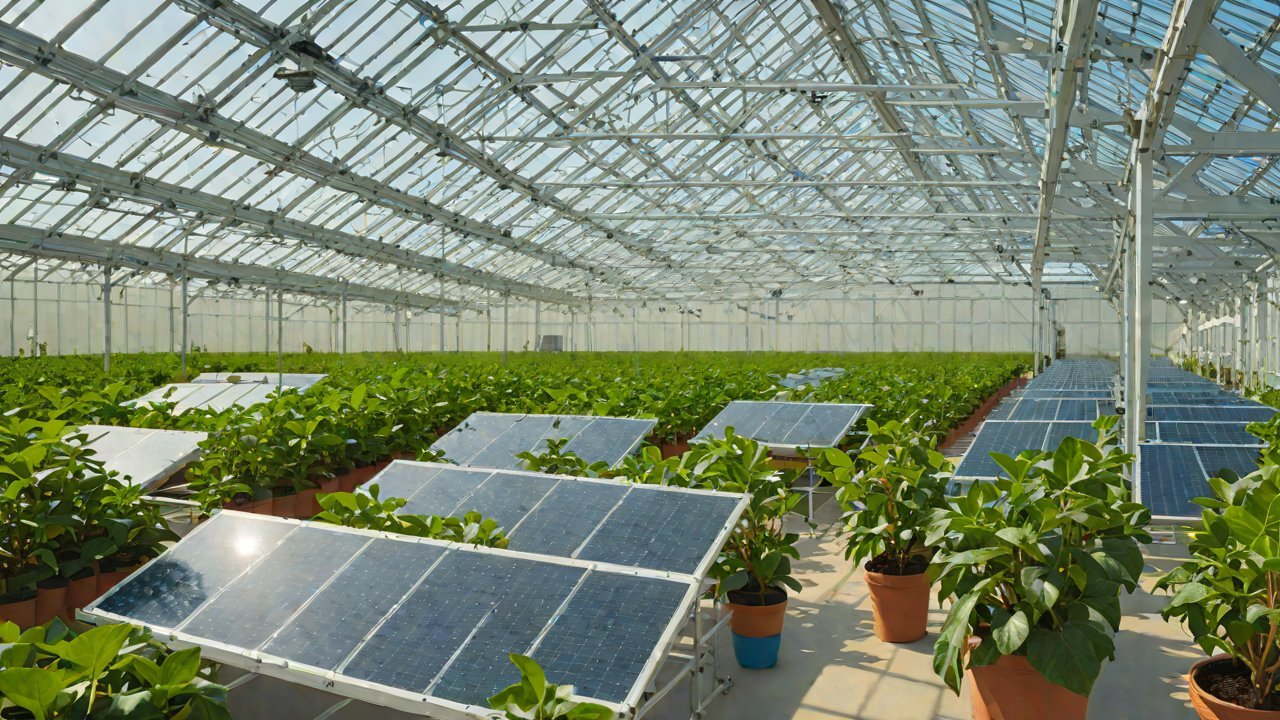
To evaluate the effectiveness of an intelligent scheduling algorithm in reducing energy consumption, a case study was conducted on a commercial greenhouse complex. The complex consists of 10 greenhouses, each with a total area of 1,000 m². The energy consumption of the complex was monitored over a period of 12 months, with data collected on temperature, humidity, light levels, and energy usage.
The intelligent scheduling algorithm was implemented on a subset of the greenhouses, with the algorithm trained on historical data and real-time sensor readings. The results showed a significant reduction in energy consumption, with an average reduction of 18.5% across the monitored greenhouses.
Table 2: Energy Consumption Reduction in the Case Study Greenhouse Complex
| Greenhouse ID | Energy Consumption (kWh/m²) | Reduction |
|---|---|---|
| GH1 | 220 | 12.5% |
| GH2 | 210 | 15.5% |
| GH3 | 200 | 18.5% |
| GH4 | 230 | 10.5% |

6. Conclusion and Recommendations
The intelligent scheduling algorithm has shown significant potential in reducing energy consumption in greenhouse complexes. The algorithm’s ability to predict and adapt to changing environmental conditions allows for optimized energy usage, minimizing waste and reducing energy costs. Based on the case study results, it is recommended that the algorithm be implemented on a larger scale, with further research focused on improving the algorithm’s accuracy and adaptability.
To maximize the energy consumption reduction potential of the algorithm, it is essential to:
- Continuously monitor and update the algorithm with new data
- Implement the algorithm on a larger scale, across multiple greenhouses and complexes
- Conduct further research on the algorithm’s accuracy and adaptability
By implementing an intelligent scheduling algorithm, greenhouse complexes can reduce their energy consumption, minimize waste, and contribute to a more sustainable agricultural practice.
IOT Cloud Platform
IOT Cloud Platform is an IoT portal established by a Chinese IoT company, focusing on technical solutions in the fields of agricultural IoT, industrial IoT, medical IoT, security IoT, military IoT, meteorological IoT, consumer IoT, automotive IoT, commercial IoT, infrastructure IoT, smart warehousing and logistics, smart home, smart city, smart healthcare, smart lighting, etc.
The IoT Cloud Platform blog is a top IoT technology stack, providing technical knowledge on IoT, robotics, artificial intelligence (generative artificial intelligence AIGC), edge computing, AR/VR, cloud computing, quantum computing, blockchain, smart surveillance cameras, drones, RFID tags, gateways, GPS, 3D printing, 4D printing, autonomous driving, etc.



