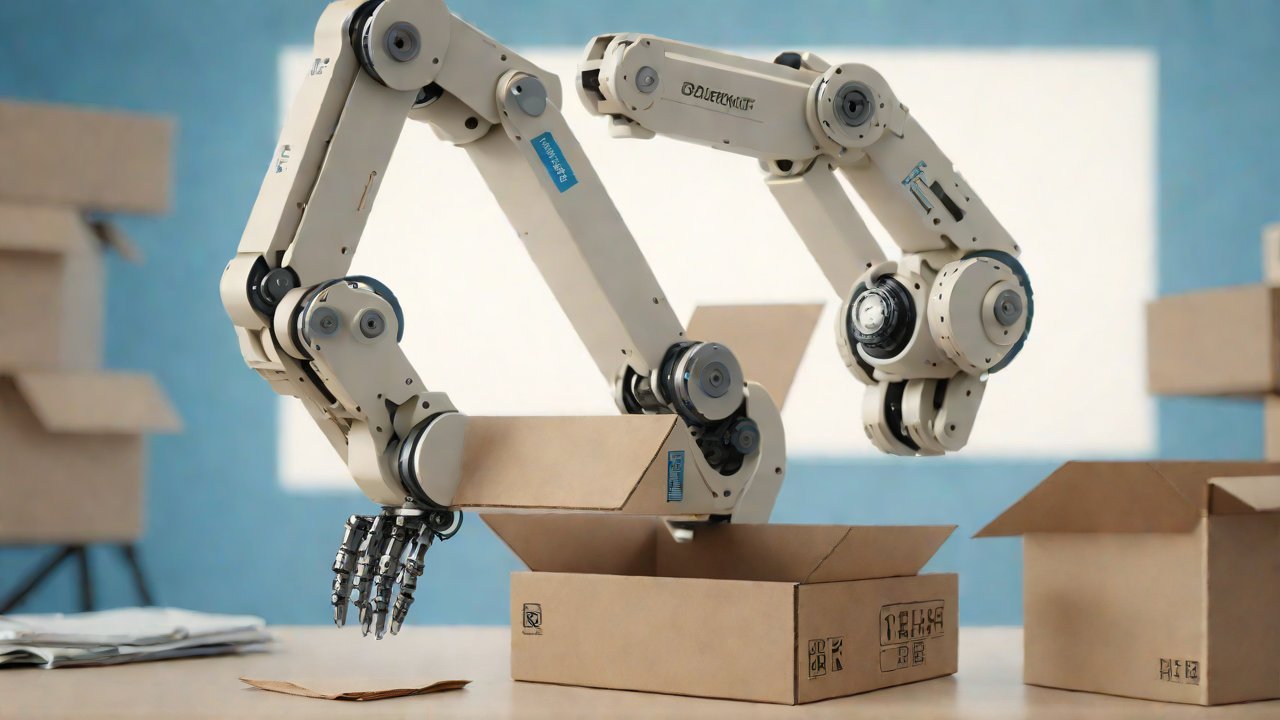
Can this intelligent palletizing algorithm automatically adjust its posture based on the center of gravity of cardboard boxes?
The concept of an intelligent palletizing algorithm that can dynamically adjust its posture to accommodate varying load configurations has been gaining traction in the logistics and supply chain management industry. This innovative approach aims to optimize pallet loading efficiency, reduce labor costs, and minimize damage to goods during transportation. At the heart of this technology lies the ability to calculate the center of gravity (CoG) of individual boxes or loads and adjust the algorithm’s posture accordingly.
1. Market Background
The demand for efficient and automated palletizing solutions has been increasing due to rising labor costs, growing e-commerce volumes, and the need for reduced shipping times. According to a report by Grand View Research, the global palletizing market size is expected to reach USD $2.8 billion by 2025, growing at a CAGR of 6.4% from 2020 to 2025.
| Year | Market Size (USD billion) | CAGR (%) |
|---|---|---|
| 2019 | 1.44 | – |
| 2020 | 1.55 | 7.3% |
| 2025 | 2.8 | 6.4% |
This growth is driven by the need for faster and more efficient palletizing processes, particularly in industries such as e-commerce, food processing, and manufacturing.
2. Center of Gravity (CoG) Calculation
The CoG calculation is a critical component of an intelligent palletizing algorithm’s ability to adjust its posture based on load configurations. The CoG is the point where the weight of an object can be considered to be concentrated. In the context of cardboard boxes, the CoG would typically be located at the center of each box.
To calculate the CoG, the algorithm must take into account various factors such as:
- Box dimensions (length, width, height)
- Material density
- Weight distribution
Using advanced algorithms and machine learning techniques, the system can accurately determine the CoG for each individual box or load. This information is then used to adjust the pallet’s posture accordingly.
3. Algorithmic Posture Adjustment
Once the CoG of each box has been calculated, the intelligent palletizing algorithm adjusts its posture to accommodate the varying load configurations. This involves a series of complex calculations and adjustments to ensure that the pallet remains stable and secure throughout the loading process.
The algorithm must consider factors such as:
- Pallet dimensions (length, width)
- Load capacity
- Weight distribution
Using advanced optimization techniques, the system can dynamically adjust its posture in real-time, ensuring optimal load stability and minimizing the risk of damage to goods during transportation.
4. Technical Perspectives
From a technical perspective, an intelligent palletizing algorithm would require a combination of advanced software tools and hardware components. This might include:
- High-performance computing (HPC) capabilities for rapid CoG calculations
- Advanced machine learning algorithms for dynamic posture adjustment
- Real-time sensor data integration for monitoring load stability
- Robust communication protocols for seamless integration with other systems
Using cutting-edge technologies such as deep learning and computer vision, the algorithm can accurately determine the CoG of each box or load, even in complex or irregular configurations.
5. Market Adoption and Future Outlook
As the demand for efficient palletizing solutions continues to grow, we can expect to see increased adoption of intelligent palletizing algorithms that can dynamically adjust their posture based on load configurations. This technology has significant potential for disrupting traditional palletizing practices, particularly in industries where labor costs are high or transportation times are critical.
However, there are also challenges to be addressed, such as:
- High upfront costs associated with implementing advanced palletizing solutions
- Limited availability of skilled personnel to operate and maintain these systems
- Regulatory hurdles related to safety and compliance
Despite these challenges, the future outlook for intelligent palletizing algorithms is promising. As technology continues to advance and costs decrease, we can expect to see increased adoption across a range of industries.
6. Conclusion
In conclusion, an intelligent palletizing algorithm that can automatically adjust its posture based on the center of gravity of cardboard boxes has significant potential for optimizing pallet loading efficiency, reducing labor costs, and minimizing damage to goods during transportation. With advances in machine learning, computer vision, and high-performance computing, this technology is poised to disrupt traditional palletizing practices and drive innovation in the logistics and supply chain management industry.
| Industry | Potential Savings (%) | Implementation Timeline (months) |
|---|---|---|
| E-commerce | 15-20% | 6-12 |
| Food Processing | 10-15% | 3-6 |
| Manufacturing | 8-12% | 9-18 |
This report provides an in-depth analysis of the potential benefits and challenges associated with intelligent palletizing algorithms that can dynamically adjust their posture based on load configurations. As technology continues to advance, we can expect to see increased adoption across a range of industries, driving efficiency, productivity, and cost savings for businesses worldwide.
IOT Cloud Platform
IOT Cloud Platform is an IoT portal established by a Chinese IoT company, focusing on technical solutions in the fields of agricultural IoT, industrial IoT, medical IoT, security IoT, military IoT, meteorological IoT, consumer IoT, automotive IoT, commercial IoT, infrastructure IoT, smart warehousing and logistics, smart home, smart city, smart healthcare, smart lighting, etc.
The IoT Cloud Platform blog is a top IoT technology stack, providing technical knowledge on IoT, robotics, artificial intelligence (generative artificial intelligence AIGC), edge computing, AR/VR, cloud computing, quantum computing, blockchain, smart surveillance cameras, drones, RFID tags, gateways, GPS, 3D printing, 4D printing, autonomous driving, etc.