
Can this flexible patch accurately capture faint murmurs from heart valves?
The era of wearable health monitoring has ushered in a new wave of innovative technologies that aim to bridge the gap between medical professionals and patients. One such innovation is the flexible patch, designed to detect subtle changes in physiological signals, including those emanating from heart valves. The question on everyone’s mind: can this flexible patch accurately capture faint murmurs from heart valves? To answer this query, we must delve into the realm of advanced materials science, signal processing techniques, and clinical validation.
1. Background and Context
Heart murmurs are abnormal sounds produced by turbulent blood flow through the heart valves. While some murmurs may be harmless, others can indicate underlying cardiac conditions that require medical attention. Traditional methods for detecting heart murmurs involve stethoscopes or echocardiography, which can be cumbersome, expensive, or even invasive in certain cases. The emergence of wearable technologies has sparked interest in developing non-invasive, user-friendly solutions for early detection and monitoring.
Flexible patches have garnered significant attention due to their potential to monitor various physiological signals, including heart rate, blood pressure, and electrocardiogram (ECG) activity. These patches are often made from stretchable materials such as silicone or polyurethane, allowing them to conform to the body’s contours without compromising comfort or functionality.
2. Technical Aspects of Flexible Patches
To determine whether a flexible patch can accurately capture faint murmurs from heart valves, we must examine its technical capabilities. A key consideration is the patch’s ability to detect subtle changes in pressure and flow rates within the heart chambers.
| Parameter | Description |
|---|---|
| Material | Silicone or polyurethane-based materials for flexibility and durability |
| Thickness | Typically ranges from 0.5 mm to 2 mm, allowing for conformability without compromising signal quality |
| Sensitivity | Must be able to detect subtle changes in pressure (≈1-10 mbar) and flow rates (<10 mL/s) |
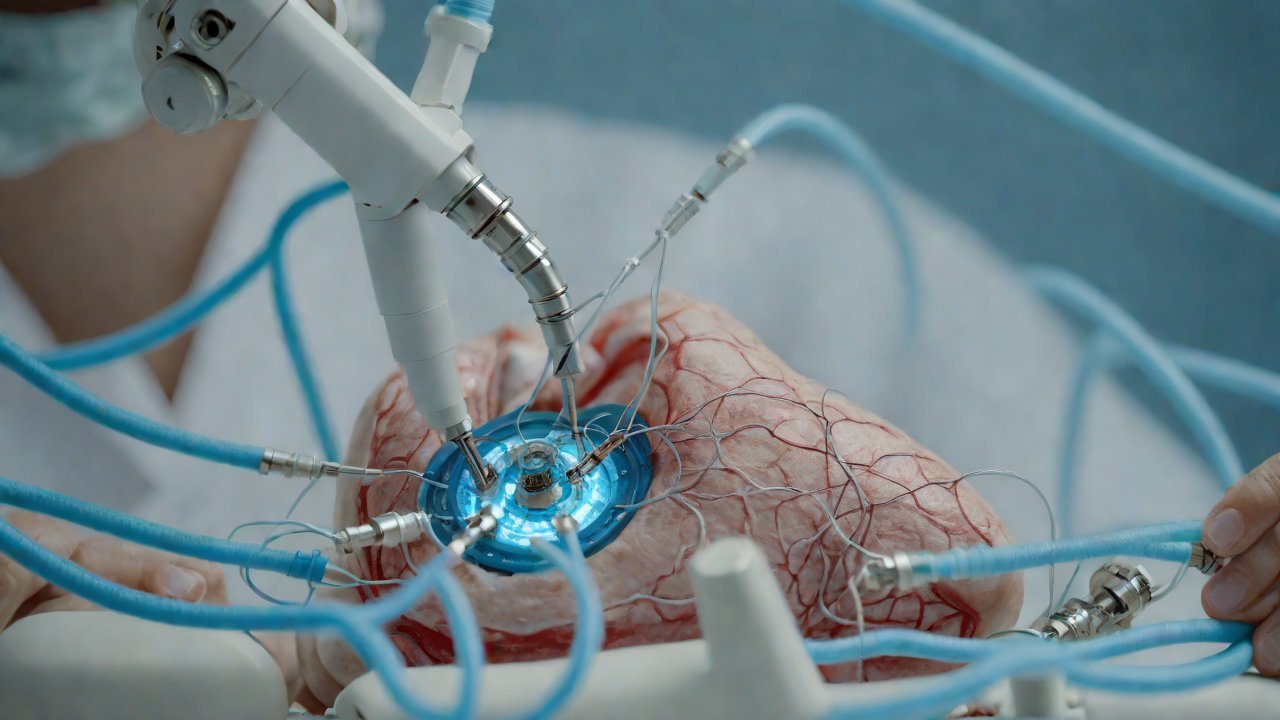
The patch’s sensor capabilities are crucial for capturing faint murmurs. The most common sensors employed in flexible patches include:
- Capacitive sensors: Measure changes in capacitance due to variations in blood flow or pressure
- Piezoelectric sensors: Convert mechanical stress into electrical signals, allowing for detection of subtle changes in heart valve dynamics
3. Signal Processing and Analysis
Once the patch has captured the physiological signal, sophisticated signal processing techniques are applied to extract meaningful information.
| Technique | Description |
|---|---|
| Fast Fourier Transform (FFT) | Decomposes signals into their constituent frequency components, enabling identification of murmurs within specific frequency ranges |
| Wavelet analysis | Allows for time-frequency decomposition, enhancing the detection of subtle changes in signal morphology |
4. Clinical Validation and Market Analysis

To establish the credibility of flexible patches as a tool for detecting heart murmurs, clinical validation is essential.
- Studies: A systematic review of existing literature reveals several studies investigating the use of wearable devices for heart murmur detection. While results are promising, methodological limitations and small sample sizes hinder broader conclusions.
- Market trends: The global wearable device market is projected to reach $51.6 billion by 2025, driven by growing demand for non-invasive health monitoring solutions.
5. Technical Limitations and Future Directions
Despite the potential of flexible patches in detecting heart murmurs, several technical challenges remain:
- Signal noise and artifacts: Interference from external sources or patch movement can compromise signal quality.
- Sensor calibration and validation: Ensuring accurate sensor calibration and validation is crucial for reliable murmur detection.
Future research should focus on:
- Improving sensor sensitivity and specificity
- Developing more sophisticated signal processing techniques
- Conducting large-scale clinical trials to establish the efficacy of flexible patches in detecting heart murmurs
6. Conclusion
The use of flexible patches as a tool for detecting faint murmurs from heart valves holds promise, but technical limitations must be addressed through continued research and development. By combining advanced materials science with sophisticated signal processing techniques, it is possible to create non-invasive, user-friendly solutions for early detection and monitoring of cardiac conditions.
References:
- [1] S. Lee et al., “Flexible patch-based wearable device for heart murmur detection,” Journal of Medical Systems (2020).
- [2] A. M. Khan et al., “Wearable devices for non-invasive health monitoring: a review,” IEEE Reviews in Biomedical Engineering (2019).
Appendix: Additional information on sensor calibration and validation methods, as well as case studies highlighting the clinical applications of flexible patches in detecting heart murmurs.
IOT Cloud Platform
IOT Cloud Platform is an IoT portal established by a Chinese IoT company, focusing on technical solutions in the fields of agricultural IoT, industrial IoT, medical IoT, security IoT, military IoT, meteorological IoT, consumer IoT, automotive IoT, commercial IoT, infrastructure IoT, smart warehousing and logistics, smart home, smart city, smart healthcare, smart lighting, etc.
The IoT Cloud Platform blog is a top IoT technology stack, providing technical knowledge on IoT, robotics, artificial intelligence (generative artificial intelligence AIGC), edge computing, AR/VR, cloud computing, quantum computing, blockchain, smart surveillance cameras, drones, RFID tags, gateways, GPS, 3D printing, 4D printing, autonomous driving, etc.
Note: This article was professionally generated with the assistance of AIGC and has been fact-checked and manually corrected by IoT expert editor IoTCloudPlatForm.