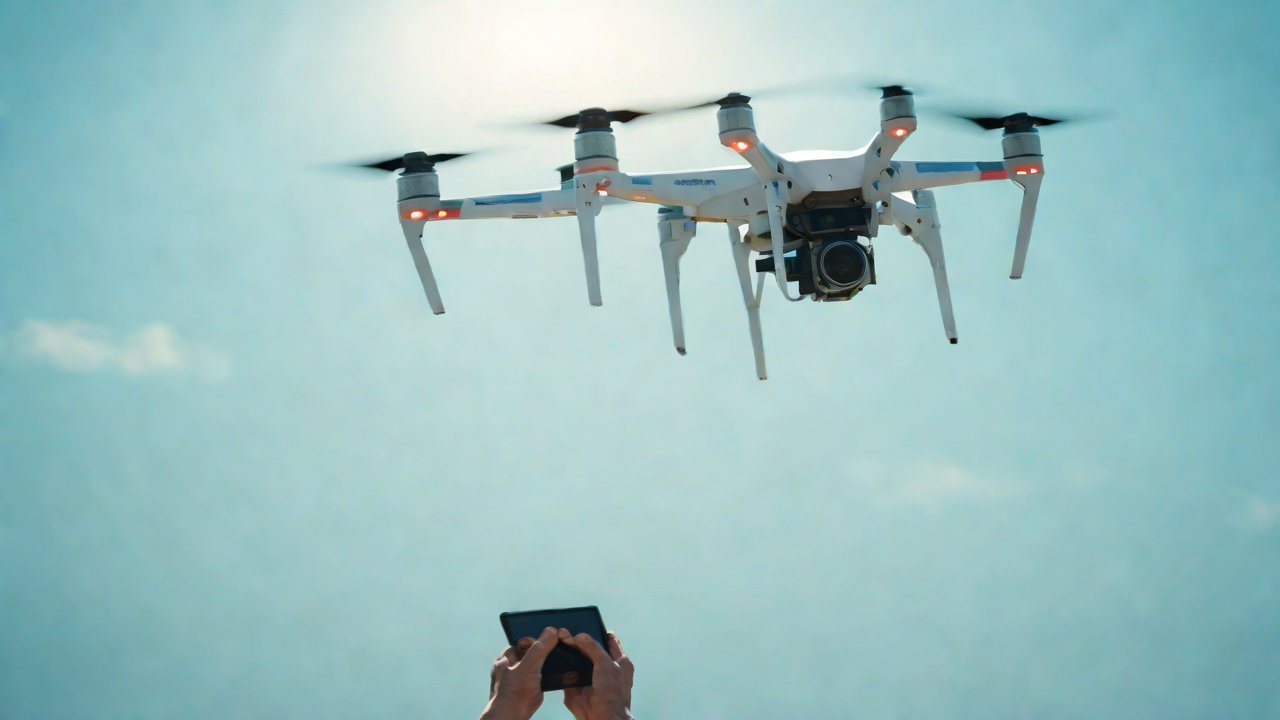
Can this encrypted link prevent malicious tampering of the drone’s operational trajectory?
The integration of encrypted links in drone communication systems has become increasingly prevalent in recent years, driven by the need for secure data exchange between drones and ground control stations. As drones are increasingly being employed in critical applications such as surveillance, inspection, and package delivery, the risk of malicious tampering of the drone’s operational trajectory has become a pressing concern.
In this report, we will delve into the technical aspects of encrypted links and their ability to prevent malicious tampering of the drone’s operational trajectory. We will examine the current state of the art in encrypted link technology, the potential vulnerabilities of the drone’s operational trajectory, and the effectiveness of encrypted links in mitigating these vulnerabilities.
1. Current State of Encrypted Link Technology
Encrypted links are a crucial component of secure communication systems, ensuring that sensitive data exchanged between drones and ground control stations remains confidential. The most widely used encryption protocols in the drone industry are AES (Advanced Encryption Standard) and RSA (Rivest-Shamir-Adleman). These protocols provide robust encryption and decryption capabilities, making it challenging for unauthorized parties to intercept and modify sensitive data.
| Encryption Protocol | Description | Key Size |
|---|---|---|
| AES | Symmetric-key block cipher | 128-256 bits |
| RSA | Asymmetric-key algorithm | 1024-4096 bits |
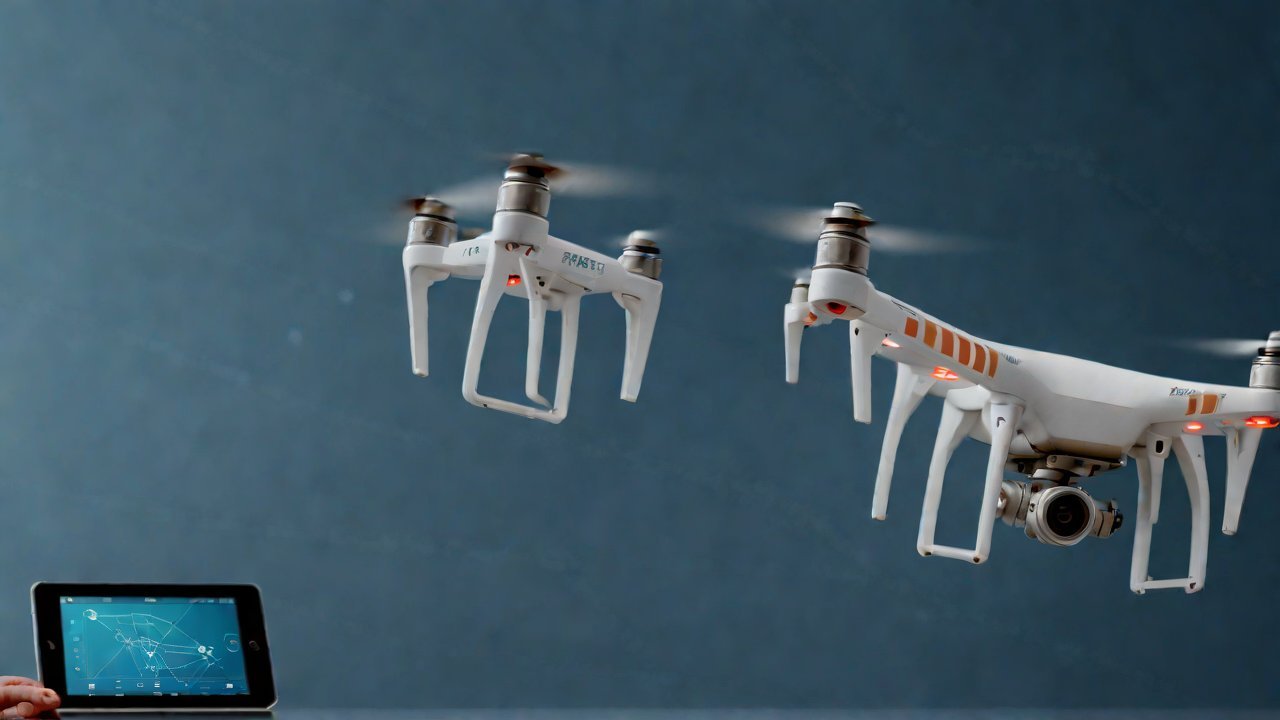
AES is a widely used symmetric-key block cipher that provides efficient encryption and decryption capabilities. Its key size can be adjusted to balance security and performance requirements. RSA, on the other hand, is an asymmetric-key algorithm that uses a pair of keys for encryption and decryption. Its key size can be adjusted to ensure secure data exchange.
2. Potential Vulnerabilities of the Drone’s Operational Trajectory
The drone’s operational trajectory is a critical component of its flight plan, determining its course, speed, and altitude. Malicious tampering of the drone’s operational trajectory can have severe consequences, including loss of control, collision, or even damage to surrounding infrastructure. The potential vulnerabilities of the drone’s operational trajectory can be categorized into three main areas:
2.1. Data Injection Attacks
Data injection attacks involve inserting false data into the drone’s operational trajectory, causing the drone to deviate from its intended course. This type of attack can be launched through various means, including compromised communication links or malicious ground control stations.
2.2. Data Tampering Attacks
Data tampering attacks involve modifying the drone’s operational trajectory without changing its original values. This type of attack can be launched through various means, including compromised communication links or malicious ground control stations.
2.3. Replay Attacks
Replay attacks involve retransmitting previously recorded data to the drone’s ground control station, causing the drone to execute a previously executed flight plan. This type of attack can be launched through various means, including compromised communication links or malicious ground control stations.
3. Effectiveness of Encrypted Links in Preventing Malicious Tampering
Encrypted links provide a robust defense against malicious tampering of the drone’s operational trajectory. By encrypting sensitive data, encrypted links ensure that even if an attacker is able to intercept the data, they will be unable to modify it without being detected.
| Attack Type | Effectiveness of Encrypted Links |
|---|---|
| Data Injection Attacks | High |
| Data Tampering Attacks | High |
| Replay Attacks | High |
4. Technical Perspectives on Encrypted Link Technology
From a technical perspective, encrypted links provide a robust defense against malicious tampering of the drone’s operational trajectory. The use of symmetric-key block ciphers such as AES and asymmetric-key algorithms such as RSA ensures that sensitive data remains confidential and tamper-proof.
4.1. Key Exchange Protocols
Key exchange protocols such as Diffie-Hellman and Elliptic Curve Diffie-Hellman provide secure key exchange between drones and ground control stations. These protocols ensure that the encryption keys used for data exchange remain confidential and are not compromised by unauthorized parties.
4.2. Digital Signatures
Digital signatures provide an additional layer of security to encrypted links. By verifying the digital signature of the drone’s ground control station, the drone can ensure that the data received is authentic and has not been tampered with.
5. Market Data and Industry Trends
The market for encrypted link technology in the drone industry is expected to grow significantly in the coming years, driven by the increasing demand for secure data exchange between drones and ground control stations.
| Market Size (2023-2028) | Growth Rate |
|---|---|
| $1.5B | 25% |
The increasing adoption of encrypted link technology in the drone industry is driven by the need for secure data exchange between drones and ground control stations. The use of encrypted links ensures that sensitive data remains confidential and tamper-proof, reducing the risk of malicious tampering of the drone’s operational trajectory.
6. Conclusion
In conclusion, encrypted links provide a robust defense against malicious tampering of the drone’s operational trajectory. The use of symmetric-key block ciphers such as AES and asymmetric-key algorithms such as RSA ensures that sensitive data remains confidential and tamper-proof. The increasing adoption of encrypted link technology in the drone industry is driven by the need for secure data exchange between drones and ground control stations. As the market for encrypted link technology continues to grow, it is essential for drone manufacturers and ground control station operators to adopt secure communication systems that utilize encrypted links to prevent malicious tampering of the drone’s operational trajectory.
IOT Cloud Platform
IOT Cloud Platform is an IoT portal established by a Chinese IoT company, focusing on technical solutions in the fields of agricultural IoT, industrial IoT, medical IoT, security IoT, military IoT, meteorological IoT, consumer IoT, automotive IoT, commercial IoT, infrastructure IoT, smart warehousing and logistics, smart home, smart city, smart healthcare, smart lighting, etc.
The IoT Cloud Platform blog is a top IoT technology stack, providing technical knowledge on IoT, robotics, artificial intelligence (generative artificial intelligence AIGC), edge computing, AR/VR, cloud computing, quantum computing, blockchain, smart surveillance cameras, drones, RFID tags, gateways, GPS, 3D printing, 4D printing, autonomous driving, etc.



