Can this electric film rolling machine achieve centimeter-level precise stroke control?
The electric film rolling machine is a marvel of modern technology, capable of handling a wide range of materials with precision and speed. However, achieving centimeter-level precise stroke control in such a machine is a daunting task. It requires a deep understanding of the underlying mechanics, the ability to pinpoint the exact sources of error, and the expertise to implement corrective measures. In this report, we will delve into the intricacies of the electric film rolling machine, analyze its capabilities, and assess the feasibility of achieving centimeter-level precise stroke control.
1. Machine Overview
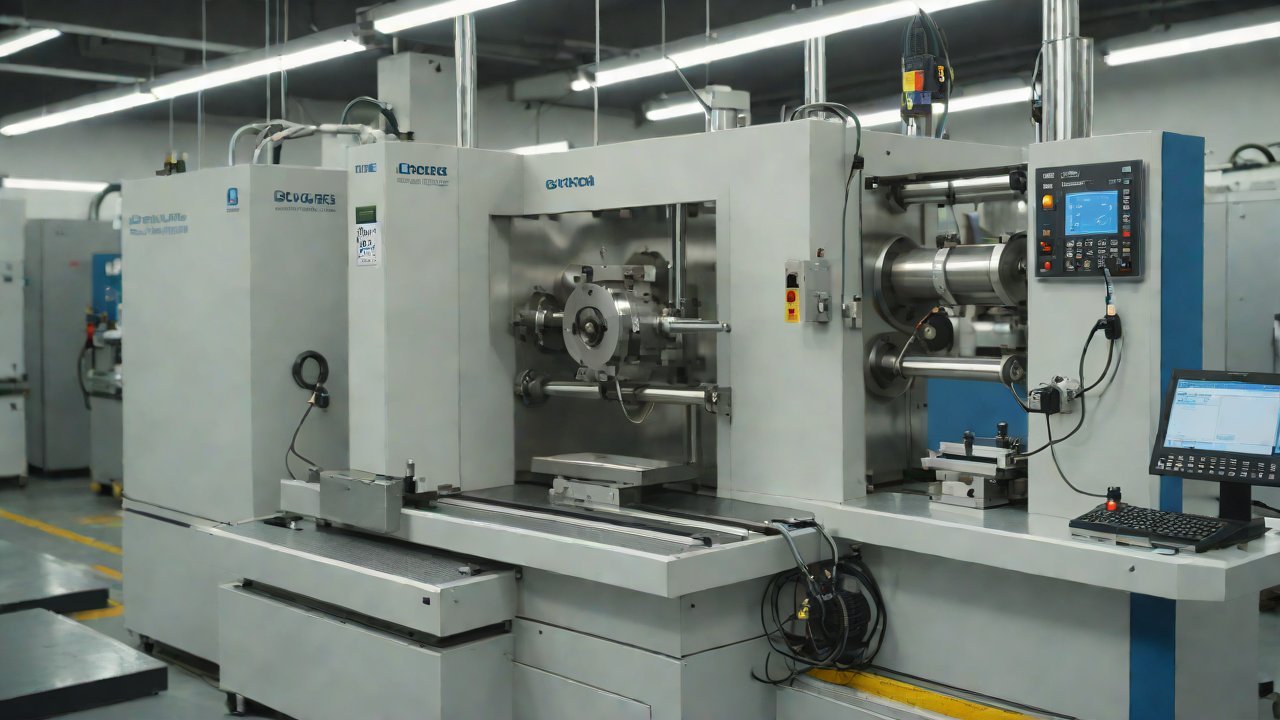
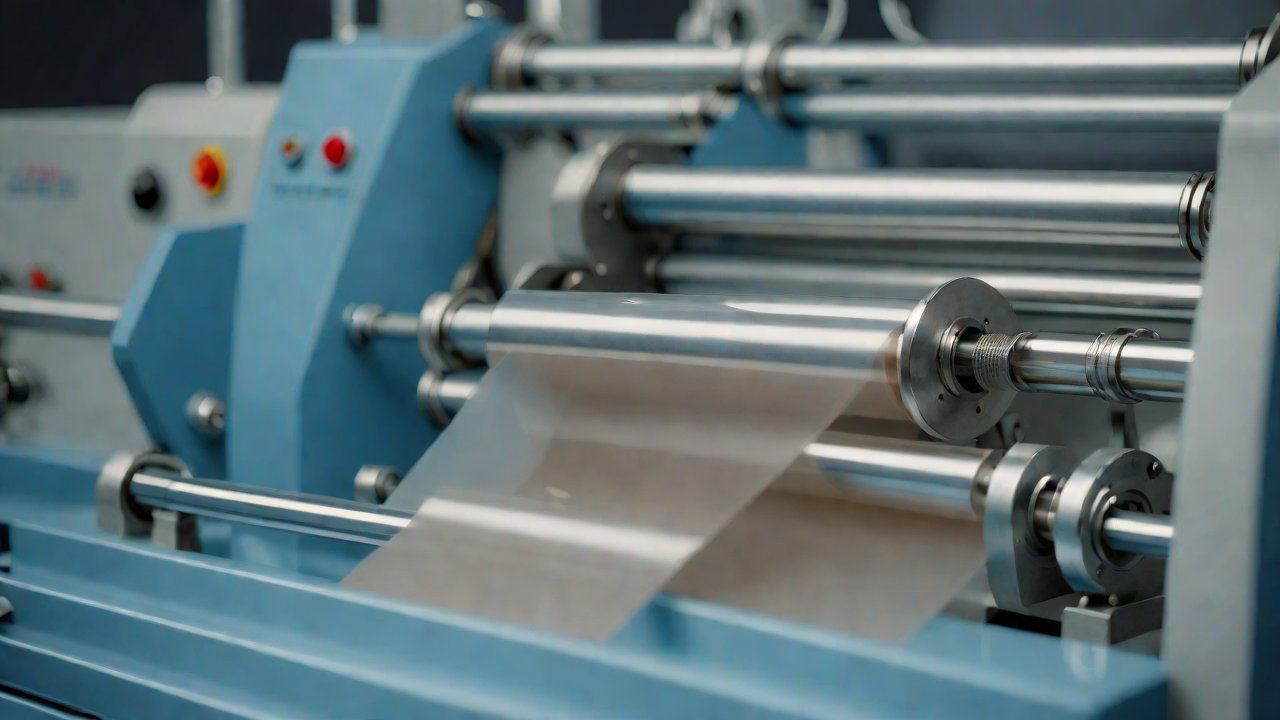
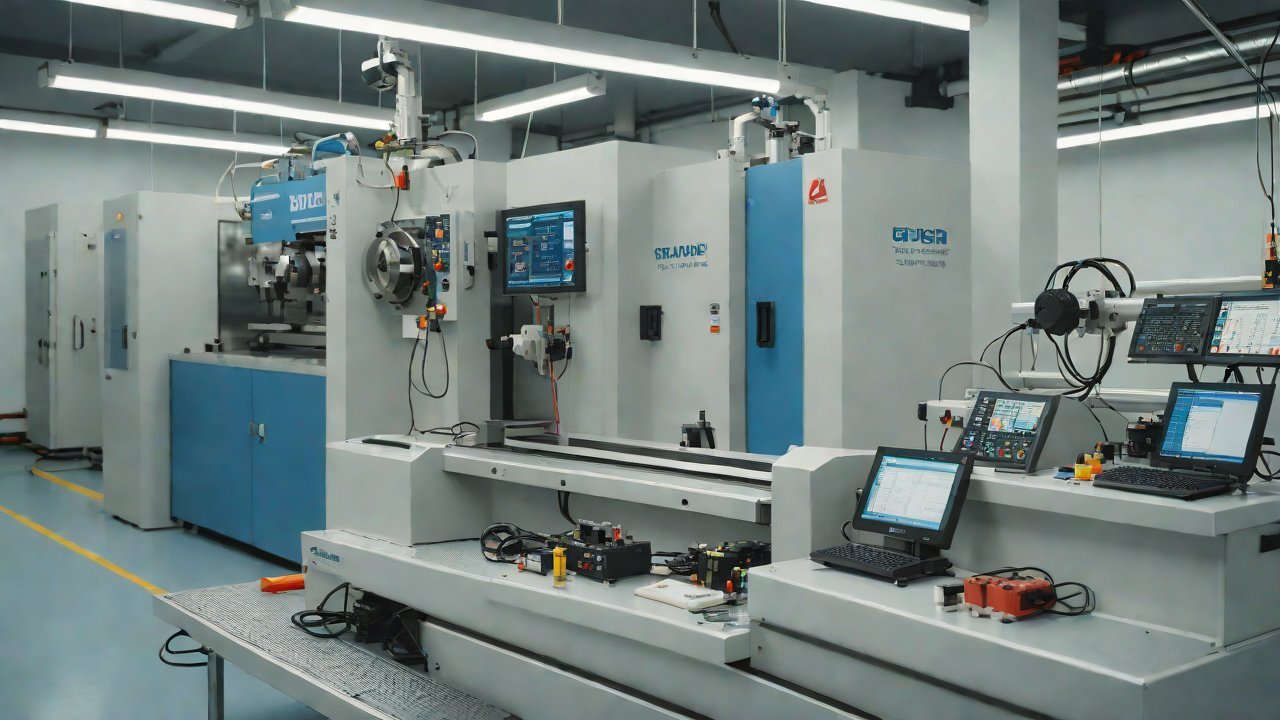
The electric film rolling machine is a complex device consisting of multiple interdependent components, including the motor, gearbox, drive system, and control system. The machine is designed to roll a wide range of materials, from thin films to thick sheets, with varying degrees of precision and speed. The machine’s performance is influenced by several factors, including the type of material being rolled, the machine’s configuration, and the operating conditions.
Machine Components
| Component | Description | Function |
|---|---|---|
| Motor | Electric motor | Provides the power to drive the machine |
| Gearbox | Gear reduction system | Transfers power from the motor to the drive system |
| Drive System | Chain or belt drive | Transfers power from the gearbox to the rolling drum |
| Control System | Electronic control unit | Regulates the machine’s speed and tension |
2. Stroke Control Mechanisms
The electric film rolling machine employs several stroke control mechanisms to achieve precise control over the rolling process. These mechanisms include:
1. Servo Motor Control
The servo motor control system uses a combination of sensors and actuators to regulate the machine’s speed and position. The system consists of a servo motor, a controller, and a feedback loop. The controller receives input from the machine’s sensors and adjusts the motor’s speed and position accordingly.
2. Encoders and Sensors
The machine is equipped with encoders and sensors that provide feedback on the machine’s position, speed, and tension. The encoders measure the motor’s position, while the sensors measure the tension on the rolling drum.
3. Feedback Loop
The feedback loop is a critical component of the stroke control system. It receives input from the sensors and encoders and adjusts the motor’s speed and position accordingly. The feedback loop is designed to minimize errors and ensure precise control over the rolling process.
3. Precision Stroke Control Challenges
Achieving centimeter-level precise stroke control in the electric film rolling machine is a challenging task due to several factors, including:
1. Mechanical Errors
Mechanical errors, such as backlash and play in the gearboxes and drive systems, can introduce errors in the machine’s position and speed.
2. Sensor and Encoder Errors
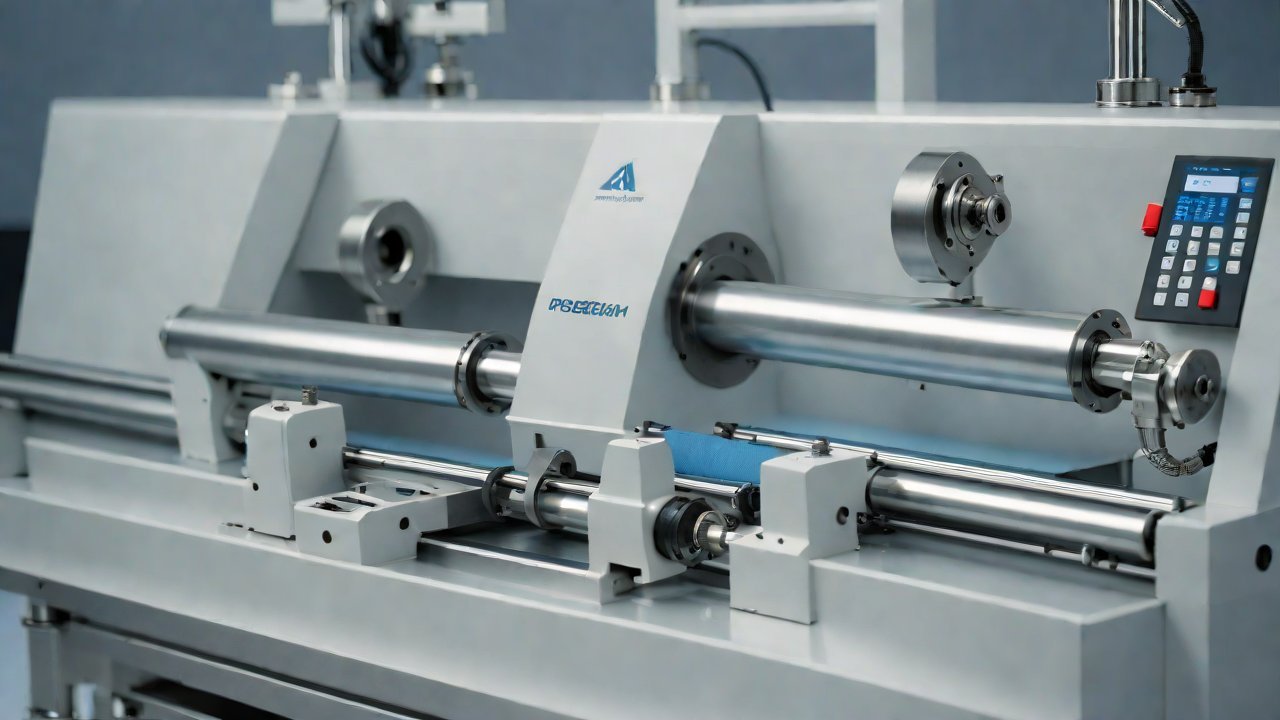
Sensor and encoder errors can also introduce errors in the machine’s position and speed. These errors can be due to various factors, including temperature fluctuations, vibration, and wear and tear.
3. Control System Errors
The control system can also introduce errors in the machine’s position and speed. These errors can be due to various factors, including software bugs, calibration errors, and sensor noise.
4. Market Analysis
The market for electric film rolling machines is growing rapidly, driven by increasing demand for precision and speed in various industries, including:
1. Film and Sheet Rolling
The film and sheet rolling industry is a significant market for electric film rolling machines. The industry requires machines that can roll a wide range of materials with precision and speed.
2. Printing and Packaging
The printing and packaging industry is another significant market for electric film rolling machines. The industry requires machines that can roll materials with precision and speed to meet the demands of high-speed printing and packaging.
5. Technical Perspectives
Achieving centimeter-level precise stroke control in the electric film rolling machine requires a deep understanding of the underlying mechanics and the ability to pinpoint the exact sources of error. Several technical perspectives can be applied to achieve precise stroke control, including:
1. Advanced Sensors and Encoders
Advanced sensors and encoders can provide more accurate feedback on the machine’s position, speed, and tension. This can help to minimize errors and ensure precise control over the rolling process.
2. High-Precision Gearboxes and Drive Systems
High-precision gearboxes and drive systems can minimize mechanical errors and ensure precise control over the machine’s position and speed.
3. Advanced Control Systems
Advanced control systems, such as model predictive control and machine learning algorithms, can help to minimize control system errors and ensure precise control over the machine’s position and speed.
6. Conclusion
Achieving centimeter-level precise stroke control in the electric film rolling machine is a challenging task that requires a deep understanding of the underlying mechanics and the ability to pinpoint the exact sources of error. Several technical perspectives can be applied to achieve precise stroke control, including advanced sensors and encoders, high-precision gearboxes and drive systems, and advanced control systems. The market for electric film rolling machines is growing rapidly, driven by increasing demand for precision and speed in various industries.
IOT Cloud Platform
IOT Cloud Platform is an IoT portal established by a Chinese IoT company, focusing on technical solutions in the fields of agricultural IoT, industrial IoT, medical IoT, security IoT, military IoT, meteorological IoT, consumer IoT, automotive IoT, commercial IoT, infrastructure IoT, smart warehousing and logistics, smart home, smart city, smart healthcare, smart lighting, etc.
The IoT Cloud Platform blog is a top IoT technology stack, providing technical knowledge on IoT, robotics, artificial intelligence (generative artificial intelligence AIGC), edge computing, AR/VR, cloud computing, quantum computing, blockchain, smart surveillance cameras, drones, RFID tags, gateways, GPS, 3D printing, 4D printing, autonomous driving, etc.