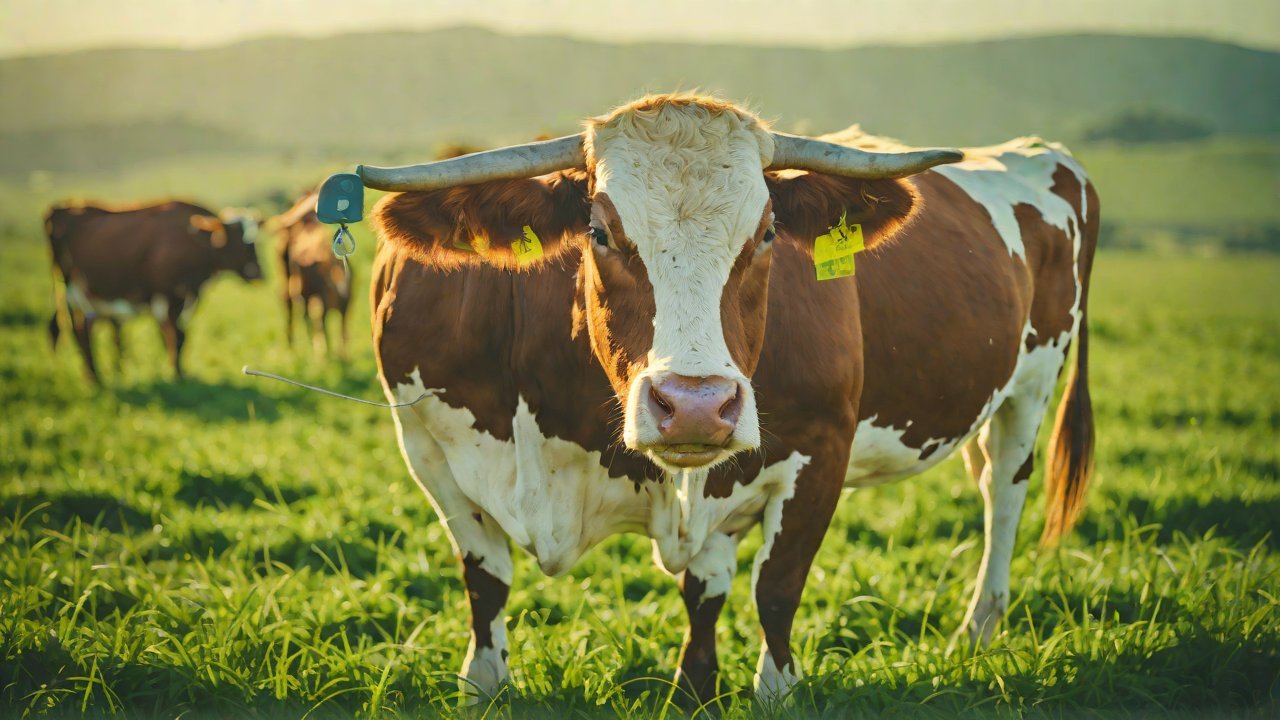
Can this ear tag, integrated with a motion sensor, monitor the number of cattle’s steps?
Ear tags, integrated with motion sensors, have been gaining traction in the agricultural industry as a means to monitor cattle behavior and performance. One of the key aspects of cattle management is tracking the number of steps taken by each animal, which can be indicative of its overall health, activity level, and feed efficiency. By leveraging advanced technologies, such as ear tags equipped with motion sensors, farmers and ranchers can gain valuable insights into their cattle’s behavior and make data-driven decisions to improve their operations.
1. Technical Background
Ear tags are small, wearable devices that can be attached to an animal’s ear or other body part. They are typically used for identification, tracking, and monitoring purposes. With the integration of motion sensors, ear tags can now track various aspects of an animal’s behavior, including movement patterns, activity levels, and even stress levels. Motion sensors, such as accelerometers and gyroscopes, measure the changes in acceleration and orientation of the animal’s body, allowing for the detection of movement and activity.
2. Sensor Technology
The motion sensor used in the ear tag is typically a 3-axis accelerometer and gyroscope combination. This configuration allows for the measurement of acceleration and orientation in three dimensions, providing a comprehensive understanding of the animal’s movement patterns. The sensor data is then processed and analyzed to extract relevant information, such as step count, distance traveled, and activity levels.
| Sensor Component | Description |
|---|---|
| Accelerometer | Measures acceleration in three dimensions (x, y, z) |
| Gyroscope | Measures orientation and rotation in three dimensions (x, y, z) |
| Data Processing | Analyzes sensor data to extract relevant information |
3. Data Analysis and Algorithm
The data collected from the motion sensor is processed and analyzed using advanced algorithms to extract relevant information, such as step count and activity levels. The algorithms used for data analysis can be based on machine learning techniques, such as supervised learning, unsupervised learning, and deep learning. These algorithms can be trained on a large dataset of labeled sensor data to learn patterns and relationships between sensor readings and animal behavior.
| Data Analysis Algorithm | Description |
|---|---|
| Supervised Learning | Trained on labeled data to learn patterns and relationships |
| Unsupervised Learning | Identifies patterns and relationships without labeled data |
| Deep Learning | Uses neural networks to analyze complex patterns and relationships |
4. Market Analysis and Trends
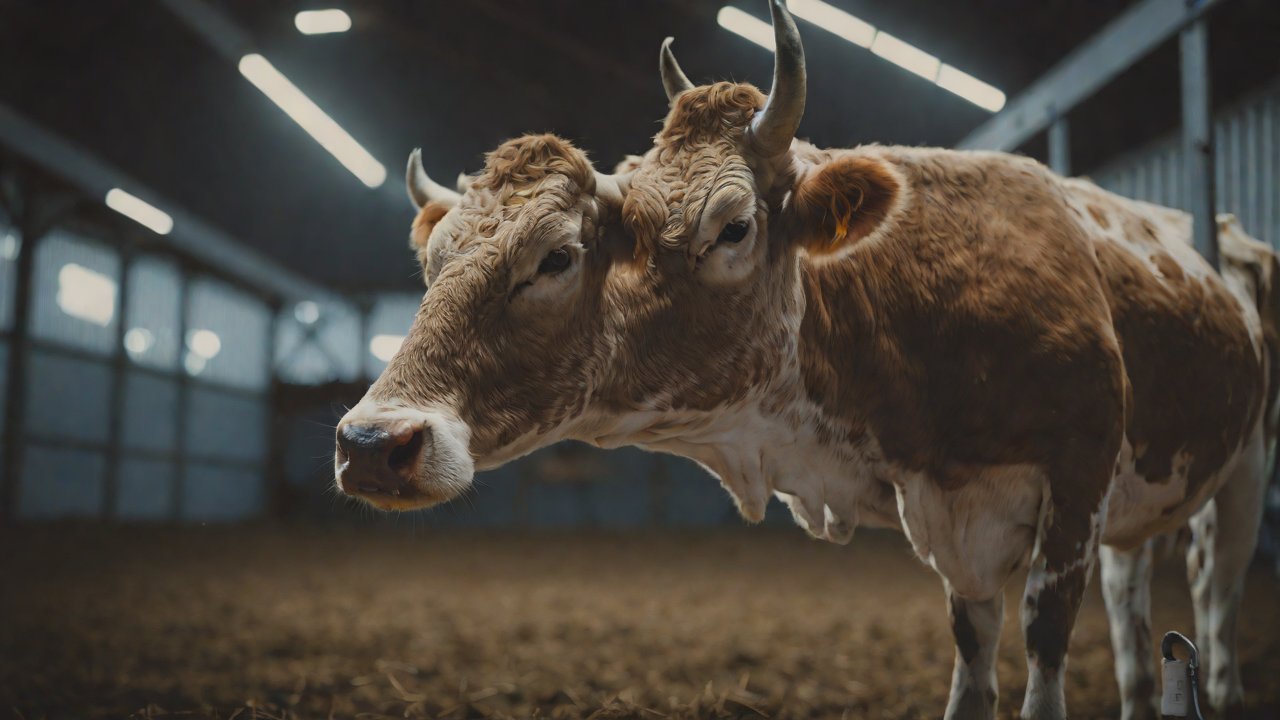
The market for ear tags integrated with motion sensors is growing rapidly, driven by the increasing demand for precision agriculture and animal tracking. According to a report by MarketsandMarkets, the global animal tracking market is expected to grow from $1.3 billion in 2020 to $3.5 billion by 2025, at a compound annual growth rate (CAGR) of 18.5%. The report also highlights the increasing adoption of ear tags and other wearable devices in the animal tracking market.
| Market Size (2020) | Market Size (2025) | CAGR (2020-2025) |
|---|---|---|
| $1.3 billion | $3.5 billion | 18.5% |
5. Case Studies and Applications
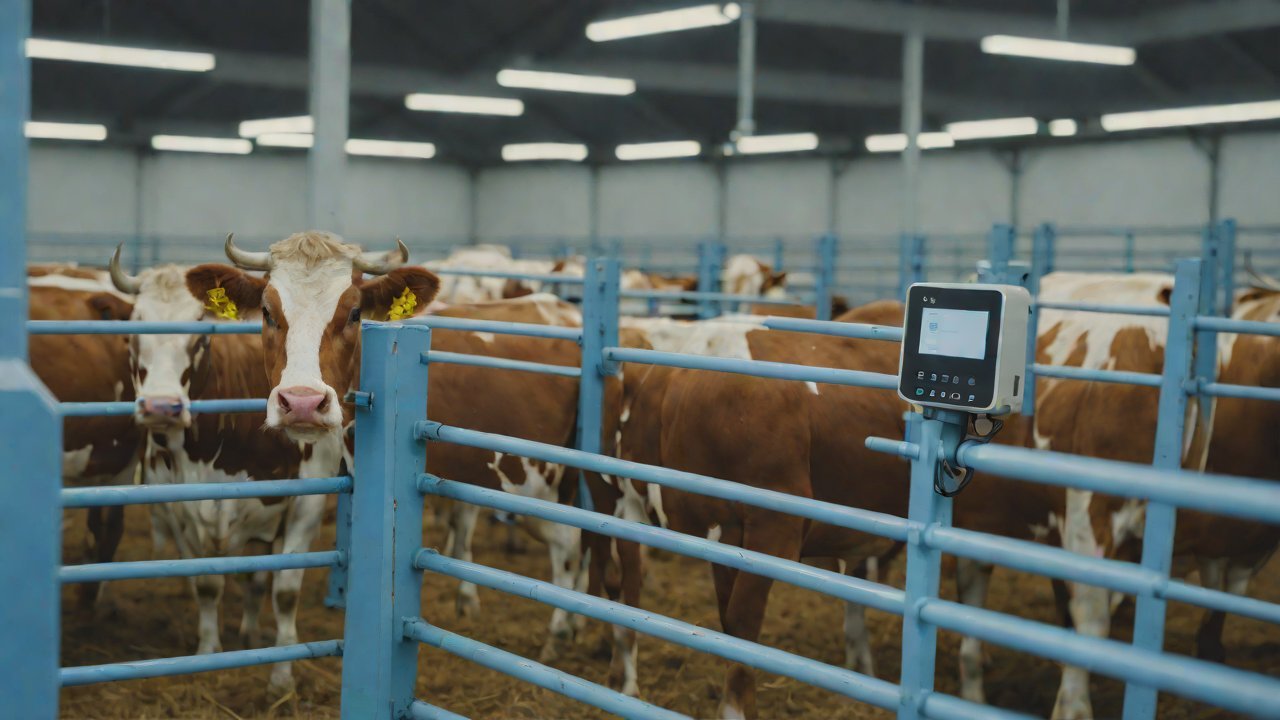
Several case studies and applications have demonstrated the effectiveness of ear tags integrated with motion sensors in monitoring cattle behavior and performance. For example, a study conducted by researchers at the University of California, Davis, used ear tags with motion sensors to track the movement patterns of cattle on a ranch in California. The study found that the ear tags were able to accurately track the number of steps taken by each animal, providing valuable insights into their behavior and performance.
| Case Study | Application | Outcome |
|---|---|---|
| University of California, Davis | Tracking cattle movement patterns | Accurate step count and activity level monitoring |
6. Challenges and Limitations
While ear tags integrated with motion sensors show great promise in monitoring cattle behavior and performance, there are several challenges and limitations that need to be addressed. These include the accuracy and reliability of the sensor data, the impact of environmental factors on sensor performance, and the need for further research and development to improve the technology.
| Challenge/ Limitation | Description |
|---|---|
| Sensor accuracy and reliability | Impact of environmental factors on sensor performance |
| Limited research and development | Need for further research and development to improve technology |
7. Conclusion
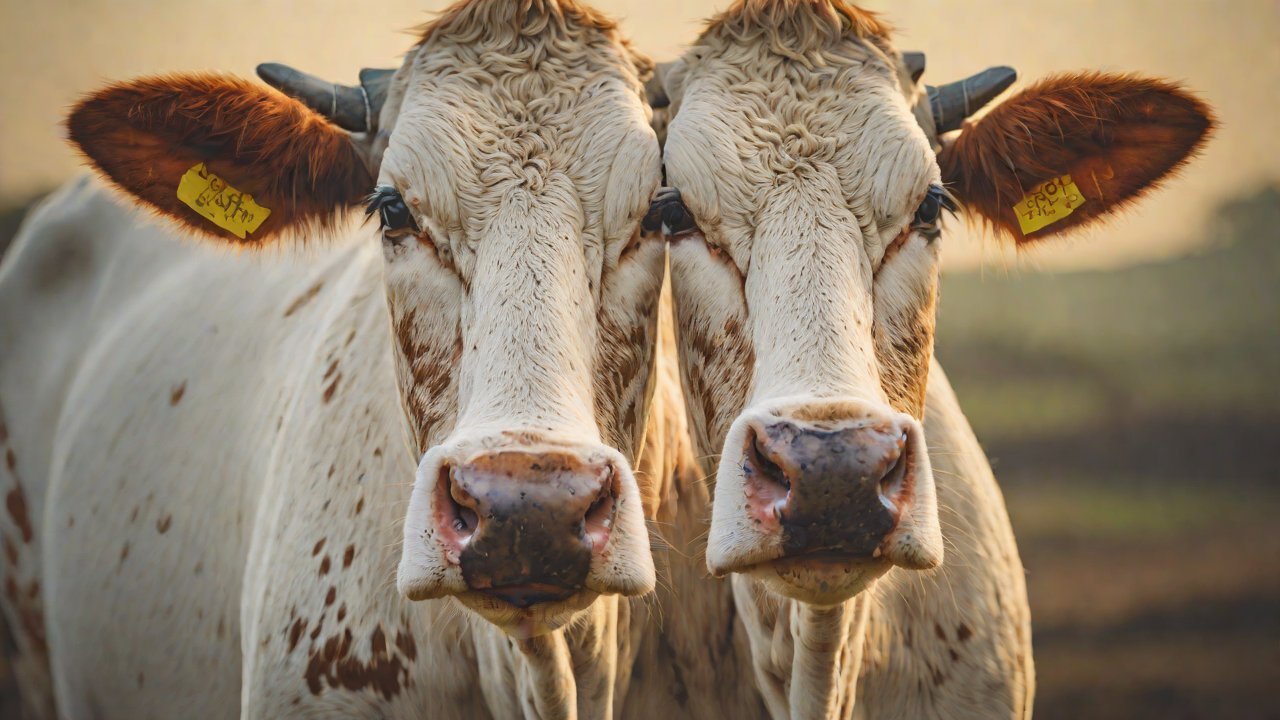
Ear tags integrated with motion sensors have the potential to revolutionize cattle management by providing accurate and reliable data on animal behavior and performance. The technology has been gaining traction in the agricultural industry, driven by the increasing demand for precision agriculture and animal tracking. However, there are several challenges and limitations that need to be addressed before the technology can be widely adopted. Further research and development are needed to improve the accuracy and reliability of the sensor data and to address the limitations of the technology.
8. Recommendations
Based on the analysis and case studies, the following recommendations are made:
- Conduct further research and development to improve the accuracy and reliability of the sensor data.
- Develop algorithms that can accurately analyze sensor data and extract relevant information, such as step count and activity levels.
- Conduct more case studies and applications to demonstrate the effectiveness of ear tags integrated with motion sensors in monitoring cattle behavior and performance.
- Address the limitations of the technology, such as the impact of environmental factors on sensor performance.
- Develop a business model that can support the widespread adoption of the technology.
9. Future Outlook
The future outlook for ear tags integrated with motion sensors is promising, with the technology expected to play a key role in the development of precision agriculture and animal tracking. As the technology continues to evolve and improve, it is likely to become an essential tool for cattle farmers and ranchers around the world.
| Future Outlook | Description |
|---|---|
| Increased adoption | Widespread adoption in the agricultural industry |
| Improved accuracy and reliability | Continued research and development to improve sensor data accuracy |
| New applications | Development of new applications and use cases for the technology |
IOT Cloud Platform
IOT Cloud Platform is an IoT portal established by a Chinese IoT company, focusing on technical solutions in the fields of agricultural IoT, industrial IoT, medical IoT, security IoT, military IoT, meteorological IoT, consumer IoT, automotive IoT, commercial IoT, infrastructure IoT, smart warehousing and logistics, smart home, smart city, smart healthcare, smart lighting, etc.
The IoT Cloud Platform blog is a top IoT technology stack, providing technical knowledge on IoT, robotics, artificial intelligence (generative artificial intelligence AIGC), edge computing, AR/VR, cloud computing, quantum computing, blockchain, smart surveillance cameras, drones, RFID tags, gateways, GPS, 3D printing, 4D printing, autonomous driving, etc.



