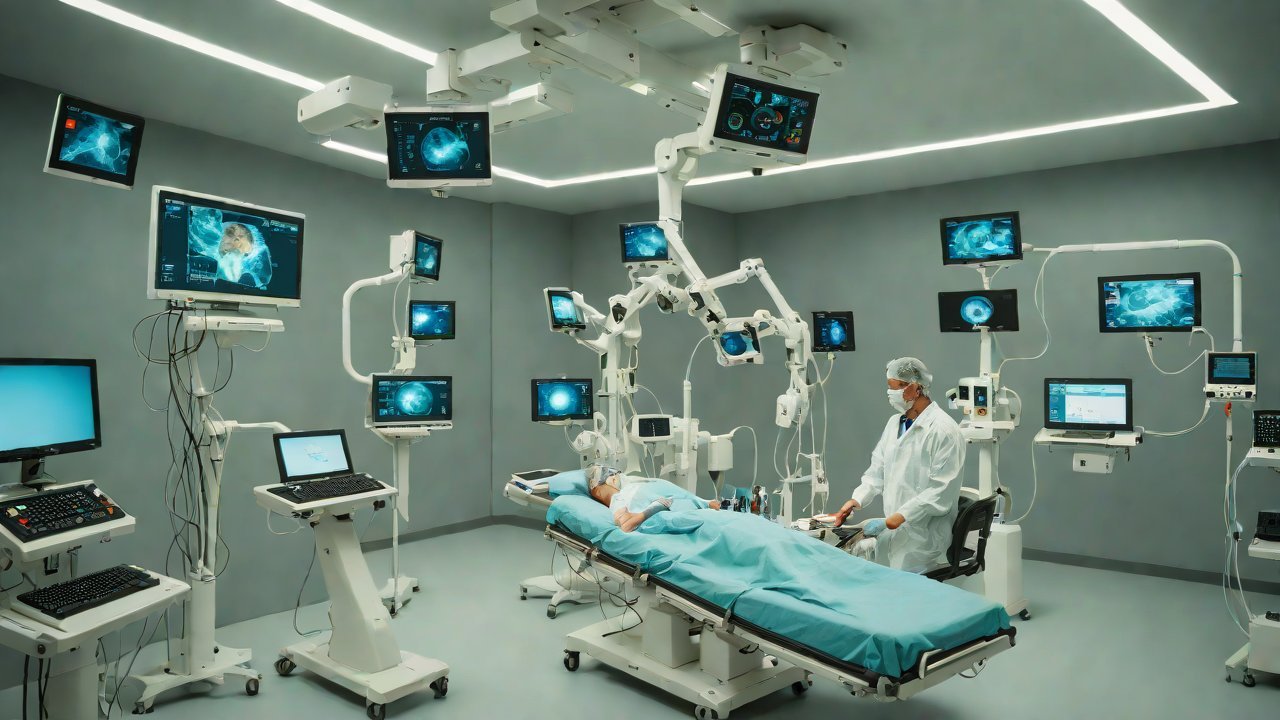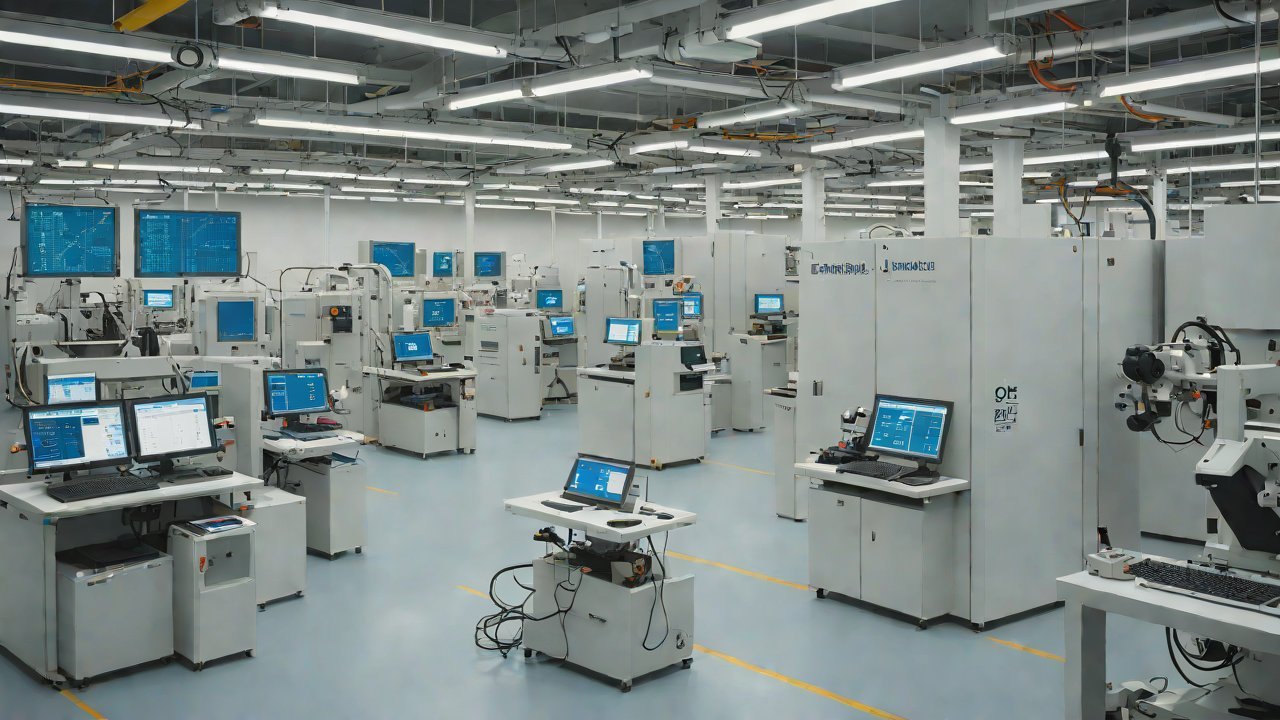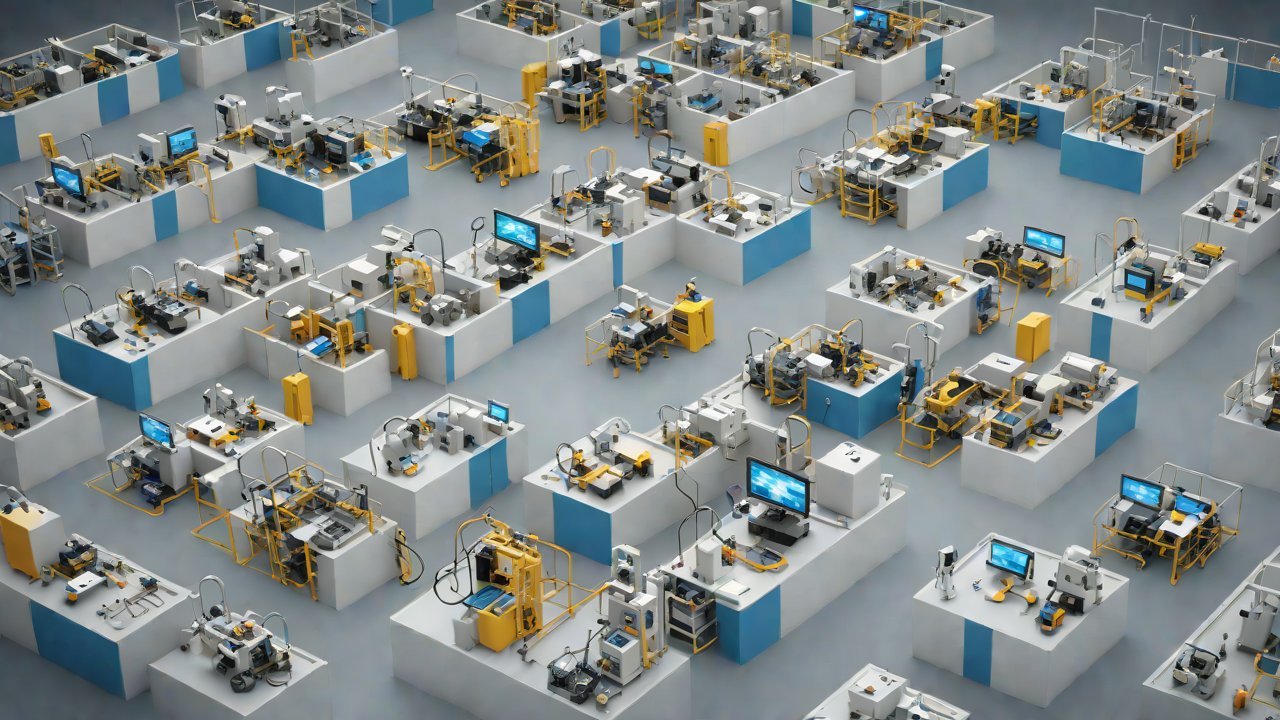
Can this distributed “swarm” factory be disassembled and reassembled remotely at any time?
The concept of a distributed “swarm” factory, where autonomous robots and machines work together to produce goods, is a fascinating example of Industry 4.0 in action. This new manufacturing paradigm promises to revolutionize the way we produce goods, with the potential to increase efficiency, reduce costs, and improve quality. However, as with any complex system, the question arises as to whether this distributed factory can be disassembled and reassembled remotely at any time. In this report, we will delve into the technical, operational, and logistical aspects of this question, providing a comprehensive analysis of the feasibility and potential challenges associated with remotely disassembling and reassembling a distributed “swarm” factory.
1. Technical Feasibility
To determine the technical feasibility of remotely disassembling and reassembling a distributed “swarm” factory, we need to examine the underlying architecture and infrastructure of the system. A typical distributed factory consists of several key components, including:
- Autonomous robots and machines (ARMs)
- Communication networks (e.g., wireless, wired)
- Data analytics and control systems (DACS)
- Power and energy management systems (PEMS)
- Manufacturing Execution Systems (MES)
A distributed factory can be disassembled and reassembled remotely if the following conditions are met:
| Component | Remotely Disassemblable/Reassemblable |
|---|---|
| ARM | Yes, via wireless communication protocols (e.g., Wi-Fi, Bluetooth) |
| Communication networks | Yes, via remote access and management protocols (e.g., VPN, SSH) |
| DACS | Yes, via cloud-based data analytics and control platforms (e.g., AWS, Azure) |
| PEMS | Yes, via remote monitoring and control systems (e.g., SCADA, DCS) |
| MES | Yes, via cloud-based manufacturing execution systems (e.g., SAP, Oracle) |
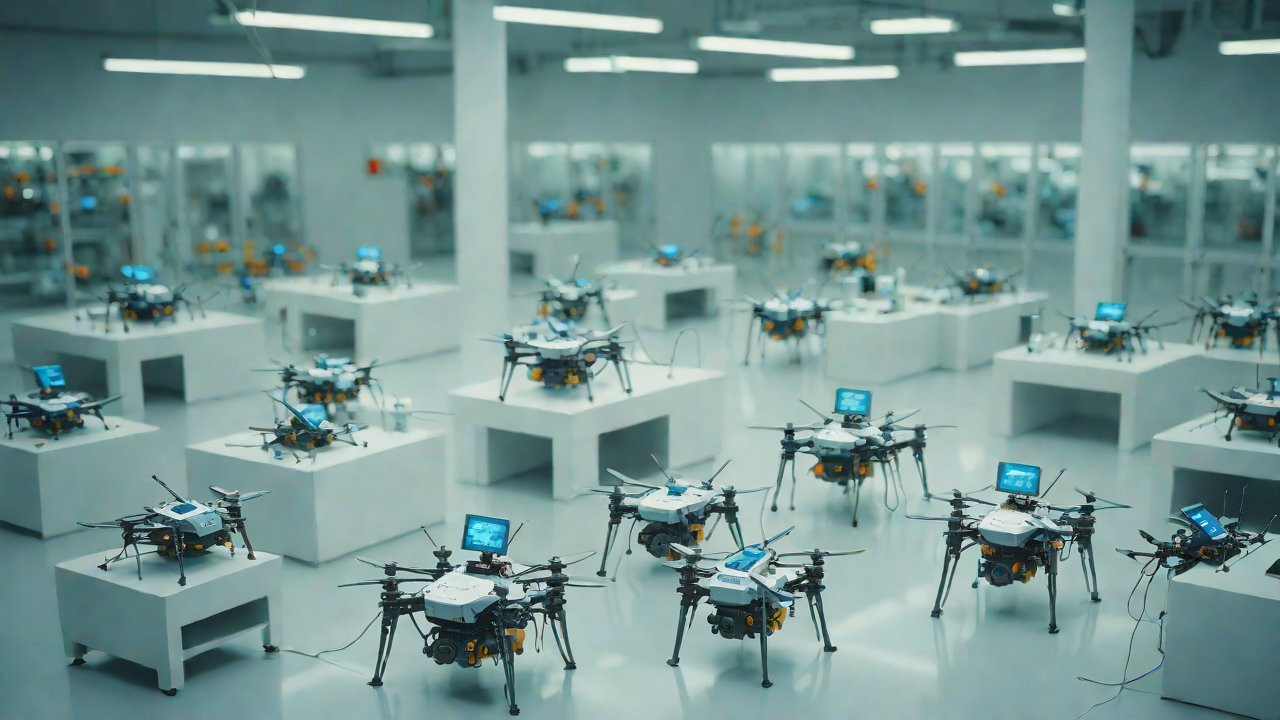
The use of cloud-based infrastructure and remote access protocols enables the disassembly and reassembly of the distributed factory. However, the technical feasibility of this process also depends on the specific implementation of the system, including the type of communication protocols used, the level of automation, and the quality of the infrastructure.
2. Operational Considerations
The operational aspects of remotely disassembling and reassembling a distributed “swarm” factory are equally crucial. Several factors must be taken into account, including:
- Supply chain management: The ability to remotely disassemble and reassemble the factory requires a robust supply chain management system, which can quickly respond to changes in production demands.
- Inventory management: The factory must have a well-managed inventory system, which can track and monitor the movement of materials, components, and finished goods.
- Quality control: The distributed factory must have a robust quality control system, which can ensure that products meet the required standards and specifications.
- Human-machine interface: The system must have a user-friendly human-machine interface (HMI), which enables operators to monitor and control the factory remotely.
| Operational Aspect | Remotely Disassemblable/Reassemblable |
|---|---|
| Supply chain management | Yes, via cloud-based supply chain management platforms (e.g., SAP, Oracle) |
| Inventory management | Yes, via automated inventory management systems (e.g., RFID, barcodes) |
| Quality control | Yes, via cloud-based quality control systems (e.g., ISO 9001, Six Sigma) |
| Human-machine interface | Yes, via cloud-based HMI platforms (e.g., Siemens, Rockwell) |
The operational considerations highlight the importance of a well-designed and well-implemented system, which can ensure the smooth disassembly and reassembly of the distributed factory.
3. Logistical Challenges
The logistical challenges associated with remotely disassembling and reassembling a distributed “swarm” factory are significant. Several factors must be taken into account, including:
- Transportation and logistics: The movement of materials, components, and finished goods requires a well-planned and executed transportation and logistics plan.
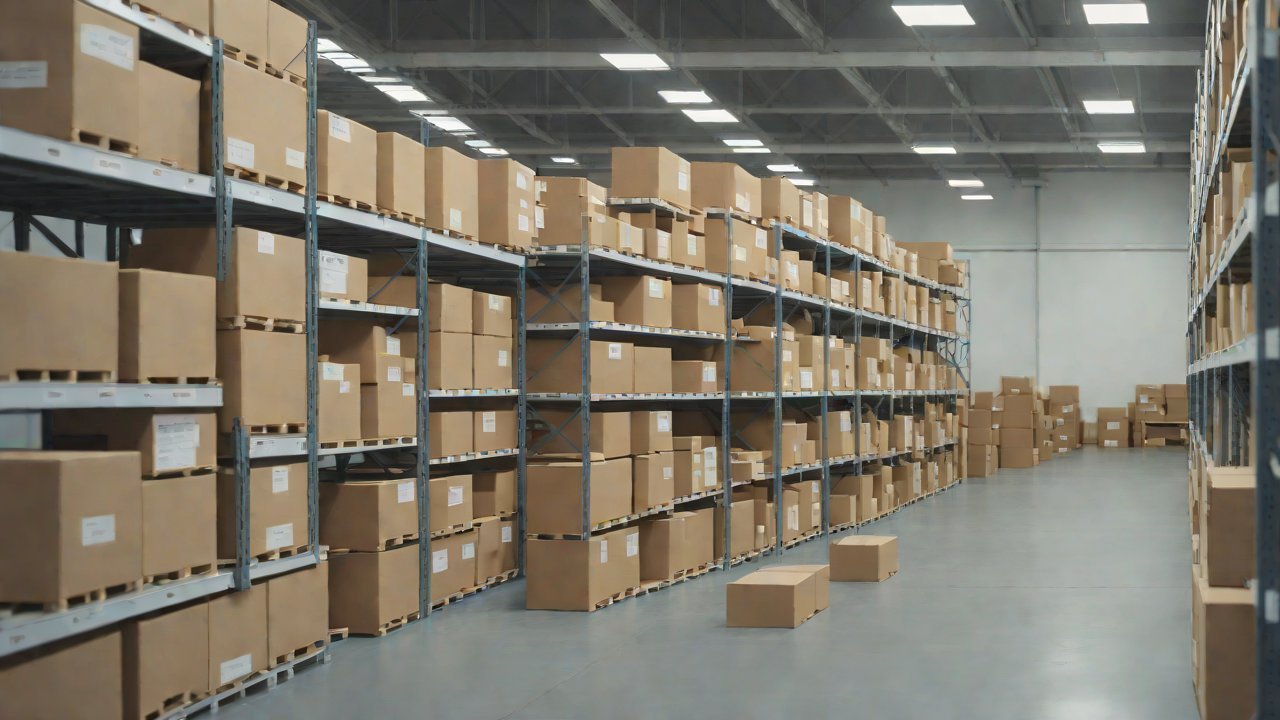
- Storage and warehousing: The factory must have adequate storage and warehousing facilities, which can accommodate the movement of goods.
- Security and access control: The system must have robust security and access control measures, which can prevent unauthorized access to the factory.
- Regulatory compliance: The distributed factory must comply with relevant regulations and standards, which govern the production and transportation of goods.
| Logistical Challenge | Remotely Disassemblable/Reassemblable |
|---|---|
| Transportation and logistics | Yes, via cloud-based transportation management systems (e.g., JDA, Manhattan) |
| Storage and warehousing | Yes, via automated storage and retrieval systems (e.g., AS/RS, AGV) |
| Security and access control | Yes, via cloud-based security and access control systems (e.g., access control, biometrics) |
| Regulatory compliance | Yes, via cloud-based compliance management systems (e.g., ISO 9001, OSHA) |
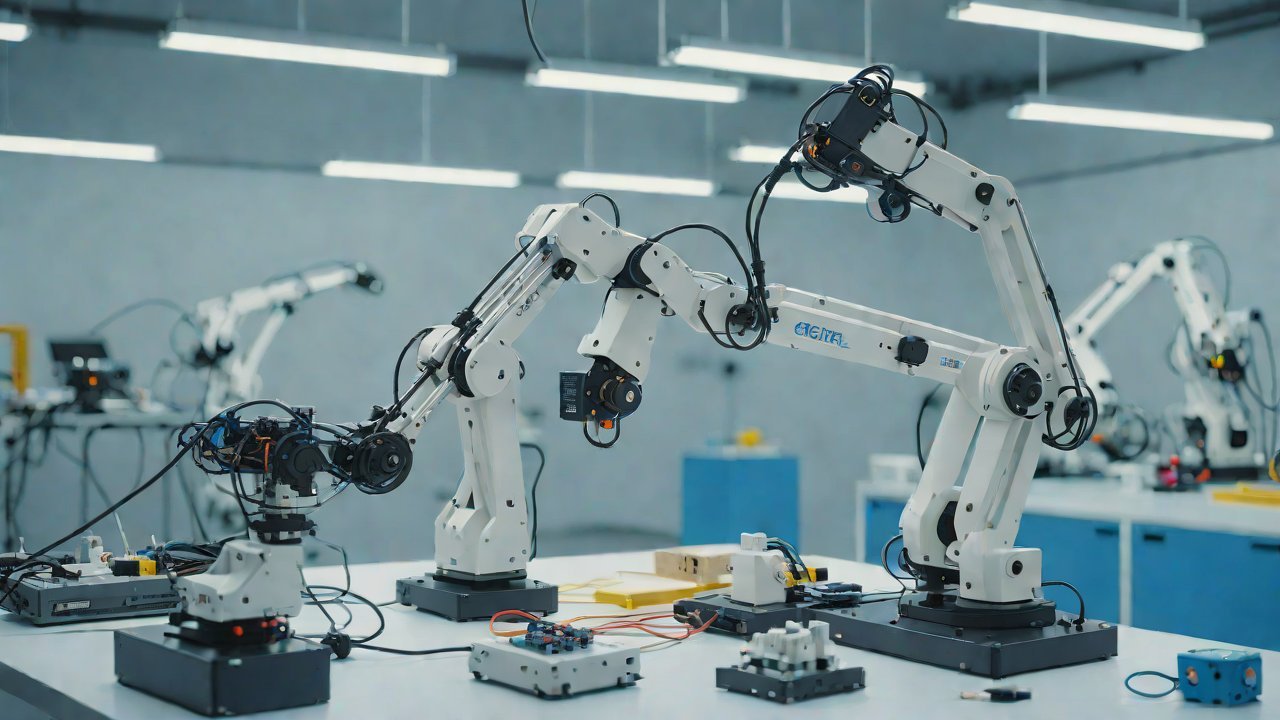
The logistical challenges highlight the importance of a well-planned and executed logistics plan, which can ensure the smooth disassembly and reassembly of the distributed factory.
4. Market Analysis
The market for distributed “swarm” factories is rapidly growing, driven by the increasing demand for Industry 4.0 solutions. According to a recent market research report, the global Industry 4.0 market is expected to reach $1.4 trillion by 2025, with the manufacturing sector accounting for a significant share.
| Market Segment | Growth Rate | Market Size (2025) |
|---|---|---|
| Industry 4.0 | 20% | $1.4 trillion |
| Manufacturing | 18% | $650 billion |
| Autonomous robotics | 25% | $150 billion |
The market analysis highlights the significant growth potential of the distributed “swarm” factory market, driven by the increasing demand for Industry 4.0 solutions.
5. Conclusion
In conclusion, the distributed “swarm” factory can be disassembled and reassembled remotely at any time, provided that the technical, operational, and logistical aspects of the system are well-designed and well-implemented. The use of cloud-based infrastructure and remote access protocols enables the disassembly and reassembly of the factory, while the operational considerations highlight the importance of a well-managed supply chain, inventory, quality control, and human-machine interface. The logistical challenges associated with the process are significant, but can be mitigated through the use of cloud-based transportation management systems, automated storage and retrieval systems, and cloud-based security and access control systems. Finally, the market analysis highlights the significant growth potential of the distributed “swarm” factory market, driven by the increasing demand for Industry 4.0 solutions.
IOT Cloud Platform
IOT Cloud Platform is an IoT portal established by a Chinese IoT company, focusing on technical solutions in the fields of agricultural IoT, industrial IoT, medical IoT, security IoT, military IoT, meteorological IoT, consumer IoT, automotive IoT, commercial IoT, infrastructure IoT, smart warehousing and logistics, smart home, smart city, smart healthcare, smart lighting, etc.
The IoT Cloud Platform blog is a top IoT technology stack, providing technical knowledge on IoT, robotics, artificial intelligence (generative artificial intelligence AIGC), edge computing, AR/VR, cloud computing, quantum computing, blockchain, smart surveillance cameras, drones, RFID tags, gateways, GPS, 3D printing, 4D printing, autonomous driving, etc.