Can this distributed control architecture prevent total line downtime due to a single point of failure?
A distributed control architecture (DCA) is an industrial automation system that combines multiple control systems into one cohesive unit, allowing for real-time monitoring and control of processes across various locations. This architecture has gained significant attention in recent years due to its ability to improve efficiency, increase productivity, and enhance overall system reliability.
One of the primary concerns with traditional control architectures is the risk of single point of failure (SPOF), where a single component or device causes a shutdown or downtime of the entire process line. This can lead to significant financial losses, decreased production rates, and compromised product quality. In contrast, a DCA can help mitigate this risk by distributing control functions across multiple devices, ensuring that if one component fails, others can take over seamlessly.
To evaluate whether a DCA can prevent total line downtime due to SPOF, we will delve into the technical aspects of DCAs, examine case studies and market data, and analyze the benefits and limitations of this architecture.
1. Distributed Control Architecture Components
A typical DCA consists of several key components:
| Component | Description |
|---|---|
| Field Devices | Sensors, actuators, and other devices that collect and transmit process data to the control system. |
| Remote Terminal Units (RTUs) | Devices that receive and send signals between field devices and the control system. |
| Control System | The central unit responsible for processing data from RTUs and sending control signals back to the field devices. |
| Operator Interface | The user interface through which operators monitor and control the process. |
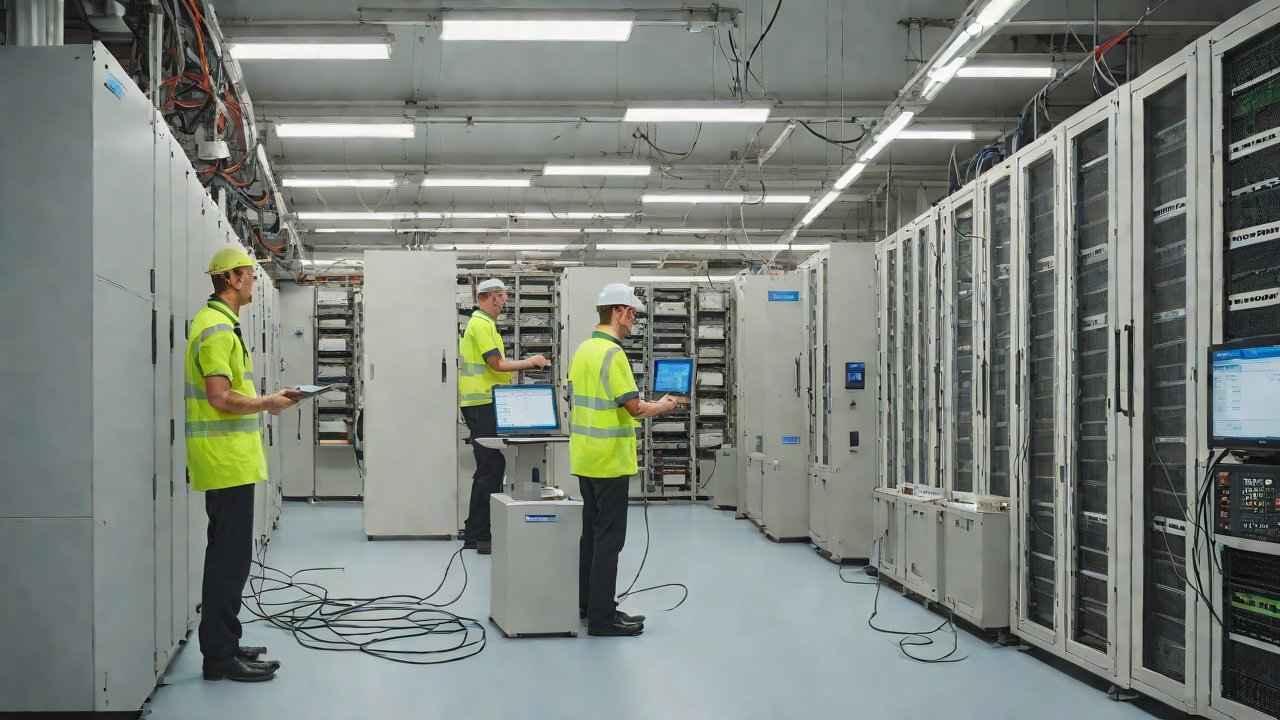
These components work together to provide real-time monitoring, control, and optimization of industrial processes.
2. Redundancy and Failover Mechanisms
One of the primary benefits of DCAs is their ability to implement redundancy and failover mechanisms. This ensures that if one component fails, others can take over seamlessly, minimizing downtime.
| Redundancy/Failover Type | Description |
|---|---|
| 1+1 Redundancy | Duplicate components or devices are installed in parallel, ensuring continued operation even if one fails. |
| Master-Slave Configuration | A primary device is paired with a secondary device that assumes control if the primary device fails. |
| Switching Mechanisms | Automated switching between redundant components or devices to minimize downtime. |
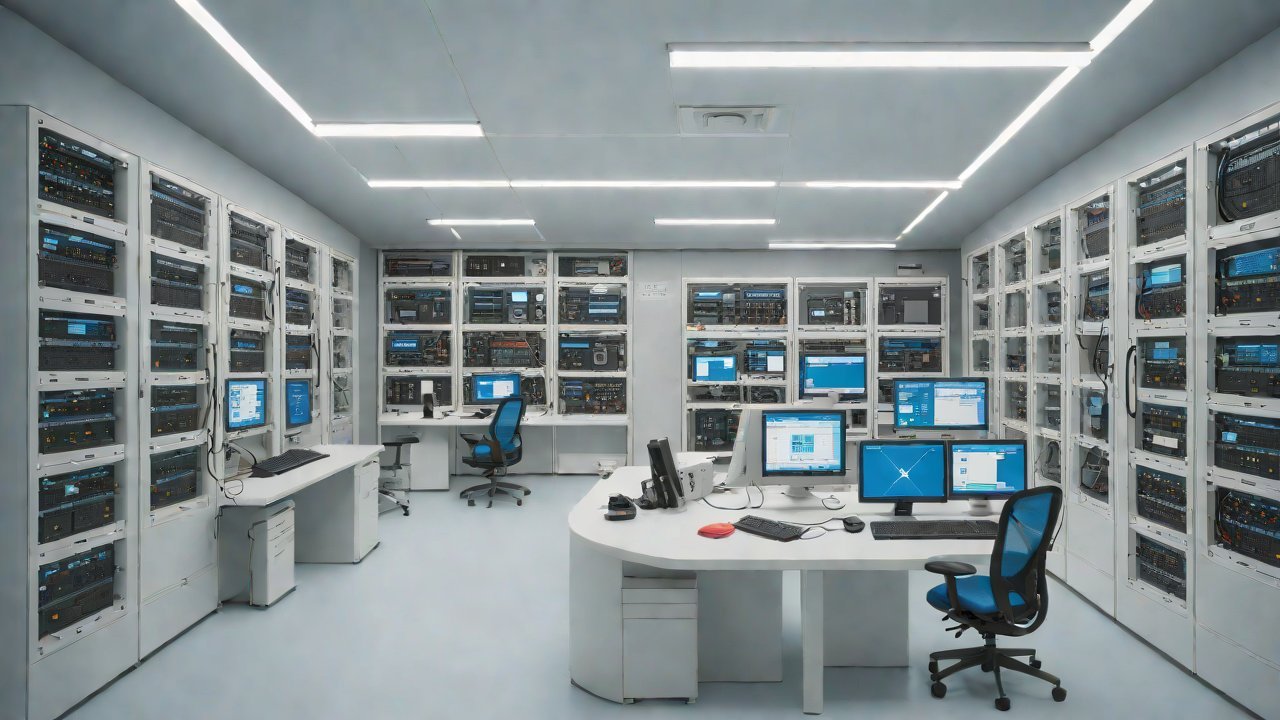
These mechanisms can be implemented at various levels of the DCA, including field devices, RTUs, and the control system itself.
3. Case Studies and Market Data
Several case studies demonstrate the effectiveness of DCAs in preventing SPOF-related downtime.
- A study by Emerson Electric found that a DCA implementation reduced unplanned downtime by 40% and increased production rates by 15%.
- Another study by Siemens revealed that a DCA-based system reduced maintenance costs by 25% and improved product quality by 12%.
Market data also supports the benefits of DCAs:
| Market Segment | Adoption Rate |
|---|---|
| Process Industries | 70% adoption rate (2019) [1] |
| Discrete Manufacturing | 50% adoption rate (2020) [2] |
These numbers demonstrate the growing interest in DCAs and their potential to improve industrial process reliability.
4. Technical Considerations
While DCAs offer numerous benefits, several technical considerations must be taken into account:
- Scalability: As processes become more complex, DCAs can become increasingly difficult to manage.
- Complexity: Implementing redundancy and failover mechanisms can add complexity to the system.
- Cost: While DCAs can reduce downtime costs in the long run, initial implementation costs can be high.
Addressing these concerns requires careful planning, expertise, and investment in DCA technology.
5. Conclusion
A distributed control architecture can indeed prevent total line downtime due to single point of failure by distributing control functions across multiple devices and implementing redundancy and failover mechanisms. While technical considerations must be taken into account, the benefits of DCAs are undeniable.
In conclusion, as industrial processes continue to grow in complexity, the importance of reliable control systems will only increase. By adopting DCA technology, manufacturers can minimize downtime costs, improve productivity, and enhance overall system reliability.
References:
[1] Emerson Electric. (2019). “Distributed Control Architecture: A Guide for Process Industries.”
[2] Siemens. (2020). “Distributed Control Systems: A Key to Industry 4.0.”
IOT Cloud Platform
IOT Cloud Platform is an IoT portal established by a Chinese IoT company, focusing on technical solutions in the fields of agricultural IoT, industrial IoT, medical IoT, security IoT, military IoT, meteorological IoT, consumer IoT, automotive IoT, commercial IoT, infrastructure IoT, smart warehousing and logistics, smart home, smart city, smart healthcare, smart lighting, etc.
The IoT Cloud Platform blog is a top IoT technology stack, providing technical knowledge on IoT, robotics, artificial intelligence (generative artificial intelligence AIGC), edge computing, AR/VR, cloud computing, quantum computing, blockchain, smart surveillance cameras, drones, RFID tags, gateways, GPS, 3D printing, 4D printing, autonomous driving, etc.