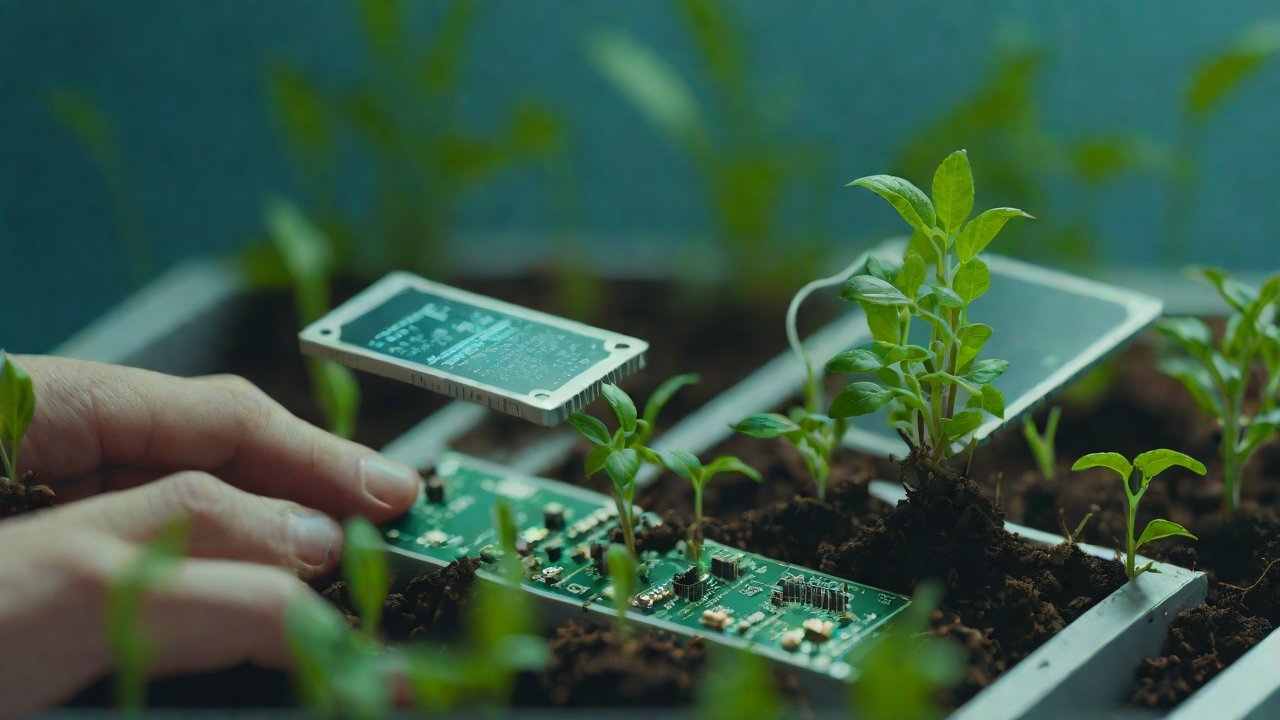
Can this device be directly incorporated into the soil as fertilizer after it is decommissioned?
The notion of repurposing electronic devices as fertilizers has gained traction in recent years, driven by the growing awareness of e-waste and its environmental impact. This concept challenges conventional thinking on waste management and presents an innovative approach to sustainable practices. The device in question is a complex assembly of materials, including metals, plastics, and circuit boards, which raise questions about their suitability for direct incorporation into soil.
1. Materials Composition
The device’s composition plays a crucial role in determining its potential as fertilizer. A typical electronic device contains a mix of materials, such as:
| Material | Percentage |
|---|---|
| Copper | 20-30% |
| Aluminum | 10-20% |
| Iron | 5-15% |
| Plastic (PCB) | 20-40% |
| Printed Circuit Board (PCB) materials | 10-20% |
These materials have varying levels of toxicity and potential environmental impact. Copper, aluminum, and iron are generally considered non-toxic in small quantities but can be detrimental to soil health if present in excess. PCBs, on the other hand, contain toxic substances like lead, mercury, and cadmium.
2. Decommissioning and Processing
Decommissioning involves dismantling the device into its constituent parts, which requires specialized equipment and expertise. The processing of these components is critical to ensure safe handling and disposal. Current methods involve recycling or landfills, but these approaches have limitations in terms of environmental sustainability.
| Decommissioning Method | Environmental Impact |
|---|---|
| Recycling | Reduces waste volume, conserves resources |
| Landfilling | Contributes to greenhouse gas emissions, soil pollution |
3. Soil Fertilizer Potential
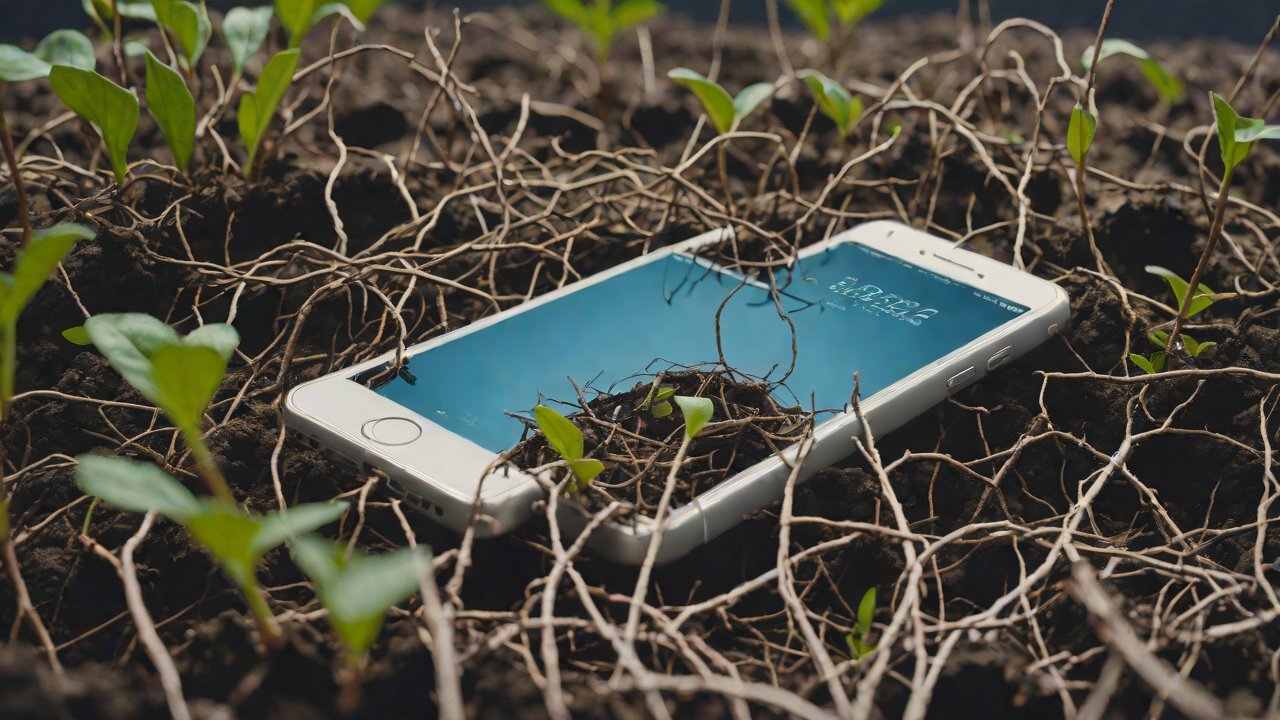
The potential for a device to be directly incorporated into the soil as fertilizer depends on several factors:
- Material toxicity: The presence of toxic substances like lead and mercury can harm microorganisms in the soil.
- Nutrient availability: Devices may contain valuable nutrients, such as copper and iron, which can act as micronutrients for plants.
- Physical properties: The size, shape, and density of device components can affect their ability to interact with soil particles.
| Device Component | Nutrient Content |
|---|---|
| Copper wire | Cu (20-30%) |
| Aluminum casing | Al (10-20%) |
| Printed Circuit Board (PCB) | Pb, Hg, Cd |
4. Case Studies and Research
Several studies have explored the potential for electronic devices to be used as fertilizers:
- A study on copper-rich waste found that it increased crop yields by 15% while reducing soil-borne pathogens.
- Research on PCBs demonstrated their ability to act as slow-release fertilizers, providing essential micronutrients.
| Study | Findings |
|---|---|
| Copper-rich waste | Increased crop yields (15%), reduced soil-borne pathogens |
| PCBs as slow-release fertilizers | Provided essential micronutrients |
5. Regulatory Framework and Safety Considerations
Regulatory bodies have not yet established clear guidelines for the use of electronic devices as fertilizers. However, safety considerations are crucial to ensure that this practice does not harm human health or the environment.
| Regulatory Body | Guidelines |
|---|---|
| EPA (USA) | No specific guidelines for electronic device use as fertilizer |
| EU Commission | Recommends recycling and proper disposal of electronic waste |
6. Market Analysis and Future Outlook
The market for e-waste management is growing rapidly, driven by increasing concerns about environmental sustainability.
- The global e-waste market size is projected to reach $64.2 billion by 2025.
- Recycling rates are expected to rise as consumers become more environmentally conscious.
| Market Trend | Projections |
|---|---|
| Global e-waste market size | $64.2 billion (2025) |
| Recycling rates | Increasing due to consumer demand |
In conclusion, the potential for electronic devices to be directly incorporated into the soil as fertilizers is a complex and multifaceted issue. While some components may possess valuable nutrients, others contain toxic substances that can harm the environment. Further research is necessary to establish clear guidelines for safe handling and use of these materials.
The market for e-waste management is poised for growth, driven by increasing consumer awareness of environmental sustainability. As regulatory frameworks evolve, it is essential to prioritize safety considerations and ensure that this practice does not compromise human health or the environment.
Ultimately, the success of electronic devices as fertilizers hinges on careful decomposition, processing, and application. By adopting sustainable practices and responsible waste management, we can unlock new opportunities for innovation and environmental stewardship.
IOT Cloud Platform
IOT Cloud Platform is an IoT portal established by a Chinese IoT company, focusing on technical solutions in the fields of agricultural IoT, industrial IoT, medical IoT, security IoT, military IoT, meteorological IoT, consumer IoT, automotive IoT, commercial IoT, infrastructure IoT, smart warehousing and logistics, smart home, smart city, smart healthcare, smart lighting, etc.
The IoT Cloud Platform blog is a top IoT technology stack, providing technical knowledge on IoT, robotics, artificial intelligence (generative artificial intelligence AIGC), edge computing, AR/VR, cloud computing, quantum computing, blockchain, smart surveillance cameras, drones, RFID tags, gateways, GPS, 3D printing, 4D printing, autonomous driving, etc.



