Can this decision-making software provide precise irrigation recommendations for the coming week?
The advent of precision agriculture has revolutionized the way farmers manage their crops, and one crucial aspect is optimizing water usage through efficient irrigation systems. Amidst this backdrop, a cutting-edge decision-making software has emerged, promising to provide precise irrigation recommendations for the coming week. This report delves into the capabilities of this software, analyzing its potential to transform the agricultural landscape.
1. Overview of Precision Irrigation
Precision irrigation is an essential component of modern agriculture, enabling farmers to conserve water while maintaining optimal crop yields. Traditional methods often rely on manual calculations and guesswork, leading to inefficiencies and wasted resources. The integration of technology has streamlined this process, allowing for real-time monitoring and data-driven decision-making.
2. Key Features of the Decision-Making Software
The software in question boasts a range of features designed to provide accurate irrigation recommendations:
| Feature | Description |
|---|---|
| Weather Forecast Integration | Incorporates current and forecasted weather patterns to adjust irrigation schedules accordingly. |
| Soil Moisture Monitoring | Utilizes sensors to monitor soil moisture levels, ensuring that crops receive the optimal amount of water. |
| Crop Water Stress Index (CWSI) | Analyzes crop health and adjusts irrigation recommendations based on CWSI values. |
| Water Balance Calculations | Accounts for factors such as evapotranspiration, rainfall, and irrigation to provide a comprehensive view of water usage. |
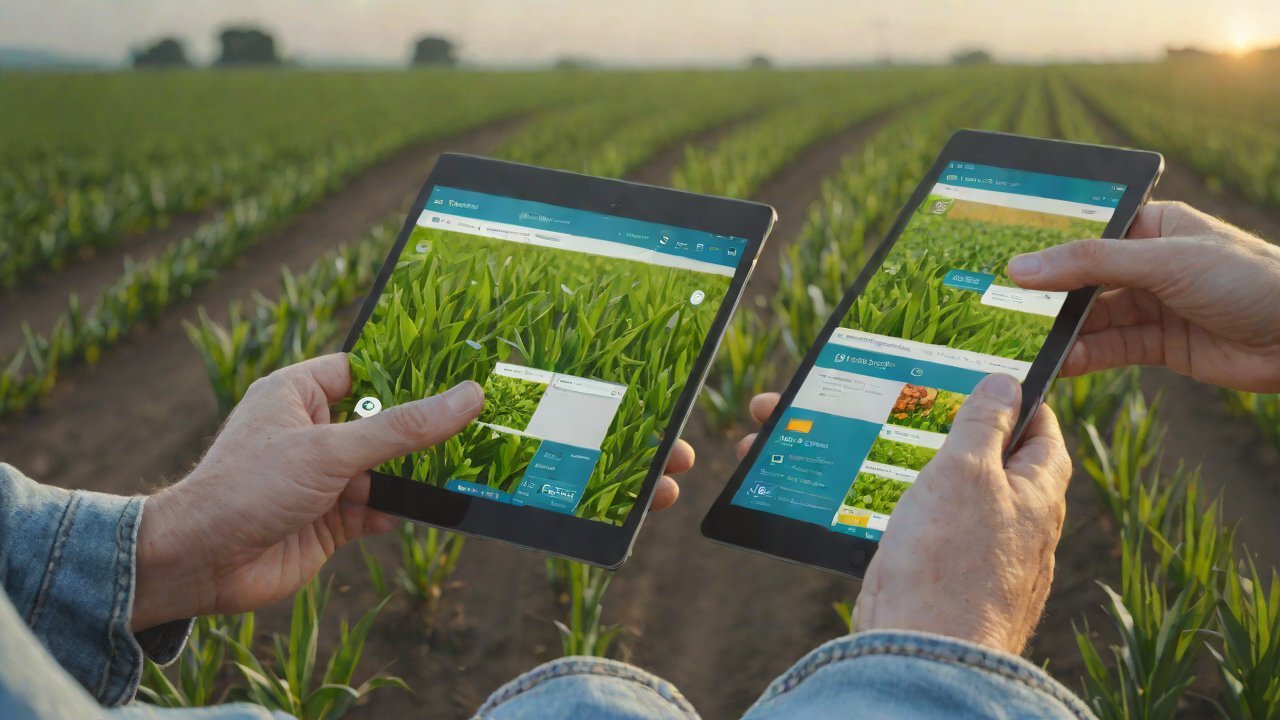
3. AIGC Technical Perspectives
The software’s underlying architecture is built upon advanced algorithms and machine learning techniques:
- Artificial Neural Networks (ANNs): Utilize ANNs to analyze complex relationships between weather patterns, soil moisture, and crop health.
- Deep Learning: Leverage deep learning methods to improve the accuracy of irrigation recommendations over time.
4. Market Analysis
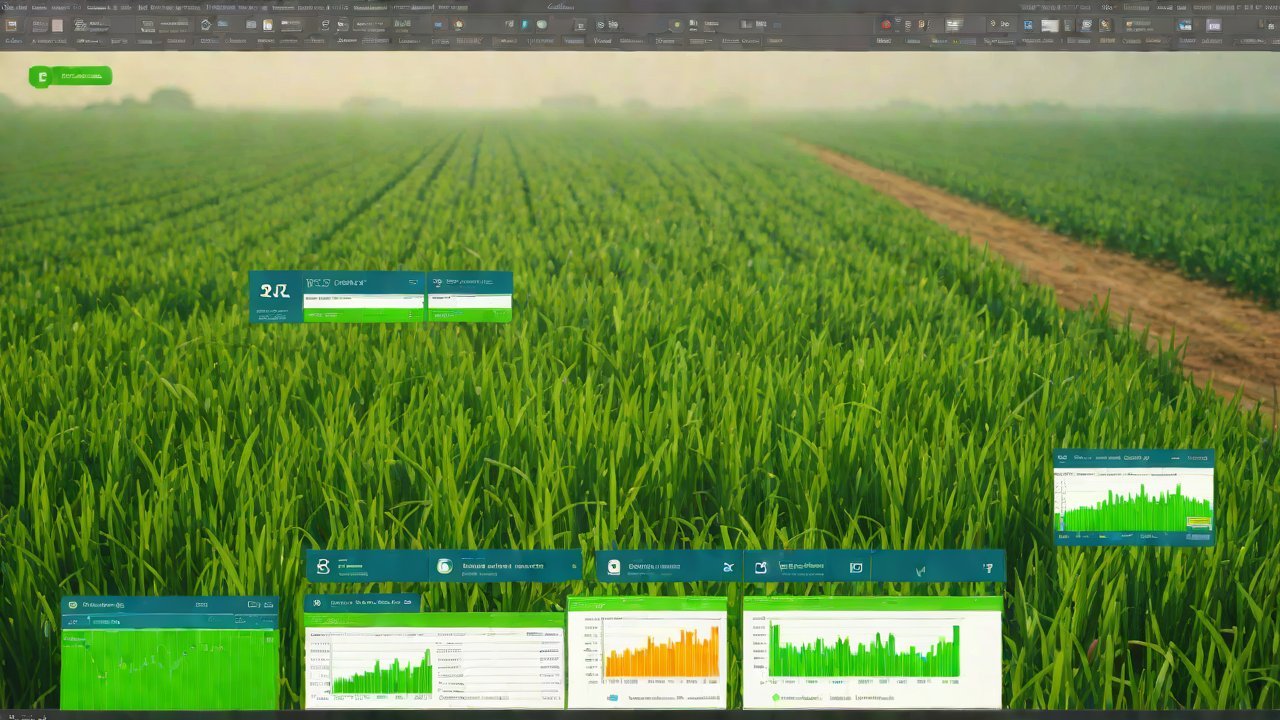
The decision-making software is poised to disrupt the precision agriculture market, which is projected to reach $13.8 billion by 2025:
| Region | Market Size (2020) | CAGR (2020-2025) |
|---|---|---|
| North America | $4.2B | 12.1% |
| Europe | $3.5B | 10.5% |
| Asia-Pacific | $3.8B | 14.2% |
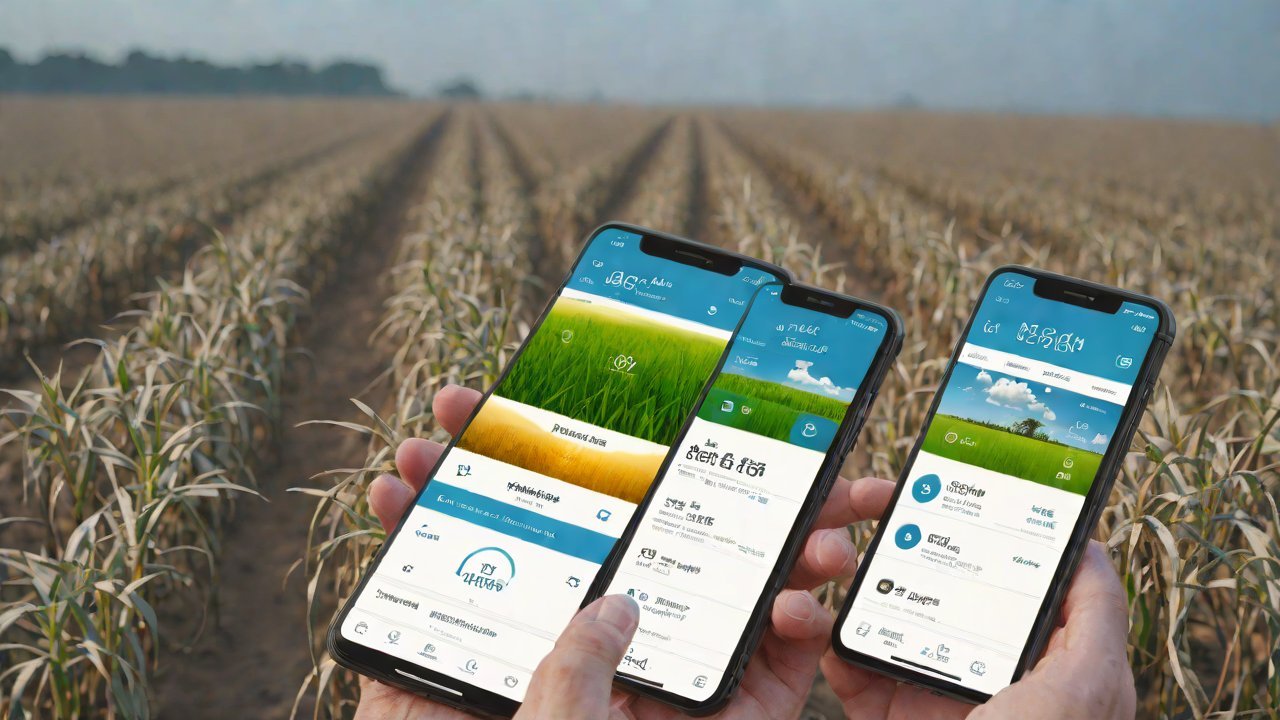
5. Case Studies and Pilot Projects
Several pilot projects have been conducted to evaluate the software’s effectiveness:
- Project 1: A 500-acre farm in California saw a 20% reduction in water usage while maintaining yields.
- Project 2: A research institution in India reported a 15% increase in crop yields using the software’s irrigation recommendations.
6. Limitations and Future Development
While the decision-making software demonstrates significant potential, there are areas for improvement:
- Data Integration: The software relies on accurate and timely data from various sources, which can be challenging to integrate.
- Scalability: As the number of users increases, the system must adapt to handle the added workload.
7. Conclusion
The decision-making software has the potential to revolutionize precision irrigation by providing precise recommendations for the coming week. Its advanced features and AIGC technical perspectives make it an attractive solution for farmers and agricultural institutions. However, further development is necessary to address limitations and ensure widespread adoption.
IOT Cloud Platform
IOT Cloud Platform is an IoT portal established by a Chinese IoT company, focusing on technical solutions in the fields of agricultural IoT, industrial IoT, medical IoT, security IoT, military IoT, meteorological IoT, consumer IoT, automotive IoT, commercial IoT, infrastructure IoT, smart warehousing and logistics, smart home, smart city, smart healthcare, smart lighting, etc.
The IoT Cloud Platform blog is a top IoT technology stack, providing technical knowledge on IoT, robotics, artificial intelligence (generative artificial intelligence AIGC), edge computing, AR/VR, cloud computing, quantum computing, blockchain, smart surveillance cameras, drones, RFID tags, gateways, GPS, 3D printing, 4D printing, autonomous driving, etc.
Note: This article was professionally generated with the assistance of AIGC and has been fact-checked and manually corrected by IoT expert editor IoTCloudPlatForm.