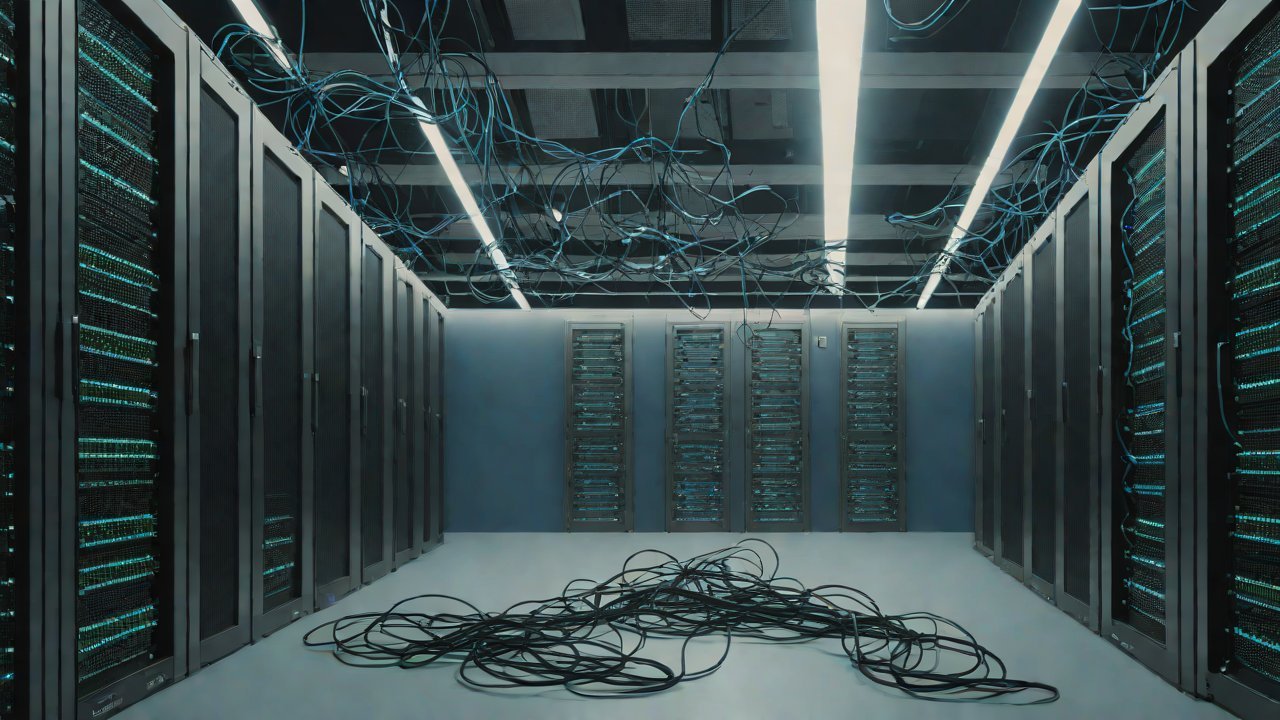
Can this data stored on a distributed ledger withstand the risk of system crashes?
The advent of distributed ledger technology (DLT) has revolutionized the way we store and manage data, offering a decentralized, immutable, and transparent alternative to traditional databases. However, as with any complex system, there are inherent risks associated with DLT, including the possibility of system crashes. This report will delve into the intricacies of DLT and explore whether the data stored on it can withstand the risk of system crashes.
1. Distributed Ledger Technology: A Brief Overview
DLT is a type of decentralized database that allows multiple parties to record and verify transactions without the need for a central authority. The most well-known implementation of DLT is blockchain, which consists of a network of computers that work together to validate and add new blocks of data to a chain. This creates a permanent and unalterable record of all transactions.
| Characteristics | Description |
|---|---|
| Decentralized | No single entity controls the database |
| Immutable | Data cannot be altered or deleted once recorded |
| Transparent | All transactions are publicly visible |
| Consensus-driven | Network participants agree on the state of the ledger |
2. System Crashes: A Threat to DLT
System crashes, whether due to hardware failure, software bugs, or other factors, can have a significant impact on the integrity and reliability of data stored on a distributed ledger. If a system crash occurs, it can lead to:
- Data loss: If the crash occurs during a transaction, the partially written block may be lost
- Consensus failures: Network participants may not agree on the state of the ledger, leading to a fork in the blockchain
3. Mitigating System Crashes in DLT
To mitigate the risk of system crashes, DLT developers and implementers employ various strategies:
| Mitigation Strategy | Description |
|---|---|
| Redundancy | Multiple nodes store copies of the ledger to ensure data availability |
| Checkpointing | Regular snapshots are taken to prevent data loss in case of a crash |
| Fault tolerance | Network participants can agree on a new state even if some nodes fail |

4. Data Recovery and Integrity
In the event of a system crash, DLT protocols often include mechanisms for recovering lost data:
- Blockchain pruning: Removing unnecessary data from the blockchain to reduce storage requirements
- Node synchronization: Nodes re-sync with each other to ensure consensus on the state of the ledger
| Data Recovery Mechanism | Description |
|---|---|
| Pruning | Removes unnecessary data from the blockchain |
| Node synchronization | Ensures consensus on the state of the ledger |

5. System Crash Scenarios and Impact Analysis
To better understand the risks associated with system crashes, we’ll analyze two hypothetical scenarios:
Scenario 1: Partial Write
- A node attempts to write a new block but fails mid-write due to a hardware failure
- The partially written block is lost, causing a temporary fork in the blockchain
| Impact | Description |
|---|---|
| Data loss | Partially written block is lost |
| Consensus failures | Network participants may not agree on the state of the ledger |
Scenario 2: Complete Node Failure
- A node fails completely, causing a disruption to the network
- Other nodes can still maintain consensus through fault tolerance mechanisms
| Impact | Description |
|---|---|
| Data availability | Data is temporarily unavailable due to the failed node |
| Consensus maintenance | Fault tolerance ensures agreement on the state of the ledger |

6. Case Studies: DLT Implementations and System Crashes
We’ll examine real-world examples of DLT implementations that have faced system crashes:
- Bitcoin: Experienced a 12-hour outage in 2019 due to a software bug
- Ethereum: Suffered a 30-minute outage in 2020 due to a network congestion issue
| DLT Implementation | System Crash Incident |
|---|---|
| Bitcoin | 12-hour outage due to software bug (2019) |
| Ethereum | 30-minute outage due to network congestion (2020) |
7. Conclusion and Recommendations
In conclusion, while system crashes pose a risk to data stored on distributed ledgers, various mitigation strategies can help minimize the impact:
- Implementing redundancy and checkpointing mechanisms
- Developing robust fault tolerance protocols
- Conducting regular maintenance and testing of DLT systems
By understanding the risks associated with system crashes and implementing effective mitigation strategies, we can ensure the integrity and reliability of data stored on distributed ledgers.
IOT Cloud Platform
IOT Cloud Platform is an IoT portal established by a Chinese IoT company, focusing on technical solutions in the fields of agricultural IoT, industrial IoT, medical IoT, security IoT, military IoT, meteorological IoT, consumer IoT, automotive IoT, commercial IoT, infrastructure IoT, smart warehousing and logistics, smart home, smart city, smart healthcare, smart lighting, etc.
The IoT Cloud Platform blog is a top IoT technology stack, providing technical knowledge on IoT, robotics, artificial intelligence (generative artificial intelligence AIGC), edge computing, AR/VR, cloud computing, quantum computing, blockchain, smart surveillance cameras, drones, RFID tags, gateways, GPS, 3D printing, 4D printing, autonomous driving, etc.



