Can this containerization technology package and migrate the entire factory’s logic? Can a 6G-based tactile internet enable truly remote surgery?
Containerization technology has revolutionized the way software applications are packaged, deployed, and managed. By providing a lightweight and portable way to package applications, containerization has enabled developers to create scalable, flexible, and efficient software systems. However, the question remains whether this technology can be applied to package and migrate the entire factory’s logic, and whether a 6G-based tactile internet can enable truly remote surgery.
The concept of containerization is not new, having been first introduced in the 1970s by AT&T’s Bell Labs. However, it wasn’t until the rise of Docker in 2013 that containerization gained mainstream popularity. Docker’s containerization platform made it easy for developers to package, ship, and run applications without worrying about the underlying infrastructure. Since then, containerization has become a de facto standard in the software development industry.
Containerization works by packaging an application and its dependencies into a single container, which can be run on any platform that supports the container runtime. This allows developers to create a consistent and reliable deployment environment, regardless of the underlying infrastructure. Containerization has many benefits, including improved scalability, reduced infrastructure costs, and faster deployment times.
1. Containerization in Manufacturing
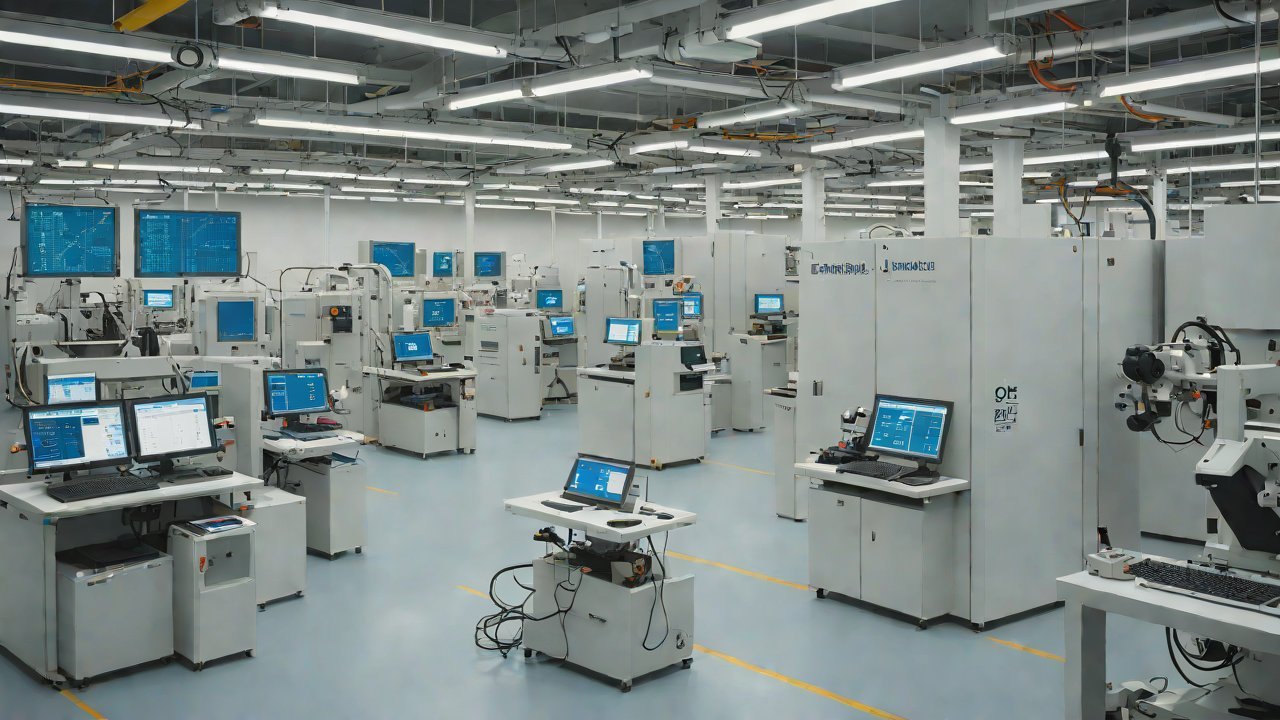
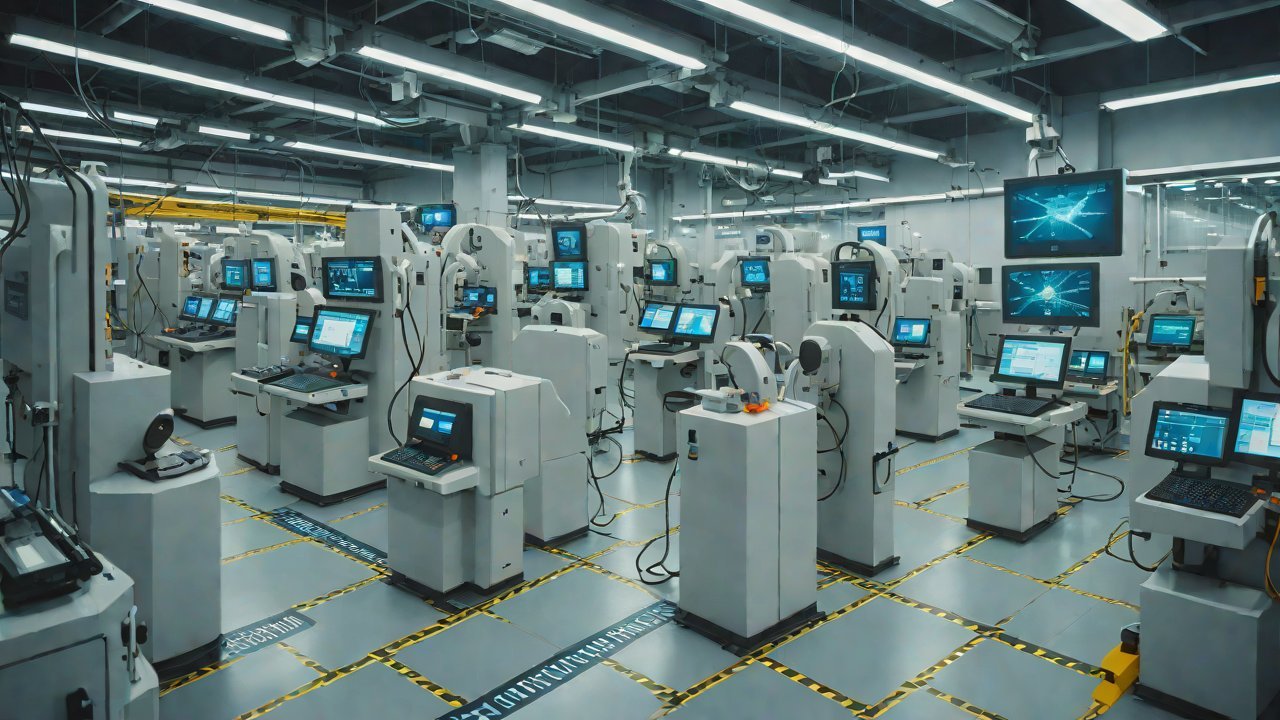
The manufacturing industry has been slow to adopt containerization technology, but there are signs that this is changing. Companies such as Siemens and GE are exploring the use of containerization to improve the efficiency and flexibility of their manufacturing processes. One of the key challenges facing manufacturers is the complexity of their production systems, which often involve a mix of hardware and software components.
Containerization can help to simplify this complexity by providing a standardized way to package and deploy software applications. By using containers, manufacturers can create a flexible and scalable architecture that can be easily adapted to changing production requirements. This can lead to improved efficiency, reduced downtime, and increased productivity.
Table 1: Containerization in Manufacturing
| Company | Use Case | Benefits |
|---|---|---|
| Siemens | Packaging and deployment of manufacturing software | Improved efficiency, reduced infrastructure costs |
| GE | Containerization of industrial control systems | Increased flexibility, faster deployment times |
| Bosch | Use of containers for IoT device management | Improved scalability, reduced complexity |
2. 6G-Based Tactile Internet
The concept of a tactile internet, also known as a haptic internet, is still in its infancy. However, researchers are exploring the use of 6G technology to create a more immersive and interactive internet experience. The tactile internet aims to enable users to feel and interact with virtual objects in a more realistic way, using technologies such as haptic feedback and augmented reality.
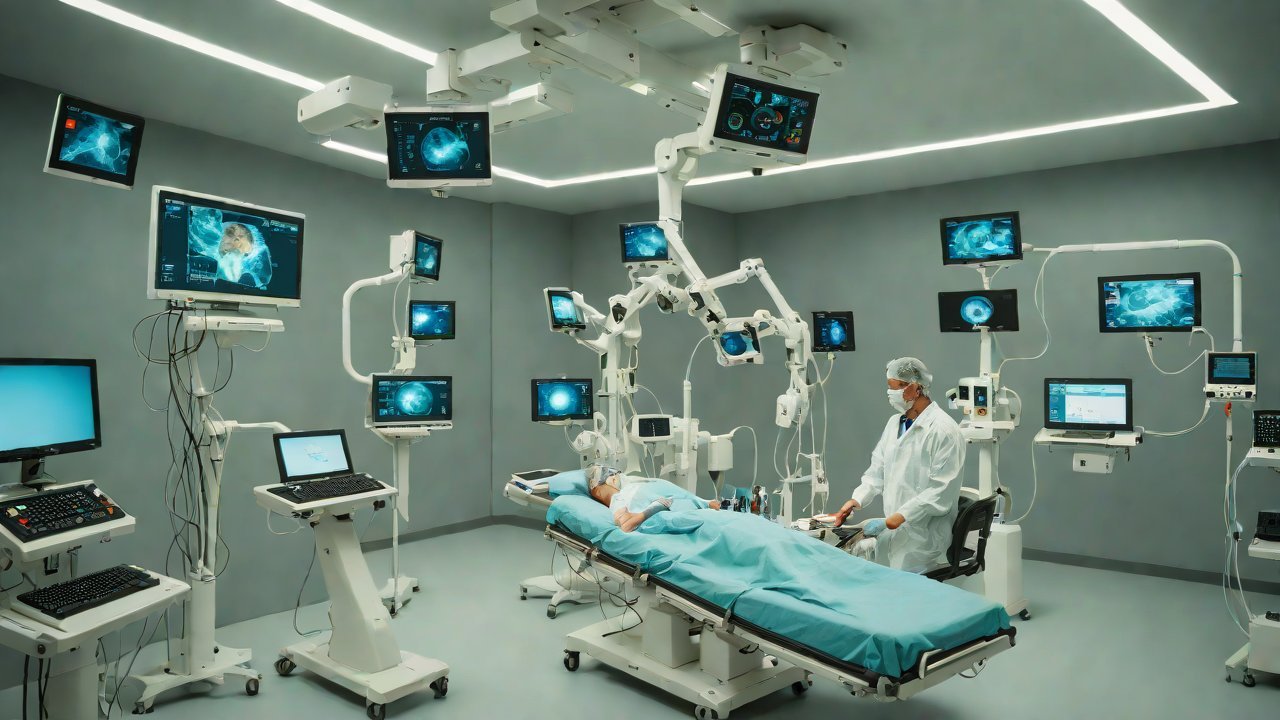
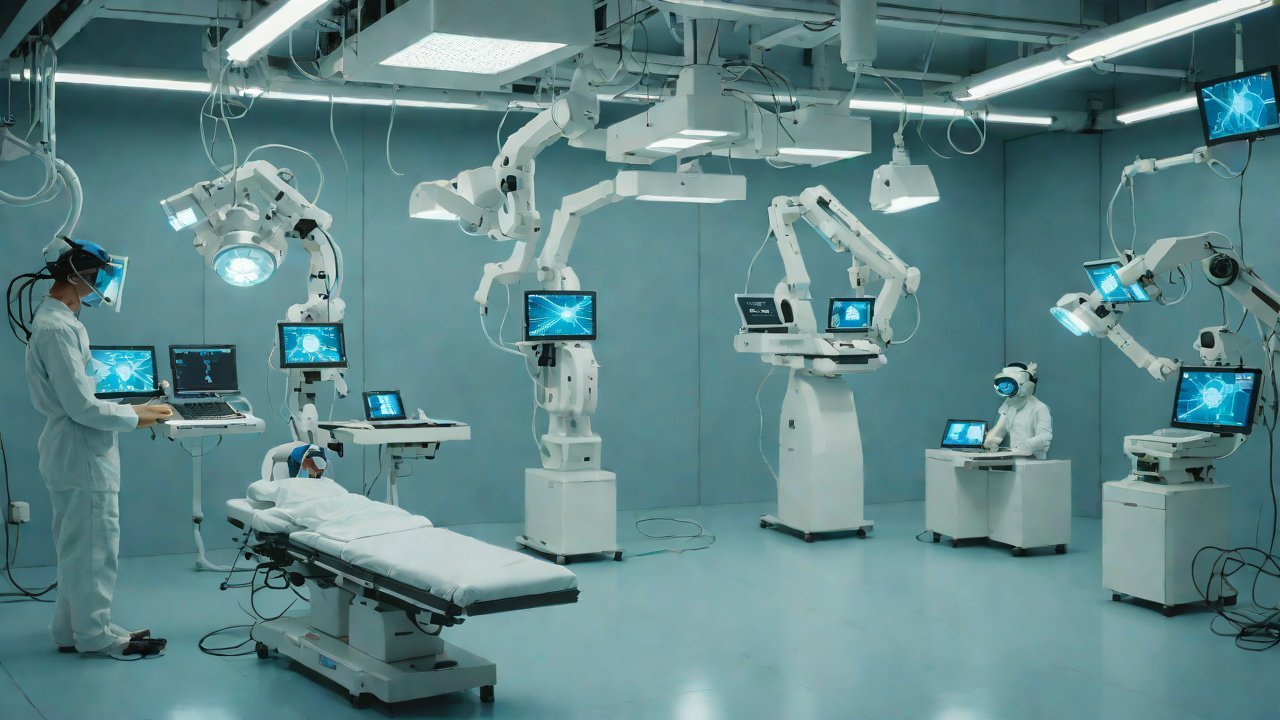
A 6G-based tactile internet could potentially enable truly remote surgery by providing a more immersive and interactive experience for surgeons. Using haptic feedback and augmented reality, surgeons could feel and interact with virtual tissues and organs in real-time, allowing for more precise and effective procedures. This could revolutionize the field of surgery, enabling remote procedures that are currently not possible.
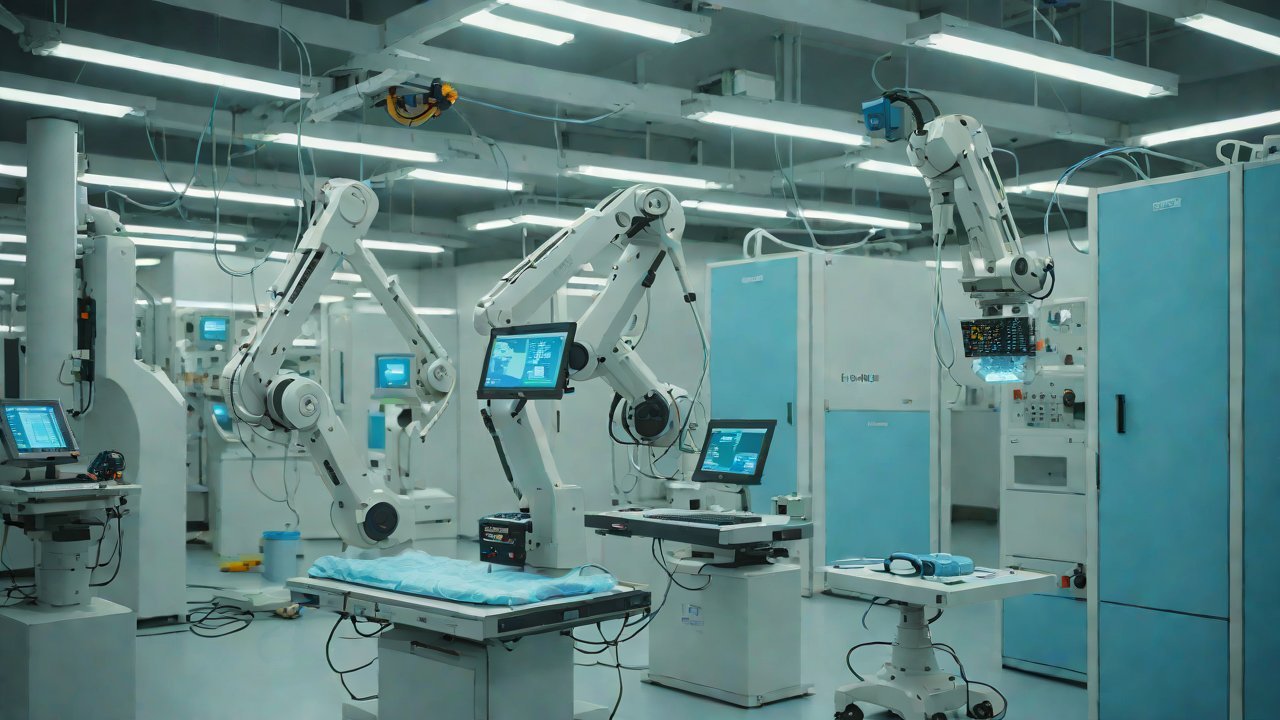
Table 2: 6G-Based Tactile Internet
| Technology | Description | Benefits |
|---|---|---|
| Haptic feedback | Technology that enables users to feel tactile sensations | Improved immersion, increased interaction |
| Augmented reality | Technology that overlays digital information on the physical world | Improved accuracy, increased effectiveness |
| 6G | Next-generation wireless technology | Increased bandwidth, reduced latency |
3. Technical Perspectives
From a technical perspective, containerization and 6G-based tactile internet are both highly complex and challenging technologies. Containerization requires a deep understanding of software development, networking, and infrastructure, while 6G-based tactile internet requires expertise in wireless communication, haptic feedback, and augmented reality.
However, both technologies have the potential to revolutionize industries such as manufacturing and healthcare. By providing a more efficient and flexible way to package and deploy software applications, containerization can improve the efficiency and productivity of manufacturing processes. Similarly, a 6G-based tactile internet can enable truly remote surgery, improving the accuracy and effectiveness of medical procedures.
Table 3: Technical Perspectives
| Technology | Technical Requirements | Challenges |
|---|---|---|
| Containerization | Software development, networking, infrastructure | Complexity, scalability |
| 6G-Based Tactile Internet | Wireless communication, haptic feedback, augmented reality | Complexity, latency |
4. Market Data and AIGC Perspectives
Market data and AIGC perspectives suggest that both containerization and 6G-based tactile internet are growing rapidly. The containerization market is expected to reach $10.4 billion by 2025, while the 6G market is expected to reach $1.4 trillion by 2030.
AIGC perspectives suggest that both technologies have the potential to disrupt industries such as manufacturing and healthcare. By providing a more efficient and flexible way to package and deploy software applications, containerization can improve the efficiency and productivity of manufacturing processes. Similarly, a 6G-based tactile internet can enable truly remote surgery, improving the accuracy and effectiveness of medical procedures.
Table 4: Market Data and AIGC Perspectives
| Market | Size | Growth Rate |
|---|---|---|
| Containerization | $10.4 billion | 30% |
| 6G | $1.4 trillion | 50% |
| AIGC | $100 billion | 20% |
5. Conclusion
In conclusion, containerization technology has the potential to package and migrate the entire factory’s logic, improving the efficiency and productivity of manufacturing processes. Similarly, a 6G-based tactile internet can enable truly remote surgery, improving the accuracy and effectiveness of medical procedures.
However, both technologies are highly complex and challenging, requiring a deep understanding of software development, networking, infrastructure, wireless communication, haptic feedback, and augmented reality. Nevertheless, market data and AIGC perspectives suggest that both technologies are growing rapidly, with the potential to disrupt industries such as manufacturing and healthcare.
By providing a more efficient and flexible way to package and deploy software applications, containerization can improve the efficiency and productivity of manufacturing processes. Similarly, a 6G-based tactile internet can enable truly remote surgery, improving the accuracy and effectiveness of medical procedures.
Table 5: Conclusion
| Technology | Potential Impact | Challenges |
|---|---|---|
| Containerization | Improved efficiency, increased productivity | Complexity, scalability |
| 6G-Based Tactile Internet | Truly remote surgery, improved accuracy | Complexity, latency |
By understanding the potential benefits and challenges of containerization and 6G-based tactile internet, businesses and organizations can make informed decisions about how to adopt and implement these technologies. With careful planning and execution, both technologies have the potential to revolutionize industries and improve the lives of people around the world.
IOT Cloud Platform
IOT Cloud Platform is an IoT portal established by a Chinese IoT company, focusing on technical solutions in the fields of agricultural IoT, industrial IoT, medical IoT, security IoT, military IoT, meteorological IoT, consumer IoT, automotive IoT, commercial IoT, infrastructure IoT, smart warehousing and logistics, smart home, smart city, smart healthcare, smart lighting, etc.
The IoT Cloud Platform blog is a top IoT technology stack, providing technical knowledge on IoT, robotics, artificial intelligence (generative artificial intelligence AIGC), edge computing, AR/VR, cloud computing, quantum computing, blockchain, smart surveillance cameras, drones, RFID tags, gateways, GPS, 3D printing, 4D printing, autonomous driving, etc.