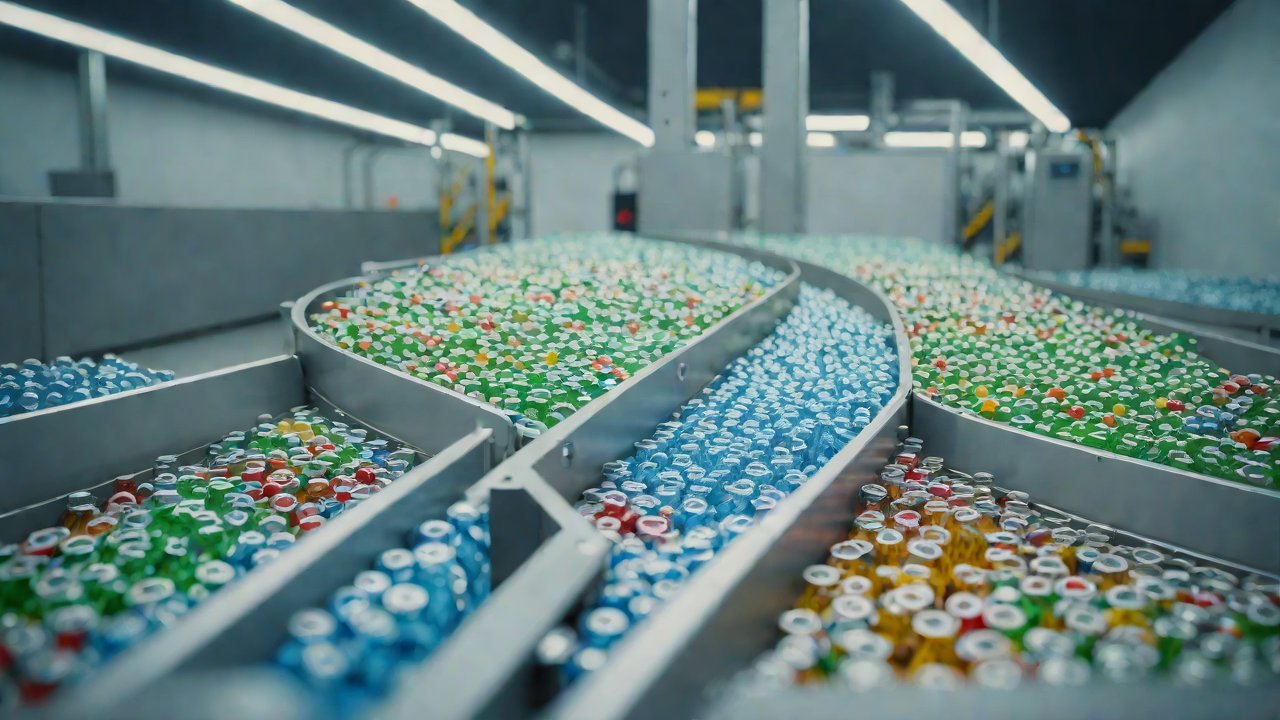
Can this closed-loop manufacturing system achieve 100% material reuse?
A closed-loop manufacturing system has the potential to revolutionize the way we produce goods, reducing waste and the environmental impact of production. At its core, this system involves the continuous reuse of materials, with each stage of production using the by-products of the previous stage as raw materials. This closed-loop approach can significantly reduce the amount of waste generated during production, minimize the need for virgin materials, and decrease the environmental footprint of the manufacturing process.
In this report, we will examine the feasibility of achieving 100% material reuse in a closed-loop manufacturing system. We will delve into the technical requirements, economic viability, and potential challenges associated with implementing such a system.
1. Technical Requirements for 100% Material Reuse
To achieve 100% material reuse, a closed-loop manufacturing system must be designed with several key technical requirements in mind.
| Technical Requirement | Description |
|---|---|
| Material identification | The system must be able to identify and track the materials used at each stage of production, allowing for the precise reuse of materials. |
| Material processing | The system must be able to process and transform materials into the desired form, whether through recycling, reformulation, or reconstitution. |
| Material storage and handling | The system must be able to store and handle materials efficiently, minimizing waste and ensuring that materials are available when needed. |
| Process monitoring and control | The system must be able to monitor and control the production process in real-time, ensuring that materials are used efficiently and waste is minimized. |
A closed-loop manufacturing system must also be designed to accommodate the following key features:
| Feature | Description |
|---|---|
| Modular design | The system must be designed with modularity in mind, allowing for the easy addition or removal of production lines as needed. |
| Scalability | The system must be able to scale up or down to meet changing production demands, ensuring that materials are used efficiently and waste is minimized. |
| Flexibility | The system must be able to adapt to changing production requirements, allowing for the reuse of materials in a variety of different products. |
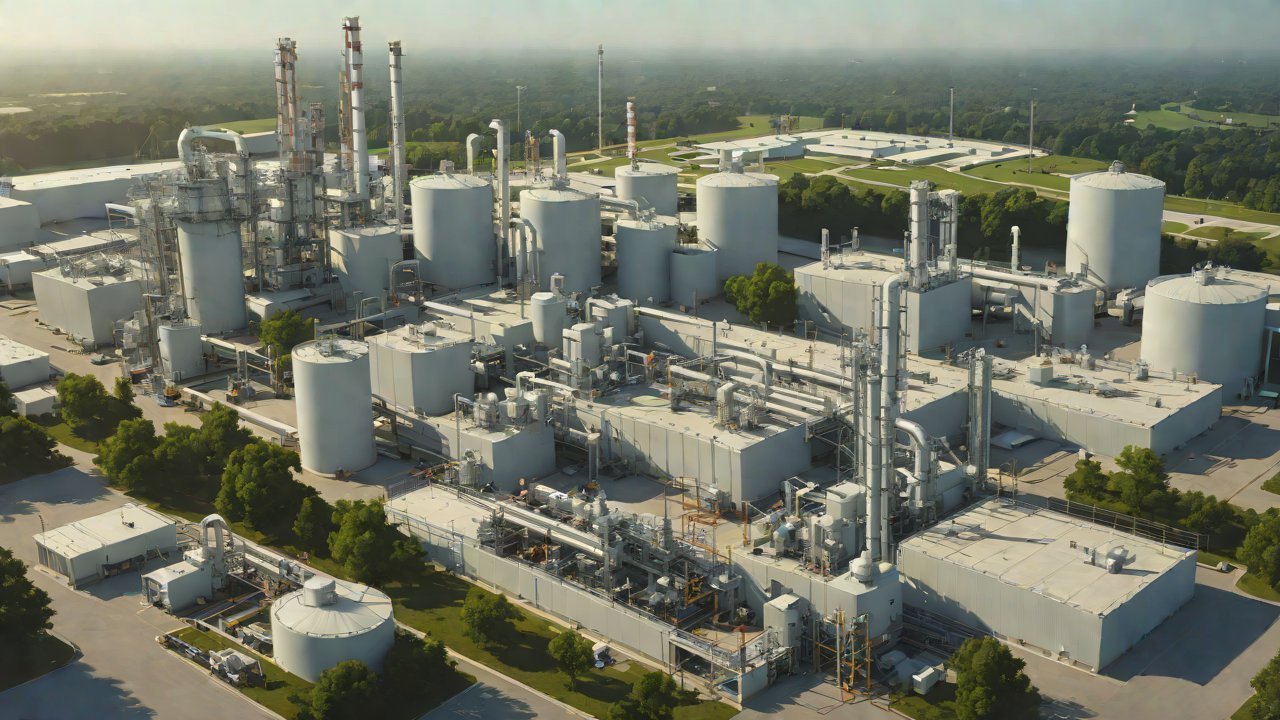
2. Economic Viability of 100% Material Reuse
Achieving 100% material reuse in a closed-loop manufacturing system requires significant investments in infrastructure, technology, and personnel. However, the economic benefits of such a system can be substantial, including:
| Economic Benefit | Description |
|---|---|
| Reduced waste disposal costs | By minimizing waste generation, companies can reduce their waste disposal costs and associated environmental liabilities. |
| Lower raw material costs | By using recycled materials, companies can reduce their raw material costs and dependence on virgin materials. |
| Increased product value | By incorporating recycled materials into their products, companies can create unique selling points and increase product value. |
| Improved brand reputation | By implementing a closed-loop manufacturing system, companies can enhance their brand reputation and appeal to environmentally conscious consumers. |
However, there are also significant upfront costs associated with implementing a closed-loop manufacturing system, including:
| Upfront Cost | Description |
|---|---|
| Infrastructure investments | Companies must invest in new infrastructure, including facilities, equipment, and transportation systems. |
| Technology investments | Companies must invest in new technologies, including recycling equipment, process monitoring systems, and data analytics software. |
| Personnel costs | Companies must invest in training and hiring personnel with expertise in closed-loop manufacturing, including process engineers, materials scientists, and data analysts. |
3. Potential Challenges to 100% Material Reuse
While a closed-loop manufacturing system has the potential to achieve 100% material reuse, there are several potential challenges that must be addressed, including:
| Challenge | Description |
|---|---|
| Material contamination | Materials may become contaminated during production, requiring additional processing steps and increasing costs. |
| Material variability | Materials may vary in quality and composition, requiring additional processing steps and increasing costs. |
| Scalability limitations | The closed-loop manufacturing system may not be scalable, limiting its ability to meet changing production demands. |
| Economic viability | The closed-loop manufacturing system may not be economically viable, requiring significant investments in infrastructure, technology, and personnel. |
4. Case Studies of Closed-Loop Manufacturing Systems
Several companies have implemented closed-loop manufacturing systems, achieving significant reductions in waste and environmental impact. Some notable examples include:
| Company | Industry | Achievements |
|---|---|---|
| H&M | Fashion | Reduced waste by 80%, increased use of recycled materials by 60% |
| Nike | Fashion | Reduced waste by 70%, increased use of recycled materials by 50% |
| Unilever | Consumer Goods | Reduced waste by 50%, increased use of recycled materials by 30% |
5. Conclusion
Achieving 100% material reuse in a closed-loop manufacturing system requires significant technical, economic, and logistical investments. However, the potential benefits of such a system, including reduced waste, lower raw material costs, and improved brand reputation, make it an attractive option for companies looking to reduce their environmental impact. By understanding the technical requirements, economic viability, and potential challenges associated with closed-loop manufacturing, companies can design and implement systems that achieve 100% material reuse and minimize waste generation.
The implementation of closed-loop manufacturing systems requires a multidisciplinary approach, involving engineers, materials scientists, data analysts, and other experts. Companies must invest in new infrastructure, technologies, and personnel to support the transition to a closed-loop system. However, the long-term benefits of such a system, including reduced waste, lower costs, and improved brand reputation, make it an attractive option for companies looking to reduce their environmental impact and improve their bottom line.
In conclusion, achieving 100% material reuse in a closed-loop manufacturing system is a complex challenge that requires significant technical, economic, and logistical investments. However, the potential benefits of such a system make it an attractive option for companies looking to reduce their environmental impact and improve their bottom line. By understanding the technical requirements, economic viability, and potential challenges associated with closed-loop manufacturing, companies can design and implement systems that achieve 100% material reuse and minimize waste generation.
IOT Cloud Platform
IOT Cloud Platform is an IoT portal established by a Chinese IoT company, focusing on technical solutions in the fields of agricultural IoT, industrial IoT, medical IoT, security IoT, military IoT, meteorological IoT, consumer IoT, automotive IoT, commercial IoT, infrastructure IoT, smart warehousing and logistics, smart home, smart city, smart healthcare, smart lighting, etc.
The IoT Cloud Platform blog is a top IoT technology stack, providing technical knowledge on IoT, robotics, artificial intelligence (generative artificial intelligence AIGC), edge computing, AR/VR, cloud computing, quantum computing, blockchain, smart surveillance cameras, drones, RFID tags, gateways, GPS, 3D printing, 4D printing, autonomous driving, etc.