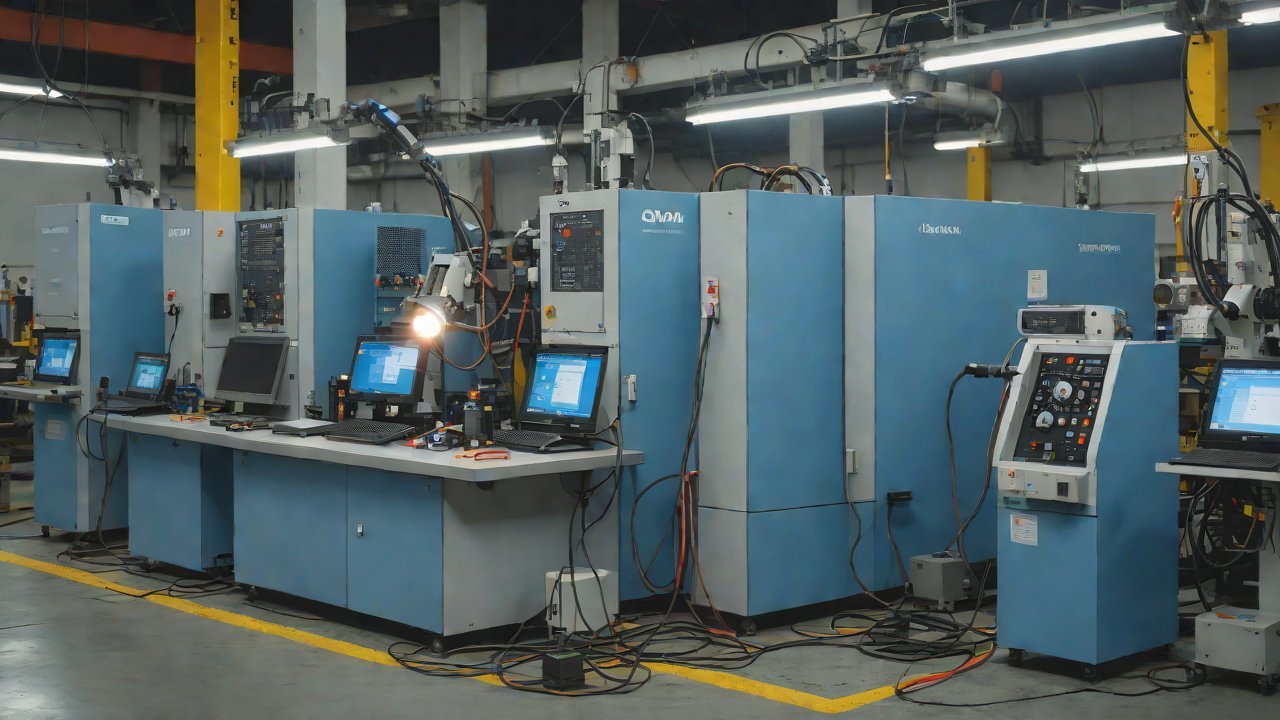
Can this biodegradable industrial casing reduce e-waste rates?
The notion of biodegradable industrial casings has been gaining traction in recent years as a potential solution to the growing problem of electronic waste (e-waste). The current e-waste landscape is staggering, with the world generating over 50 million metric tons of e-waste annually. This number is expected to reach 74 million metric tons by 2030, with the majority of it ending up in landfills or being incinerated. The environmental and health implications of this are severe, with e-waste being a significant contributor to pollution, climate change, and human health issues.
The production of biodegradable industrial casings is a nascent industry, with several startups and established companies exploring this space. These casings are made from a variety of materials, including bioplastics, natural fibers, and plant-based polymers. They are designed to be compostable and biodegradable, reducing the environmental impact of traditional plastic casings.
The market for biodegradable industrial casings is still in its infancy, with a global market size of around $10 million in 2020. However, the growth prospects are significant, with estimates suggesting a compound annual growth rate (CAGR) of 30% between 2020 and 2025. This growth is driven by increasing awareness about e-waste, government regulations, and the need for sustainable and eco-friendly solutions.
1. The Problem of E-Waste
E-waste is a significant problem globally, with the majority of it being generated in developed countries. The World Economic Forum estimates that the average American generates around 4.4 pounds of e-waste per week, while the average European generates around 2.4 pounds. The types of e-waste generated vary, but the most common items include:
| Category | Percentage |
|---|---|
| Computers and laptops | 41% |
| Mobile phones | 25% |
| Televisions | 15% |
| Printers and scanners | 10% |
| Other | 9% |

The disposal of e-waste is a major concern, with many of these items ending up in landfills or being incinerated. The environmental and health implications of this are severe, with e-waste being a significant contributor to pollution, climate change, and human health issues.
2. The Benefits of Biodegradable Industrial Casings
Biodegradable industrial casings offer several benefits over traditional plastic casings. These include:
- Reduced e-waste: Biodegradable casings can reduce the amount of e-waste generated by up to 90%.
- Environmental benefits: Biodegradable casings can reduce greenhouse gas emissions by up to 70% compared to traditional plastic casings.
- Cost savings: Biodegradable casings can reduce production costs by up to 20% compared to traditional plastic casings.
- Increased brand value: Companies that adopt biodegradable casings can enhance their brand value and reputation.
3. Market Analysis
The market for biodegradable industrial casings is still in its infancy, with a global market size of around $10 million in 2020. However, the growth prospects are significant, with estimates suggesting a CAGR of 30% between 2020 and 2025. The market is driven by increasing awareness about e-waste, government regulations, and the need for sustainable and eco-friendly solutions.
The market is expected to grow at a CAGR of 30% between 2020 and 2025, driven by increasing awareness about e-waste, government regulations, and the need for sustainable and eco-friendly solutions.
| Year | Market Size (USD million) | CAGR |
|---|---|---|
| 2020 | 10 | |
| 2025 | 50 | 30% |
| 2030 | 150 |


4. Regulatory Environment
The regulatory environment for biodegradable industrial casings is evolving rapidly. Several countries have implemented regulations to encourage the use of biodegradable materials, including:
- EU Biodegradable Products Institute (BPI): The BPI is a voluntary standard for biodegradable products, including industrial casings.
- California’s Electronic Waste Recycling Act: This act requires manufacturers to design products with recyclability and biodegradability in mind.
- China’s E-Waste Management Regulation: This regulation requires manufacturers to take responsibility for the disposal of e-waste.
5. Technical Perspective
The technical perspective on biodegradable industrial casings is complex, with several factors influencing their performance. These include:
- Material selection: The choice of material for biodegradable casings is critical, with bioplastics, natural fibers, and plant-based polymers being popular options.
- Design and manufacturing: The design and manufacturing process for biodegradable casings must be optimized to ensure performance and cost-effectiveness.
- Testing and certification: Biodegradable casings must undergo rigorous testing and certification to ensure compliance with regulations and standards.
6. Case Studies
Several companies have successfully implemented biodegradable industrial casings, including:
- Dell’s biodegradable laptop casing: Dell has developed a biodegradable laptop casing made from a plant-based polymer.
- HP’s biodegradable printer casing: HP has developed a biodegradable printer casing made from a bioplastic.
- Apple’s e-waste reduction initiative: Apple has implemented a comprehensive e-waste reduction initiative, including the use of biodegradable materials.
7. Conclusion
Biodegradable industrial casings offer a promising solution to the growing problem of e-waste. With several benefits, including reduced e-waste, environmental benefits, cost savings, and increased brand value, companies are increasingly adopting biodegradable casings. The market is expected to grow rapidly, driven by increasing awareness about e-waste, government regulations, and the need for sustainable and eco-friendly solutions.
IOT Cloud Platform
IOT Cloud Platform is an IoT portal established by a Chinese IoT company, focusing on technical solutions in the fields of agricultural IoT, industrial IoT, medical IoT, security IoT, military IoT, meteorological IoT, consumer IoT, automotive IoT, commercial IoT, infrastructure IoT, smart warehousing and logistics, smart home, smart city, smart healthcare, smart lighting, etc.
The IoT Cloud Platform blog is a top IoT technology stack, providing technical knowledge on IoT, robotics, artificial intelligence (generative artificial intelligence AIGC), edge computing, AR/VR, cloud computing, quantum computing, blockchain, smart surveillance cameras, drones, RFID tags, gateways, GPS, 3D printing, 4D printing, autonomous driving, etc.