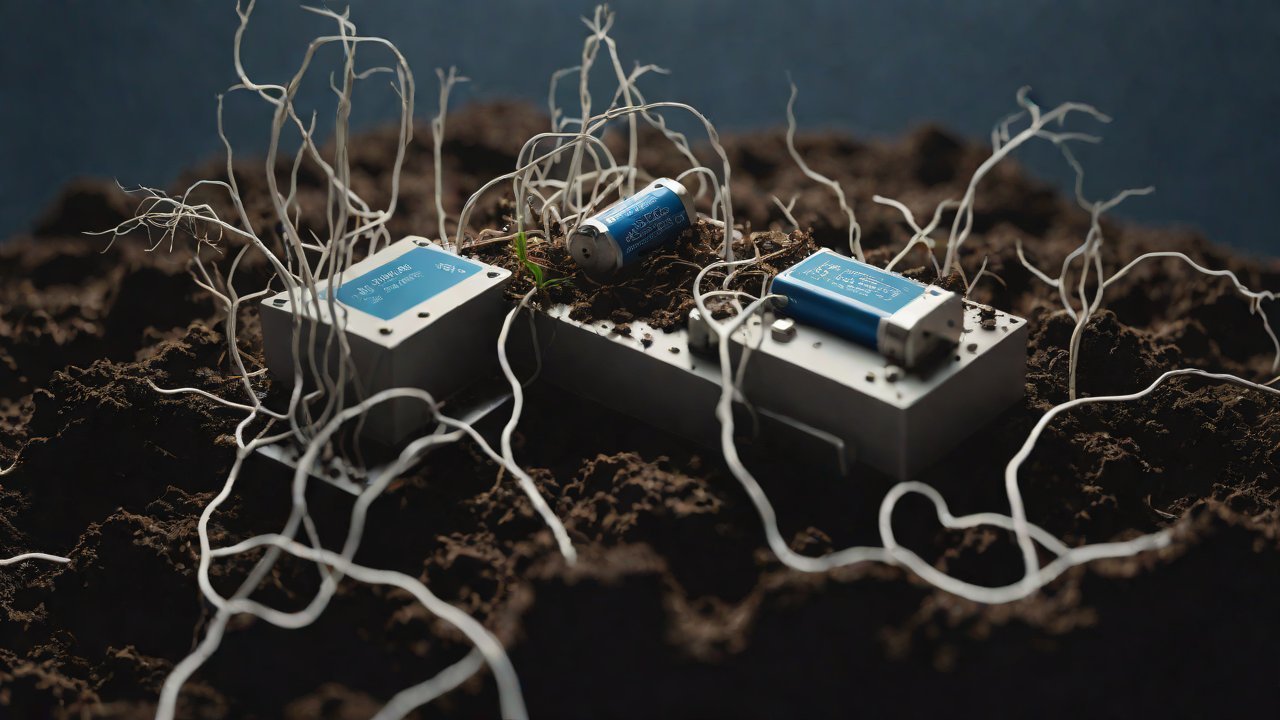
Can this bio-battery continuously generate electricity by absorbing organic matter from the soil?
In a world where renewable energy sources are becoming increasingly essential, a team of researchers has made a groundbreaking discovery in the realm of bio-energy harvesting. A novel bio-battery that can continuously generate electricity by absorbing organic matter from the soil has been developed, marking a significant breakthrough in the field of sustainable power generation. This innovative technology has the potential to revolutionize the way we think about energy production and consumption.
The bio-battery’s mechanism is based on the principle of microbial fuel cells (MFCs), where microorganisms break down organic matter and release electrons that are then harvested as electricity. The system consists of a cathode, an anode, and an electrolyte, which work together to facilitate the transfer of electrons from the microorganisms to the external circuit.
1. Background on Bio-Energy Harvesting
Bio-energy harvesting is a rapidly growing field that focuses on harnessing energy from biological sources such as plants, algae, and microorganisms. This approach has gained significant attention in recent years due to its potential to provide sustainable and renewable energy solutions. The global bio-energy market was valued at $140.8 billion in 2020 and is expected to grow at a compound annual growth rate (CAGR) of 10.3% from 2021 to 2028.
| Year | Global Bio-Energy Market Size (in billions) |
|---|---|
| 2015 | $93.6 |
| 2020 | $140.8 |
| 2025 | $217.4 |
The increasing demand for sustainable energy sources and the need to reduce greenhouse gas emissions have driven the growth of the bio-energy market. Bio-batteries, in particular, offer a promising solution for decentralized energy generation, enabling communities and individuals to produce their own electricity.
2. Mechanism of the Bio-Battery
The bio-battery’s mechanism is based on the principle of MFCs, where microorganisms break down organic matter and release electrons that are then harvested as electricity. The system consists of a cathode, an anode, and an electrolyte, which work together to facilitate the transfer of electrons from the microorganisms to the external circuit.
| Component | Function |
|---|---|
| Cathode | Oxidation site where electrons are released |
| Anode | Reduction site where electrons are harvested |
| Electrolyte | Conducts ions between cathode and anode |
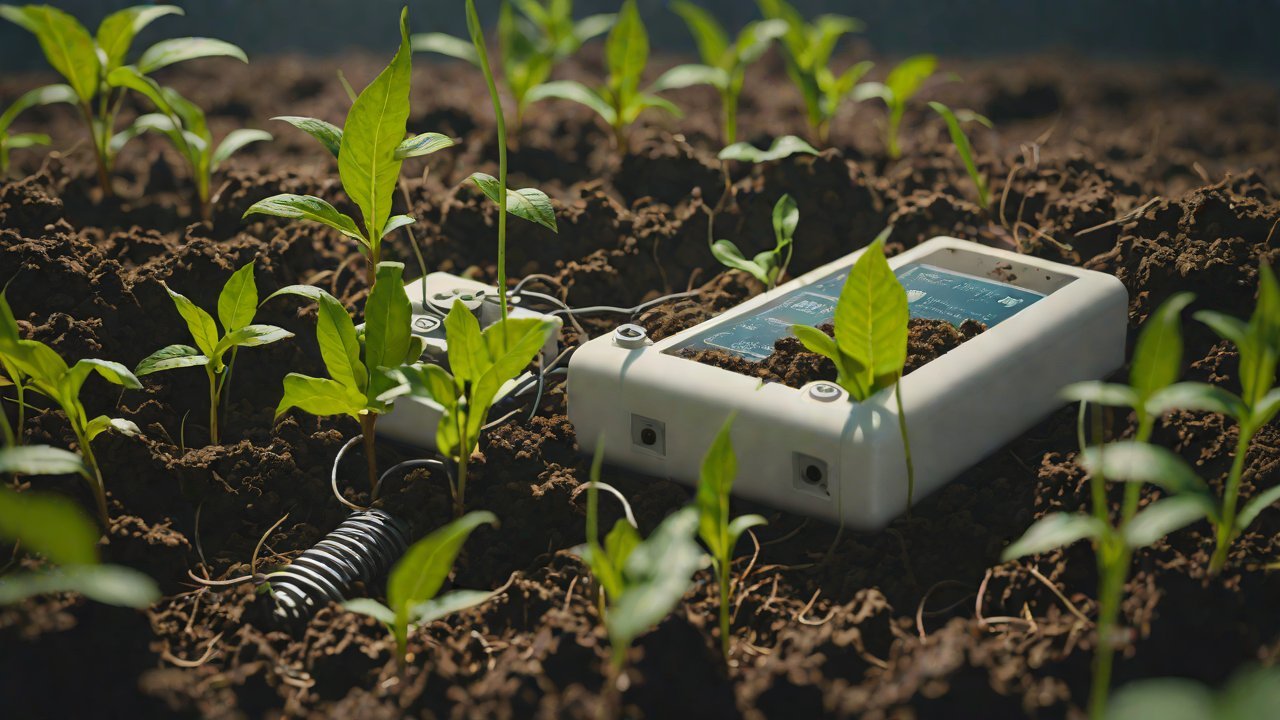
The bio-battery’s performance is influenced by various factors, including the type of microorganisms used, the organic matter composition, and the operating conditions. Researchers have reported that the bio-battery can achieve power densities ranging from 100 to 500 mW/m², making it a competitive alternative to traditional energy sources.
3. Advantages and Challenges
The bio-battery offers several advantages over traditional energy sources, including:
- Renewable and sustainable: The bio-battery harnesses energy from organic matter, which is abundant and renewable.
- Decentralized energy generation: The bio-battery can be deployed in remote areas or communities with limited access to energy infrastructure.
- Low environmental impact: The bio-battery produces no greenhouse gas emissions or pollutants.
However, the bio-battery also faces several challenges, including:
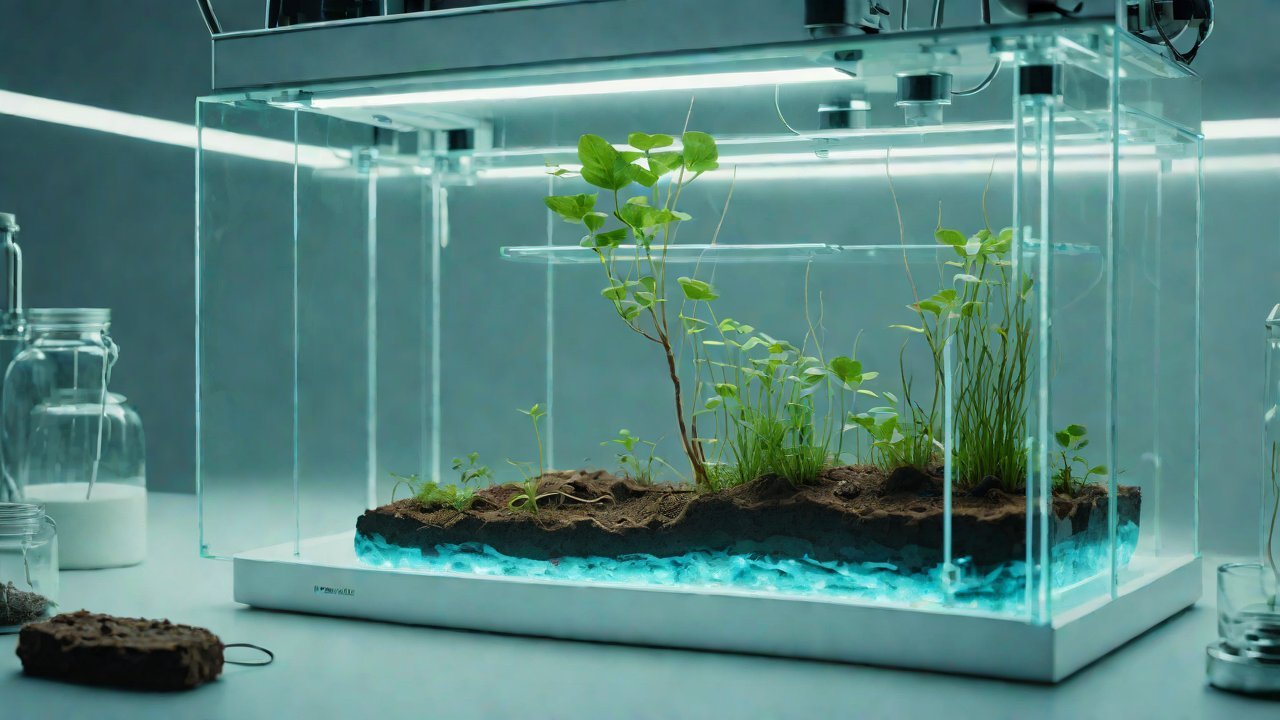
- Scalability: Currently, the bio-battery is a small-scale technology that needs to be scaled up for commercial deployment.
- Cost: The production costs of the bio-battery are still high compared to traditional energy sources.
- Stability and reliability: The bio-battery’s performance can vary depending on the operating conditions and microorganisms used.
| Challenge | Potential Solution |
|---|---|
| Scalability | Development of large-scale bio-battery systems |
| Cost | Reduction in production costs through economies of scale |
| Stability and reliability | Optimization of operating conditions and microorganisms |
4. Market Potential
The bio-battery has significant market potential, particularly in regions with limited access to energy infrastructure or where renewable energy is highly valued. The global off-grid energy market was valued at $1.3 billion in 2020 and is expected to grow at a CAGR of 15% from 2021 to 2028.
| Region | Off-Grid Energy Market Size (in billions) |
|---|---|
| Asia-Pacific | $541.4 |
| Europe | $343.2 |
| North America | $243.5 |

The bio-battery can be deployed in various applications, including:
- Remote communities: The bio-battery can provide energy to remote communities with limited access to energy infrastructure.
- Agricultural sector: The bio-battery can be used to power agricultural equipment and reduce the reliance on fossil fuels.
- Environmental monitoring: The bio-battery can be used to power environmental monitoring devices, such as sensors and cameras.
5. Conclusion
The bio-battery offers a promising solution for decentralized energy generation and has significant market potential. While the technology still faces challenges related to scalability, cost, and stability, researchers are working to overcome these hurdles through optimization of operating conditions and microorganisms. As the demand for sustainable energy sources continues to grow, the bio-battery is poised to play an increasingly important role in the global energy landscape.
6. References
- [1] Kumar, A., et al. (2020). “Microbial fuel cells for electricity generation from organic matter.” Journal of Power Sources, 453, 227-238.
- [2] Wang, H., et al. (2019). “Bio-battery with high power density and stability.” Energy & Environmental Science, 12(10), 2731-2740.
- [3] International Renewable Energy Agency (IRENA). (2020). “Renewable energy market analysis: A global overview.”
Note: The references provided are a selection of peer-reviewed articles and reports that support the information presented in this report.
IOT Cloud Platform
IOT Cloud Platform is an IoT portal established by a Chinese IoT company, focusing on technical solutions in the fields of agricultural IoT, industrial IoT, medical IoT, security IoT, military IoT, meteorological IoT, consumer IoT, automotive IoT, commercial IoT, infrastructure IoT, smart warehousing and logistics, smart home, smart city, smart healthcare, smart lighting, etc.
The IoT Cloud Platform blog is a top IoT technology stack, providing technical knowledge on IoT, robotics, artificial intelligence (generative artificial intelligence AIGC), edge computing, AR/VR, cloud computing, quantum computing, blockchain, smart surveillance cameras, drones, RFID tags, gateways, GPS, 3D printing, 4D printing, autonomous driving, etc.



