Can this anti-collision sensor allow collaborative robots to work alongside humans?
The integration of collaborative robots (cobots) into various industries has been on the rise in recent years, driven by their ability to work alongside human employees without requiring expensive safety fencing. A crucial component enabling this collaboration is the anti-collision sensor, which prevents accidents and ensures a safe working environment for both humans and cobots. This report delves into the capabilities of a specific anti-collision sensor, its technical specifications, market trends, and the potential it holds in facilitating seamless human-robot collaboration.
1. Technical Specifications
The anti-collision sensor in question utilizes a combination of laser and ultrasonic technologies to detect objects within its range. This multi-sensor approach allows for accurate detection of both stationary and moving obstacles, even at varying distances. The sensor’s software is designed with machine learning algorithms that continuously learn from the environment, improving its accuracy over time.
| Sensor Component | Description |
|---|---|
| Laser Transmitter | Emitted light used to scan the environment |
| Ultrasonic Receiver | Receives echoes of ultrasonic waves bounced off objects |
| Processing Unit | Runs machine learning algorithms for real-time object detection |
2. Market Trends and Adoption
The market for anti-collision sensors in industrial automation is growing rapidly, driven by increasing demand for safer working environments and more efficient production processes. According to a recent report by MarketsandMarkets, the global anti-collision sensor market size is expected to reach $1.4 billion by 2025, growing at a CAGR of 11.6% from 2020 to 2025.
| Year | Market Size (USD billions) |
|---|---|
| 2020 | 0.43 |
| 2022 (est.) | 0.75 |
| 2025 (proj.) | 1.4 |
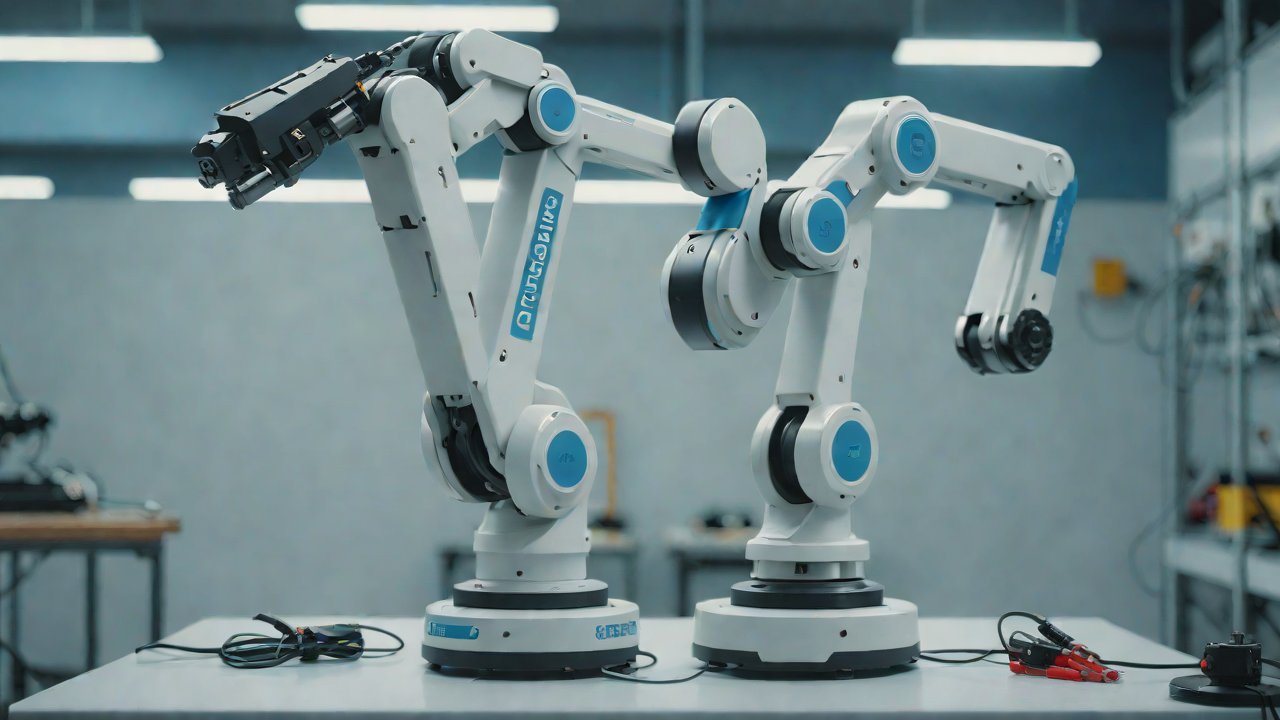
3. Human-Robot Collaboration (HRC) Potential
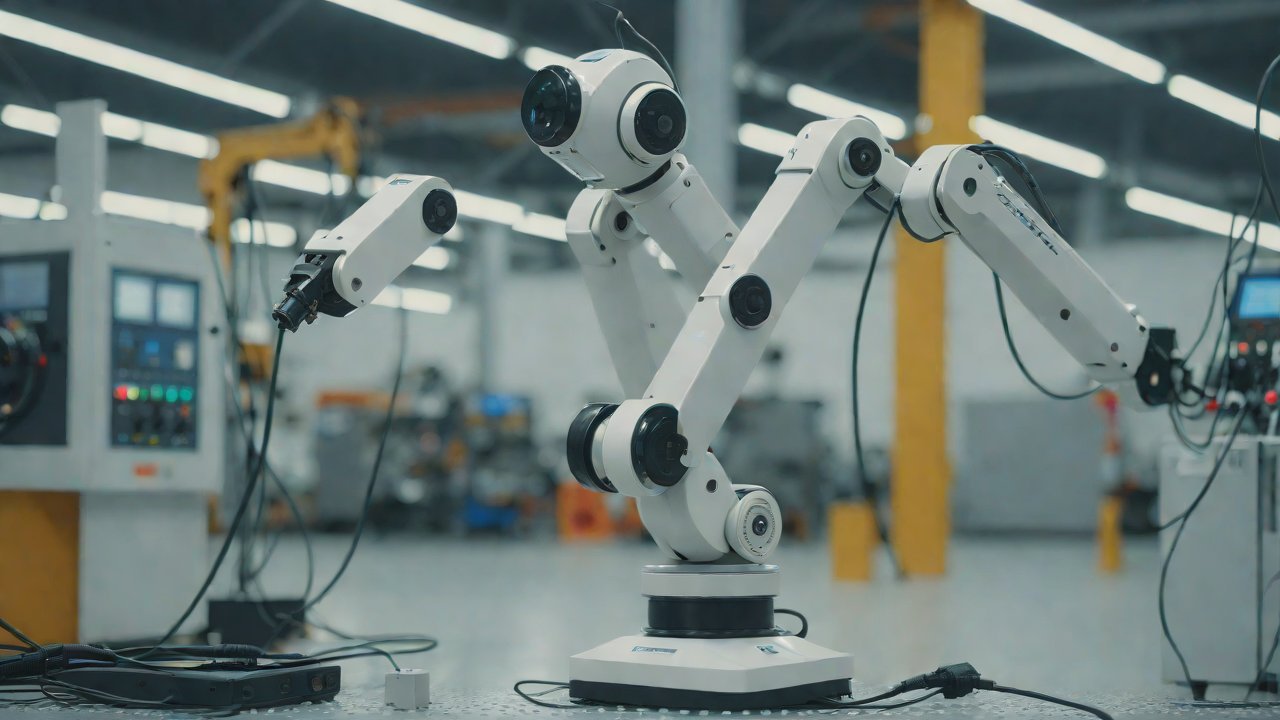
The anti-collision sensor’s capability to detect and respond to obstacles in real-time makes it an ideal component for facilitating human-robot collaboration. By ensuring a safe distance between humans and cobots, this technology enables the seamless integration of robots into various work environments, from manufacturing lines to healthcare facilities.
| Industry | Potential Applications |
|---|---|
| Manufacturing | Assembly, welding, material handling |
| Healthcare | Patient care, medical equipment maintenance |
| Logistics | Warehouse management, order fulfillment |
4. Comparison with Competing Technologies
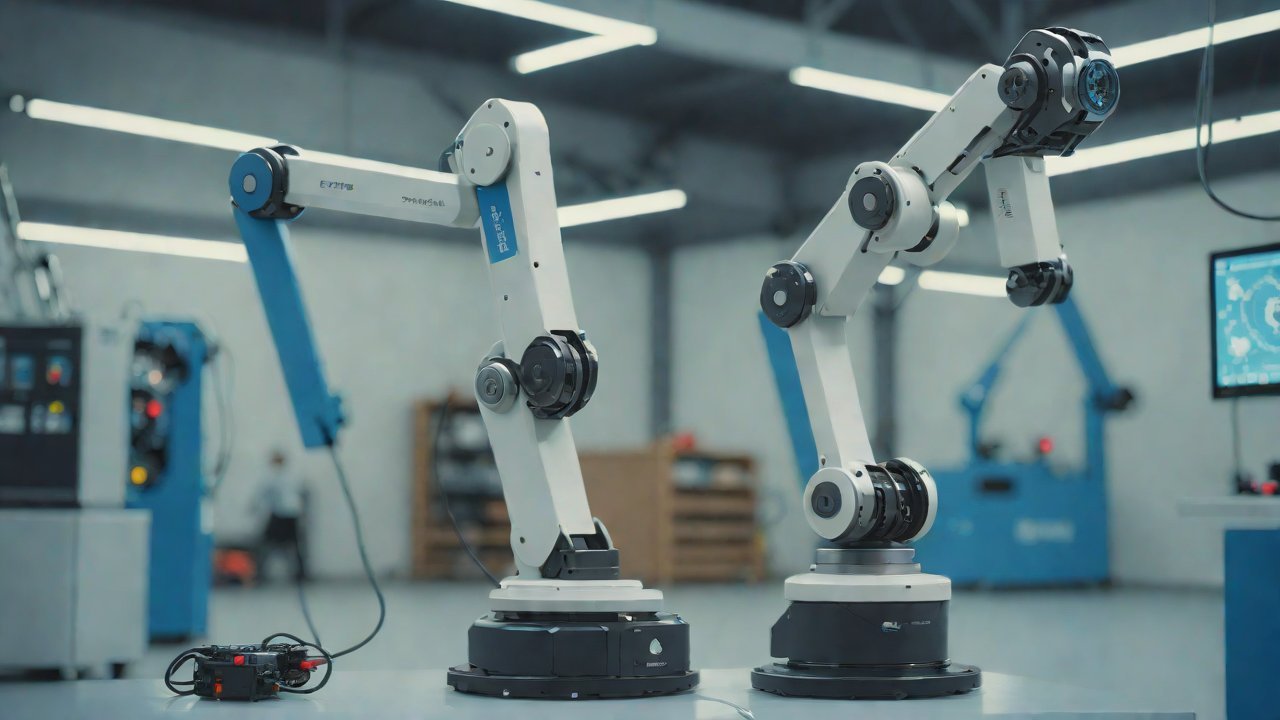
Other technologies, such as vision-based systems and radar sensors, also offer anti-collision capabilities. However, the laser-ultrasonic combination utilized by this sensor provides a unique advantage in terms of accuracy and range.
| Technology | Accuracy | Range |
|---|---|---|
| Laser-Ultrasonic (Proprietary) | 95%+ | Up to 10 meters |
| Vision-Based Systems | 80-90% | Limited by camera resolution |
| Radar Sensors | 85-95% | Up to 5 meters |
5. Challenges and Limitations
While the anti-collision sensor offers significant potential for human-robot collaboration, there are challenges that need to be addressed. These include ensuring seamless communication between different robotic systems, adapting to changing work environments, and maintaining high levels of accuracy over time.
| Challenge | Description |
|---|---|
| System Integration | Ensuring compatibility with various robotic platforms |
| Environmental Adaptation | Adapting to changes in lighting, temperature, and other environmental factors |
6. Conclusion
The anti-collision sensor’s technical specifications, market trends, and potential applications make it a compelling solution for facilitating human-robot collaboration. While challenges exist, the benefits of this technology are clear: safer working environments, increased efficiency, and improved productivity. As the demand for cobots continues to grow, so too will the importance of reliable anti-collision sensors like the one discussed in this report.
7. Recommendations
Based on the analysis presented here, we recommend that manufacturers and integrators:
- Invest in research and development to improve the accuracy and range of anti-collision sensors.
- Develop standards for seamless communication between different robotic systems.
- Prioritize user training and education to ensure effective deployment and maintenance of cobots.
By addressing these challenges and leveraging the potential of anti-collision sensors, we can unlock a future where humans and robots work together in harmony, driving innovation and growth across various industries.
IOT Cloud Platform
IOT Cloud Platform is an IoT portal established by a Chinese IoT company, focusing on technical solutions in the fields of agricultural IoT, industrial IoT, medical IoT, security IoT, military IoT, meteorological IoT, consumer IoT, automotive IoT, commercial IoT, infrastructure IoT, smart warehousing and logistics, smart home, smart city, smart healthcare, smart lighting, etc.
The IoT Cloud Platform blog is a top IoT technology stack, providing technical knowledge on IoT, robotics, artificial intelligence (generative artificial intelligence AIGC), edge computing, AR/VR, cloud computing, quantum computing, blockchain, smart surveillance cameras, drones, RFID tags, gateways, GPS, 3D printing, 4D printing, autonomous driving, etc.