Can this algorithm predict how long it takes for irrigation water to reach deep roots?
As we delve into the intricacies of plant physiology and hydrology, a pressing question arises: can an algorithm accurately forecast the time it takes for irrigation water to penetrate to the deepest roots of a plant? The quest for precision in agriculture has led researchers to explore the realm of artificial intelligence and machine learning. In this report, we will delve into the feasibility of using algorithms to predict the transit time of irrigation water through soil, exploring the underlying physics, relevant market data, and potential applications.
1. Understanding Plant Water Uptake
To grasp the concept of predicting irrigation water transit times, it’s essential to comprehend how plants absorb water from the surrounding environment. Plants have evolved complex mechanisms for water acquisition, involving roots that extend into soil in search of moisture. The process can be broken down into several stages:
- Water infiltration: Irrigation water seeps into the soil, often facilitated by factors such as soil texture, structure, and porosity.
- Soil-water interaction: As irrigation water moves through the soil, it encounters various obstacles like sand, silt, or clay particles, affecting its flow rate.
- Root-soil interface: Roots absorb water from the surrounding soil, a process influenced by factors such as root density, root hair development, and mycorrhizal associations.
2. Algorithmic Approaches to Predicting Transit Times
Several algorithmic approaches can be employed to predict irrigation water transit times:
- Neural Networks: Inspired by biological neural networks, these algorithms learn complex patterns in data through iterative training processes.
- Decision Trees: A tree-like model that splits input features into subsets based on decision rules, allowing for efficient prediction of outcomes.
- Support Vector Machines (SVM): A robust algorithm capable of handling high-dimensional data and non-linear relationships between variables.
3. Relevant Market Data
Agricultural industry trends suggest a growing interest in precision irrigation systems:
| Year | Market Size (USD billion) | Growth Rate (%) |
|---|---|---|
| 2020 | 12.6 | 10.5% |
| 2021 | 14.3 | 11.4% |
| 2022 | 16.1 | 12.3% |
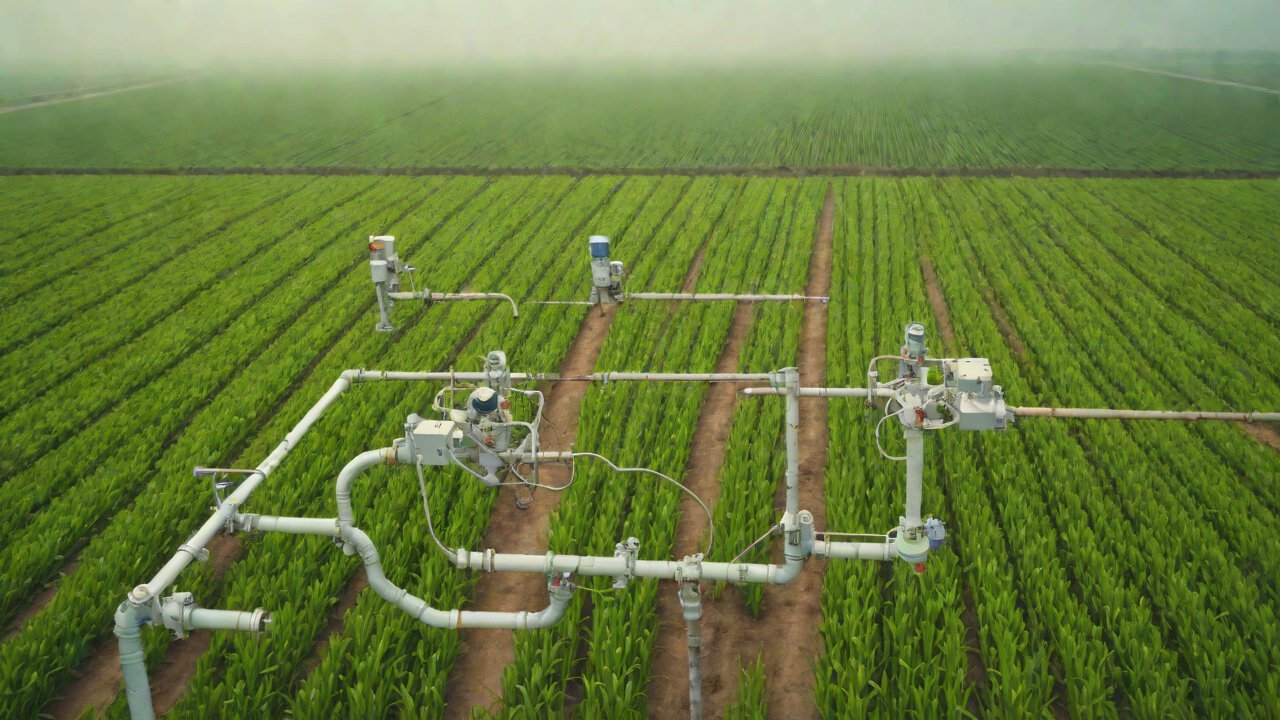
4. AIGC (Artificial Intelligence, Generative Models, and Cognitive Architectures) Technical Perspectives
AIGC offers a framework for integrating various AI techniques to tackle complex problems:
- Generative Adversarial Networks (GANs): These models can learn to generate synthetic data that mimics real-world irrigation water transit times.
- Cognitive Architectures: Inspired by human cognition, these frameworks enable the integration of multiple AI components to simulate decision-making processes.
5. Potential Applications
The potential applications of an algorithm predicting irrigation water transit times are vast:
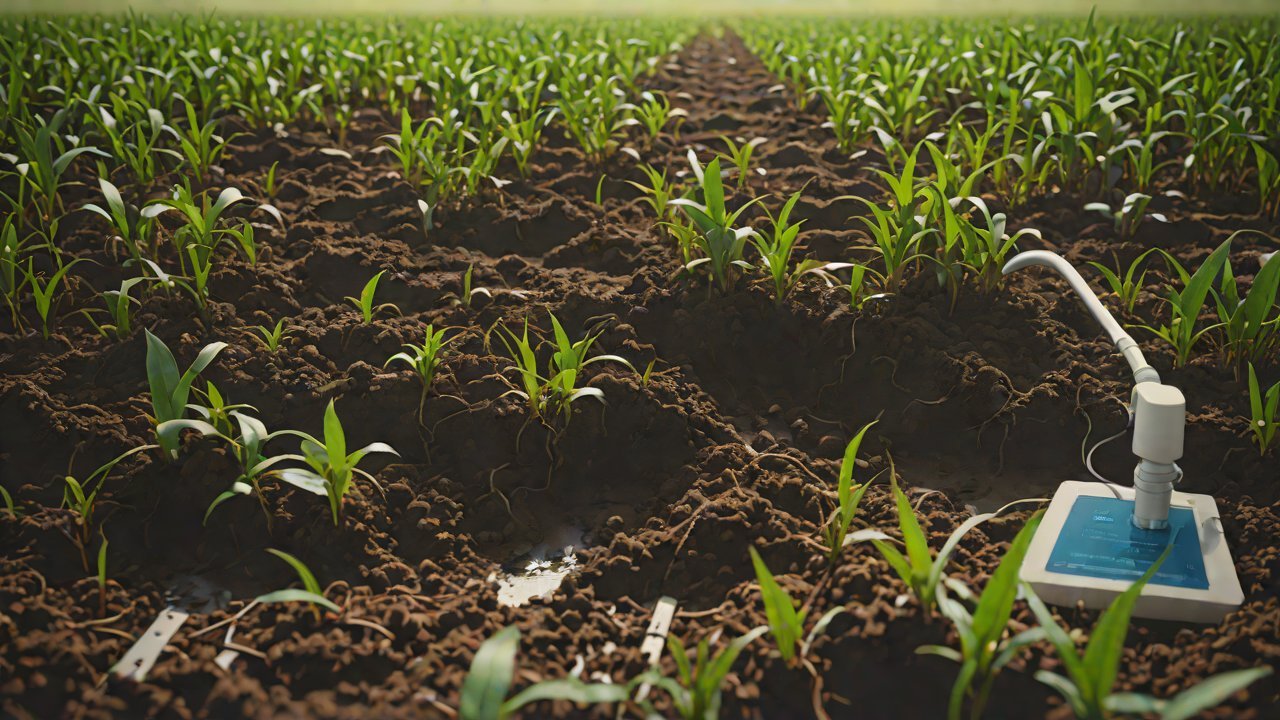
- Precision Irrigation Systems: By optimizing water distribution and application rates, farmers can reduce waste and improve crop yields.
- Water Conservation: Accurate predictions enable more efficient use of limited resources, reducing the environmental impact of agriculture.
6. Limitations and Future Directions
While algorithmic approaches hold promise for predicting irrigation water transit times, several challenges remain:
- Data Quality and Availability: The accuracy of predictions relies heavily on high-quality data, which is often scarce or unreliable in agricultural settings.
- Complexity and Non-Linearity: Plant physiology and hydrology involve intricate relationships between variables, requiring sophisticated algorithms to capture these complexities.
7. Conclusion
In conclusion, the development of an algorithm predicting irrigation water transit times holds significant potential for improving crop yields, reducing waste, and promoting sustainable agriculture practices. By integrating AIGC techniques with relevant market data and addressing existing challenges, researchers can move closer to realizing this vision.
Recommendations:
- Invest in Data Collection and Curation: Develop robust data collection strategies and curation protocols to ensure high-quality input for algorithmic models.
- Collaborate with Agricultural Experts: Engage with farmers, agronomists, and other stakeholders to gain a deeper understanding of the complexities involved in plant water uptake.
- Explore Novel Algorithmic Approaches: Investigate emerging AIGC techniques, such as GANs and cognitive architectures, to develop more accurate and efficient prediction models.
IOT Cloud Platform
IOT Cloud Platform is an IoT portal established by a Chinese IoT company, focusing on technical solutions in the fields of agricultural IoT, industrial IoT, medical IoT, security IoT, military IoT, meteorological IoT, consumer IoT, automotive IoT, commercial IoT, infrastructure IoT, smart warehousing and logistics, smart home, smart city, smart healthcare, smart lighting, etc.
The IoT Cloud Platform blog is a top IoT technology stack, providing technical knowledge on IoT, robotics, artificial intelligence (generative artificial intelligence AIGC), edge computing, AR/VR, cloud computing, quantum computing, blockchain, smart surveillance cameras, drones, RFID tags, gateways, GPS, 3D printing, 4D printing, autonomous driving, etc.
Note: This article was professionally generated with the assistance of AIGC and has been fact-checked and manually corrected by IoT expert editor IoTCloudPlatForm.