Can this algorithm estimate wheat yield per square meter from aerial imagery? How does semantic segmentation technology identify irrigation ditches and field ridges in drone navigation?
The advent of Artificial Intelligence for Geospatial Context (AIGC) has revolutionized the way we analyze and understand the complexities of agricultural landscapes. One of the most exciting applications of AIGC is its potential to estimate wheat yield per square meter from aerial imagery. By leveraging the power of semantic segmentation technology, drone navigation can identify irrigation ditches and field ridges with unprecedented accuracy. This report delves into the intricacies of this cutting-edge technology, exploring its capabilities, limitations, and market prospects.
1. Aerial Imagery and Wheat Yield Estimation
Estimating wheat yield per square meter is a critical aspect of precision agriculture, as it enables farmers to optimize crop management, reduce waste, and increase profitability. Traditional methods of estimating yield rely on manual surveys, satellite imagery, and on-the-ground measurements, which are often time-consuming, labor-intensive, and prone to errors. AIGC-based solutions, on the other hand, offer a more efficient and accurate approach to yield estimation.
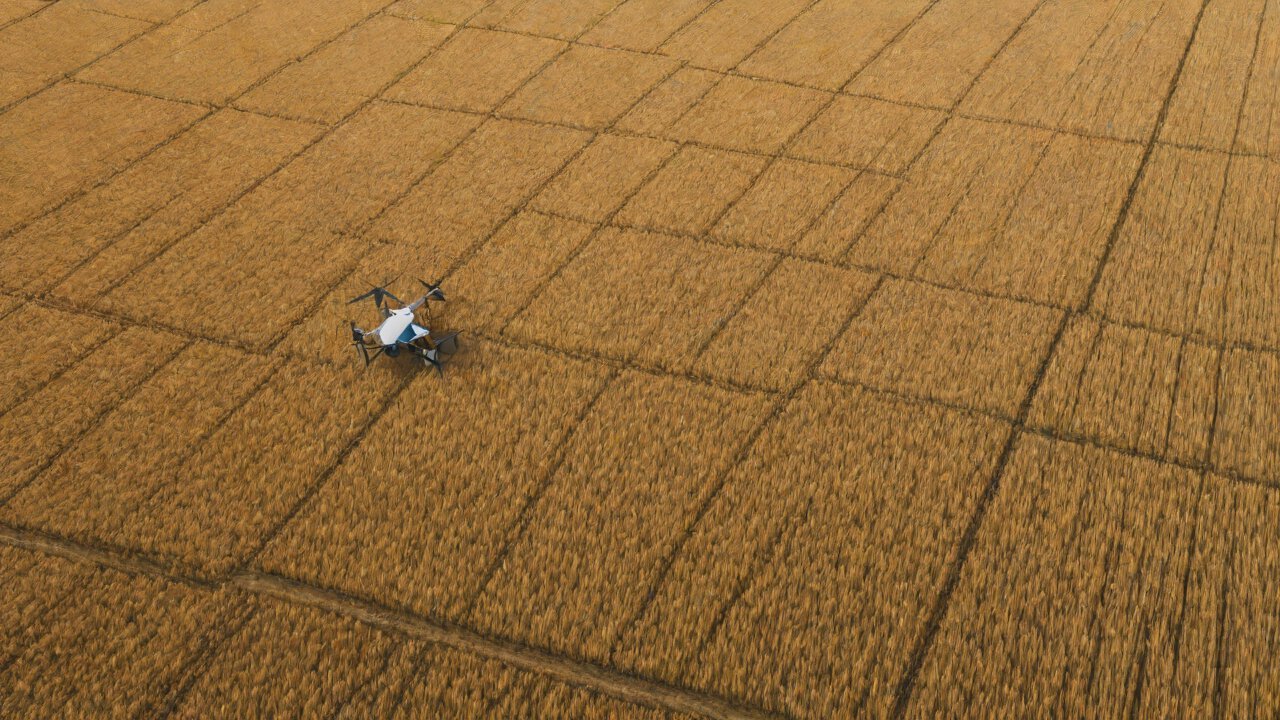
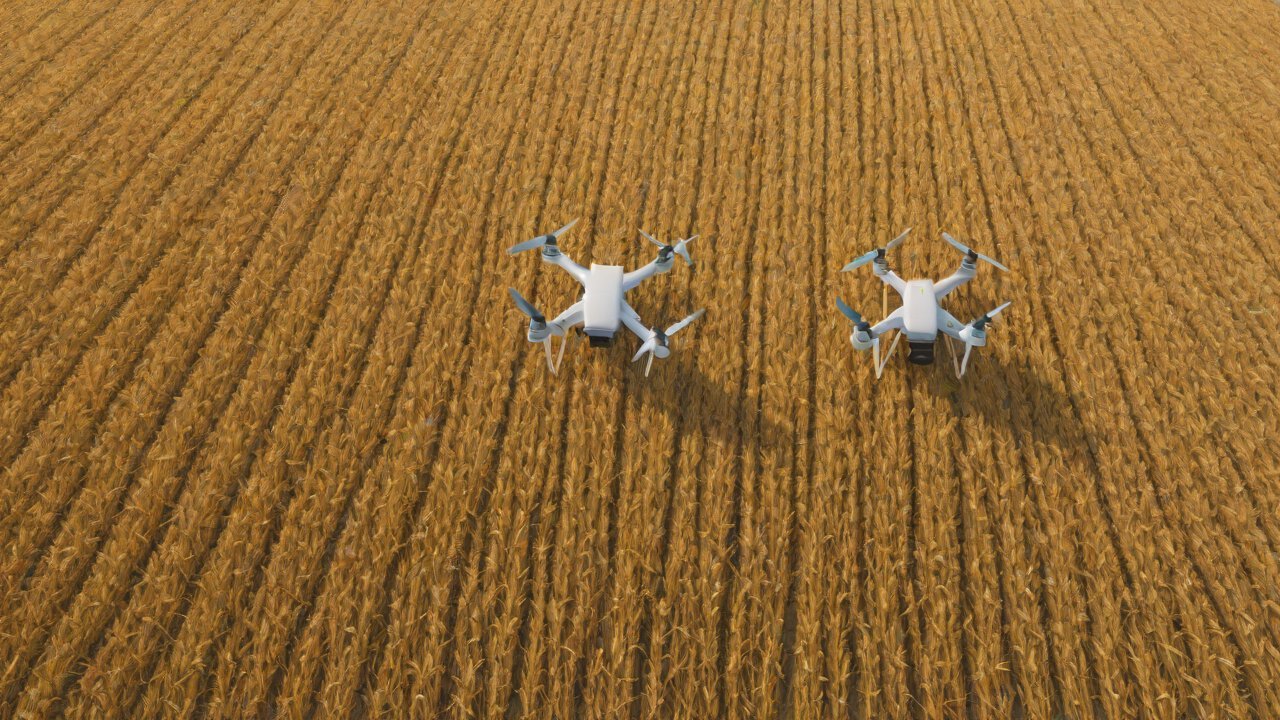
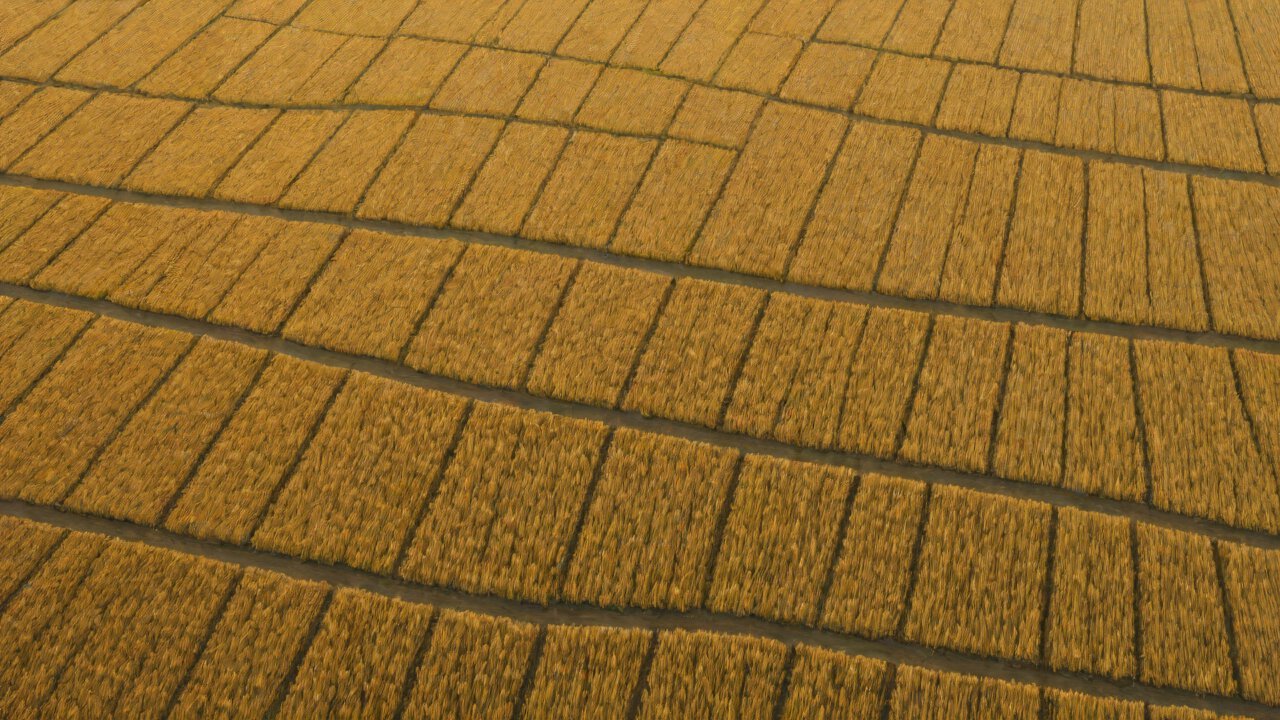
Aerial imagery, captured by drones or satellites, provides a bird’s-eye view of the wheat field, allowing analysts to identify patterns, anomalies, and trends that may not be visible from the ground. By applying machine learning algorithms to these images, analysts can extract valuable insights about crop health, growth stage, and yield potential.
AIGC Market Size and Growth Rate
According to a report by MarketsandMarkets, the AIGC market is expected to grow from $1.3 billion in 2020 to $5.5 billion by 2025, at a Compound Annual Growth Rate (CAGR) of 24.6% during the forecast period. The market is driven by the increasing adoption of precision agriculture, the need for data-driven decision-making, and the growing demand for sustainable agriculture practices.
| Market Size (2020) | Market Size (2025) | CAGR (2020-2025) |
|---|---|---|
| $1.3 billion | $5.5 billion | 24.6% |
2. Semantic Segmentation Technology
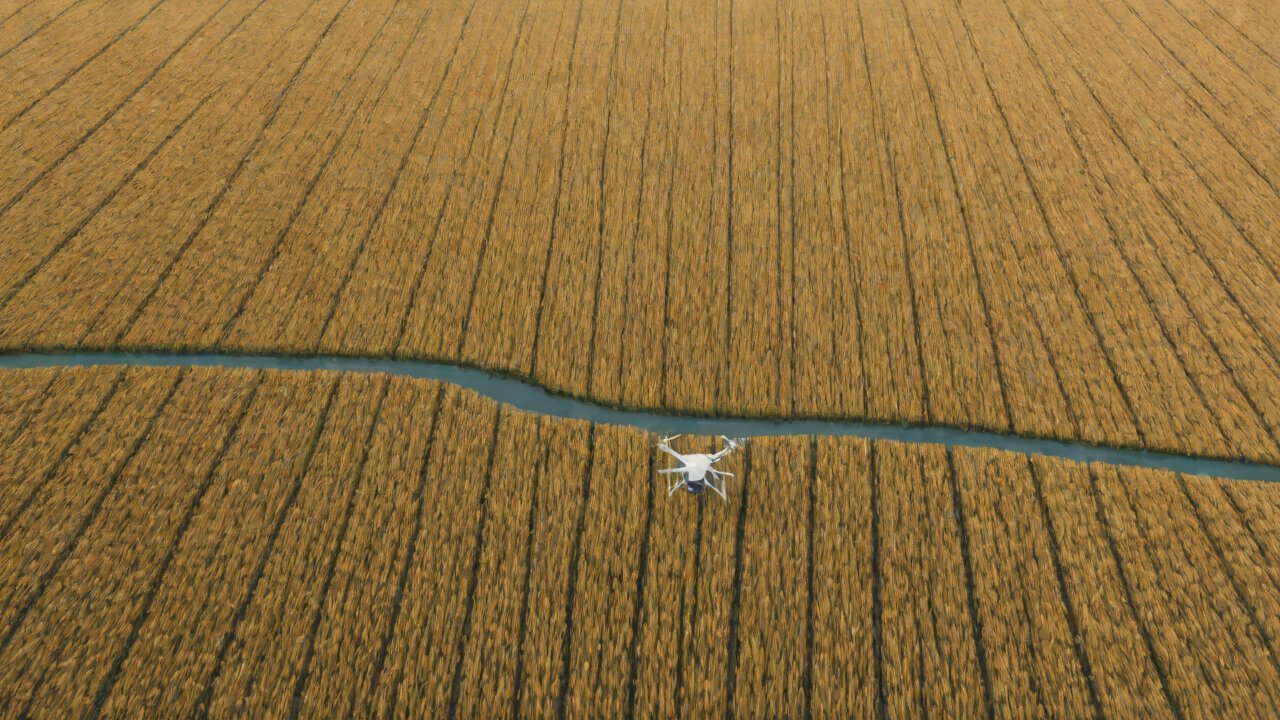
Semantic segmentation technology is a key component of AIGC-based solutions, enabling analysts to identify and classify objects within aerial imagery. This technology uses machine learning algorithms to segment the image into distinct regions or objects, such as irrigation ditches, field ridges, and crop areas.
By applying semantic segmentation to aerial imagery, analysts can:
- Identify irrigation ditches and field ridges, which are critical for crop growth and yield estimation.
- Detect crop stress, disease, and pests, enabling early intervention and reduced crop loss.
- Monitor crop growth stage, allowing for optimized irrigation and fertilizer application.
AIGC Technical Perspectives
Semantic segmentation technology relies on deep learning algorithms, such as Convolutional Neural Networks (CNNs) and U-Net, which are trained on large datasets of labeled aerial imagery. These algorithms learn to identify patterns and features that are indicative of specific objects or regions within the image.
| Algorithm | Description |
|---|---|
| CNN | Convolutional Neural Networks are used for image classification and object detection. |
| U-Net | U-Net is a type of CNN that is specifically designed for image segmentation tasks. |
3. AIGC Applications in Precision Agriculture
AIGC-based solutions have far-reaching applications in precision agriculture, including:
- Crop monitoring: AIGC can monitor crop health, growth stage, and yield potential, enabling farmers to optimize crop management and reduce waste.
- Irrigation management: AIGC can identify irrigation ditches and field ridges, allowing farmers to optimize water application and reduce water waste.
- Fertilizer application: AIGC can detect crop stress and nutrient deficiencies, enabling farmers to apply fertilizers more efficiently and reduce environmental impact.
Market Trends and Outlook
The AIGC market is expected to experience significant growth in the coming years, driven by the increasing adoption of precision agriculture and the need for sustainable agriculture practices. Key trends and drivers include:
- Increased adoption of drones: Drones are becoming increasingly popular in precision agriculture, enabling farmers to capture high-resolution aerial imagery and analyze crop health.
- Growing demand for data analytics: Farmers are recognizing the value of data analytics in optimizing crop management and reducing waste.
- Government initiatives: Governments are launching initiatives to promote precision agriculture and sustainable agriculture practices.
| Market Trend | Description |
|---|---|
| Increased adoption of drones | Drones are becoming increasingly popular in precision agriculture. |
| Growing demand for data analytics | Farmers are recognizing the value of data analytics in optimizing crop management. |
| Government initiatives | Governments are launching initiatives to promote precision agriculture and sustainable agriculture practices. |
4. Challenges and Limitations
While AIGC-based solutions offer significant benefits, there are several challenges and limitations to consider:
- Data quality and availability: AIGC requires high-quality, high-resolution aerial imagery, which can be expensive and difficult to obtain.
- Algorithm complexity: AIGC algorithms can be complex and difficult to interpret, requiring significant expertise and resources.
- Scalability: AIGC solutions can be difficult to scale up to larger fields or multiple locations.
Mitigation Strategies
To mitigate these challenges and limitations, analysts can:
- Invest in high-quality aerial imagery: Use drones or satellites to capture high-resolution aerial imagery.
- Develop user-friendly interfaces: Create user-friendly interfaces that simplify the interpretation of AIGC results.
- Develop scalable solutions: Develop scalable solutions that can be easily replicated across larger fields or multiple locations.
| Mitigation Strategy | Description |
|---|---|
| Invest in high-quality aerial imagery | Use drones or satellites to capture high-resolution aerial imagery. |
| Develop user-friendly interfaces | Create user-friendly interfaces that simplify the interpretation of AIGC results. |
| Develop scalable solutions | Develop scalable solutions that can be easily replicated across larger fields or multiple locations. |
5. Conclusion
AIGC-based solutions have the potential to revolutionize the way we analyze and understand agricultural landscapes. By leveraging semantic segmentation technology, analysts can estimate wheat yield per square meter from aerial imagery with unprecedented accuracy. While there are challenges and limitations to consider, mitigation strategies can be developed to overcome these obstacles.
The AIGC market is expected to experience significant growth in the coming years, driven by the increasing adoption of precision agriculture and the need for sustainable agriculture practices. As the market continues to evolve, it is essential to stay up-to-date with the latest trends, drivers, and technologies.
Future Research Directions
Future research directions should focus on:
- Developing more accurate and robust AIGC algorithms: Improve the accuracy and robustness of AIGC algorithms to better estimate wheat yield and identify irrigation ditches and field ridges.
- Investigating the use of other types of aerial imagery: Explore the use of other types of aerial imagery, such as multispectral or hyperspectral imagery, to improve the accuracy of AIGC results.
- Developing more user-friendly interfaces: Create more user-friendly interfaces that simplify the interpretation of AIGC results and enable farmers to make more informed decisions.
| Future Research Direction | Description |
|---|---|
| Developing more accurate and robust AIGC algorithms | Improve the accuracy and robustness of AIGC algorithms to better estimate wheat yield. |
| Investigating the use of other types of aerial imagery | Explore the use of other types of aerial imagery to improve the accuracy of AIGC results. |
| Developing more user-friendly interfaces | Create more user-friendly interfaces that simplify the interpretation of AIGC results. |
IOT Cloud Platform
IOT Cloud Platform is an IoT portal established by a Chinese IoT company, focusing on technical solutions in the fields of agricultural IoT, industrial IoT, medical IoT, security IoT, military IoT, meteorological IoT, consumer IoT, automotive IoT, commercial IoT, infrastructure IoT, smart warehousing and logistics, smart home, smart city, smart healthcare, smart lighting, etc.
The IoT Cloud Platform blog is a top IoT technology stack, providing technical knowledge on IoT, robotics, artificial intelligence (generative artificial intelligence AIGC), edge computing, AR/VR, cloud computing, quantum computing, blockchain, smart surveillance cameras, drones, RFID tags, gateways, GPS, 3D printing, 4D printing, autonomous driving, etc.