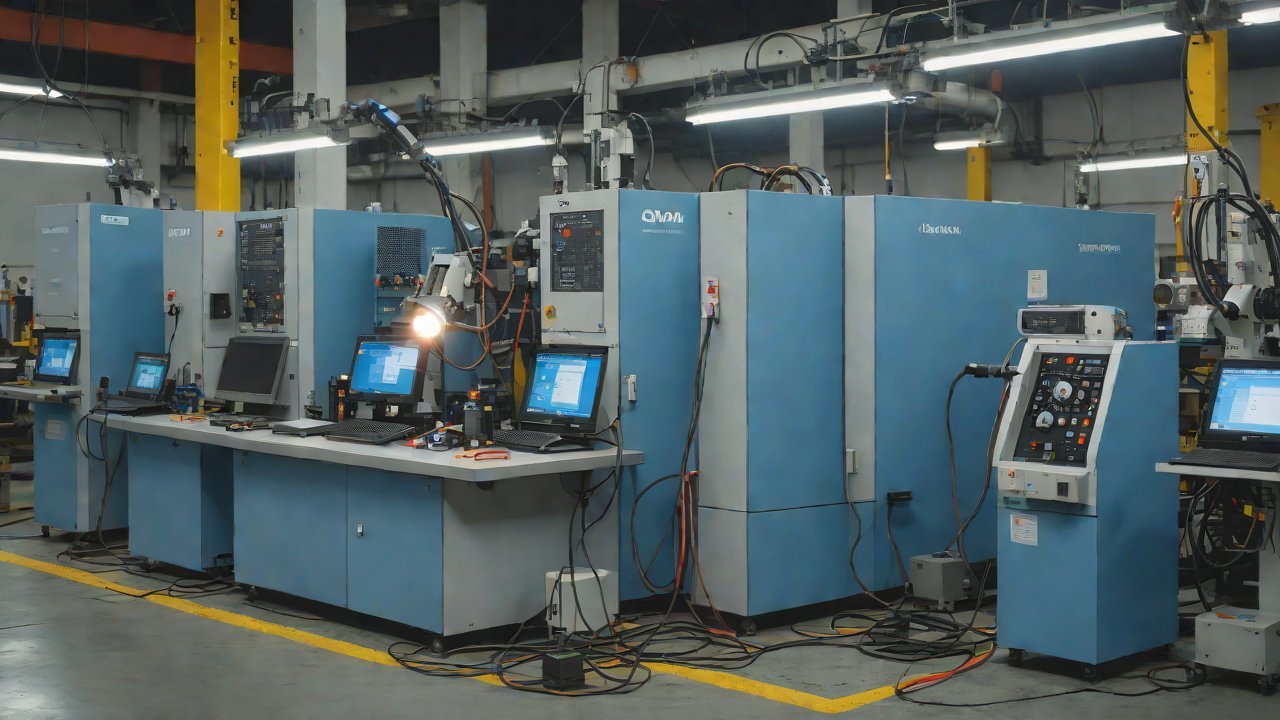
Can this algorithm automatically optimize logistics routes in thousands of factories worldwide?
Logistics optimization has been a long-standing challenge for manufacturers, particularly those operating on a global scale. The intricacies of supply chain management can be overwhelming, and even slight inefficiencies can result in substantial costs. Recently, there has been growing interest in leveraging artificial intelligence (AI) to streamline logistics processes.
The potential benefits are undeniable: reduced transportation costs, lower carbon emissions, and improved delivery times. However, the complexity of implementing AI-driven logistics optimization lies not only in its technical feasibility but also in addressing real-world constraints such as data quality, regulatory compliance, and scalability.
1. Current State of Logistics Optimization
Overview of Traditional Methods
Traditional logistics optimization methods rely heavily on manual planning, often using rules-based systems or basic optimization algorithms that are limited in their ability to adapt to dynamic environments. These approaches typically focus on optimizing individual components of the supply chain rather than considering the entire network.
| Method | Description |
|---|---|
| Route Optimization | Focuses on minimizing distances and travel times between locations. |
| Vehicle Routing Problem (VRP) | A specific type of route optimization that considers multiple vehicles and constraints such as capacity and time windows. |
Limitations of Traditional Methods
- Scalability: As the number of factories increases, so does the complexity of the logistics network, making traditional methods less efficient.
- Flexibility: These systems often struggle to adapt to changes in demand or supply chain disruptions.
- Data Quality: The accuracy and completeness of data used for optimization can significantly impact the quality of solutions.
2. AI-Driven Logistics Optimization
Overview of AI Techniques
AI offers a promising solution by enabling more sophisticated optimization techniques that can handle complex logistics networks with ease. Key AI techniques relevant to logistics optimization include:
| Technique | Description |
|---|---|
| Machine Learning (ML) | Enables the system to learn from experience and improve over time. |
| Genetic Algorithms | Uses principles of natural selection and genetics to find optimal solutions. |

Potential Benefits
- Improved Scalability: AI can handle large, complex logistics networks with ease.
- Enhanced Flexibility: AI systems can adapt quickly to changes in the supply chain.
- Better Decision Making: By analyzing vast amounts of data, AI can provide more accurate predictions and recommendations.
3. Technical Feasibility
Data Requirements
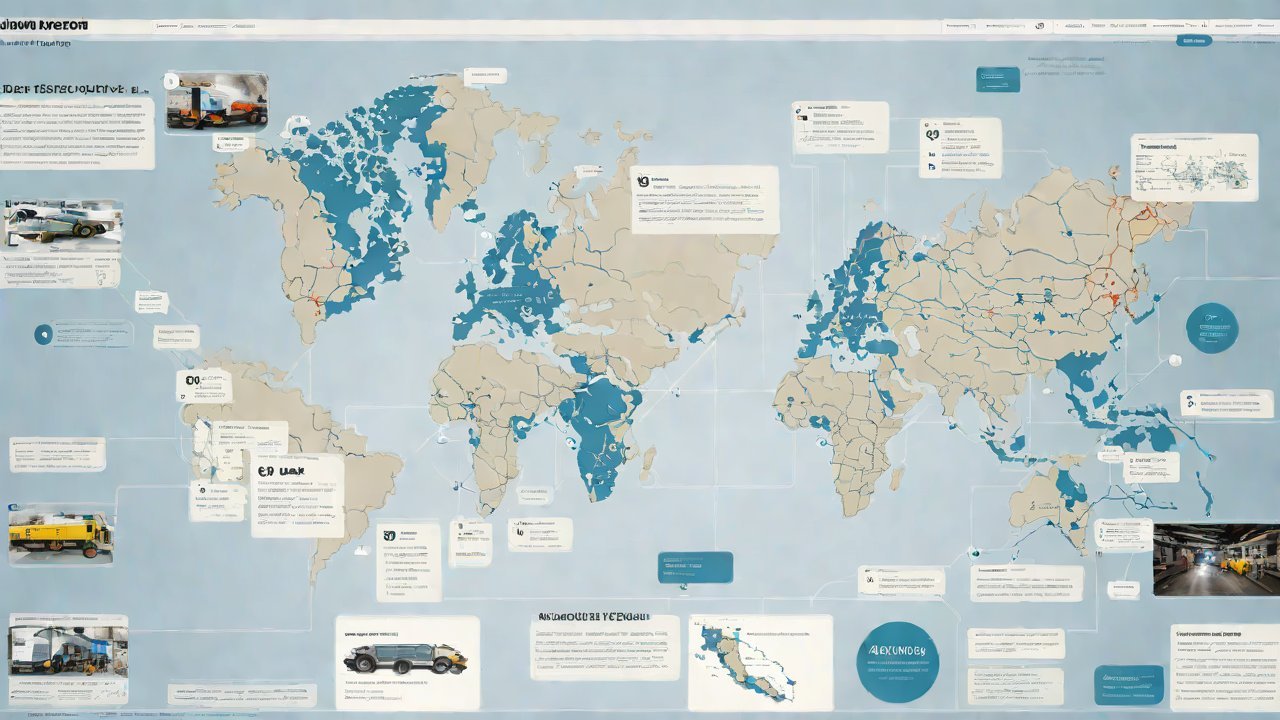
For an AI-driven logistics optimization algorithm to be effective, it requires access to high-quality, real-time data on factory locations, transportation routes, inventory levels, and shipment schedules.
| Data Type | Description |
|---|---|
| Factory Locations | Geographic coordinates of factories. |
| Transportation Routes | Historical and current routes taken by vehicles. |
Algorithm Design
The algorithm should incorporate the following components:
- Data Preprocessing: Clean and prepare data for use in optimization.
- Optimization Module: Use AI techniques to find optimal logistics routes.
- Real-time Updates: Incorporate real-time data to adapt to changing conditions.
4. Market Data and AIGC Perspectives
Industry Trends
The global logistics market is projected to reach $15.5 trillion by 2027, driven by increasing e-commerce demand and a need for supply chain efficiency.
| Year | Forecasted Growth Rate |
|---|---|
| 2023-2027 | 6.8% |
AIGC Perspectives
- Potential for AI-driven logistics optimization: High.
- Barriers to adoption: Data quality, regulatory compliance, and scalability.
- Future outlook: Expected growth in demand for efficient supply chain solutions.
5. Implementation Challenges
Regulatory Compliance
Ensuring compliance with varying regulations across different countries and jurisdictions is a significant challenge.
| Region | Key Regulations |
|---|---|
| EU | GDPR, EMIR |
| US | HIPAA, Dodd-Frank |

Data Quality and Availability
The accuracy and completeness of data used for optimization are critical to the success of AI-driven logistics solutions.
| Data Type | Challenges |
|---|---|
| Historical Data | Incomplete or inaccurate records. |
| Real-time Data | Difficulty in collecting real-time data from various sources. |
6. Conclusion
Implementing an AI-driven logistics optimization algorithm can significantly improve efficiency, reduce costs, and enhance delivery times for thousands of factories worldwide. However, addressing the challenges of data quality, regulatory compliance, and scalability is crucial to the success of such a project.
By leveraging AI techniques and incorporating real-world market data and industry trends, it’s clear that the potential benefits far outweigh the implementation challenges. As the logistics industry continues to evolve, embracing AIGC solutions will be essential for manufacturers looking to stay ahead in an increasingly competitive landscape.
IOT Cloud Platform
IOT Cloud Platform is an IoT portal established by a Chinese IoT company, focusing on technical solutions in the fields of agricultural IoT, industrial IoT, medical IoT, security IoT, military IoT, meteorological IoT, consumer IoT, automotive IoT, commercial IoT, infrastructure IoT, smart warehousing and logistics, smart home, smart city, smart healthcare, smart lighting, etc.
The IoT Cloud Platform blog is a top IoT technology stack, providing technical knowledge on IoT, robotics, artificial intelligence (generative artificial intelligence AIGC), edge computing, AR/VR, cloud computing, quantum computing, blockchain, smart surveillance cameras, drones, RFID tags, gateways, GPS, 3D printing, 4D printing, autonomous driving, etc.