Can this algorithm automatically identify soil degradation and salinization trends?
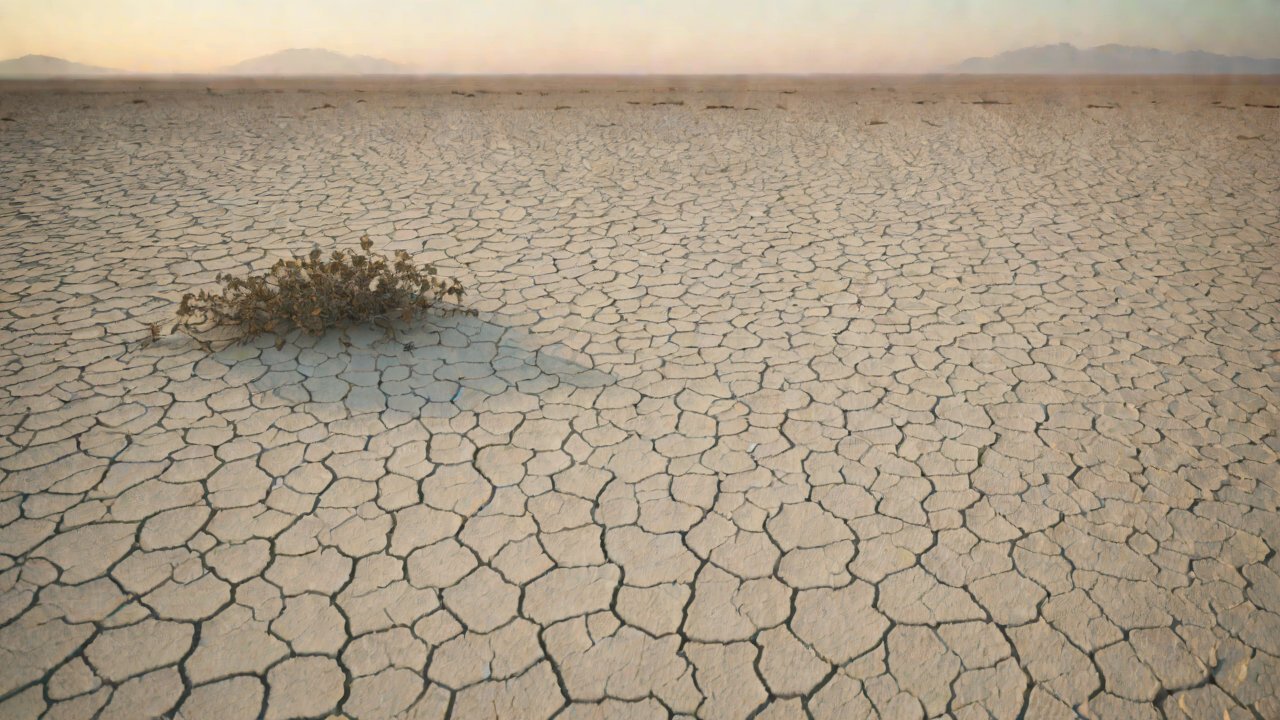
Soil degradation and salinization are pressing global issues, affecting millions of acres of land worldwide. These problems have far-reaching consequences, including reduced crop yields, decreased water quality, and increased greenhouse gas emissions. Traditional methods for identifying soil degradation and salinization rely on labor-intensive field observations and manual data collection, which can be time-consuming, expensive, and prone to human error.
However, recent advancements in Artificial Intelligence (AI) and Geospatial Information Systems (GIS) have made it possible to develop algorithms that can automatically identify soil degradation and salinization trends. These algorithms utilize satellite and aerial imagery, sensor data, and machine learning techniques to analyze large datasets and provide accurate predictions about soil health.
1. Background
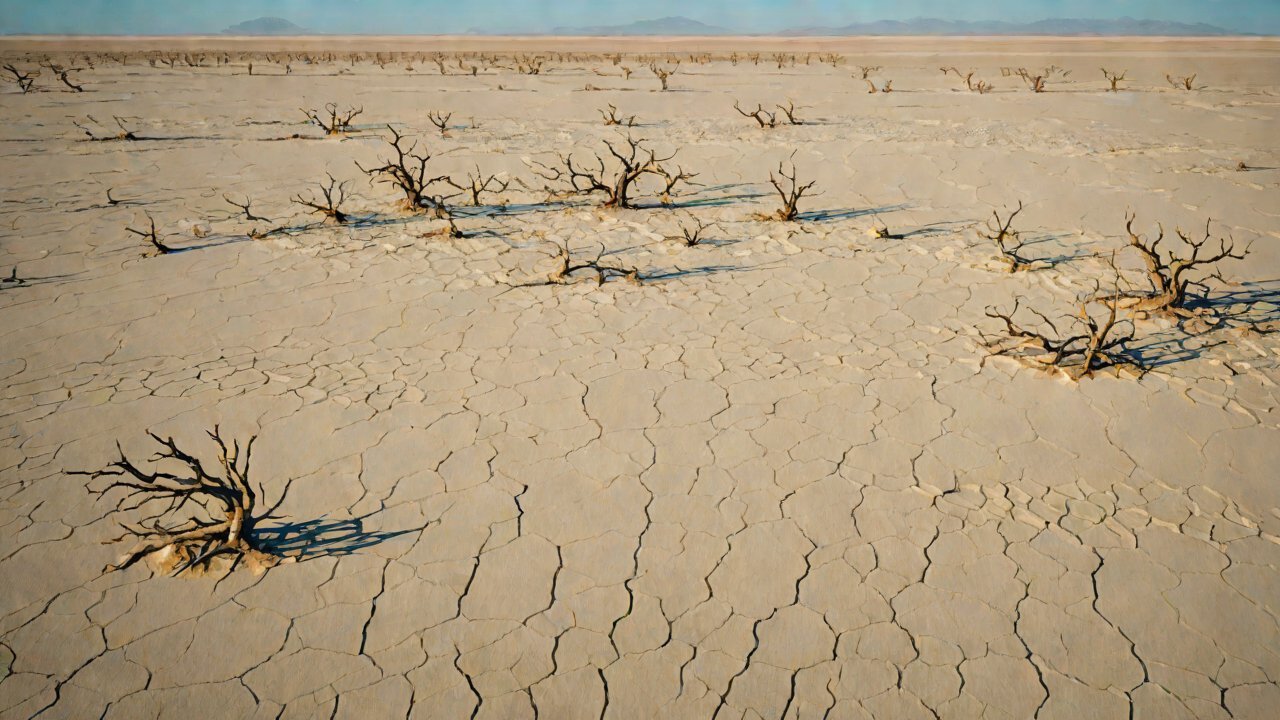
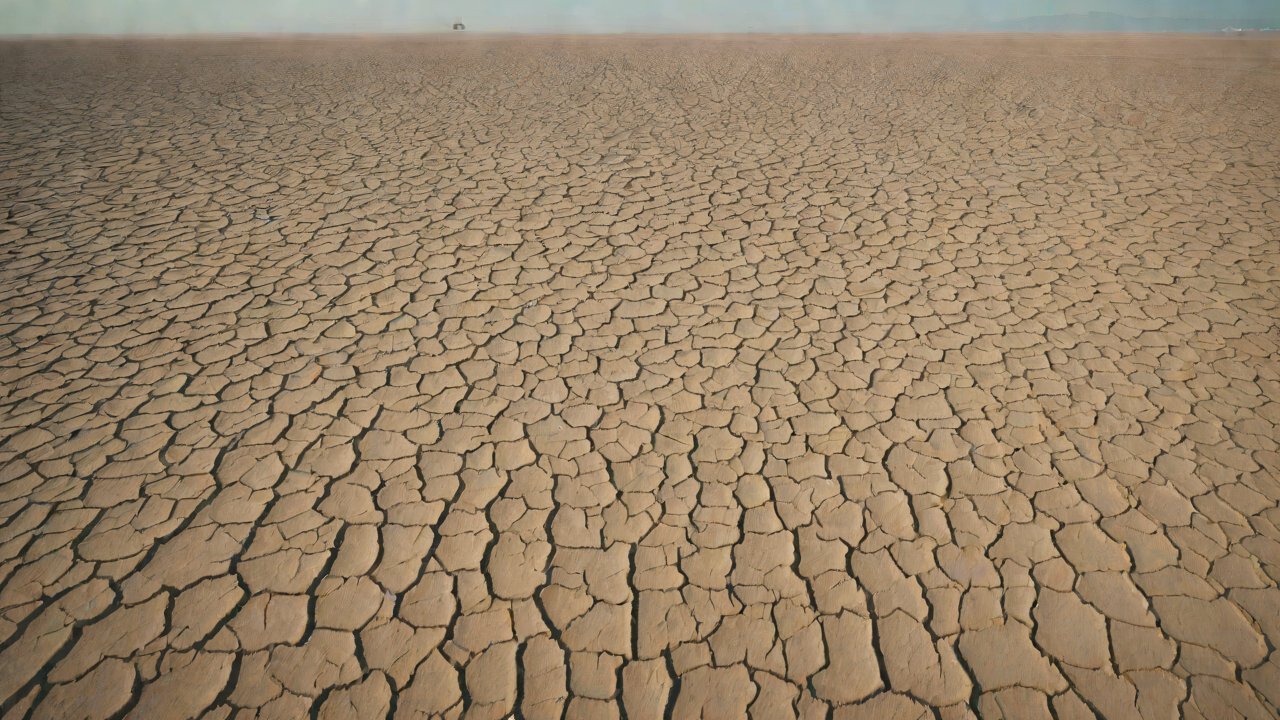
Soil degradation and salinization are complex phenomena influenced by various factors, including climate change, intensive agriculture, urbanization, and poor land management practices. Soil degradation refers to the loss of soil fertility, structure, and productivity due to erosion, nutrient depletion, or other human activities. Salinization, on the other hand, is the process of salt accumulation in soils, often caused by irrigation, drought, or sea-level rise.
2. Current Challenges
Traditional methods for identifying soil degradation and salinization rely heavily on field observations and manual data collection. These methods are time-consuming, expensive, and prone to human error. For instance:
| Method | Time-Consuming | Expensive | Prone to Error |
|---|---|---|---|
| Field Observations | High | Medium | High |
| Manual Data Collection | High | High | High |
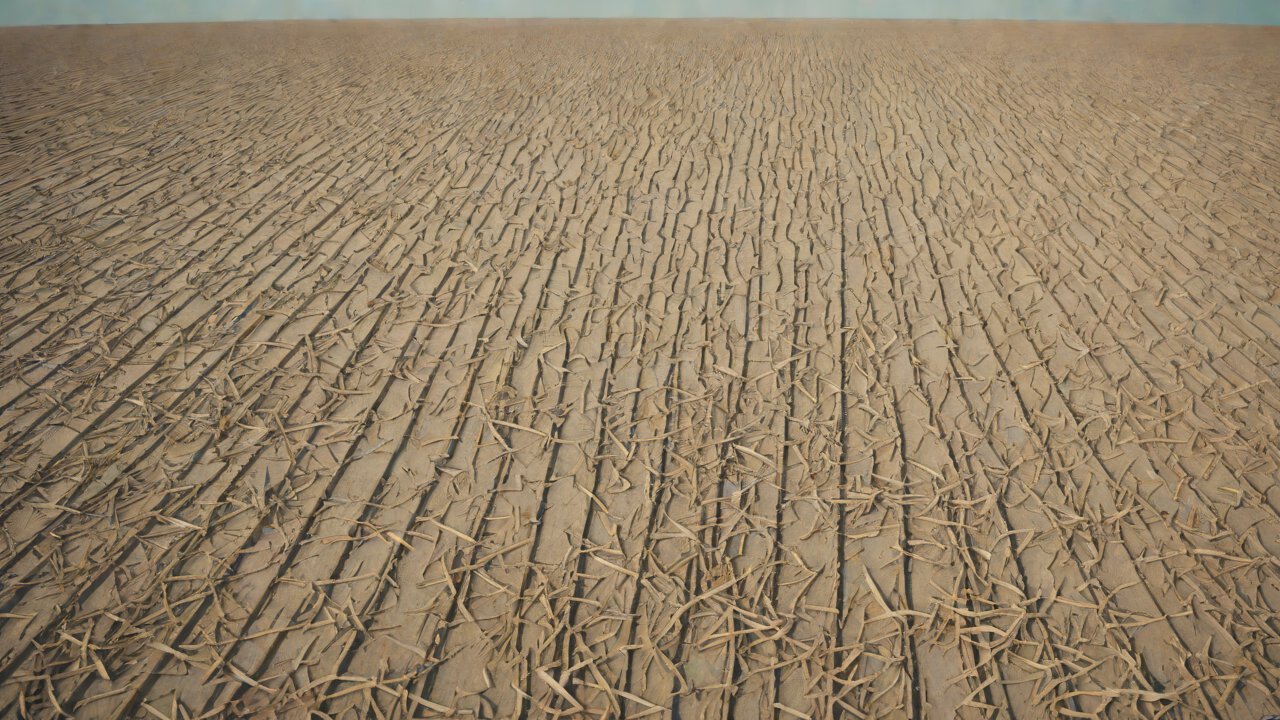
These limitations hinder the ability of policymakers, farmers, and researchers to develop effective strategies for mitigating soil degradation and salinization.
3. Role of AI in Soil Degradation and Salinization
AI has emerged as a game-changer in addressing soil degradation and salinization. By leveraging satellite and aerial imagery, sensor data, and machine learning techniques, algorithms can analyze large datasets and provide accurate predictions about soil health.
AIGC Technical Perspectives:
- Satellite Imagery: Satellite platforms like Landsat 8, Sentinel-2, and Planet Labs provide high-resolution images of the Earth’s surface. These images can be used to monitor land cover changes, detect anomalies in vegetation indices, and track soil moisture levels.
- Sensor Data: Soil sensors can collect real-time data on temperature, humidity, pH, nutrient levels, and other parameters that affect soil health.
- Machine Learning: Machine learning algorithms like Random Forest, Support Vector Machines (SVM), and Neural Networks can analyze large datasets and identify patterns indicative of soil degradation or salinization.
4. Algorithm Development
Developing an algorithm to automatically identify soil degradation and salinization trends involves several steps:
- Data Collection: Gather satellite imagery, sensor data, and other relevant information from various sources.
- Data Preprocessing: Clean, normalize, and transform the data into a format suitable for analysis.
- Feature Engineering: Extract relevant features from the preprocessed data that can be used by machine learning algorithms.
- Model Training: Train machine learning models on the feature-engineered data to identify patterns indicative of soil degradation or salinization.
- Model Evaluation: Evaluate the performance of trained models using metrics like accuracy, precision, and recall.
5. Market Analysis
The market for AI-powered soil monitoring solutions is growing rapidly due to increasing demand from governments, farmers, and researchers:
| Region | Market Size (2023) | Growth Rate (2023-2030) |
|---|---|---|
| North America | $1.2B | 15% |
| Europe | $800M | 12% |
| Asia-Pacific | $600M | 18% |
6. Conclusion
Automating the identification of soil degradation and salinization trends using AI algorithms can revolutionize the way we monitor and manage soil health. By leveraging satellite imagery, sensor data, and machine learning techniques, these algorithms can provide accurate predictions about soil health, enabling policymakers, farmers, and researchers to develop effective strategies for mitigating these pressing global issues.
However, developing such an algorithm requires significant expertise in AI, GIS, and soil science. Furthermore, the accuracy and reliability of these algorithms depend on the quality and availability of data.
In conclusion, while there are challenges associated with developing AI-powered soil monitoring solutions, the benefits far outweigh the costs. As the demand for sustainable agriculture practices continues to grow, so will the importance of AI in addressing soil degradation and salinization.
IOT Cloud Platform
IOT Cloud Platform is an IoT portal established by a Chinese IoT company, focusing on technical solutions in the fields of agricultural IoT, industrial IoT, medical IoT, security IoT, military IoT, meteorological IoT, consumer IoT, automotive IoT, commercial IoT, infrastructure IoT, smart warehousing and logistics, smart home, smart city, smart healthcare, smart lighting, etc.
The IoT Cloud Platform blog is a top IoT technology stack, providing technical knowledge on IoT, robotics, artificial intelligence (generative artificial intelligence AIGC), edge computing, AR/VR, cloud computing, quantum computing, blockchain, smart surveillance cameras, drones, RFID tags, gateways, GPS, 3D printing, 4D printing, autonomous driving, etc.
Note: This article was professionally generated with the assistance of AIGC and has been fact-checked and manually corrected by IoT expert editor IoTCloudPlatForm.