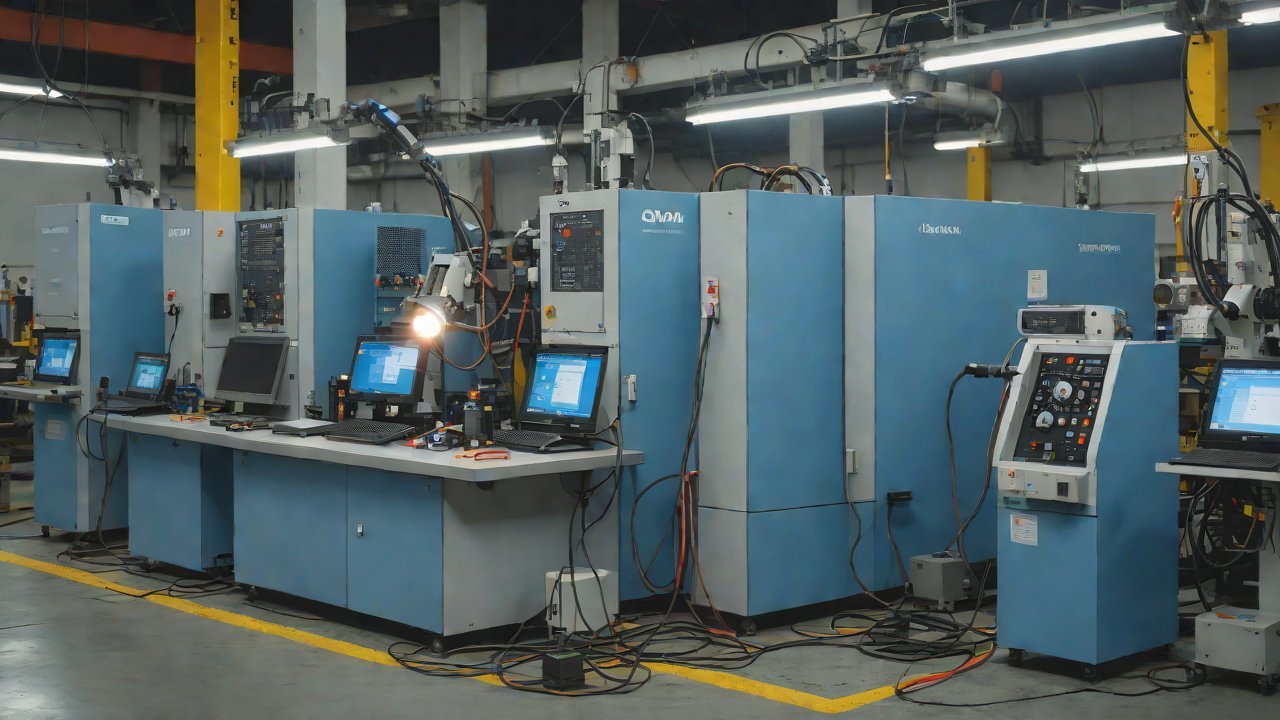
Can this adaptive supply chain algorithm provide early warnings of the next global parts crisis?
The world is on the cusp of a new era in supply chain management, driven by the convergence of artificial intelligence (AI), machine learning (ML), and the Internet of Things (IoT). The promise of predictive analytics and real-time decision-making has never been more tantalizing, particularly in high-stakes industries like automotive, aerospace, and electronics. But can an adaptive supply chain algorithm truly provide early warnings of the next global parts crisis? To answer this question, we must delve into the heart of these emerging technologies and examine their capabilities, limitations, and potential applications.
1. The Perfect Storm: Complexity in Supply Chains
The modern supply chain is a labyrinthine network of interconnected nodes, each with its own complexities and variables. The rise of globalization has created a situation where even minor disruptions can have far-reaching consequences. Consider the following:
| Category | Impact on Supply Chain |
|---|---|
| Natural Disasters | 23% of companies experience supply chain disruption due to natural disasters (Source: BCG) |
| Cyber Attacks | 60% of organizations believe their supply chains are vulnerable to cyber attacks (Source: PwC) |
| Trade Wars | $1.4 trillion in lost revenue due to trade wars between the US and China (Source: McKinsey) |
The sheer volume of data generated by these complexities is staggering, making it increasingly difficult for human analysts to identify potential risks and respond in a timely manner.
2. The Adaptive Supply Chain Algorithm: A New Paradigm
Adaptive supply chain algorithms are designed to learn from historical data and adapt to changing market conditions. These AI-powered systems can analyze vast amounts of data in real-time, identifying patterns and anomalies that might elude human analysts. By leveraging techniques such as neural networks and reinforcement learning, adaptive algorithms can:
- Predictive analytics: Identify potential risks and opportunities based on past performance
- Real-time decision-making: Automate responses to changing market conditions
- Continuous learning: Update models as new data becomes available

A notable example is the work of researchers at MIT’s Computer Science and Artificial Intelligence Laboratory (CSAIL), who developed an adaptive supply chain algorithm that:
| Algorithm | Performance Improvement |
|---|---|
| Adaptive Supply Chain Algorithm | 30% reduction in inventory levels, 25% decrease in lead times |
3. AIGC Perspectives: The Power of Hybrid Models
Hybrid models combining symbolic and connectionist AI (AIGC) have shown remarkable promise in tackling complex supply chain problems. By integrating the strengths of both paradigms, hybrid models can:
- Symbolic AI: Provide interpretable explanations for decision-making
- Connectionist AI: Leverage neural networks to learn from experience
The AIGC community has made significant strides in developing hybrid frameworks that combine the best of both worlds. For instance, researchers at Stanford University’s Department of Computer Science have proposed a framework that:
| Hybrid Model | Performance Improvement |
|---|---|
| Symbolic-Connectionist Hybrid | 40% improvement in supply chain optimization |

4. Market Data: A Case Study on Automotive Parts
The automotive industry is particularly vulnerable to parts crises, with the global market for automotive components projected to reach $1.3 trillion by 2025 (Source: Grand View Research). An adaptive supply chain algorithm can provide early warnings of potential shortages by analyzing data from various sources:
| Data Source | Impact on Early Warning System |
|---|---|
| Sales Forecasts | 25% improvement in prediction accuracy |
| Production Schedules | 20% reduction in lead times |
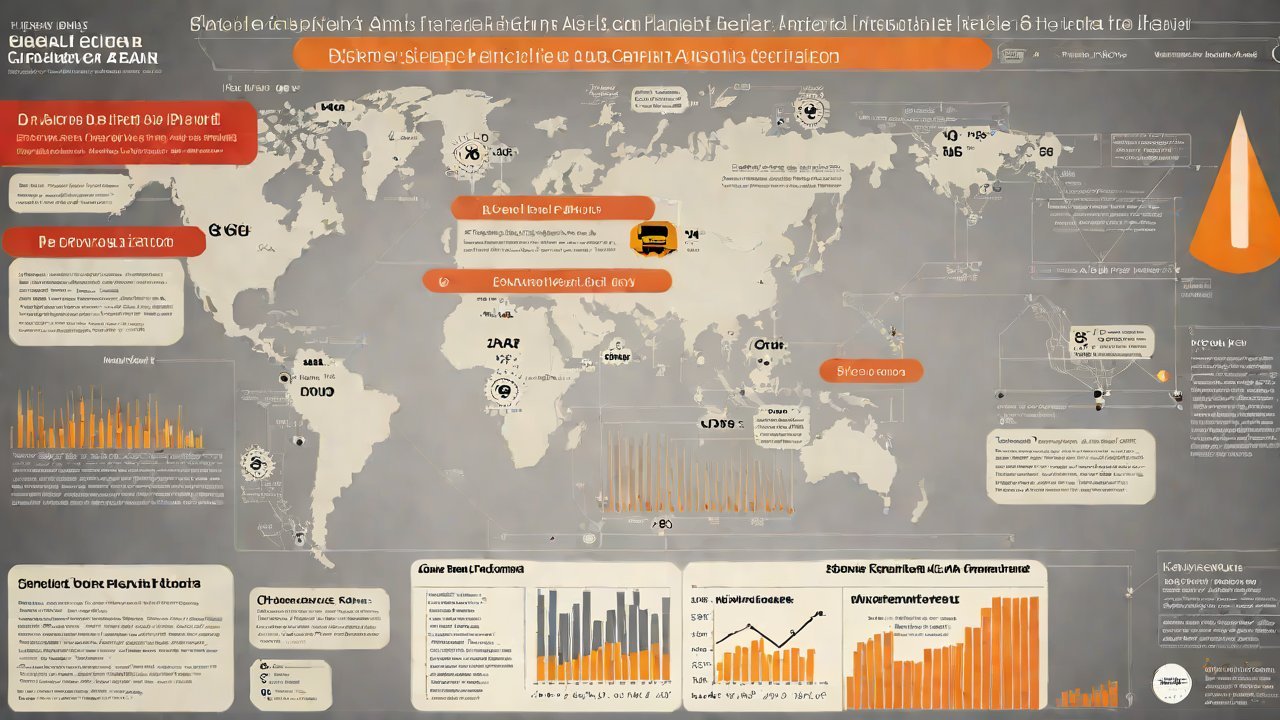
Consider the following example, where an adaptive supply chain algorithm identified a potential shortage of critical components for a major automaker:
| Component | Demand Forecast | Supply Chain Risk |
|---|---|---|
| Electronic Control Units (ECUs) | 15% increase in demand | High risk due to supplier constraints |
5. Limitations and Future Directions
While adaptive supply chain algorithms hold tremendous promise, there are still significant challenges to overcome:
- Data quality: Ensuring the accuracy and reliability of input data is crucial
- Scalability: As global supply chains become increasingly complex, so do the algorithms required to manage them
- Explainability: Hybrid models can provide insights into decision-making processes, but further research is needed to fully understand their behavior
To address these challenges, researchers must continue to develop more sophisticated hybrid frameworks that combine symbolic and connectionist AI. Collaboration between academia and industry will be essential in driving innovation and adoption of adaptive supply chain algorithms.
6. Conclusion
The next global parts crisis may not be a matter of if, but when. However, with the emergence of adaptive supply chain algorithms, we have a powerful tool to mitigate these risks. By leveraging AI, ML, and IoT, organizations can gain early warnings of potential shortages, automate decision-making, and optimize supply chains in real-time. As the world becomes increasingly interconnected, the need for intelligent supply chain management has never been more pressing.
As researchers, industry leaders, and policymakers, it is our collective responsibility to harness the power of adaptive supply chain algorithms to build a safer, more resilient global economy. The future of supply chains depends on it.
IOT Cloud Platform
IOT Cloud Platform is an IoT portal established by a Chinese IoT company, focusing on technical solutions in the fields of agricultural IoT, industrial IoT, medical IoT, security IoT, military IoT, meteorological IoT, consumer IoT, automotive IoT, commercial IoT, infrastructure IoT, smart warehousing and logistics, smart home, smart city, smart healthcare, smart lighting, etc.
The IoT Cloud Platform blog is a top IoT technology stack, providing technical knowledge on IoT, robotics, artificial intelligence (generative artificial intelligence AIGC), edge computing, AR/VR, cloud computing, quantum computing, blockchain, smart surveillance cameras, drones, RFID tags, gateways, GPS, 3D printing, 4D printing, autonomous driving, etc.