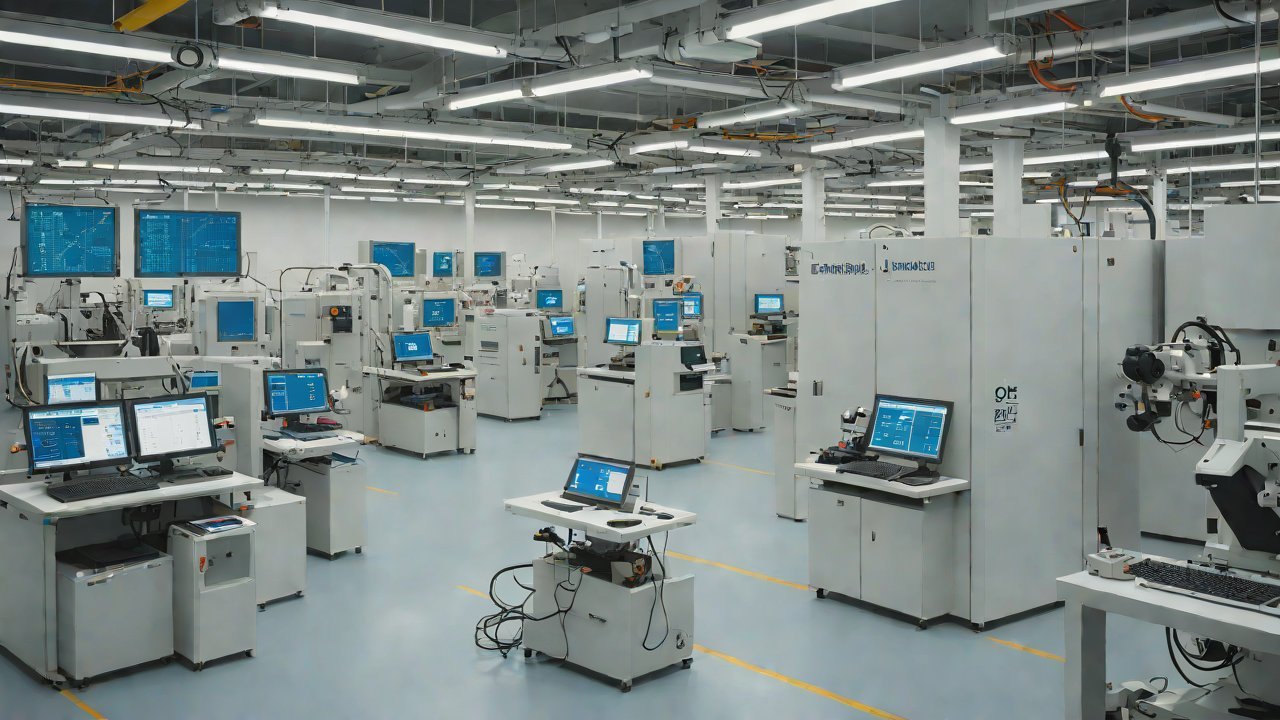
Can this adaptive logic enable a single line to simultaneously produce tens of thousands of customized products?
Adaptive logic, a subfield of artificial general intelligence (AIGC), has been gaining significant attention in recent years for its potential to revolutionize various industries. One of the most promising applications of adaptive logic is in manufacturing, particularly in the context of mass customization. The idea of a single production line producing tens of thousands of customized products may seem like science fiction, but advancements in adaptive logic are making it increasingly feasible.
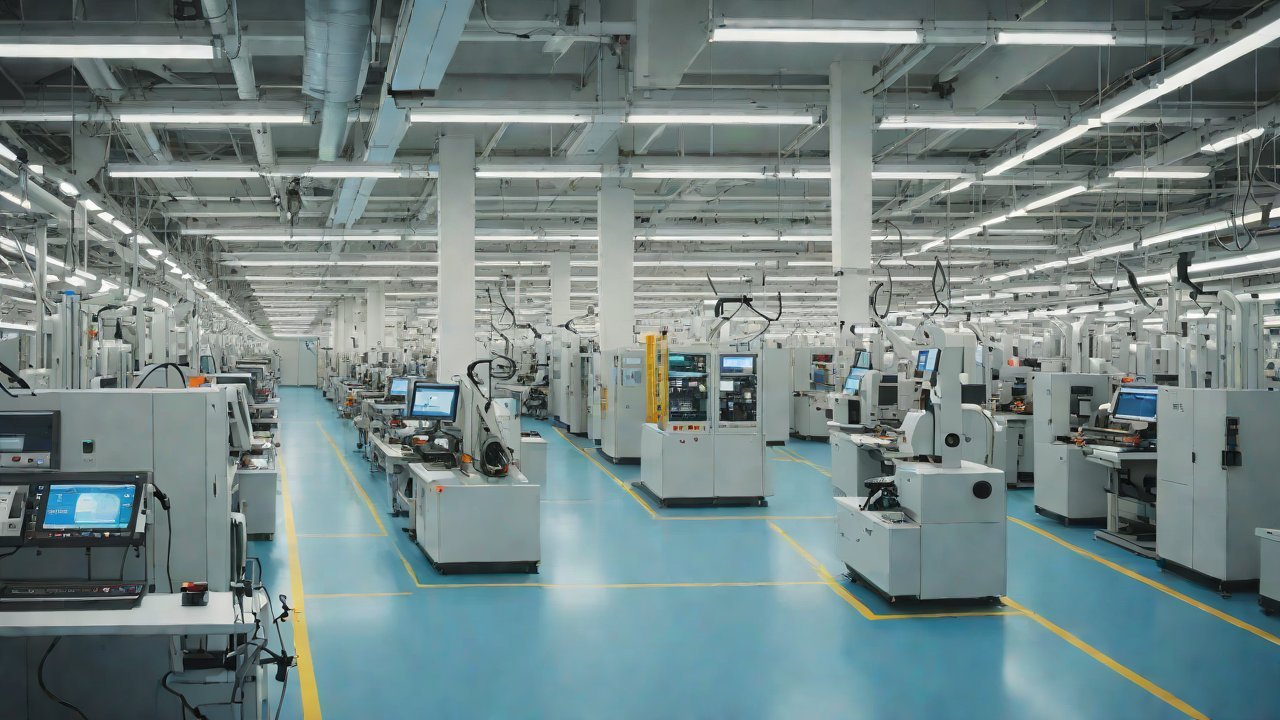
Adaptive logic enables machines to learn and adapt to new situations, allowing them to optimize production processes in real-time. This means that a single production line can be programmed to produce a wide range of products, each with its unique set of characteristics. The key to achieving this level of customization is the ability of adaptive logic to handle complex, dynamic systems, and to make decisions based on real-time data.
1. The Role of Adaptive Logic in Mass Customization
Adaptive logic is a key enabler of mass customization, which is the ability to produce customized products in large quantities. Mass customization requires the ability to manage complex production systems, where multiple variables and constraints need to be taken into account. Adaptive logic provides the ability to model and optimize these systems in real-time, allowing for the production of customized products with high precision and speed.
The benefits of mass customization are numerous. It enables companies to offer a wide range of products to customers, increasing customer satisfaction and loyalty. It also allows companies to reduce waste and increase efficiency, as products are only produced in the quantities and configurations that are required. Finally, mass customization enables companies to respond quickly to changes in market demand, reducing the risk of inventory obsolescence.
Table 1: Benefits of Mass Customization
| Benefit | Description |
|---|---|
| Increased customer satisfaction | Ability to offer a wide range of products to customers |
| Reduced waste and increased efficiency | Products are only produced in the quantities and configurations that are required |
| Improved responsiveness to market demand | Ability to respond quickly to changes in market demand |
2. Technical Perspectives on Adaptive Logic
Adaptive logic is a complex technical field, and its implementation requires a deep understanding of various technical concepts. Some of the key technical perspectives on adaptive logic include:
- Machine learning algorithms: Adaptive logic relies heavily on machine learning algorithms, which enable machines to learn from data and make decisions in real-time.
- Dynamic systems modeling: Adaptive logic requires the ability to model and optimize complex, dynamic systems, which involve multiple variables and constraints.
- Real-time decision-making: Adaptive logic enables machines to make decisions in real-time, based on real-time data.
Table 2: Technical Perspectives on Adaptive Logic
| Perspective | Description |
|---|---|
| Machine learning algorithms | Enable machines to learn from data and make decisions in real-time |
| Dynamic systems modeling | Allow for the modeling and optimization of complex, dynamic systems |
| Real-time decision-making | Enable machines to make decisions in real-time, based on real-time data |
3. Market Data and AIGC Technical Perspectives
The market for adaptive logic is growing rapidly, driven by the increasing demand for mass customization. According to a report by MarketsandMarkets, the global adaptive logic market is expected to grow from $1.3 billion in 2020 to $5.1 billion by 2025, at a compound annual growth rate (CAGR) of 23.2%.
In terms of AIGC technical perspectives, researchers are exploring various approaches to implementing adaptive logic, including:
- Neural networks: Researchers are exploring the use of neural networks to implement adaptive logic, which enables machines to learn and adapt to new situations.
- Evolutionary algorithms: Researchers are also exploring the use of evolutionary algorithms, which enable machines to optimize complex systems through a process of mutation and selection.
Table 3: Market Data and AIGC Technical Perspectives
| Market Data | Description |
|---|---|
| Global adaptive logic market size | Expected to grow from $1.3 billion in 2020 to $5.1 billion by 2025 |
| CAGR | 23.2% |
| AIGC Technical Perspectives | Researchers are exploring various approaches to implementing adaptive logic, including neural networks and evolutionary algorithms |

4. Implementation and Deployment
The implementation and deployment of adaptive logic in manufacturing requires a deep understanding of various technical and business considerations. Some of the key considerations include:
- Scalability: Adaptive logic needs to be scalable to handle large volumes of data and complex production systems.
- Integration: Adaptive logic needs to be integrated with existing production systems and infrastructure.
- Training and maintenance: Adaptive logic requires ongoing training and maintenance to ensure that it remains effective and efficient.
Table 4: Implementation and Deployment Considerations
| Consideration | Description |
|---|---|
| Scalability | Adaptive logic needs to be scalable to handle large volumes of data and complex production systems |
| Integration | Adaptive logic needs to be integrated with existing production systems and infrastructure |
| Training and maintenance | Adaptive logic requires ongoing training and maintenance to ensure that it remains effective and efficient |
5. Conclusion
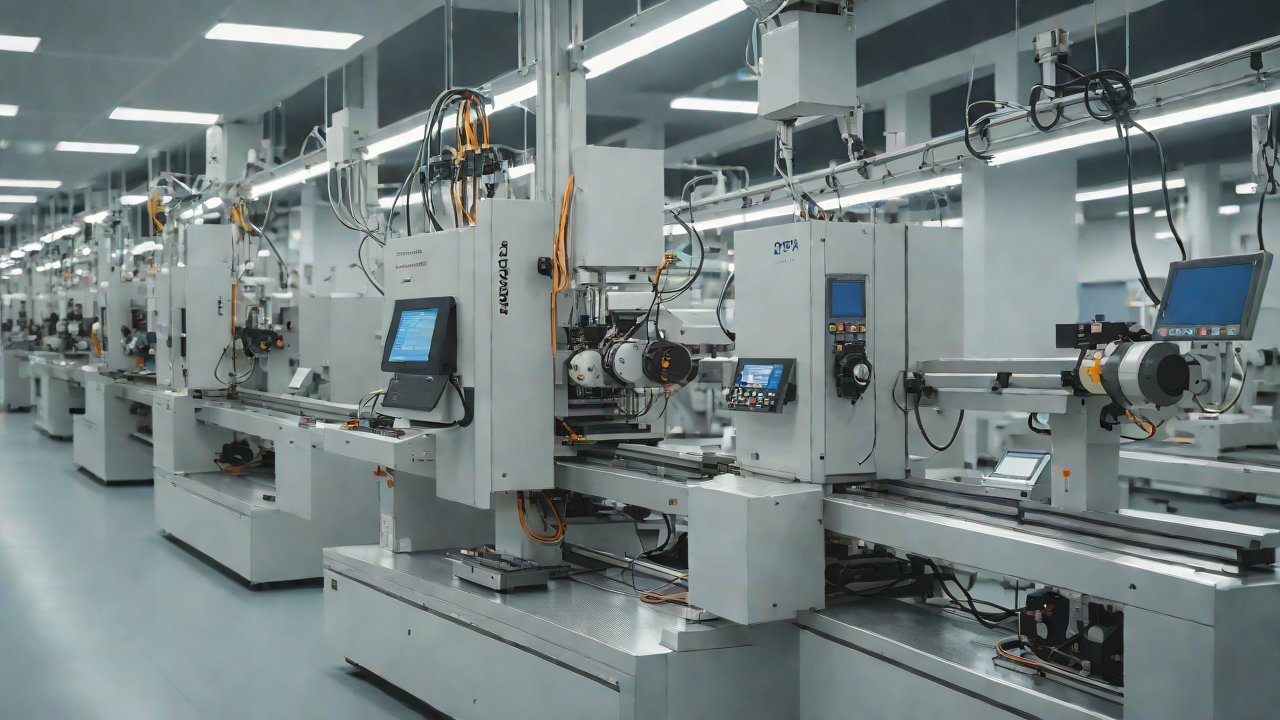
Adaptive logic is a powerful tool for enabling mass customization in manufacturing. By enabling machines to learn and adapt to new situations, adaptive logic allows for the production of customized products in large quantities. The benefits of mass customization are numerous, including increased customer satisfaction, reduced waste and increased efficiency, and improved responsiveness to market demand.
The implementation and deployment of adaptive logic requires a deep understanding of various technical and business considerations. However, the potential benefits of adaptive logic make it an attractive solution for companies looking to improve their manufacturing processes.
Table 5: Conclusion
| Conclusion | Description |
|---|---|
| Adaptive logic is a powerful tool for enabling mass customization | Enables machines to learn and adapt to new situations, allowing for the production of customized products in large quantities |
| Benefits of mass customization | Increased customer satisfaction, reduced waste and increased efficiency, and improved responsiveness to market demand |
| Implementation and deployment considerations | Scalability, integration, and training and maintenance requirements |
IOT Cloud Platform
IOT Cloud Platform is an IoT portal established by a Chinese IoT company, focusing on technical solutions in the fields of agricultural IoT, industrial IoT, medical IoT, security IoT, military IoT, meteorological IoT, consumer IoT, automotive IoT, commercial IoT, infrastructure IoT, smart warehousing and logistics, smart home, smart city, smart healthcare, smart lighting, etc.
The IoT Cloud Platform blog is a top IoT technology stack, providing technical knowledge on IoT, robotics, artificial intelligence (generative artificial intelligence AIGC), edge computing, AR/VR, cloud computing, quantum computing, blockchain, smart surveillance cameras, drones, RFID tags, gateways, GPS, 3D printing, 4D printing, autonomous driving, etc.