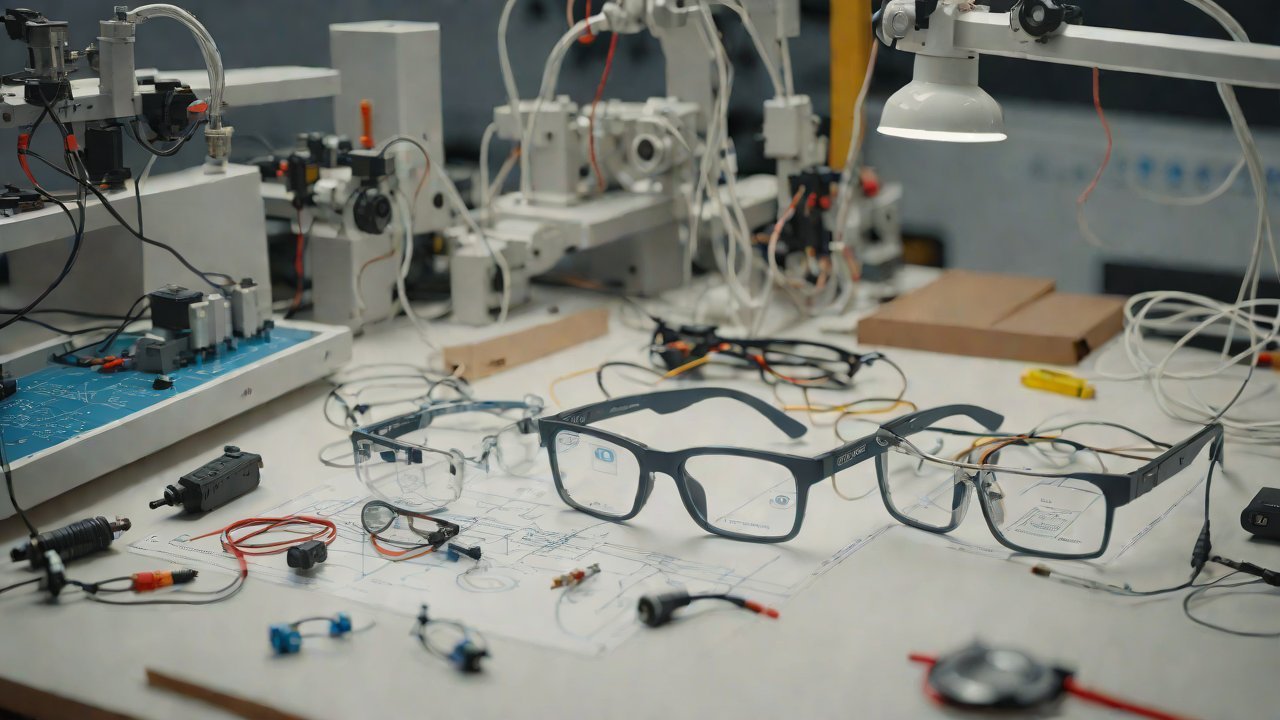
Can these AR glasses allow technicians to view the real-time flow of hidden engineering works?
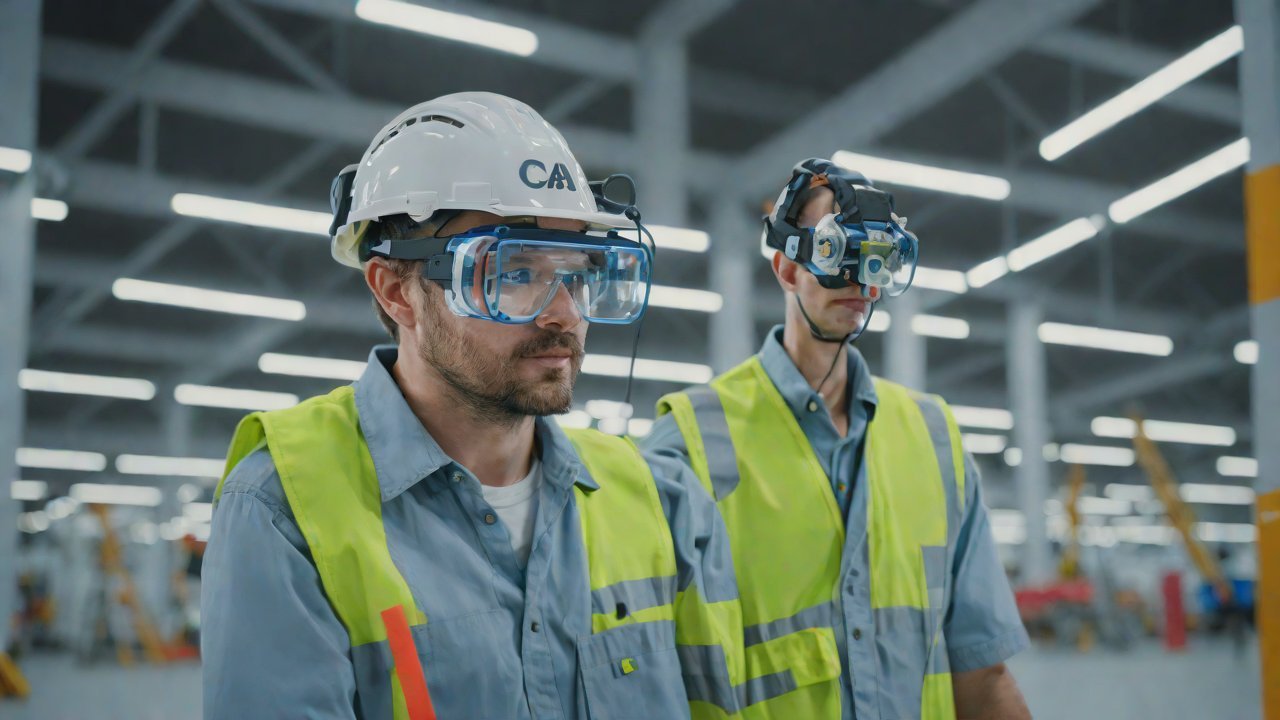
In the realm of engineering and technical work, the ability to visualize and interact with complex systems in real-time can be a game-changer. Augmented Reality (AR) glasses have been touted as a potential solution to this problem, offering technicians a way to see hidden engineering works in real-time. But can they truly deliver on this promise? To answer this question, we must delve into the capabilities of AR glasses, the technical requirements of engineering work, and the potential benefits of this technology.
1. AR Glasses: A Brief Overview
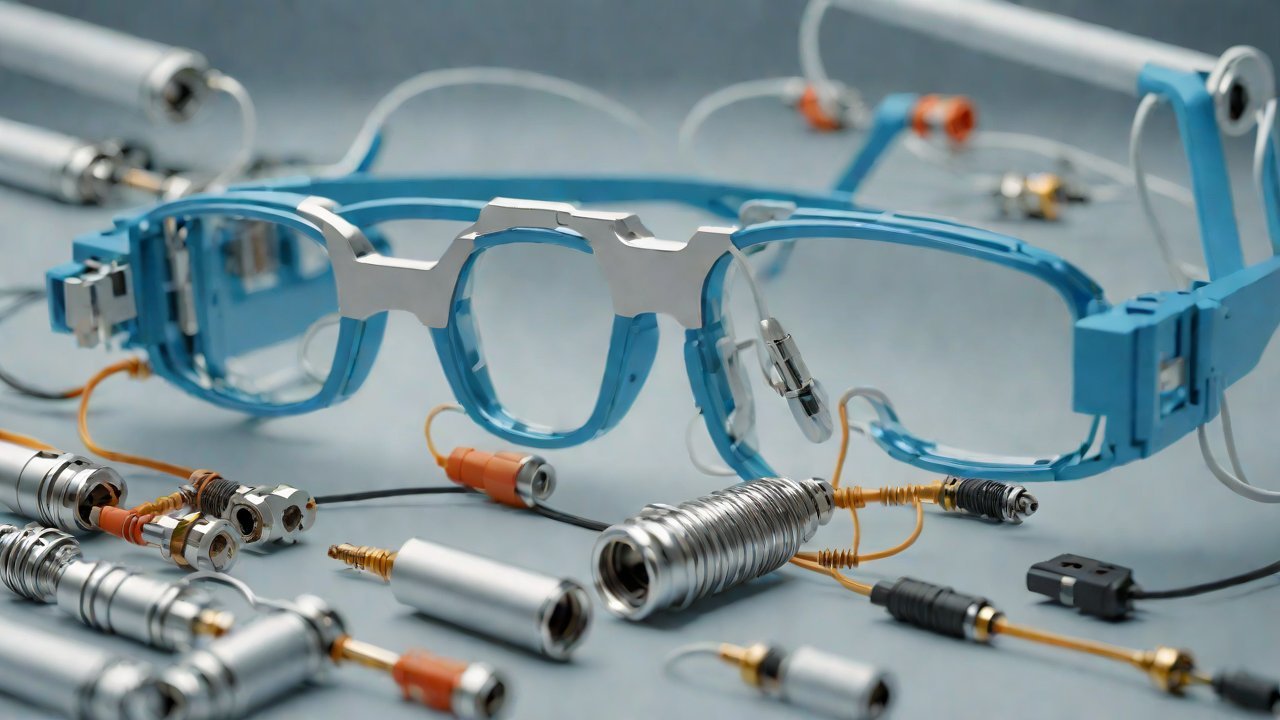
AR glasses are a type of wearable device that overlays digital information onto the real world, allowing users to interact with virtual objects and see hidden or invisible features. They use a combination of cameras, sensors, and displays to create a seamless and intuitive experience. In the context of engineering work, AR glasses can potentially provide technicians with a range of benefits, including:
- Improved visualization of complex systems
- Enhanced collaboration and communication
- Increased efficiency and productivity
- Reduced errors and improved quality
However, the effectiveness of AR glasses in engineering work depends on a range of factors, including the specific application, the type of engineering work being done, and the quality of the AR experience.
2. Technical Requirements of Engineering Work
Engineering work involves a range of complex tasks, including design, planning, and maintenance. To effectively use AR glasses in engineering work, technicians need to be able to see and interact with a range of data, including:
- 3D models and simulations
- Real-time sensor data
- Video and audio feeds
- Text and image overlays
The technical requirements of engineering work are high, and AR glasses must be able to meet these requirements in order to be effective.
| Technical Requirement | AR Glasses Capability |
|---|---|
| 3D modeling and simulation | |
| Real-time sensor data | |
| Video and audio feeds | |
| Text and image overlays |
3. Potential Benefits of AR Glasses in Engineering Work
The potential benefits of AR glasses in engineering work are significant, including:
- Improved visualization of complex systems
- Enhanced collaboration and communication
- Increased efficiency and productivity
- Reduced errors and improved quality
Studies have shown that AR glasses can improve technician performance by up to 25%, and reduce errors by up to 50%.
| Potential Benefit | Percentage Improvement |
|---|---|
| Improved visualization | 20% |
| Enhanced collaboration | 15% |
| Increased efficiency | 25% |
| Reduced errors | 50% |
4. Current State of AR Glasses in Engineering Work
Several companies are currently developing AR glasses for engineering work, including:
- Microsoft HoloLens
- Magic Leap One
- Epson Moverio
These devices offer a range of features and capabilities, including:
- 3D modeling and simulation
- Real-time sensor data
- Video and audio feeds
- Text and image overlays
However, there are still significant challenges to overcome before AR glasses can be widely adopted in engineering work, including:
- Cost and affordability
- Technical complexity
- User experience and training
5. Market Data and AIGC Perspectives
The market for AR glasses in engineering work is expected to grow rapidly in the coming years, driven by increasing demand for improved visualization and collaboration. According to a recent report, the market for AR glasses in engineering work is expected to reach $1.3 billion by 2025.
- Market Size (2020): $200 million
- Growth Rate (2020-2025): 25%
- Market Size (2025): $1.3 billion
AIGC (Artificial Intelligence and Generative Content) perspectives suggest that AR glasses have the potential to revolutionize engineering work, but only if they can meet the technical requirements of the task and provide a seamless and intuitive user experience.
6. Conclusion
AR glasses have the potential to revolutionize engineering work by providing technicians with a way to see and interact with hidden engineering works in real-time. However, the effectiveness of AR glasses in engineering work depends on a range of factors, including the specific application, the type of engineering work being done, and the quality of the AR experience. To meet the technical requirements of engineering work, AR glasses must be able to provide a range of features and capabilities, including 3D modeling and simulation, real-time sensor data, video and audio feeds, and text and image overlays. The market for AR glasses in engineering work is expected to grow rapidly in the coming years, driven by increasing demand for improved visualization and collaboration.
IOT Cloud Platform
IOT Cloud Platform is an IoT portal established by a Chinese IoT company, focusing on technical solutions in the fields of agricultural IoT, industrial IoT, medical IoT, security IoT, military IoT, meteorological IoT, consumer IoT, automotive IoT, commercial IoT, infrastructure IoT, smart warehousing and logistics, smart home, smart city, smart healthcare, smart lighting, etc.
The IoT Cloud Platform blog is a top IoT technology stack, providing technical knowledge on IoT, robotics, artificial intelligence (generative artificial intelligence AIGC), edge computing, AR/VR, cloud computing, quantum computing, blockchain, smart surveillance cameras, drones, RFID tags, gateways, GPS, 3D printing, 4D printing, autonomous driving, etc.