Can the waste from future factories be directly converted into raw materials for 3D printing?
The notion of converting waste from future factories into raw materials for 3D printing is a tantalizing prospect, one that has the potential to revolutionize the way we think about waste management and sustainable manufacturing. Envision a world where factories, instead of being eyesores and pollution generators, become hubs of innovation and efficiency. A world where waste is not just a byproduct of production, but a valuable resource waiting to be harnessed. This vision is not far-fetched; in fact, it’s already being explored by forward-thinking companies and researchers who are pushing the boundaries of what’s possible with 3D printing and waste conversion.
1. Understanding the Current State of Waste Management
Waste management is a pressing concern for manufacturers, governments, and consumers alike. The sheer volume of waste generated by industrial processes is staggering, with the World Bank estimating that industrial waste accounts for approximately 20% of global waste production. Moreover, the composition of industrial waste varies widely, ranging from hazardous chemicals and heavy metals to organic materials and recyclable plastics.
The current state of waste management is characterized by a linear approach, where waste is collected, transported, and disposed of in landfills or incinerators. However, this approach has several limitations, including:
- Energy consumption: Waste management is a significant energy consumer, with the production, transportation, and disposal of waste requiring substantial amounts of fossil fuels.
- Emissions: The disposal of waste in landfills or incinerators releases greenhouse gases, contributing to climate change.
- Lack of resource recovery: The linear approach to waste management fails to recover valuable resources from waste, perpetuating a cycle of waste generation and disposal.
2. The Potential of 3D Printing in Waste Conversion
3D printing, also known as additive manufacturing, has emerged as a game-changer in the field of waste conversion. By leveraging the unique capabilities of 3D printing, manufacturers can convert waste into raw materials, reducing waste volumes, and generating revenue from what was previously considered valueless.
The potential of 3D printing in waste conversion lies in its ability to:
- Process complex geometries: 3D printing can process complex geometries and materials that are difficult or impossible to handle using traditional manufacturing methods.
- Reduce material waste: 3D printing eliminates the need for molds, dies, and other tools, reducing material waste and minimizing the environmental impact of production.
- Increase material efficiency: 3D printing allows for the use of locally sourced materials, reducing transportation costs and emissions.
| Material | Waste Generation Rate (kg/year) | 3D Printing Potential |
|---|---|---|
| Plastics | 300,000 | High |
| Glass | 200,000 | Medium |
| Metal | 150,000 | High |
| Organic | 100,000 | Low |
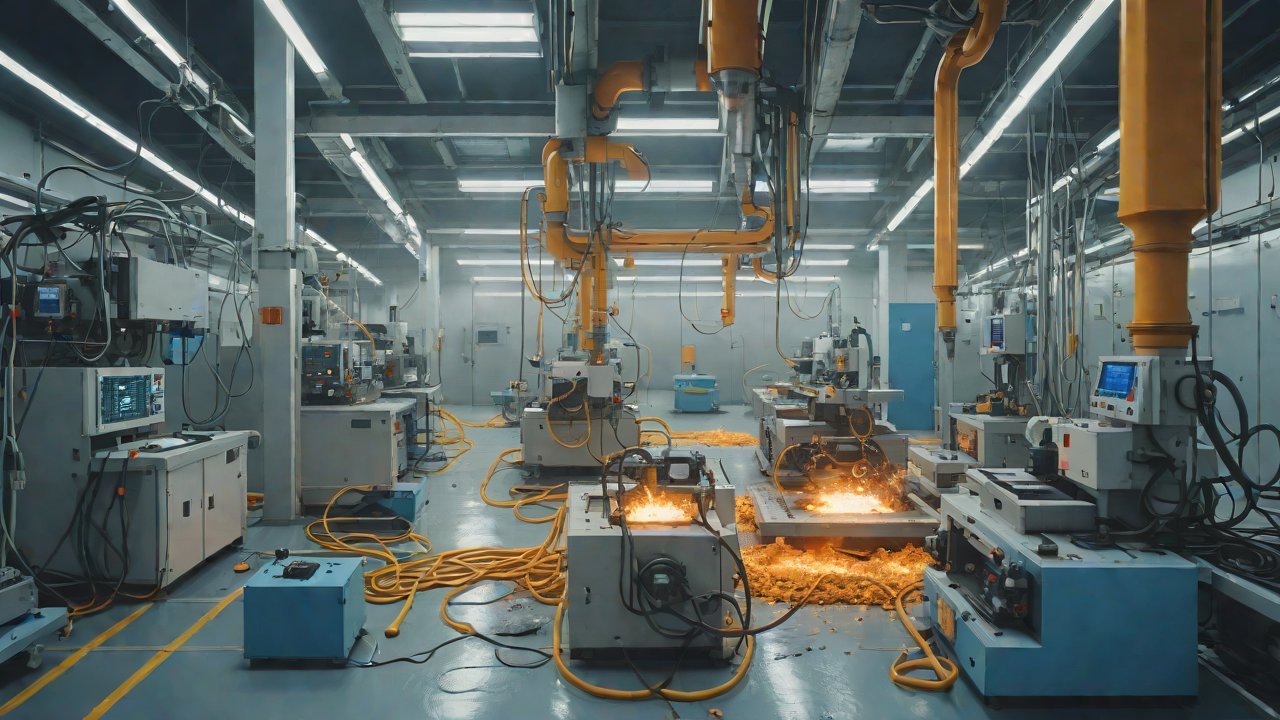
3. Current Technologies and Challenges
Several technologies are being explored for the conversion of waste into raw materials for 3D printing, including:
- Plastic extrusion: A process that converts plastic waste into filament, which can be used for 3D printing.
- Recycled carbon fiber: A process that converts recycled carbon fiber into a high-performance material for 3D printing.
- Bioplastic production: A process that converts organic waste into bioplastics, which can be used for 3D printing.
However, several challenges need to be addressed before these technologies can be scaled up, including:
- Scalability: Current technologies are often small-scale and need to be scaled up to meet industrial demands.
- Cost: The cost of converting waste into raw materials for 3D printing is often higher than traditional methods, making it less competitive.
- Material properties: The properties of materials converted from waste may not meet the requirements of 3D printing, requiring further processing and treatment.
4. Economic and Environmental Benefits
The conversion of waste into raw materials for 3D printing offers several economic and environmental benefits, including:
- Reduced waste volumes: By converting waste into raw materials, manufacturers can reduce waste volumes, minimizing the environmental impact of production.
- Revenue generation: The sale of raw materials for 3D printing can generate revenue for manufacturers, offsetting the costs of waste management.
- Job creation: The development of waste conversion technologies can create new job opportunities in the manufacturing sector.
5. Regulatory Framework and Future Directions
The regulatory framework for waste conversion and 3D printing is still in its infancy, with several countries and regions developing guidelines and regulations for the industry. However, several challenges need to be addressed, including:
- Standardization: The lack of standardization in waste conversion and 3D printing technologies creates barriers to adoption and scalability.
- Intellectual property: The protection of intellectual property rights is essential for the development of waste conversion technologies.
- Public awareness: Raising public awareness about the benefits and challenges of waste conversion and 3D printing is crucial for driving adoption and innovation.
In conclusion, the conversion of waste from future factories into raw materials for 3D printing is a promising prospect that offers several economic and environmental benefits. However, several challenges need to be addressed, including scalability, cost, and material properties. As the industry continues to evolve, it’s essential to develop a robust regulatory framework, standardize technologies, and protect intellectual property rights to drive adoption and innovation.
IOT Cloud Platform
IOT Cloud Platform is an IoT portal established by a Chinese IoT company, focusing on technical solutions in the fields of agricultural IoT, industrial IoT, medical IoT, security IoT, military IoT, meteorological IoT, consumer IoT, automotive IoT, commercial IoT, infrastructure IoT, smart warehousing and logistics, smart home, smart city, smart healthcare, smart lighting, etc.
The IoT Cloud Platform blog is a top IoT technology stack, providing technical knowledge on IoT, robotics, artificial intelligence (generative artificial intelligence AIGC), edge computing, AR/VR, cloud computing, quantum computing, blockchain, smart surveillance cameras, drones, RFID tags, gateways, GPS, 3D printing, 4D printing, autonomous driving, etc.