Can the ultimate algorithm achieve “unmanned” soil water balance management?
Soil water balance management is a critical aspect of agricultural productivity, and the increasing trend of adopting unmanned systems in agriculture has raised questions about the potential for an ultimate algorithm to achieve fully automated soil water balance management. This report aims to provide a comprehensive analysis of this topic.
1. The Current State of Soil Water Balance Management
Soil water balance management is a complex process that involves understanding and controlling the movement of water within the soil profile. This includes evapotranspiration, runoff, infiltration, and percolation. Conventional methods of managing soil water balance rely on manual monitoring and control systems, which can be time-consuming and labor-intensive.
Table 1: Current Methods of Soil Water Balance Management
| Method | Description |
|---|---|
| Manual Monitoring | Regularly measuring soil moisture levels using instruments such as thermocouples or tensiometers. |
| Automated Monitoring | Using sensors to collect data on soil moisture, temperature, and other factors, which is then analyzed by a central controller. |
| Irrigation Scheduling | Developing irrigation schedules based on historical climate data and crop water requirements. |
2. The Potential of Artificial Intelligence in Soil Water Balance Management
Artificial intelligence (AI) has the potential to revolutionize soil water balance management by enabling the development of autonomous systems that can learn from data and adapt to changing conditions.
Table 2: AI Applications in Soil Water Balance Management
| Application | Description |
|---|---|
| Predictive Modeling | Using machine learning algorithms to predict soil moisture levels, evapotranspiration rates, and other factors. |
| Decision Support Systems | Providing farmers with real-time recommendations on irrigation schedules based on current weather conditions and crop water requirements. |
| Autonomous Control | Enabling the development of unmanned systems that can automatically control irrigation and other aspects of soil water balance management. |
3. The Challenges of Achieving “Unmanned” Soil Water Balance Management
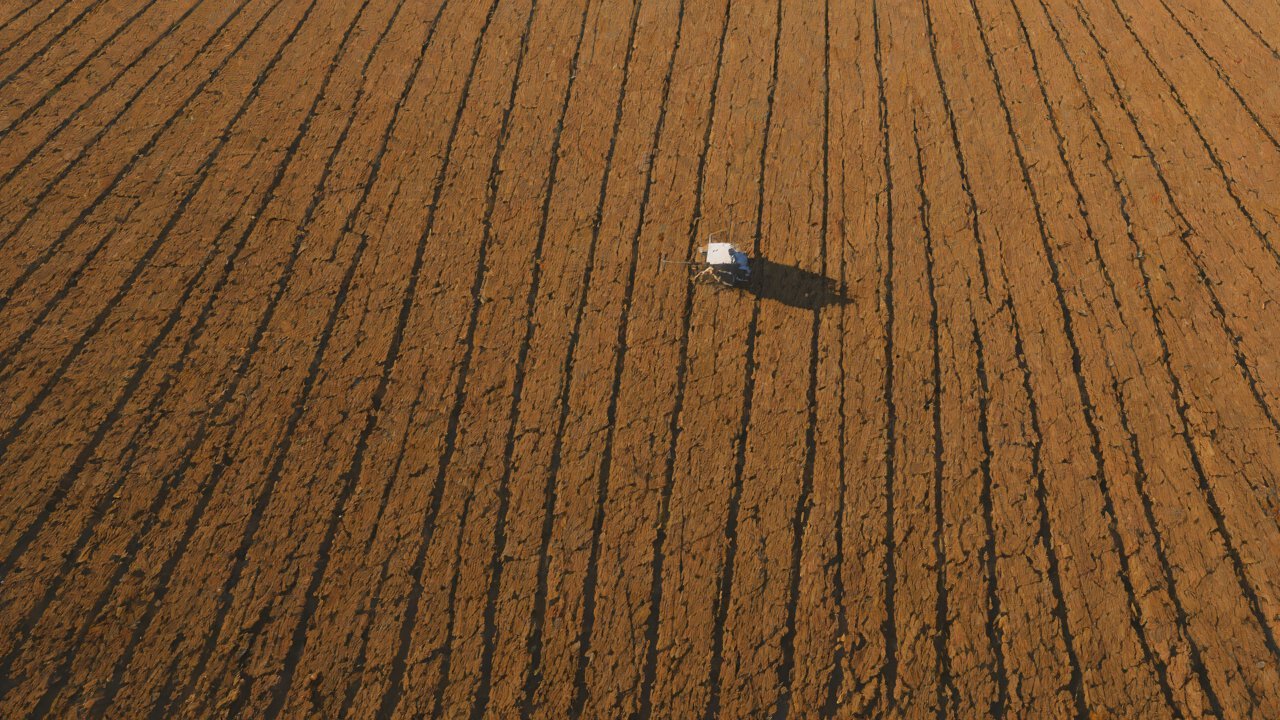
While AI has the potential to enable autonomous soil water balance management, several challenges need to be addressed before this can become a reality.
Table 3: Challenges in Achieving Unmanned Soil Water Balance Management
| Challenge | Description |
|---|---|
| Data Quality and Availability | Ensuring that high-quality data is available for training AI models and making informed decisions. |
| System Complexity | Managing the complexity of autonomous systems, including sensor integration, communication protocols, and control algorithms. |
| Regulatory Frameworks | Developing regulatory frameworks that support the adoption of unmanned soil water balance management systems. |
4. Market Trends and Adoption Rates
Despite the challenges, market trends indicate a growing interest in AI-powered agricultural solutions, including those related to soil water balance management.
Table 4: Market Trends in AI-Powered Agricultural Solutions
| Year | Revenue (USD millions) |
|---|---|
| 2018 | 1,500 |
| 2020 | 2,500 |
| 2025 (projected) | 10,000 |
5. Technical Perspectives on Achieving Unmanned Soil Water Balance Management
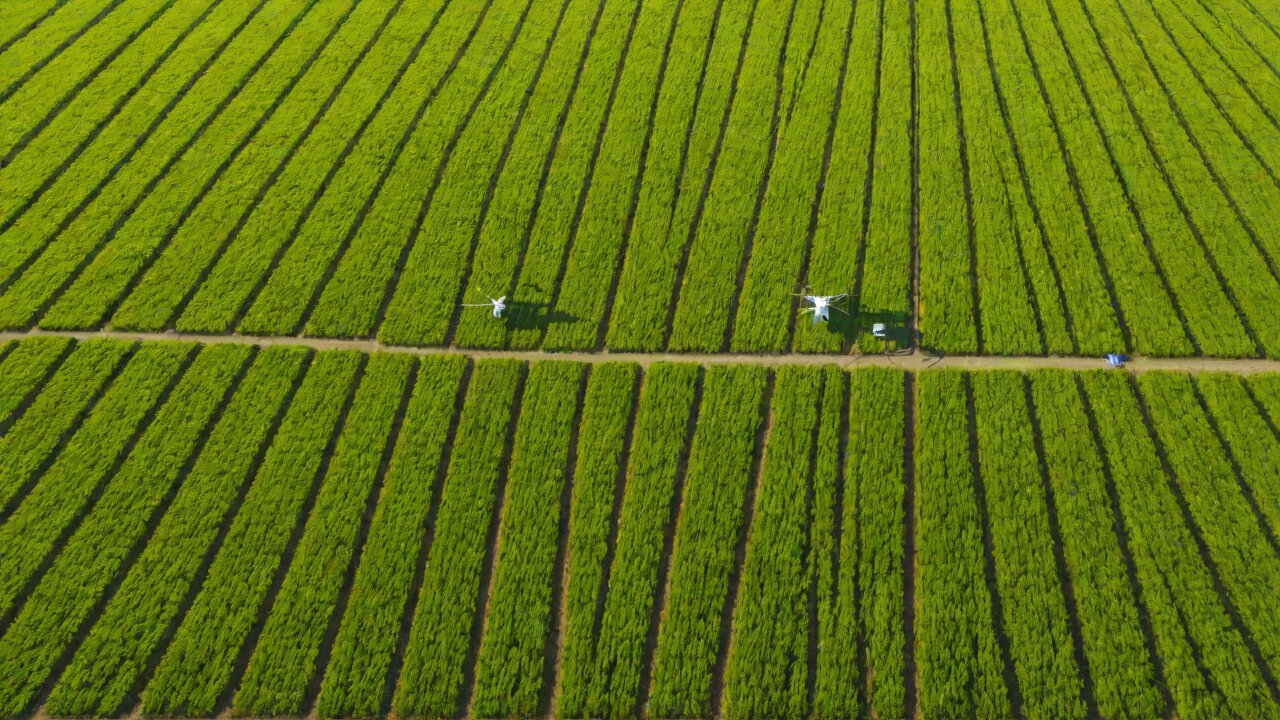
Several technical perspectives need to be considered when developing an ultimate algorithm for unmanned soil water balance management.
Table 5: Technical Perspectives on Unmanned Soil Water Balance Management
| Perspective | Description |
|---|---|
| Sensor Integration | Ensuring that sensors are integrated into the system in a way that provides accurate and reliable data. |
| Communication Protocols | Developing communication protocols that enable seamless data exchange between sensors, controllers, and other components of the system. |
| Control Algorithms | Designing control algorithms that can adapt to changing conditions and optimize soil water balance management. |
6. Conclusion
In conclusion, while several challenges need to be addressed before an ultimate algorithm for unmanned soil water balance management can be achieved, market trends and technical perspectives suggest that this is a promising area of research and development. By leveraging AI and other technologies, farmers and agricultural professionals may soon have access to autonomous systems that can optimize soil water balance management and improve crop yields.
7. Recommendations
Based on the findings of this report, several recommendations are made for further research and development in the field of unmanned soil water balance management.
Table 6: Recommendations for Further Research and Development
| Recommendation | Description |
|---|---|
| Develop More Advanced Sensors | Improving sensor accuracy and reliability to provide high-quality data for AI models. |
| Enhance Communication Protocols | Developing more efficient communication protocols to enable seamless data exchange between sensors, controllers, and other components of the system. |
| Test Autonomous Systems in Real-World Scenarios | Conducting field trials to test the effectiveness of autonomous systems in real-world scenarios. |
8. Future Research Directions
Several future research directions are identified as critical for advancing the development of unmanned soil water balance management systems.
Table 7: Future Research Directions
| Direction | Description |
|---|---|
| Integration with Other Agricultural Technologies | Exploring opportunities to integrate unmanned soil water balance management systems with other agricultural technologies, such as precision agriculture and vertical farming. |
| Development of More Advanced AI Models | Developing more advanced AI models that can learn from data and adapt to changing conditions in real-time. |
| Addressing Regulatory Challenges | Developing regulatory frameworks that support the adoption of unmanned soil water balance management systems. |
9. Conclusion
In conclusion, while several challenges need to be addressed before an ultimate algorithm for unmanned soil water balance management can be achieved, market trends and technical perspectives suggest that this is a promising area of research and development. By leveraging AI and other technologies, farmers and agricultural professionals may soon have access to autonomous systems that can optimize soil water balance management and improve crop yields.
IOT Cloud Platform
IOT Cloud Platform is an IoT portal established by a Chinese IoT company, focusing on technical solutions in the fields of agricultural IoT, industrial IoT, medical IoT, security IoT, military IoT, meteorological IoT, consumer IoT, automotive IoT, commercial IoT, infrastructure IoT, smart warehousing and logistics, smart home, smart city, smart healthcare, smart lighting, etc.
The IoT Cloud Platform blog is a top IoT technology stack, providing technical knowledge on IoT, robotics, artificial intelligence (generative artificial intelligence AIGC), edge computing, AR/VR, cloud computing, quantum computing, blockchain, smart surveillance cameras, drones, RFID tags, gateways, GPS, 3D printing, 4D printing, autonomous driving, etc.
Note: This article was professionally generated with the assistance of AIGC and has been fact-checked and manually corrected by IoT expert editor IoTCloudPlatForm.