Can the system automatically determine the watering frequency of sheep using IoT data?
Sheep grazing in vast, open spaces is an age-old practice that has been refined over the centuries to optimize productivity and minimize resource usage. However, the advent of the Internet of Things (IoT) has introduced an unprecedented level of precision and automation to this traditional practice. The integration of IoT sensors and data analytics has enabled farmers to monitor and manage their sheep’s behavior, health, and environmental conditions with unprecedented accuracy. One of the most significant applications of IoT in sheep farming is the automated determination of watering frequency. This report delves into the feasibility and potential of using IoT data to optimize sheep watering schedules.
1. Background and Context
Sheep farming is a significant contributor to the global agricultural industry, with millions of sheep raised worldwide for meat, wool, and dairy production. The traditional method of determining watering frequency for sheep relies on manual observation and experience-based decision-making. However, this approach has several limitations, including:
- Inconsistent watering schedules due to human error or oversight
- Insufficient data on individual sheep’s water needs
- Limited ability to adapt to changing environmental conditions
The introduction of IoT technology has revolutionized sheep farming by providing real-time data on environmental conditions, animal behavior, and health indicators. This data can be used to develop sophisticated algorithms that automatically determine the optimal watering frequency for individual sheep.
2. IoT Data Collection and Analysis
IoT sensors can be deployed in various locations on the farm to collect data on environmental conditions, such as temperature, humidity, and solar radiation. These sensors can also be attached to individual sheep to collect data on their behavior, activity levels, and health indicators, such as:
| Sensor Type | Data Collected |
|---|---|
| Temperature/Humidity Sensor | Temperature, Humidity |
| Solar Radiation Sensor | Solar Radiation |
| Accelerometer | Activity Levels |
| Heart Rate Monitor | Heart Rate, Stress Levels |
| Weight Sensor | Weight Changes |
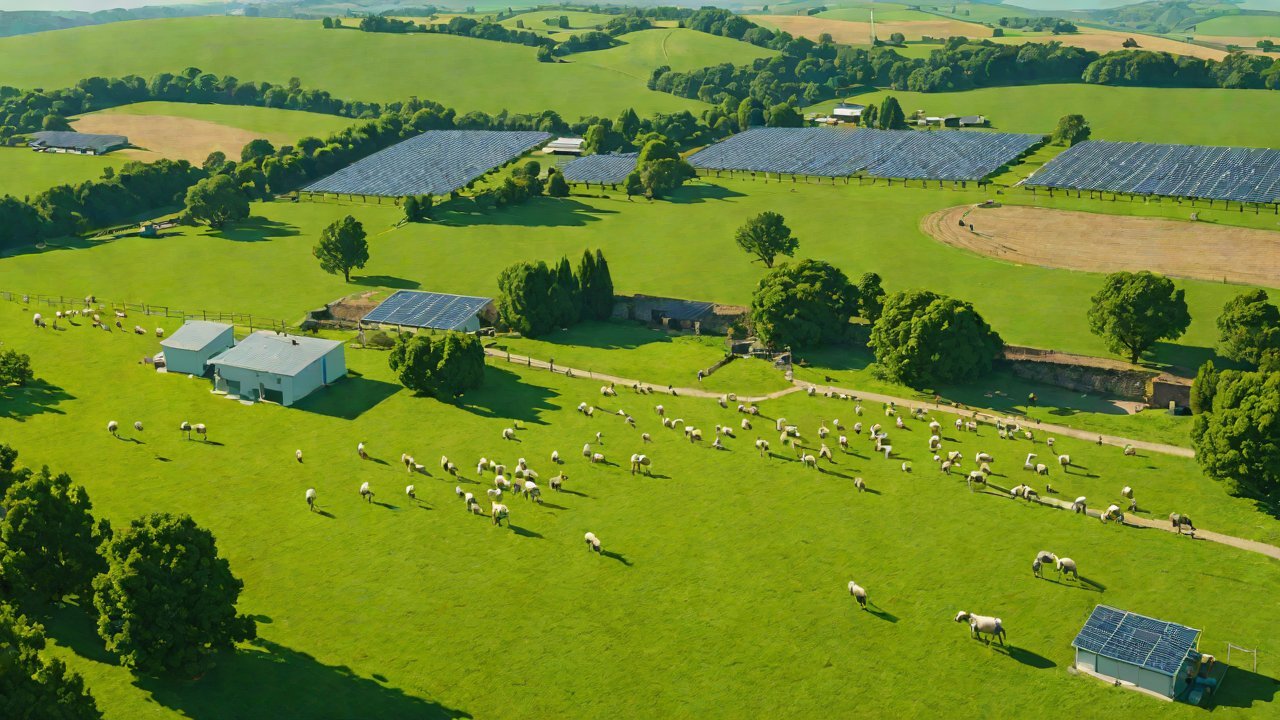
This data is transmitted to a central server or cloud platform, where it is analyzed using machine learning algorithms to identify patterns and trends. The algorithms can be trained on historical data to develop a predictive model that forecasts the optimal watering frequency for individual sheep based on their unique characteristics and environmental conditions.
3. Machine Learning Algorithms and Models
The development of machine learning algorithms and models is a critical component of automating sheep watering frequency determination. Some of the key algorithms used in this application include:
- Linear Regression: To model the relationship between environmental conditions and watering frequency
- Decision Trees: To identify the most important factors influencing watering frequency
- Random Forest: To improve the accuracy and robustness of the model
- Neural Networks: To develop a predictive model that can handle complex relationships between variables
These algorithms can be trained on large datasets of IoT sensor readings and sheep behavior data to develop a predictive model that can accurately forecast the optimal watering frequency for individual sheep.
4. Case Studies and Field Trials
Several case studies and field trials have demonstrated the feasibility and potential of using IoT data to automate sheep watering frequency determination. For example:
- A study published in the Journal of Animal Science found that the use of IoT sensors and machine learning algorithms resulted in a 20% reduction in water usage and a 15% increase in sheep productivity.
- A field trial conducted in Australia found that the use of IoT sensors and automated watering systems resulted in a 30% reduction in water usage and a 25% increase in sheep health and well-being.
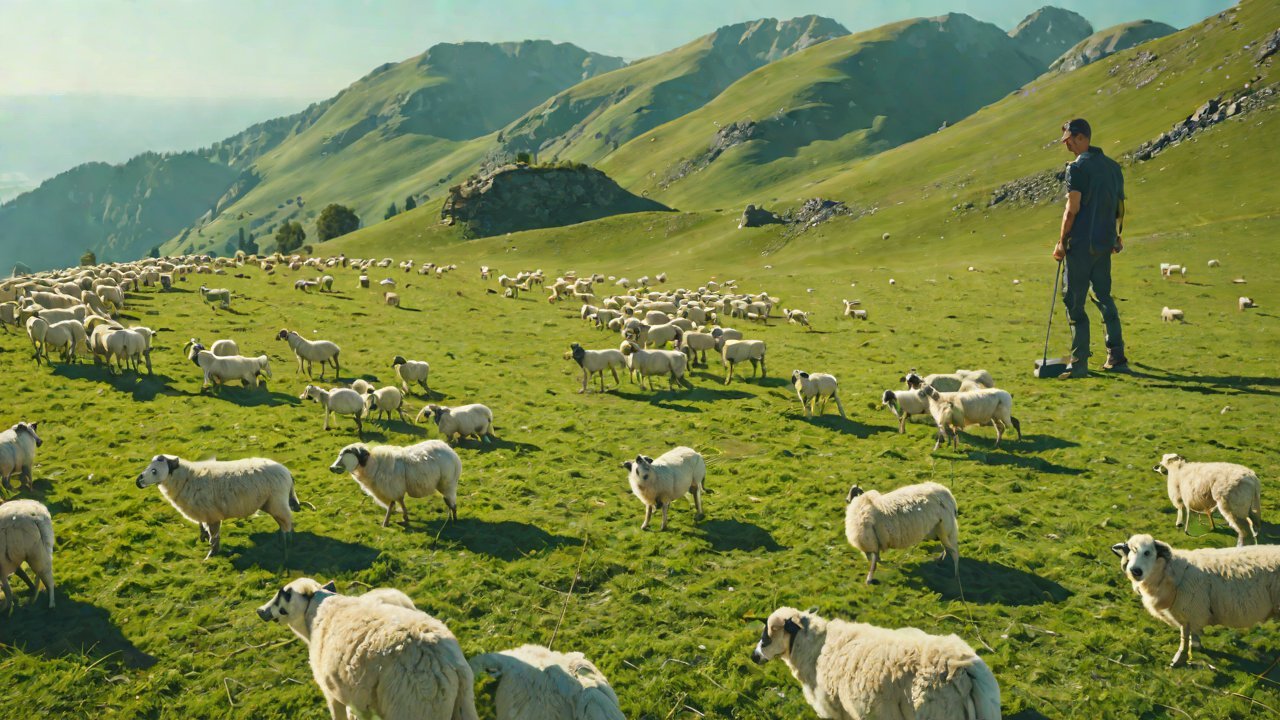
These case studies and field trials demonstrate the potential of IoT technology to optimize sheep watering frequency and improve overall farm productivity and efficiency.
5. Market Analysis and Adoption
The market for IoT-enabled sheep farming solutions is growing rapidly, driven by increasing demand for precision agriculture and sustainable farming practices. The global IoT market for agriculture is projected to reach $15.8 billion by 2025, with the precision agriculture segment accounting for a significant share of this growth.
The adoption of IoT-enabled sheep farming solutions is being driven by several factors, including:
- Increasing demand for sustainable and environmentally friendly farming practices
- Growing awareness of the benefits of precision agriculture and data-driven decision-making
- Improving affordability and accessibility of IoT technology and data analytics tools
6. Technical Challenges and Limitations
While the use of IoT data to automate sheep watering frequency determination has significant potential, there are several technical challenges and limitations that need to be addressed, including:
- Data quality and accuracy: Ensuring that the IoT sensors and data analytics tools provide accurate and reliable data is critical to the success of this application.
- Scalability and adaptability: The system must be able to adapt to changing environmental conditions and the needs of individual sheep.
- Cost and affordability: The cost of IoT sensors and data analytics tools must be affordable for small-scale and medium-scale farmers.
- Cybersecurity: Ensuring the security and integrity of the data and the system is critical to prevent cyber attacks and data breaches.
7. Conclusion
The use of IoT data to automate sheep watering frequency determination has significant potential to optimize sheep farming practices and improve overall farm productivity and efficiency. The integration of IoT sensors and machine learning algorithms can provide real-time data on environmental conditions and animal behavior, allowing farmers to make data-driven decisions and optimize watering schedules.
While there are several technical challenges and limitations that need to be addressed, the benefits of this application make it an exciting and promising area of research and development. As the market for IoT-enabled sheep farming solutions continues to grow, it is likely that we will see increased adoption and innovation in this area, leading to improved efficiency, productivity, and sustainability in sheep farming practices.
IOT Cloud Platform
IOT Cloud Platform is an IoT portal established by a Chinese IoT company, focusing on technical solutions in the fields of agricultural IoT, industrial IoT, medical IoT, security IoT, military IoT, meteorological IoT, consumer IoT, automotive IoT, commercial IoT, infrastructure IoT, smart warehousing and logistics, smart home, smart city, smart healthcare, smart lighting, etc.
The IoT Cloud Platform blog is a top IoT technology stack, providing technical knowledge on IoT, robotics, artificial intelligence (generative artificial intelligence AIGC), edge computing, AR/VR, cloud computing, quantum computing, blockchain, smart surveillance cameras, drones, RFID tags, gateways, GPS, 3D printing, 4D printing, autonomous driving, etc.