
Can the IoT system immediately cut off the pump source when flow meter data is abnormal?
The Industrial Internet of Things (IIoT) has revolutionized the way industries operate, enabling real-time monitoring and control of processes. One of the key applications of IIoT is in the management of industrial pumps, which are critical components of many industrial processes. Pumps are used to transport fluids, gases, and slurries in a wide range of industries, including oil and gas, power generation, water treatment, and chemical processing. However, pump failures can have significant consequences, including equipment damage, downtime, and even safety risks. To mitigate these risks, IIoT systems are being increasingly used to monitor pump performance in real-time, enabling predictive maintenance and quick response to anomalies.
1. IIoT System Architecture for Pump Monitoring
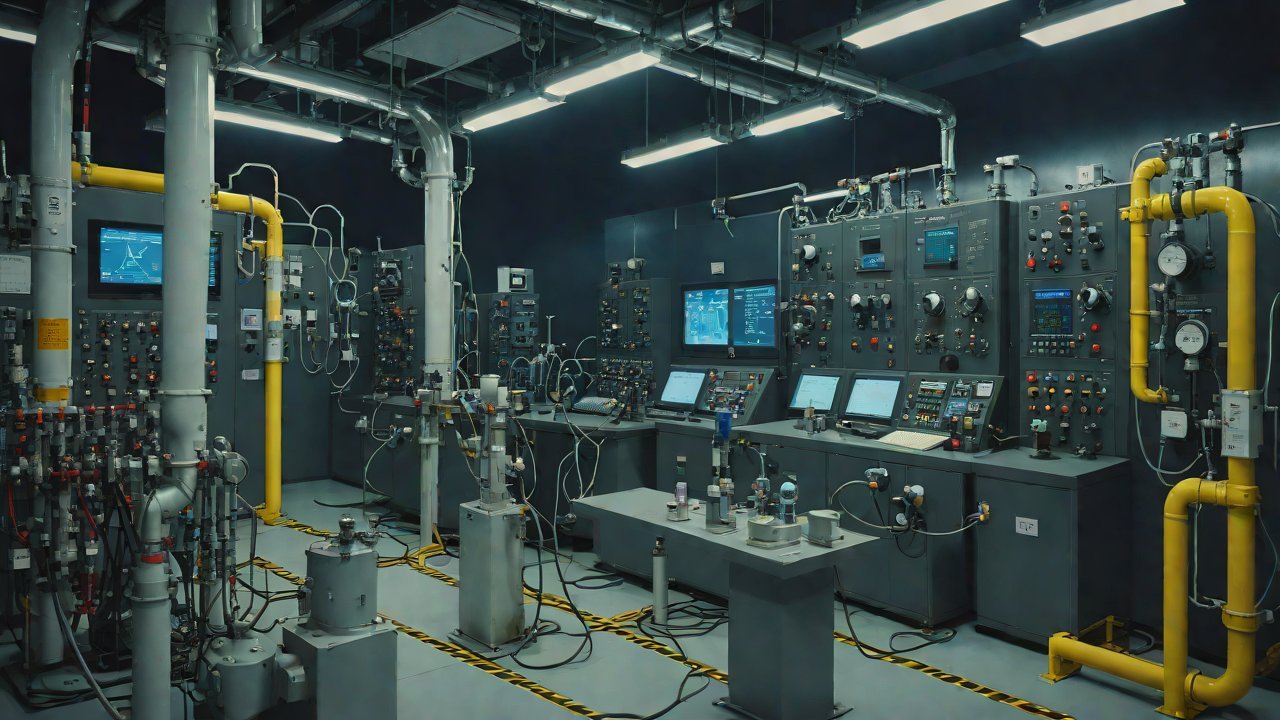
A typical IIoT system for pump monitoring consists of several components, including:
| Component | Description |
|---|---|
| Flow Meter | Measures the flow rate of the fluid being pumped |
| Temperature Sensor | Measures the temperature of the fluid being pumped |
| Pressure Sensor | Measures the pressure of the fluid being pumped |
| Pump Controller | Controls the operation of the pump, including speed and direction |
| IIoT Gateway | Connects the sensors and actuators to the cloud or enterprise network |
These components are typically connected through a network, which enables real-time data exchange and monitoring. The IIoT gateway is responsible for collecting data from the sensors and sending it to the cloud or enterprise network for analysis and decision-making.
2. Anomaly Detection in Flow Meter Data
Anomaly detection is a critical component of IIoT systems, enabling early detection of potential issues before they become major problems. In the context of pump monitoring, anomaly detection is typically applied to flow meter data, which is used to detect changes in flow rate, pressure, and temperature.
| Anomaly Type | Description |
|---|---|
| Flow Rate Anomaly | Unusual changes in flow rate, which may indicate pump failure or blockage |
| Pressure Anomaly | Unusual changes in pressure, which may indicate pump failure or blockage |
| Temperature Anomaly | Unusual changes in temperature, which may indicate pump failure or blockage |
Anomaly detection algorithms, such as statistical process control (SPC) and machine learning (ML), are used to identify unusual patterns in flow meter data. These algorithms can be trained on historical data to learn the normal operating patterns of the pump and detect deviations from these patterns.
3. Response to Anomalies
Once an anomaly is detected, the IIoT system must respond quickly to mitigate the risk of pump failure. This may involve:
| Response Action | Description |
|---|---|
| Alert Generation | Generate an alert to notify operators of the anomaly |
| Pump Shutdown | Immediately shut down the pump to prevent further damage |
| Diagnostic Analysis | Analyze the data to determine the root cause of the anomaly |
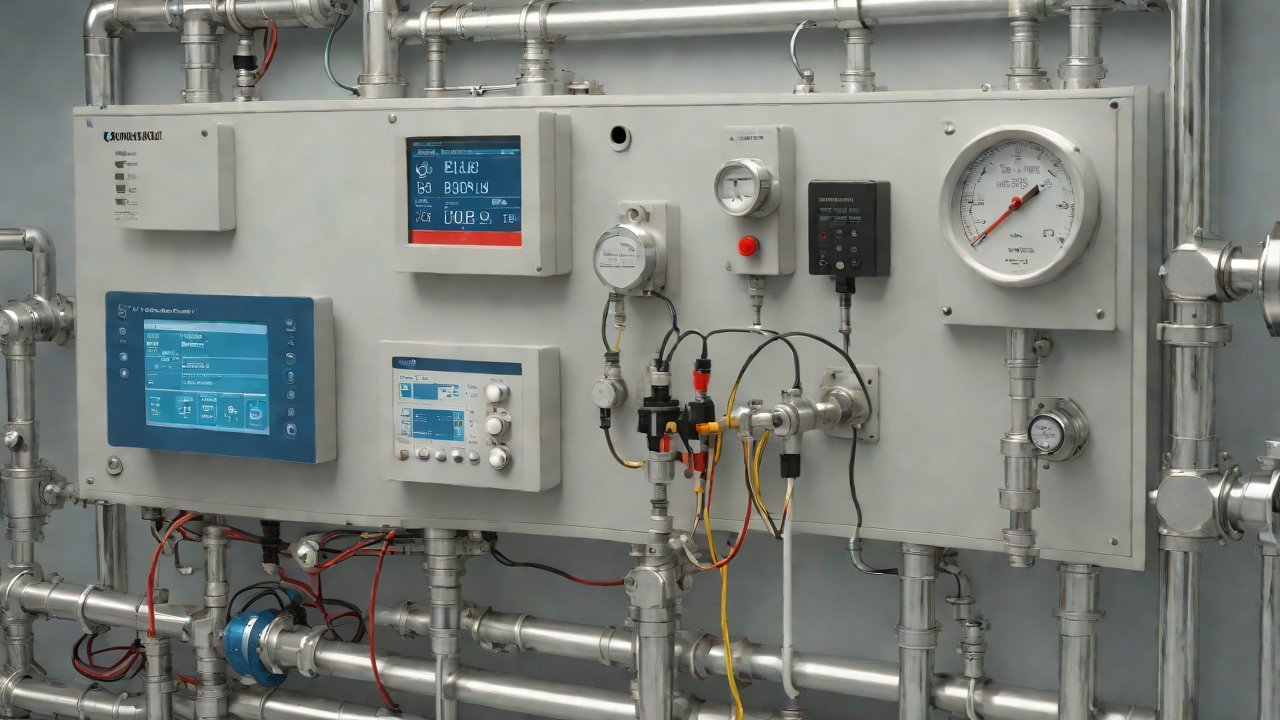
The response to anomalies is typically automated, with the IIoT system taking immediate action to prevent pump failure. However, the effectiveness of the response depends on the accuracy of the anomaly detection algorithm and the speed of the IIoT system.
4. Market Trends and Adoption
The adoption of IIoT systems for pump monitoring is gaining momentum, driven by the need for predictive maintenance and reduced downtime. According to a report by MarketsandMarkets, the global industrial pumps market is expected to grow from $14.4 billion in 2020 to $22.3 billion by 2025, at a Compound Annual Growth Rate (CAGR) of 7.4%.
| Market Trend | Description |
|---|---|
| Increased Adoption of Predictive Maintenance | Companies are adopting predictive maintenance to reduce downtime and increase equipment efficiency |
| Growing Demand for Real-Time Monitoring | The need for real-time monitoring is driving the adoption of IIoT systems for pump monitoring |
| Integration with Other Industrial Systems | IIoT systems are being integrated with other industrial systems, such as SCADA and MES, to enable end-to-end monitoring and control |
5. Technical Perspective
From a technical perspective, the ability of the IIoT system to immediately cut off the pump source when flow meter data is abnormal depends on several factors, including:
| Technical Factor | Description |
|---|---|
| Sensor Accuracy | The accuracy of the sensors used to measure flow rate, pressure, and temperature |
| Algorithm Effectiveness | The effectiveness of the anomaly detection algorithm in identifying unusual patterns in flow meter data |
| Network Latency | The latency of the network, which can affect the speed of data transmission and response to anomalies |
| System Integration | The integration of the IIoT system with other industrial systems, such as SCADA and MES |
The technical perspective highlights the importance of accurate sensor data, effective anomaly detection algorithms, and low network latency in enabling the IIoT system to respond quickly to anomalies.
6. Conclusion
In conclusion, the ability of the IIoT system to immediately cut off the pump source when flow meter data is abnormal depends on several factors, including anomaly detection algorithm effectiveness, sensor accuracy, network latency, and system integration. While the adoption of IIoT systems for pump monitoring is gaining momentum, driven by the need for predictive maintenance and reduced downtime, there are still technical challenges to be addressed to ensure the effectiveness of the system.
IOT Cloud Platform
IOT Cloud Platform is an IoT portal established by a Chinese IoT company, focusing on technical solutions in the fields of agricultural IoT, industrial IoT, medical IoT, security IoT, military IoT, meteorological IoT, consumer IoT, automotive IoT, commercial IoT, infrastructure IoT, smart warehousing and logistics, smart home, smart city, smart healthcare, smart lighting, etc.
The IoT Cloud Platform blog is a top IoT technology stack, providing technical knowledge on IoT, robotics, artificial intelligence (generative artificial intelligence AIGC), edge computing, AR/VR, cloud computing, quantum computing, blockchain, smart surveillance cameras, drones, RFID tags, gateways, GPS, 3D printing, 4D printing, autonomous driving, etc.



