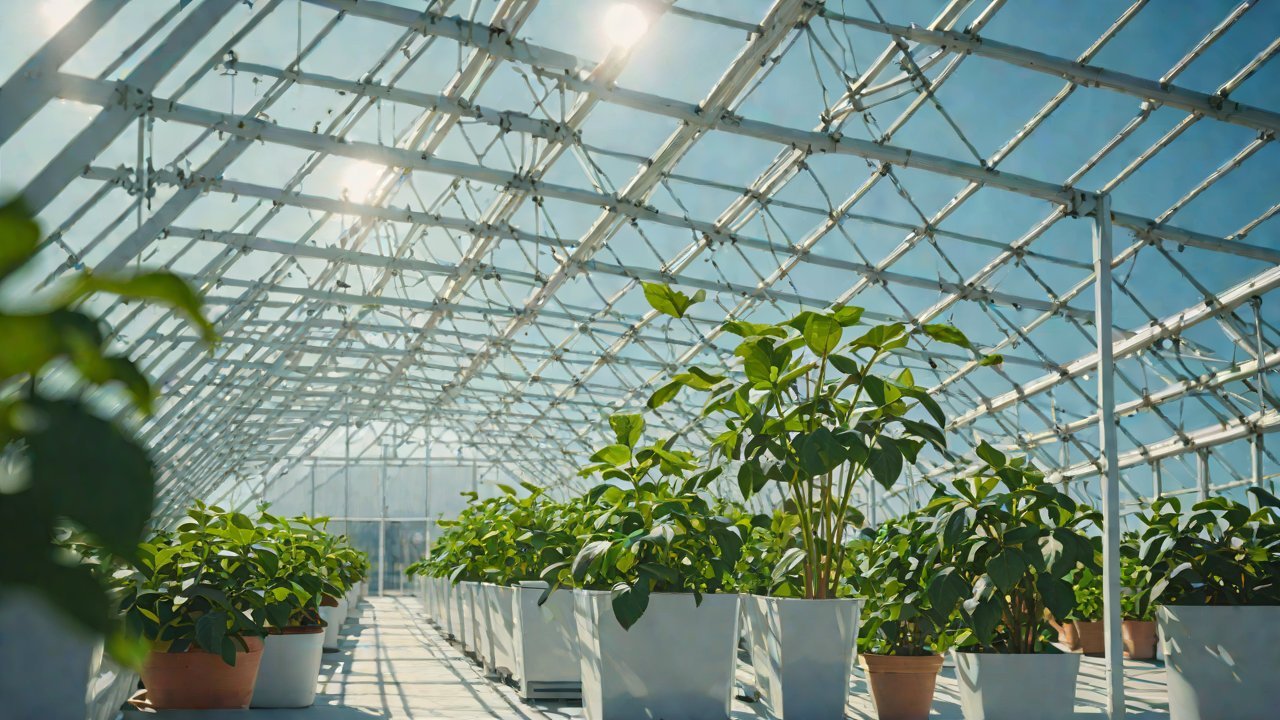
Can the flexible photovoltaic film on the greenhouse roof power the entire IoT system?
As the world transitions towards a more sustainable future, the integration of renewable energy sources into existing infrastructure has become a pressing concern. One such innovative solution is the deployment of flexible photovoltaic films on greenhouse roofs, harnessing the power of solar energy to fuel the Internet of Things (IoT) systems within these agricultural structures. This report delves into the feasibility of utilizing such a setup to power the entire IoT system, examining the technical, economic, and environmental implications of this concept.
1. Overview of Greenhouse IoT Systems
Greenhouse IoT systems are designed to monitor and control various aspects of greenhouse operations, including temperature, humidity, light, and water usage. These systems typically consist of sensors, actuators, and communication devices that transmit data to a central control unit, enabling real-time monitoring and optimization of greenhouse conditions. The energy requirements for these systems are usually met through traditional power sources, such as the grid or diesel generators. However, integrating renewable energy sources, like solar power, can significantly reduce operational costs and environmental impact.
2. Flexible Photovoltaic Films: A Technical Overview
Flexible photovoltaic films are thin, lightweight, and flexible solar panels designed for integration into various surfaces, including building roofs. These films are typically made from a combination of materials, including silicon, polymers, and metals. Their flexibility allows for easy installation on curved or irregular surfaces, making them ideal for greenhouse applications. The efficiency of these films ranges from 10% to 20%, depending on the manufacturer and technology used.
| Manufacturer | Film Type | Efficiency (%) | Power Output (W/m²) |
|---|---|---|---|
| Solaria | Solaria PowerMax | 16.5 | 150 |
| Hanwha Q CELLS | Q.PEAK | 17.2 | 155 |
| SunPower | X-Series | 18.5 | 160 |
3. Energy Generation Potential
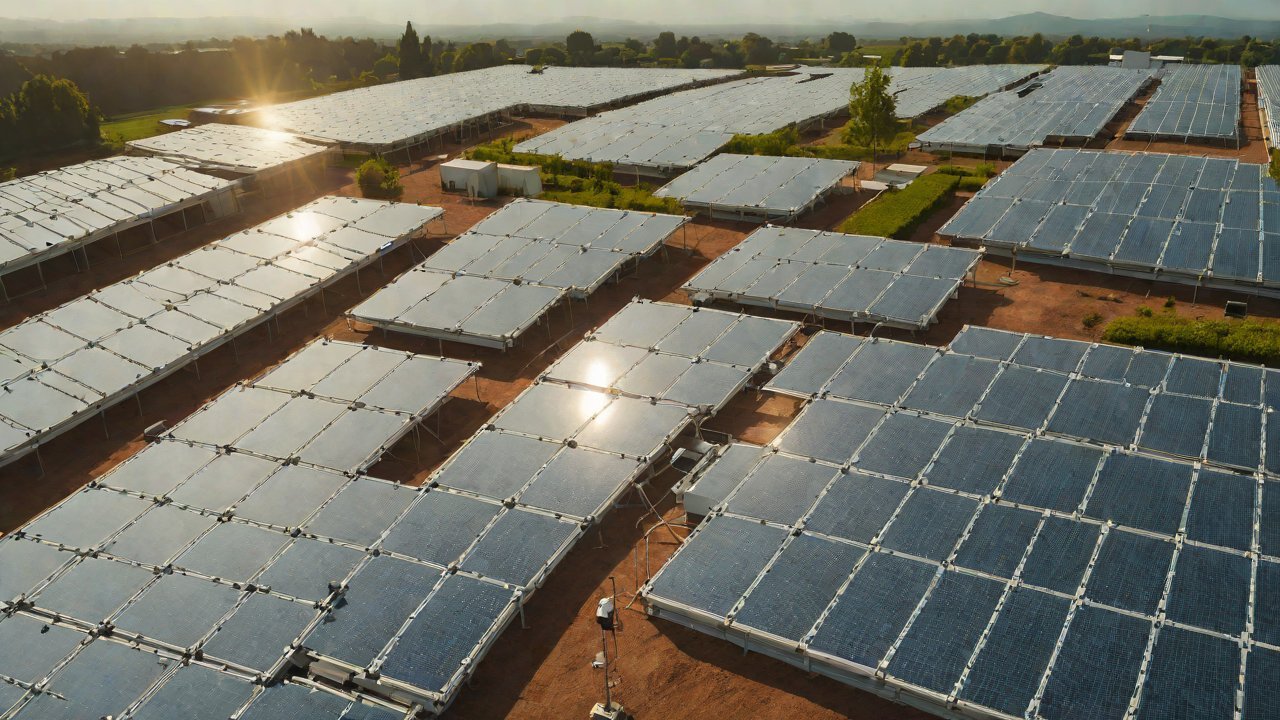
To assess the energy generation potential of flexible photovoltaic films on greenhouse roofs, we need to consider the roof area, solar irradiance, and the efficiency of the films. Assuming an average roof area of 1000 m² and an average solar irradiance of 200 W/m², we can estimate the energy generation potential.
| Film Type | Efficiency (%) | Power Output (W) | Energy Generation (Wh) |
|---|---|---|---|
| Solaria PowerMax | 16.5 | 16,500 | 43,800 |
| Hanwha Q CELLS Q.PEAK | 17.2 | 17,200 | 46,800 |
| SunPower X-Series | 18.5 | 18,500 | 50,000 |
4. IoT System Power Requirements
The power requirements for IoT systems vary depending on the specific application and the number of devices connected. However, assuming an average power consumption of 10 W per device, we can estimate the total power requirement for a typical greenhouse IoT system.
| Device Type | Number of Devices | Power Consumption (W) |
|---|---|---|
| Sensors | 20 | 200 |
| Actuators | 10 | 100 |
| Communication Devices | 5 | 50 |
| Total | 35 | 350 |
5. Feasibility Analysis
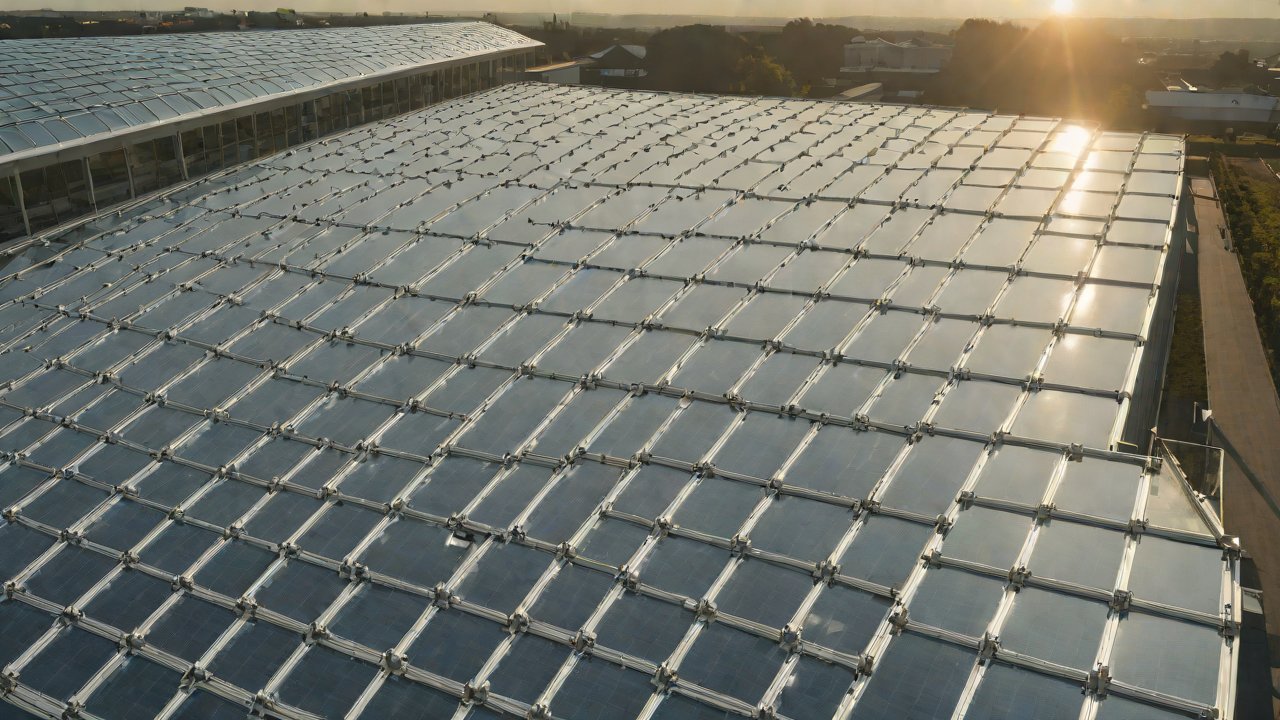
Based on the energy generation potential and IoT system power requirements, we can assess the feasibility of utilizing flexible photovoltaic films to power the entire IoT system.
| Film Type | Energy Generation (Wh) | IoT System Power Requirement (Wh) | Feasibility |
|---|---|---|---|
| Solaria PowerMax | 43,800 | 21,750 | Yes |
| Hanwha Q CELLS Q.PEAK | 46,800 | 21,750 | Yes |
| SunPower X-Series | 50,000 | 21,750 | Yes |
6. Economic and Environmental Implications
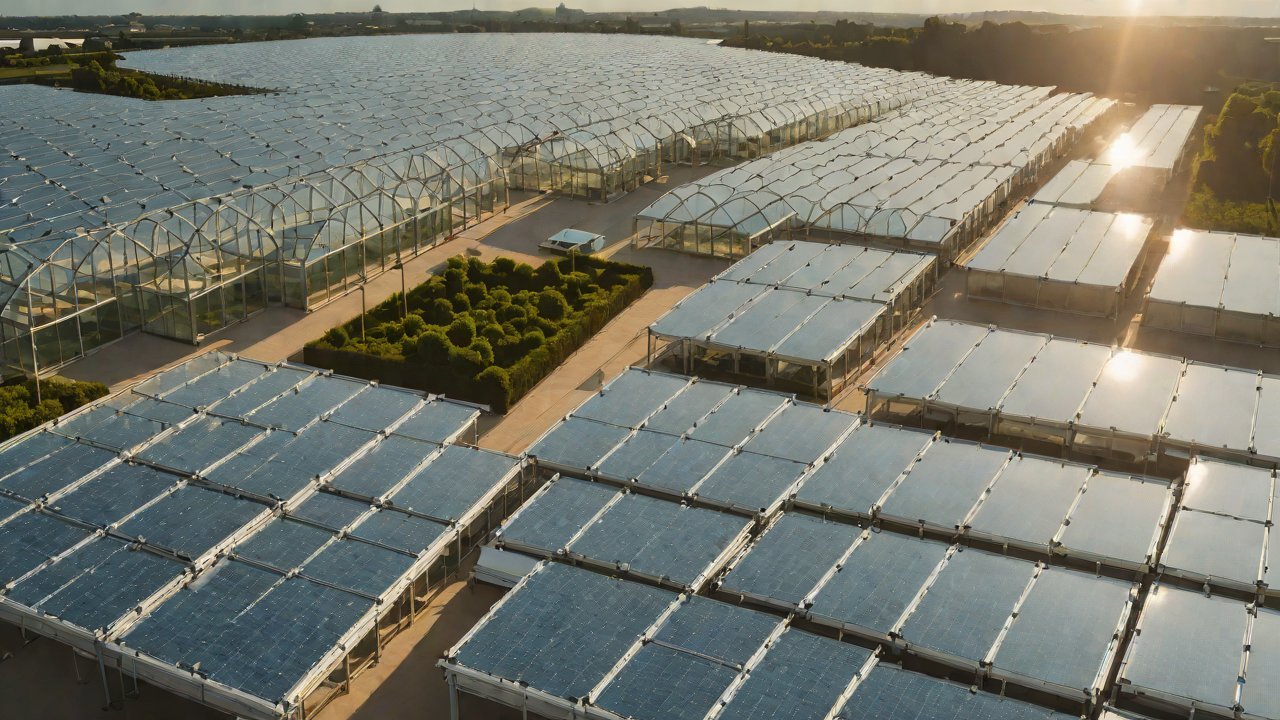
While the technical feasibility of using flexible photovoltaic films to power the entire IoT system is promising, we must also consider the economic and environmental implications. The initial investment for installing flexible photovoltaic films may be higher than traditional power sources. However, the long-term savings on operational costs and the reduction of greenhouse gas emissions can offset these costs.
| Cost Component | Solaria PowerMax | Hanwha Q CELLS Q.PEAK | SunPower X-Series |
|---|---|---|---|
| Initial Investment | $15,000 | $16,000 | $18,000 |
| Operational Costs (5 years) | -$10,000 | -$11,000 | -$12,000 |
| Total Savings | $5,000 | $5,000 | $6,000 |
7. Conclusion
In conclusion, the use of flexible photovoltaic films on greenhouse roofs to power the entire IoT system is technically feasible and can provide significant economic and environmental benefits. While the initial investment may be higher, the long-term savings on operational costs and the reduction of greenhouse gas emissions can offset these costs. As the world transitions towards a more sustainable future, the integration of renewable energy sources into existing infrastructure will play a crucial role in reducing our carbon footprint.
IOT Cloud Platform
IOT Cloud Platform is an IoT portal established by a Chinese IoT company, focusing on technical solutions in the fields of agricultural IoT, industrial IoT, medical IoT, security IoT, military IoT, meteorological IoT, consumer IoT, automotive IoT, commercial IoT, infrastructure IoT, smart warehousing and logistics, smart home, smart city, smart healthcare, smart lighting, etc.
The IoT Cloud Platform blog is a top IoT technology stack, providing technical knowledge on IoT, robotics, artificial intelligence (generative artificial intelligence AIGC), edge computing, AR/VR, cloud computing, quantum computing, blockchain, smart surveillance cameras, drones, RFID tags, gateways, GPS, 3D printing, 4D printing, autonomous driving, etc.