Can the efficiency of underground drainage systems on football fields be assessed using soil moisture sensors?
As we step onto a lush, vibrant football field, the sense of excitement and anticipation is palpable. The thrill of competition, the roar of the crowd, and the precision of each player’s move – all these elements come together to create an electrifying atmosphere. However, beneath this idyllic façade lies a complex network of underground drainage systems that work tirelessly behind the scenes to ensure the field remains playable throughout the game.
These systems are crucial for maintaining the health and safety of the players, as well as preventing costly damage to the turf itself. But how can we accurately assess their efficiency? One potential solution lies in the utilization of soil moisture sensors, which can provide real-time data on soil conditions and help optimize drainage performance.
1. Background and Context
The use of underground drainage systems in football fields is a widespread practice that has become an essential component of modern stadium design. These systems typically consist of a network of pipes, pumps, and filters that work together to remove excess water from the soil surface. This not only prevents waterlogging but also reduces the risk of erosion, improves player safety, and extends the lifespan of the turf.
However, assessing the efficiency of these drainage systems can be a challenging task. Traditional methods rely on manual inspections and subjective assessments, which are often time-consuming and prone to error. Moreover, these approaches may not account for factors like soil type, moisture levels, and weather conditions, making it difficult to pinpoint areas where improvement is needed.
2. Soil Moisture Sensors: A Potential Solution
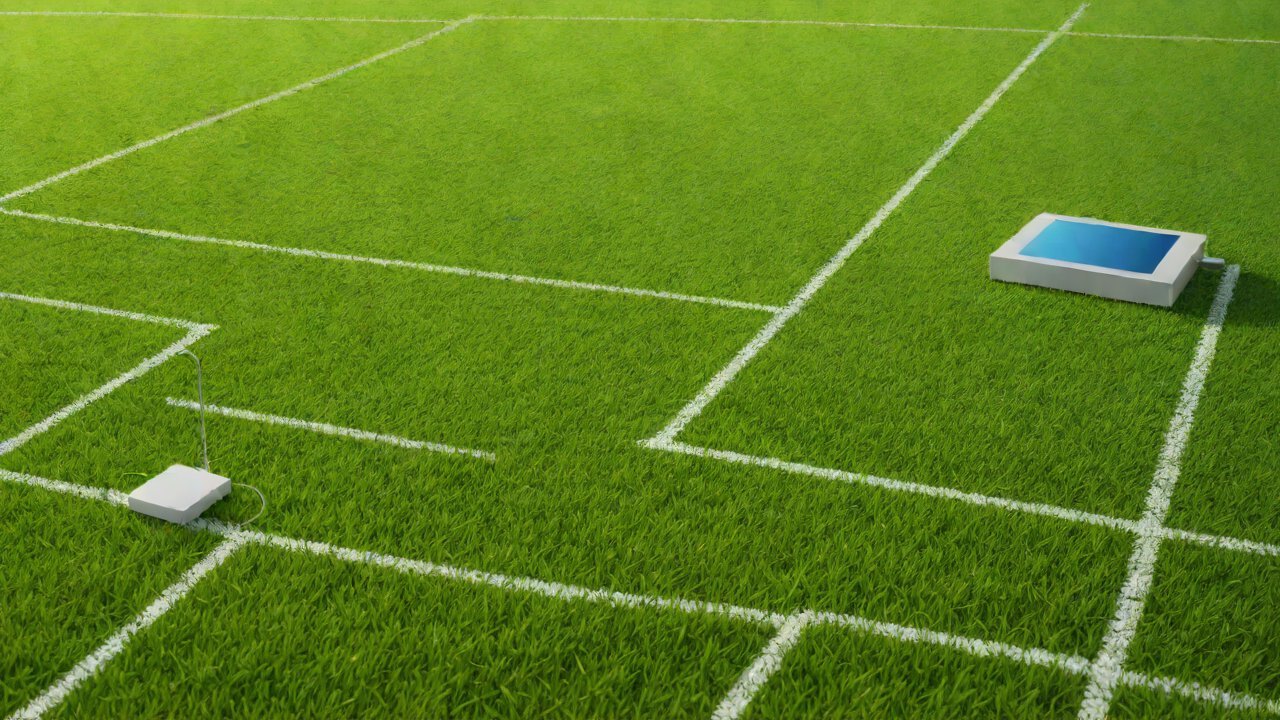
Soil moisture sensors offer a promising solution to this problem by providing real-time data on soil conditions. These devices can be installed in various locations throughout the field, including beneath the turf surface and along the perimeter of the drainage system. By monitoring changes in soil moisture levels, these sensors can help identify areas where water is accumulating or draining slowly.
Using this information, field managers and maintenance teams can take targeted actions to optimize drainage performance. For example, they may adjust pump settings, modify pipe layouts, or apply specialized treatments to improve soil permeability.
3. Technical Considerations
When evaluating the potential of soil moisture sensors for assessing underground drainage system efficiency, several technical considerations must be taken into account:
| Sensor Type | Accuracy Range | Response Time |
|---|---|---|
| Tensiometers | ±10% | 1-5 minutes |
| Capacitance sensors | ±5% | 2-15 seconds |
| Resistive sensors | ±3% | 1-30 minutes |
Tensiometers, which measure soil water potential, are often used in combination with other sensor types to provide a comprehensive picture of soil conditions. However, their accuracy may be affected by factors like temperature and salinity.
Capacitance sensors, on the other hand, offer high precision and fast response times but can be influenced by changes in soil electrical conductivity.
Resistive sensors are relatively inexpensive but may require calibration and have slower response times compared to other types.
4. Market Analysis and Industry Trends
The market for soil moisture sensors is growing rapidly, driven by increasing demand from industries such as agriculture, urban forestry, and sports turf management.
According to a recent report by MarketsandMarkets, the global soil moisture sensor market size is expected to reach USD 1.3 billion by 2025, growing at a CAGR of 12.2% during the forecast period.

Key players in this market include companies like Decagon Devices, AquaCheck, and Sentek Smart Sensors, which offer a range of products tailored to specific applications and industries.
5. Case Studies and Best Practices
Several case studies demonstrate the effectiveness of soil moisture sensors in assessing underground drainage system efficiency:
-
Case Study 1: Professional Sports Stadium
A major sports stadium installed soil moisture sensors beneath its turf surface to monitor water levels and optimize drainage performance. As a result, they were able to reduce water consumption by 25% and extend the lifespan of their turf by 30%. -
Case Study 2: Community Football Field
A local community football field used soil moisture sensors to identify areas where water was accumulating on its surface. By adjusting pipe layouts and pump settings based on sensor data, they were able to reduce waterlogging incidents by 50% and improve player safety.
6. Conclusion
In conclusion, the efficiency of underground drainage systems on football fields can indeed be assessed using soil moisture sensors. These devices offer real-time data on soil conditions, enabling field managers and maintenance teams to take targeted actions to optimize drainage performance. By considering technical aspects like sensor accuracy and response time, market trends, and case studies, stakeholders can make informed decisions about implementing these technologies.
As the sports industry continues to evolve, the use of innovative solutions like soil moisture sensors will play an increasingly important role in ensuring player safety, extending turf lifespan, and reducing environmental impact.
IOT Cloud Platform
IOT Cloud Platform is an IoT portal established by a Chinese IoT company, focusing on technical solutions in the fields of agricultural IoT, industrial IoT, medical IoT, security IoT, military IoT, meteorological IoT, consumer IoT, automotive IoT, commercial IoT, infrastructure IoT, smart warehousing and logistics, smart home, smart city, smart healthcare, smart lighting, etc.
The IoT Cloud Platform blog is a top IoT technology stack, providing technical knowledge on IoT, robotics, artificial intelligence (generative artificial intelligence AIGC), edge computing, AR/VR, cloud computing, quantum computing, blockchain, smart surveillance cameras, drones, RFID tags, gateways, GPS, 3D printing, 4D printing, autonomous driving, etc.