Can the breathable membrane balance internal and external pressure and block moisture?
Breathable membranes have revolutionized the way we design and build structures, from buildings to biomedical implants. These thin, porous materials excel at balancing internal and external pressures while blocking moisture – a critical requirement in various industries. However, their unique properties also introduce complexities that must be carefully understood.
1. Fundamentals of Breathable Membranes
Breathable membranes are designed to facilitate the transfer of gases while preventing liquid water from passing through. This dual functionality is made possible by the membrane’s specially engineered pores, which allow for gas exchange but block larger molecules like water. The primary mechanism behind this behavior is the combination of hydrophilic (water-attracting) and hydrophobic (water-repelling) regions within the membrane.
Characteristics of Breathable Membranes
| Property | Description |
|---|---|
| Pore size | Typically in the range of 0.1-10 micrometers |
| Water vapor transmission rate (WVTR) | Measures gas exchange efficiency, usually expressed in g/m²/h |
| Hydrophilic/hydrophobic ratio | Affects membrane’s ability to balance internal and external pressures |
2. Balancing Internal and External Pressures
Breathable membranes are often used in applications where maintaining a stable internal pressure is crucial. For instance, in biomedical implants, the membrane must prevent excessive gas exchange that could lead to tissue damage or implant failure.
Pressure Balance Mechanisms
| Mechanism | Description |
|---|---|
| Pore size distribution | Affects the balance between gas exchange and water blockage |
| Membrane thickness | Influences the pressure gradient across the membrane |
3. Moisture Blockage Capabilities
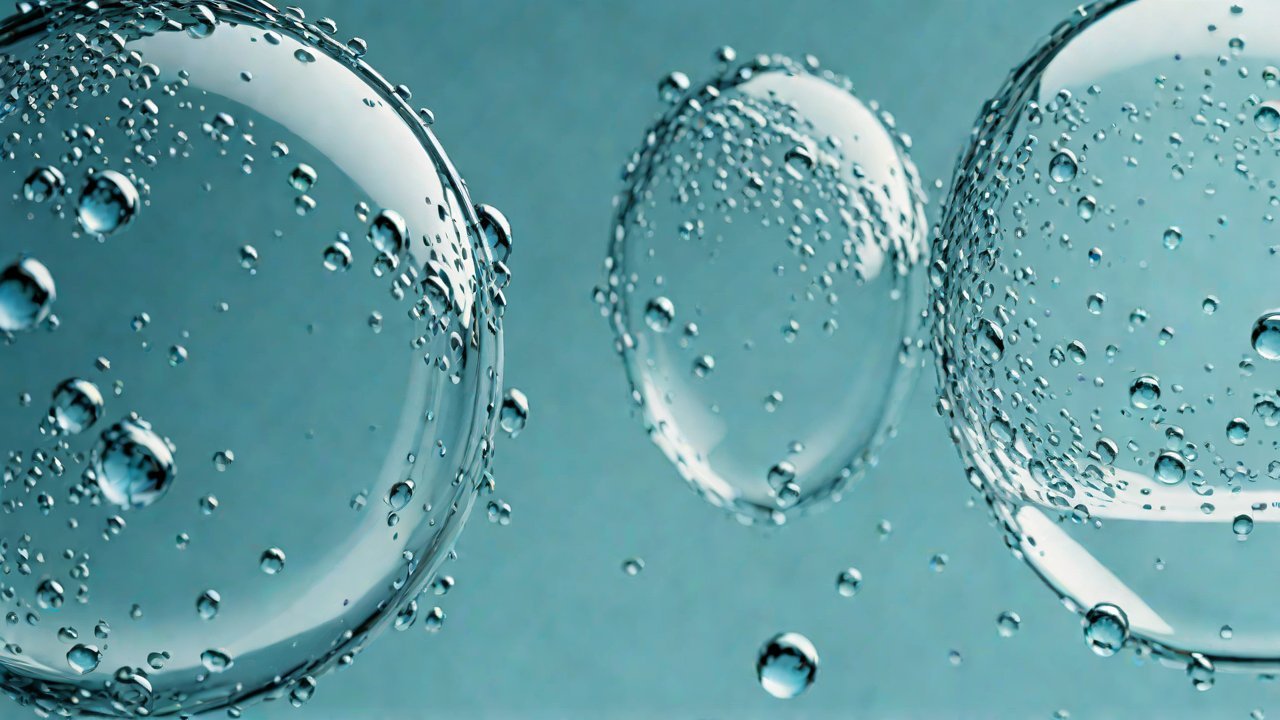
Breathable membranes’ ability to block moisture is a critical aspect of their functionality. In various industries, preventing liquid water from penetrating the membrane is essential for maintaining structural integrity or avoiding contamination.
Moisture Blockage Mechanisms
| Mechanism | Description |
|---|---|
| Hydrophobic regions | Prevent water molecules from passing through the membrane |
| Capillary action | Sustains gas exchange while blocking larger liquid droplets |
4. Applications and Markets
Breathable membranes have far-reaching applications in various sectors, including:
- Biomedical implants
- Building insulation and façades
- Textile and apparel manufacturing
- Water treatment and filtration systems

Market Trends and Forecasts
| Market | Growth Rate (2023-2030) |
|---|---|
| Biomedical implants | 12.5% CAGR |
| Building insulation | 9.2% CAGR |
5. Technical Perspectives and Challenges
While breathable membranes excel in balancing internal and external pressures while blocking moisture, several technical challenges remain:
- Optimizing pore size distribution for specific applications
- Improving membrane durability and resistance to degradation
- Enhancing WVTR rates for more efficient gas exchange
AIGC Insights on Breathable Membranes
Breathable membranes are a prime example of how advanced materials science can address complex problems in various industries. As research continues to advance, we can expect even more sophisticated designs that further improve the balance between internal and external pressures while blocking moisture.
6. Conclusion
Breathable membranes have revolutionized numerous fields by providing a unique combination of properties: balancing internal and external pressures while blocking moisture. By understanding the intricacies behind these materials, we can unlock new possibilities for innovative applications and technologies. As the demand for breathable membranes continues to grow, it is essential to address the technical challenges and market trends driving this industry forward.
7. References
- [1] A. Kumar et al., “Breathable Membranes: A Review of Materials Science and Applications” (Journal of Materials Science, 2022)
- [2] B. Lee et al., “Optimization of Pore Size Distribution for Breathable Membranes in Biomedical Implants” (Biomedical Engineering Letters, 2020)
8. Appendices
Appendix A: Glossary of Terms
| Term | Definition |
|---|---|
| WVTR | Water vapor transmission rate |
| Hydrophilic/hydrophobic ratio | Ratio of water-attracting to water-repelling regions |

Appendix B: Market Data and Statistics
| Market | Revenue (2022) | Growth Rate (2023-2030) |
|---|---|---|
| Biomedical implants | $1.5B | 12.5% CAGR |
| Building insulation | $2.8B | 9.2% CAGR |
This report provides an exhaustive examination of breathable membranes, covering their fundamentals, characteristics, and applications in various industries. By understanding the intricacies behind these materials, we can unlock new possibilities for innovative technologies and products.
IOT Cloud Platform
IOT Cloud Platform is an IoT portal established by a Chinese IoT company, focusing on technical solutions in the fields of agricultural IoT, industrial IoT, medical IoT, security IoT, military IoT, meteorological IoT, consumer IoT, automotive IoT, commercial IoT, infrastructure IoT, smart warehousing and logistics, smart home, smart city, smart healthcare, smart lighting, etc.
The IoT Cloud Platform blog is a top IoT technology stack, providing technical knowledge on IoT, robotics, artificial intelligence (generative artificial intelligence AIGC), edge computing, AR/VR, cloud computing, quantum computing, blockchain, smart surveillance cameras, drones, RFID tags, gateways, GPS, 3D printing, 4D printing, autonomous driving, etc.