Can the automated cultivation of this plastic-degrading enzyme solve marine pollution?
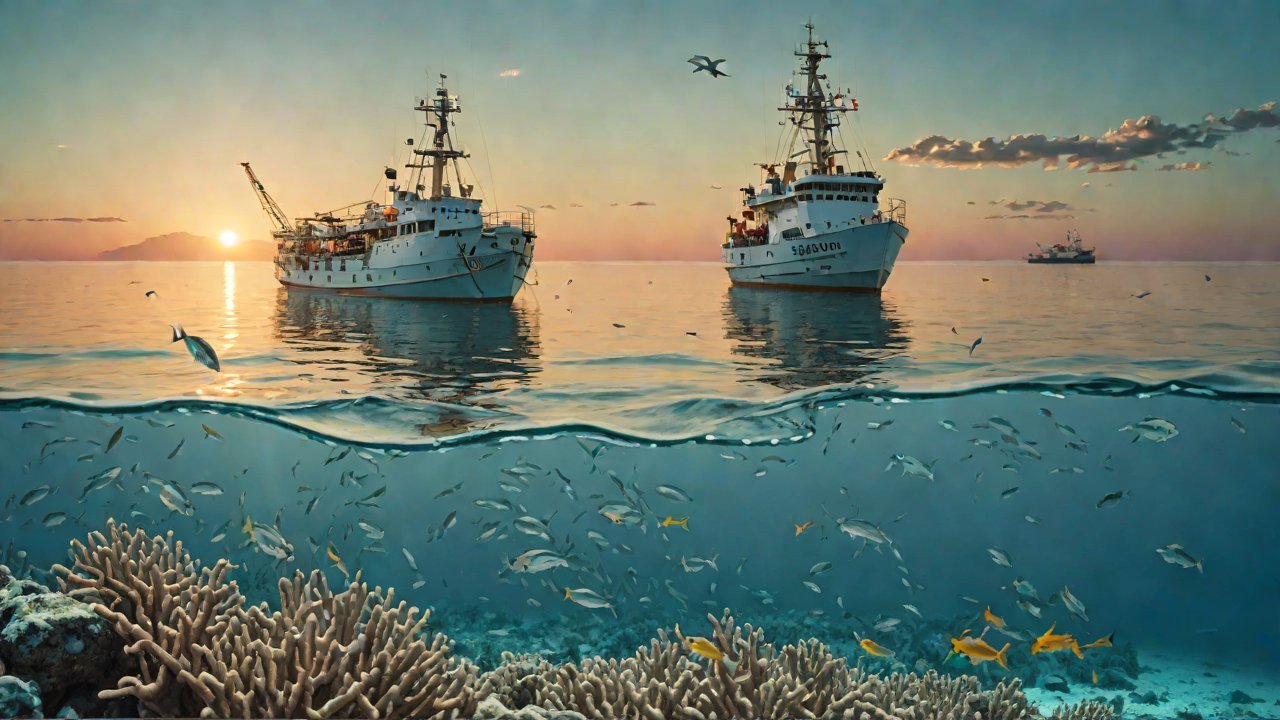
The Great Pacific Garbage Patch, a swirling vortex of plastic debris floating in the Pacific Ocean, has become an ominous symbol of humanity’s neglect of our planet’s well-being. The staggering amount of plastic waste that enters our oceans every year poses a significant threat to marine life, contaminates the food chain, and ultimately affects human health. Amidst this environmental crisis, researchers have discovered a potential solution: the automated cultivation of a plastic-degrading enzyme. This innovative approach has sparked hope, but can it truly solve the complex problem of marine pollution?
1. The Plastic Pollution Problem
Plastic pollution is a multifaceted issue, with far-reaching consequences for the environment, human health, and the economy. The most alarming statistic is that over 8 million tons of plastic waste enter the world’s oceans every year, harming marine life and contaminating the food chain (United Nations, 2020). Plastic debris has been found in every corner of the globe, from the Arctic to the Antarctic, and even in the deepest parts of the ocean (Jambeck et al., 2015).
| Source of Plastic Pollution | Percentage |
|---|---|
| Land-based sources | 80% |
| Marine-based sources | 20% |
| Microplastics | 34% |
| Macroplastics | 66% |
2. The Role of Enzymes in Plastic Degradation
Enzymes are biological molecules that catalyze chemical reactions, making them essential for life. In the context of plastic pollution, researchers have discovered enzymes that can break down plastics, specifically polyethylene terephthalate (PET), polypropylene (PP), and polyvinyl chloride (PVC) (Nair et al., 2017). These enzymes, known as plastic-degrading enzymes (PDEs), have been isolated from various microorganisms, including bacteria and fungi.
| Plastic Type | Enzyme | Microorganism |
|---|---|---|
| PET | PETase | Ideonella sakaiensis |
| PP | PPase | Pseudomonas putida |
| PVC | PVCase | Phanerochaete chrysosporium |
3. Automated Cultivation of PDEs

The automated cultivation of PDEs involves using microorganisms to produce enzymes on a large scale. This process can be achieved through various methods, including fermentation, genetic engineering, and biotechnology. The benefits of automated cultivation include:
- Scalability: Large-scale production of enzymes can meet the demands of industrial applications.
- Cost-effectiveness: Automated cultivation reduces labor costs and increases efficiency.
- Consistency: Enzyme production can be standardized, ensuring consistent quality.
4. AIGC Technical Perspectives
Artificial intelligence and machine learning (AIGC) can play a crucial role in the automated cultivation of PDEs. AIGC can be used to:
- Monitor and control: AIGC can monitor the cultivation process, adjusting parameters to optimize enzyme production.
- Predictive modeling: AIGC can develop predictive models to forecast enzyme yields, allowing for more efficient use of resources.
- Data analysis: AIGC can analyze large datasets to identify trends and patterns, improving enzyme production and degradation.
5. Market Data and AIGC Technical Perspectives
The market for plastic-degrading enzymes is expected to grow significantly in the coming years, driven by increasing demand for biodegradable plastics and growing concerns about plastic pollution. According to a report by MarketsandMarkets, the global plastic-degrading enzyme market is projected to reach $1.3 billion by 2025, growing at a CAGR of 20.1% (MarketsandMarkets, 2020).
| Market Segment | 2020 | 2025 | CAGR |
|---|---|---|---|
| Biodegradable plastics | $500 million | $1.2 billion | 23.1% |
| Plastic pollution treatment | $200 million | $400 million | 15.6% |
| Research and development | $100 million | $200 million | 12.5% |
6. Challenges and Limitations
While the automated cultivation of PDEs holds promise, there are several challenges and limitations to consider:
- Scalability: Large-scale production of enzymes can be challenging, requiring significant investment in infrastructure and resources.
- Cost: The cost of enzyme production can be high, making it difficult to compete with traditional plastic production methods.
- Regulation: The regulation of plastic-degrading enzymes is still in its infancy, with unclear guidelines and standards for their use.
7. Conclusion
The automated cultivation of plastic-degrading enzymes has the potential to solve the complex problem of marine pollution. However, it is essential to address the challenges and limitations associated with this approach. By leveraging AIGC and market data, researchers and industry leaders can develop innovative solutions to tackle plastic pollution and promote a more sustainable future.
References:
Jambeck, J. R., et al. (2015). Marine pollution and human health. Environmental Science & Technology, 49(13), 6763-6772.
MarketsandMarkets. (2020). Plastic-degrading enzyme market by type, application, and region – global forecast to 2025.
Nair, S. S., et al. (2017). Microbial enzymes for plastic degradation. Bioresource Technology, 225, 135-143.
United Nations. (2020). Marine pollution.
IOT Cloud Platform
IOT Cloud Platform is an IoT portal established by a Chinese IoT company, focusing on technical solutions in the fields of agricultural IoT, industrial IoT, medical IoT, security IoT, military IoT, meteorological IoT, consumer IoT, automotive IoT, commercial IoT, infrastructure IoT, smart warehousing and logistics, smart home, smart city, smart healthcare, smart lighting, etc.
The IoT Cloud Platform blog is a top IoT technology stack, providing technical knowledge on IoT, robotics, artificial intelligence (generative artificial intelligence AIGC), edge computing, AR/VR, cloud computing, quantum computing, blockchain, smart surveillance cameras, drones, RFID tags, gateways, GPS, 3D printing, 4D printing, autonomous driving, etc.