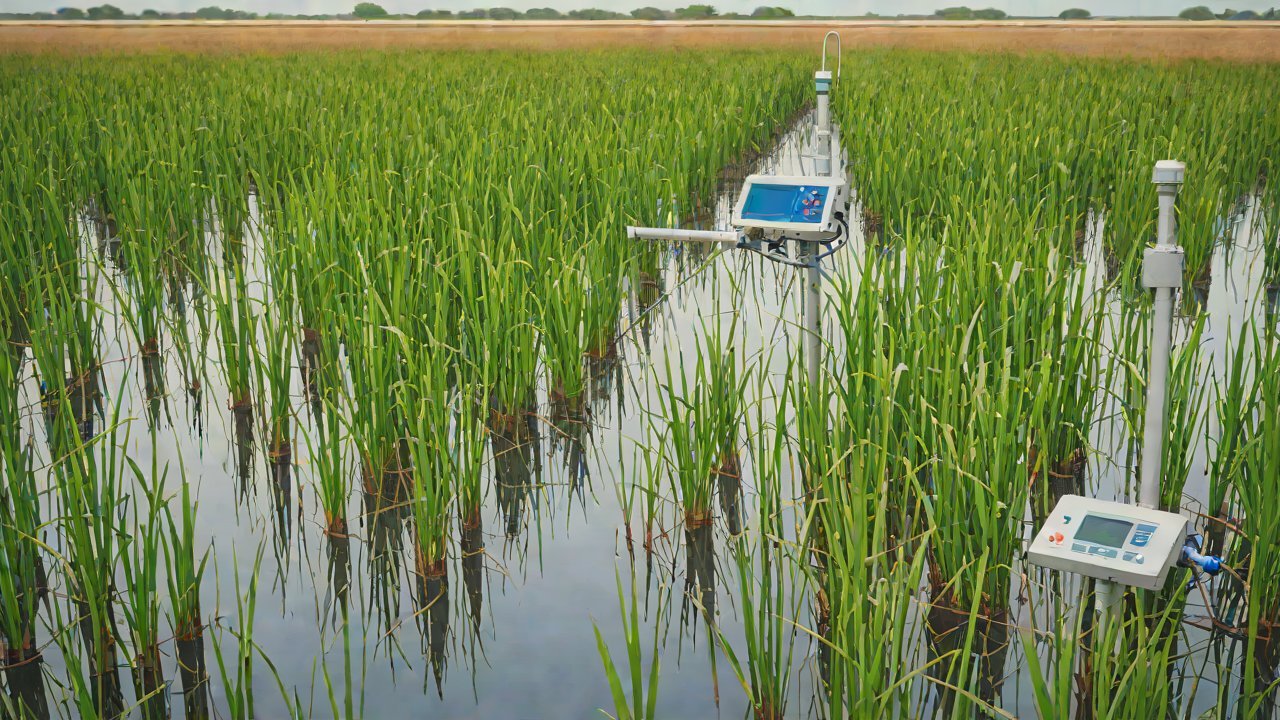
Can soil moisture monitoring reflect the effectiveness of salt removal during saline-alkali land improvement?
Soil moisture monitoring has emerged as a crucial component in the assessment and management of saline-alkali lands, which are characterized by high salt concentrations and alkaline pH levels. These conditions can severely limit agricultural productivity and pose significant environmental concerns due to soil degradation and water pollution. The effectiveness of salt removal during saline-alkali land improvement is often evaluated through various methods, including chemical analysis, electrical conductivity measurements, and visual assessments. However, these approaches have limitations in terms of accuracy, cost, and timeliness.
One promising approach for evaluating the effectiveness of salt removal involves monitoring soil moisture levels using advanced technologies such as electromagnetic sensors, capacitance probes, or time-domain reflectometry (TDR) systems. These instruments can provide real-time measurements of soil water content, which is closely related to salt concentrations in saline-alkali soils. By tracking changes in soil moisture over time, it may be possible to infer the degree of salt removal and assess the overall success of land improvement efforts.
1. Background on Saline-Alkali Lands
Saline-alkali lands are widespread globally, with significant areas found in Asia, Europe, Africa, and North America. These soils are typically characterized by high concentrations of sodium chloride (NaCl) and other salts, which can lead to soil structural degradation, reduced fertility, and increased erosion susceptibility. In addition, the alkaline pH levels of these soils can result in nutrient deficiencies, reduced microbial activity, and decreased water infiltration.
The primary cause of saline-alkali land formation is often attributed to geological processes, such as salt deposits, mineralization, or sea-level fluctuations. However, human activities like irrigation, fertilization, and tillage practices have also contributed significantly to the development and exacerbation of these conditions. As a result, saline-alkali lands pose significant challenges for agricultural production, water management, and environmental conservation.
| Region | Area (ha) | Salt Concentration (%) | pH Level |
|---|---|---|---|
| China | 15 million | 4-6 | 8.5-9.5 |
| India | 10 million | 3-5 | 8-9 |
| Australia | 2 million | 2-4 | 7.5-8.5 |
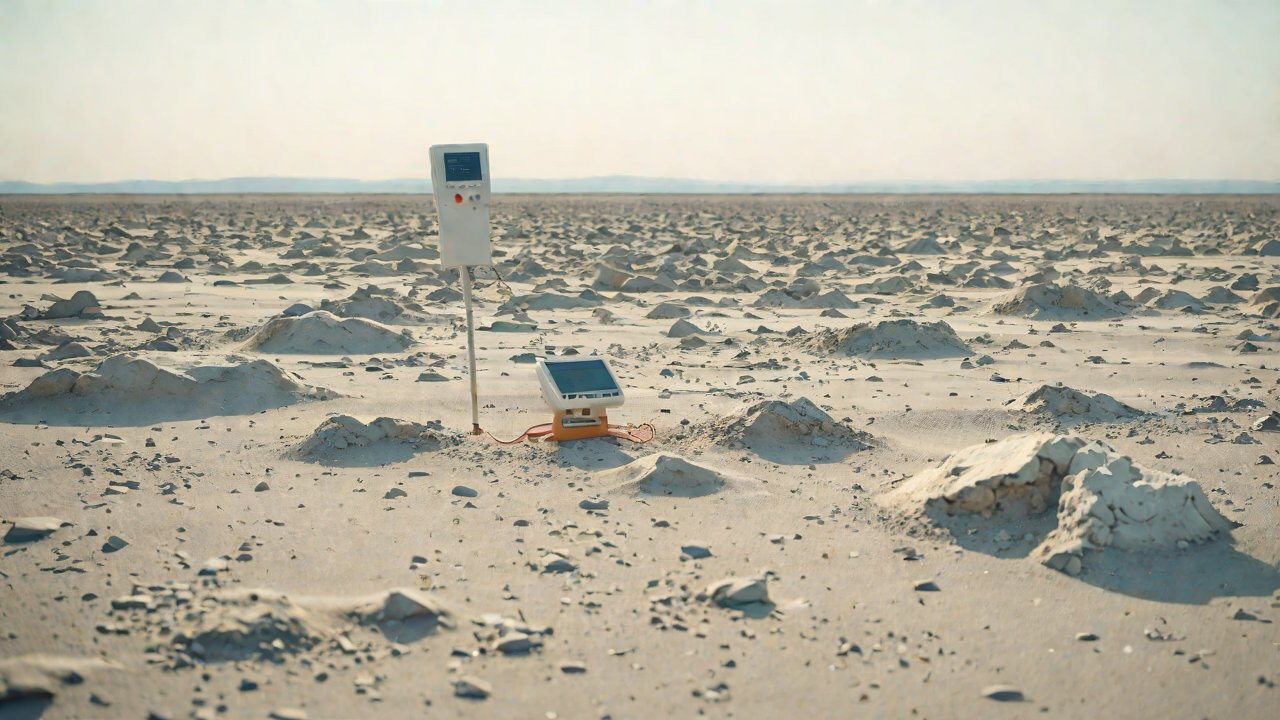
2. Salt Removal Methods and Their Challenges
Various methods have been employed to remove salt from saline-alkali soils, including leaching, flushing, and chemical treatments. Leaching involves applying large amounts of water to the soil to dissolve and transport salts downward, while flushing typically involves using a combination of water and chemicals to enhance salt removal.
Chemical treatments often involve applying amendments like gypsum, sulfur, or lime to neutralize alkalinity, reduce salt concentrations, and improve soil structure. However, these methods can be costly, time-consuming, and may have unintended consequences on soil microbiota, nutrient availability, or environmental pollution.
| Method | Advantages | Disadvantages |
|---|---|---|
| Leaching | Effective for shallow salt profiles | High water requirements, potential for over-leaching |
| Flushing | Rapid salt removal, improved soil structure | Energy-intensive, high chemical costs |
| Chemical treatments | Cost-effective, rapid results | Potential environmental impacts, nutrient imbalances |
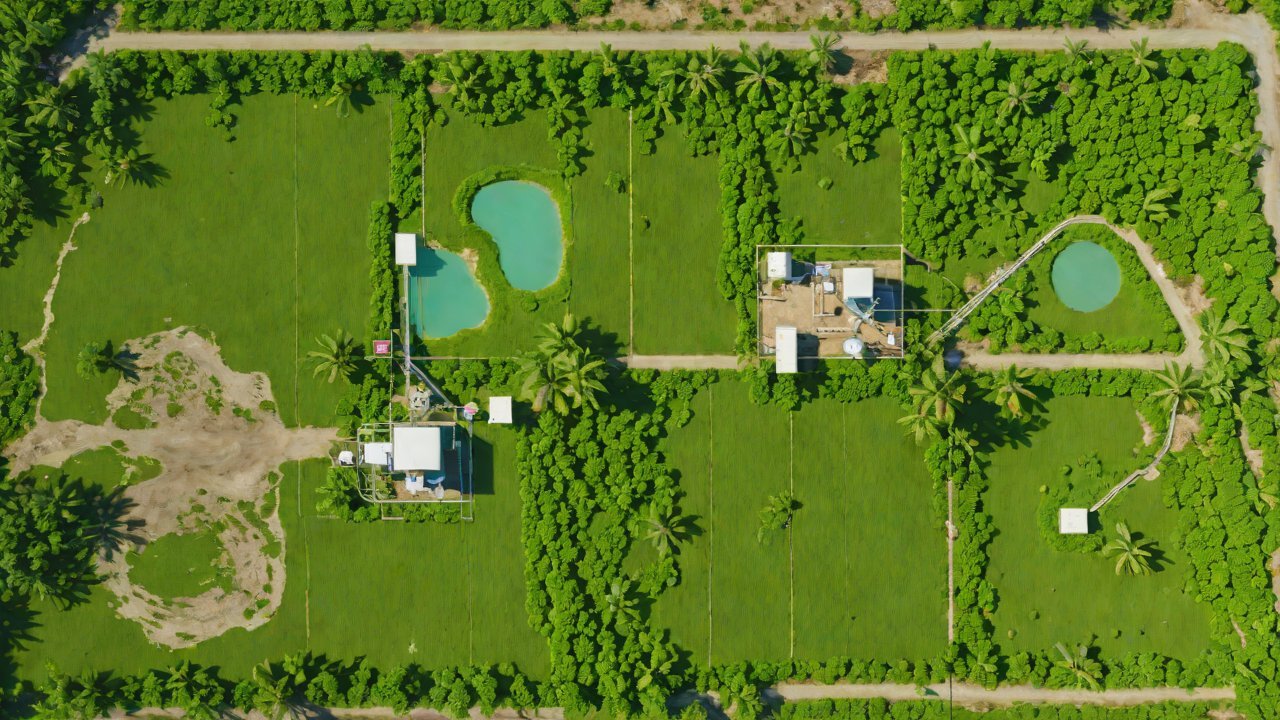
3. Soil Moisture Monitoring as an Indicator of Salt Removal
Soil moisture monitoring can provide valuable insights into the effectiveness of salt removal efforts by tracking changes in water content and its relationship with salt concentrations. Advanced sensors and technologies can measure soil moisture levels at various depths, allowing for real-time monitoring and early detection of any issues.
By correlating soil moisture data with chemical analysis or other measurements, it may be possible to infer the degree of salt removal and assess the overall success of land improvement efforts. This approach has several advantages over traditional methods:
- Real-time monitoring enables timely interventions and adjustments
- Non-invasive sensors reduce costs and minimize disruption to agricultural activities
- Soil moisture data provides a more comprehensive understanding of soil health and salt dynamics
| Sensor Technology | Measurement Range | Accuracy |
|---|---|---|
| Electromagnetic (EM) | 0-100% VWC | ±5% |
| Capacitance Probe | 0-50% VWC | ±3% |
| Time-Domain Reflectometry (TDR) | 0-40% VWC | ±2% |
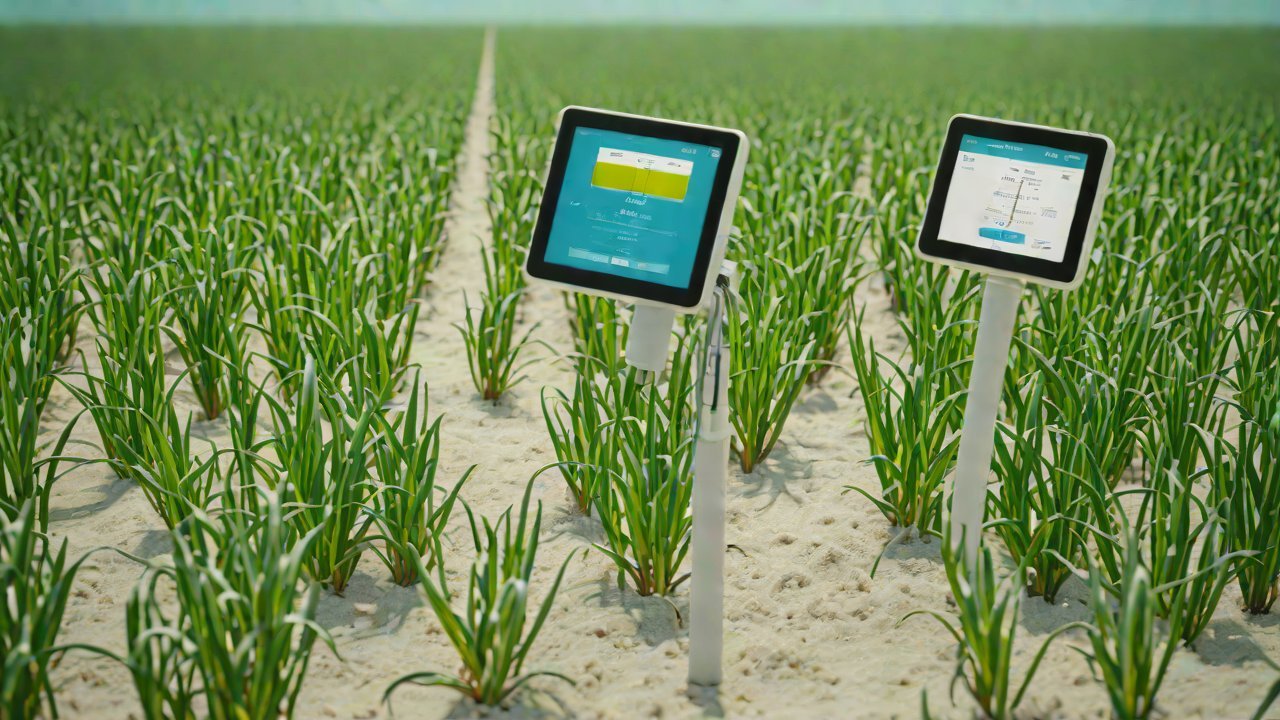
4. Case Studies and Future Directions
Several case studies have demonstrated the effectiveness of soil moisture monitoring in evaluating salt removal during saline-alkali land improvement. For example, a study conducted in China’s Inner Mongolia region used EM sensors to monitor soil moisture levels before and after leaching treatments. The results showed significant reductions in salt concentrations and improved soil fertility.
Future research should focus on:
- Integrating soil moisture data with other measurements (e.g., chemical analysis, electrical conductivity) for more comprehensive assessments
- Developing more accurate and cost-effective sensor technologies for widespread adoption
- Investigating the long-term effects of saline-alkali land improvement efforts using soil moisture monitoring as a key indicator
By leveraging advanced technologies like soil moisture monitoring, we can enhance our understanding of salt dynamics in saline-alkali soils and improve the effectiveness of land improvement efforts. This approach has significant implications for agricultural productivity, environmental conservation, and sustainable resource management.
IOT Cloud Platform
IOT Cloud Platform is an IoT portal established by a Chinese IoT company, focusing on technical solutions in the fields of agricultural IoT, industrial IoT, medical IoT, security IoT, military IoT, meteorological IoT, consumer IoT, automotive IoT, commercial IoT, infrastructure IoT, smart warehousing and logistics, smart home, smart city, smart healthcare, smart lighting, etc.
The IoT Cloud Platform blog is a top IoT technology stack, providing technical knowledge on IoT, robotics, artificial intelligence (generative artificial intelligence AIGC), edge computing, AR/VR, cloud computing, quantum computing, blockchain, smart surveillance cameras, drones, RFID tags, gateways, GPS, 3D printing, 4D printing, autonomous driving, etc.



