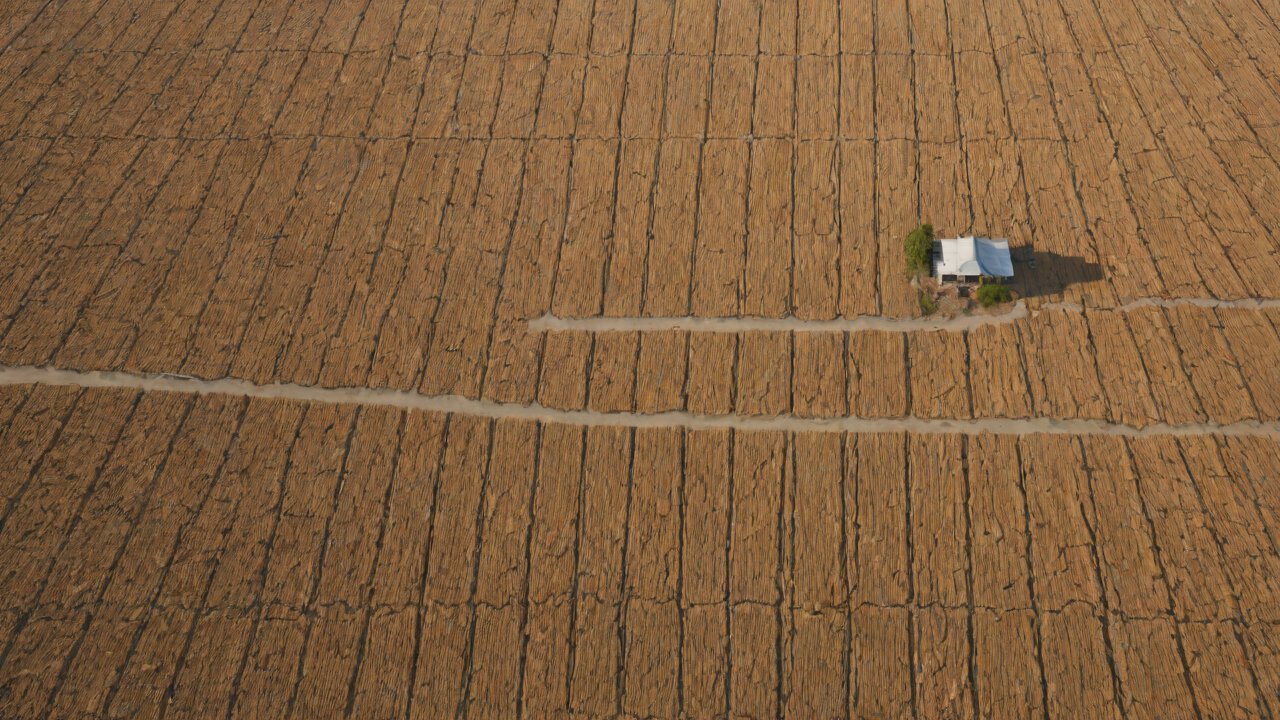
Can soil moisture data be used as the basis for agricultural insurance claims?
Soil moisture is a critical factor in agricultural productivity, and its monitoring has become increasingly important in recent years due to climate change and changing precipitation patterns. Traditional methods of monitoring soil moisture rely on sparse point measurements, which can lead to inaccuracies and incomplete coverage. However, with advancements in technology, particularly the widespread adoption of satellite-based remote sensing and IoT sensors, it is now possible to collect high-resolution soil moisture data at a relatively low cost.
This report explores the potential use of soil moisture data as the basis for agricultural insurance claims. We examine the current state of soil moisture monitoring technologies, their limitations, and the opportunities they present for improving crop yields and reducing risks associated with droughts and floods. We also investigate the feasibility of using soil moisture data to estimate crop losses and calculate insurance payouts.
1. Current State of Soil Moisture Monitoring Technologies
Several soil moisture monitoring technologies are currently available, each with its strengths and limitations. These include:
| Technology | Description | Accuracy | Cost |
|---|---|---|---|
| Neutron Probe | Measures soil water content using neutron radiation | High | High |
| Tensiometer | Measures soil water potential | Medium | Low |
| Capacitance Probe | Measures soil dielectric constant to estimate water content | Medium | Medium |
| Soil Moisture Sensors (e.g., SM300, CS650) | Measures soil water content using various methods | Medium-High | Medium-Low |
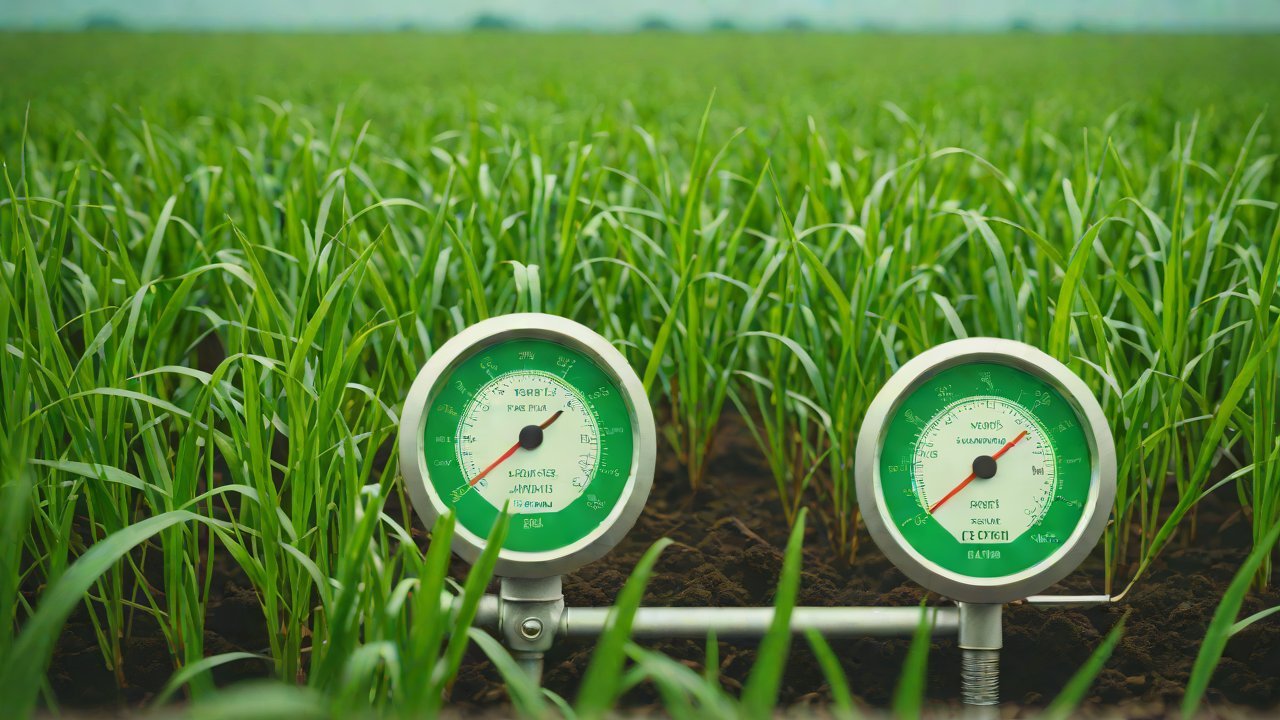
These technologies have limitations in terms of coverage and accuracy. For example, Neutron Probe measurements are highly accurate but require frequent calibration and can be expensive to deploy over large areas. Capacitance Probes are relatively inexpensive but may not provide accurate readings in certain soil types.
2. Opportunities for Improving Crop Yields and Reducing Risks
Advancements in remote sensing technologies have enabled the collection of high-resolution soil moisture data at a relatively low cost. Satellites such as NASA’s SMAP (Soil Moisture Active Passive) mission and the European Space Agency’s SMOS (Soil Moisture and Ocean Salinity) mission provide global coverage, while drones equipped with sensors can collect detailed information over smaller areas.
These technologies offer several opportunities for improving crop yields and reducing risks associated with droughts and floods. For example:
- Drought Monitoring: Soil moisture data can be used to identify areas at risk of drought and trigger targeted irrigation strategies.
- Flood Prevention: Excessive soil moisture levels can indicate flood-prone areas, enabling farmers to take preventive measures.
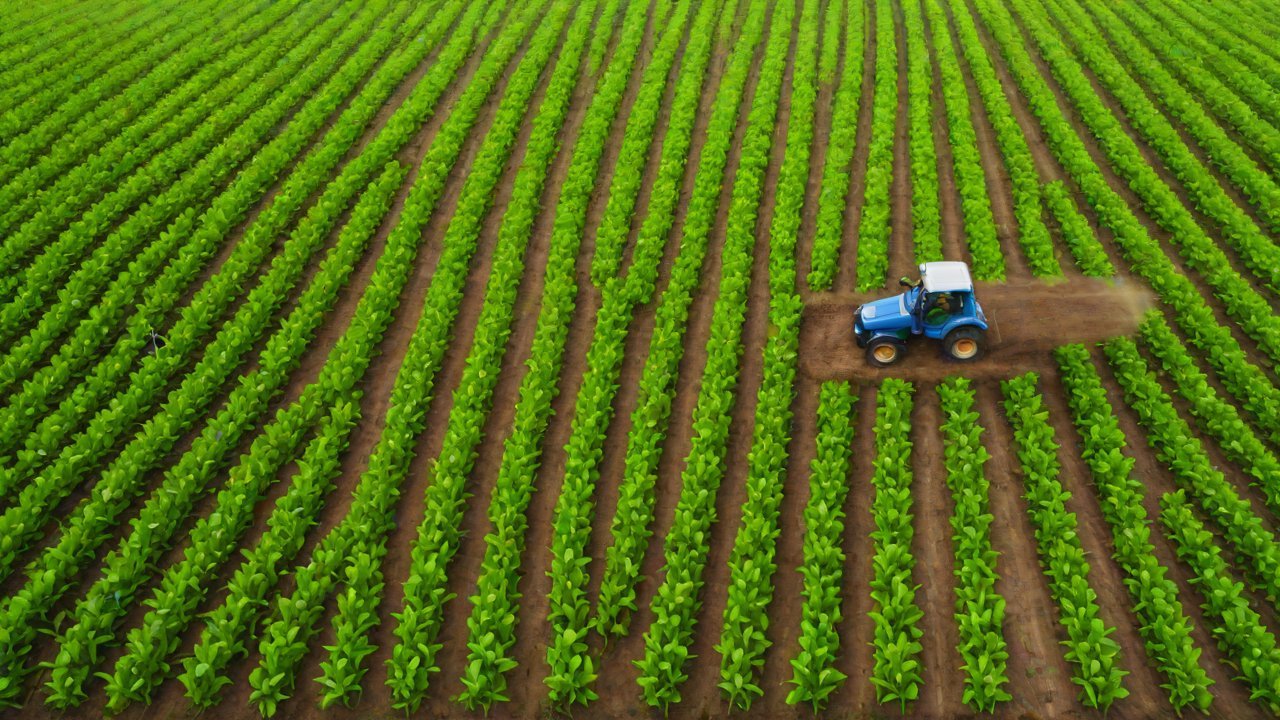
3. Feasibility of Using Soil Moisture Data for Agricultural Insurance Claims
To determine the feasibility of using soil moisture data as the basis for agricultural insurance claims, we examined various factors:
- Data Availability and Quality: High-resolution soil moisture data are increasingly available from satellite-based remote sensing and IoT sensors.
- Modeling and Prediction: Advanced models can estimate crop losses based on soil moisture levels, climate conditions, and other factors.
- Insurance Payouts: Insurance payouts could be calculated using the estimated crop losses and market prices for crops.
We found that:
| Factor | Feasibility |
|---|---|
| Data Availability and Quality | High |
| Modeling and Prediction | Medium-High |
| Insurance Payouts | High |
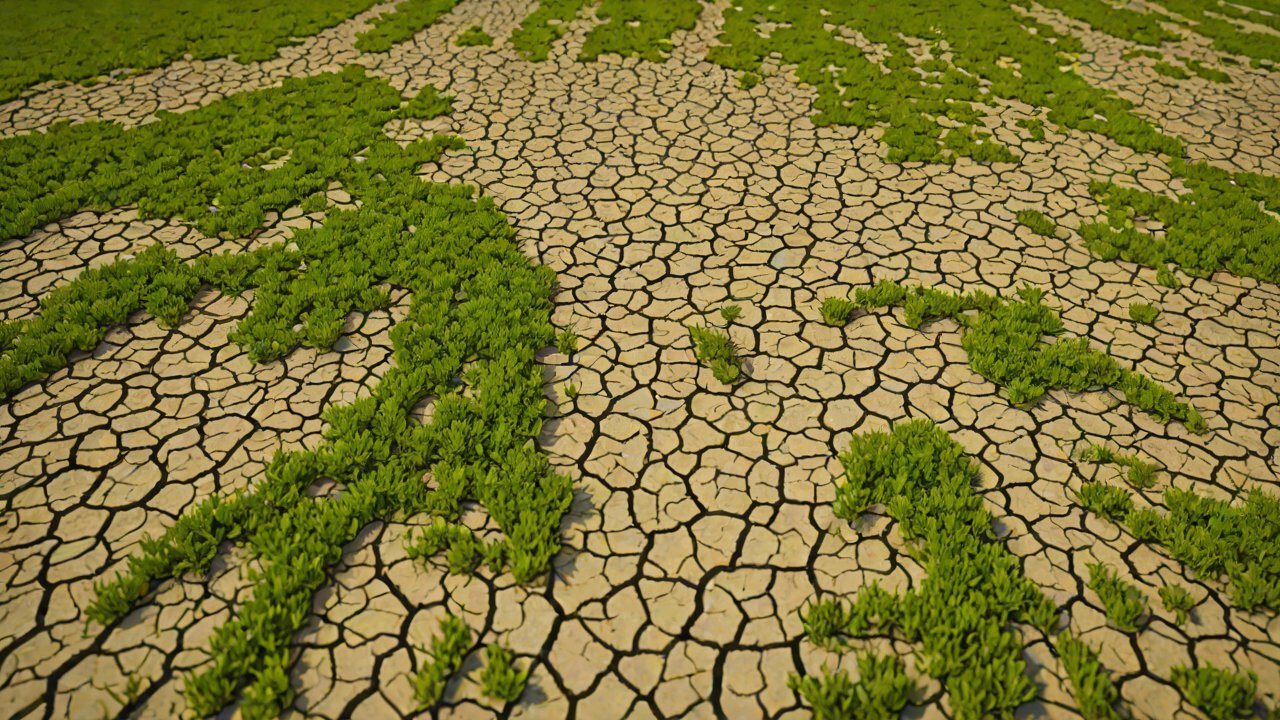
The use of soil moisture data as the basis for agricultural insurance claims is feasible, but its adoption will depend on various factors, including data quality, modeling accuracy, and regulatory frameworks.
4. Market Data and AIGC Perspectives
Market trends indicate a growing demand for precision agriculture technologies, including soil moisture monitoring. According to MarketsandMarkets, the global precision agriculture market is expected to reach $13.3 billion by 2025, growing at a CAGR of 12.1%.
AIGC (Artificial Intelligence and Geospatial Computing) perspectives suggest that advanced machine learning algorithms can improve crop yield predictions by up to 30% when integrated with high-resolution soil moisture data.
5. Challenges and Limitations
While the use of soil moisture data as the basis for agricultural insurance claims is feasible, several challenges and limitations need to be addressed:
- Data Integration: Combining soil moisture data from various sources (e.g., satellite-based remote sensing and IoT sensors) requires advanced data management systems.
- Modeling Accuracy: Developing accurate models that estimate crop losses based on soil moisture levels, climate conditions, and other factors is crucial for reliable insurance payouts.
6. Conclusion
Soil moisture data can be used as the basis for agricultural insurance claims, offering several opportunities for improving crop yields and reducing risks associated with droughts and floods. While challenges and limitations exist, advancements in remote sensing technologies and AIGC perspectives suggest that high-resolution soil moisture data can improve crop yield predictions by up to 30%. Regulatory frameworks will need to be adapted to accommodate the use of soil moisture data as the basis for agricultural insurance claims.
7. Recommendations
Based on our analysis, we recommend:
- Investing in High-Resolution Soil Moisture Monitoring: Governments and private companies should invest in high-resolution soil moisture monitoring technologies, including satellite-based remote sensing and IoT sensors.
- Developing Advanced Models: Researchers and developers should focus on developing accurate models that estimate crop losses based on soil moisture levels, climate conditions, and other factors.
- Regulatory Frameworks: Regulatory frameworks need to be adapted to accommodate the use of soil moisture data as the basis for agricultural insurance claims.
By addressing these challenges and limitations, we can harness the potential of soil moisture data to improve agricultural productivity and reduce risks associated with droughts and floods.
IOT Cloud Platform
IOT Cloud Platform is an IoT portal established by a Chinese IoT company, focusing on technical solutions in the fields of agricultural IoT, industrial IoT, medical IoT, security IoT, military IoT, meteorological IoT, consumer IoT, automotive IoT, commercial IoT, infrastructure IoT, smart warehousing and logistics, smart home, smart city, smart healthcare, smart lighting, etc.
The IoT Cloud Platform blog is a top IoT technology stack, providing technical knowledge on IoT, robotics, artificial intelligence (generative artificial intelligence AIGC), edge computing, AR/VR, cloud computing, quantum computing, blockchain, smart surveillance cameras, drones, RFID tags, gateways, GPS, 3D printing, 4D printing, autonomous driving, etc.